How Do Ratcheting Wrenches Work? A Deep Dive into a Must-Have Tool
Hey there! If you’ve ever tackled a home improvement project or worked on your car, you’ve probably come across a ratcheting wrench. I remember the first time I picked one up—my hands were greasy, I was struggling with a stubborn bolt, and this tool felt like a game-changer. But how do ratcheting wrenches work? What makes them so special? Let’s dive into the mechanics, benefits, and everything you need to know about this handy tool. I’ve spent years tinkering with tools, and I’m excited to share what I’ve learned in a way that’s easy to understand, whether you’re a DIY newbie or a seasoned pro.
Ratcheting wrenches are a staple in any toolbox, and their clever design saves time and effort. In this article, I’ll break down how they work, their types, benefits, and even some tips for using them effectively. By the end, you’ll see why I always keep one close by for my projects.
What Is a Ratcheting Wrench?
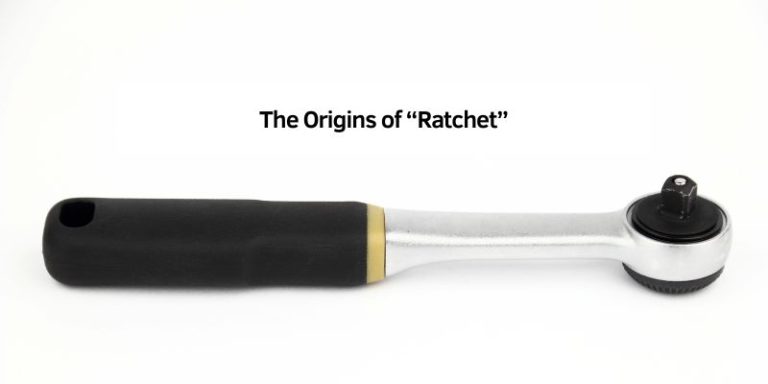
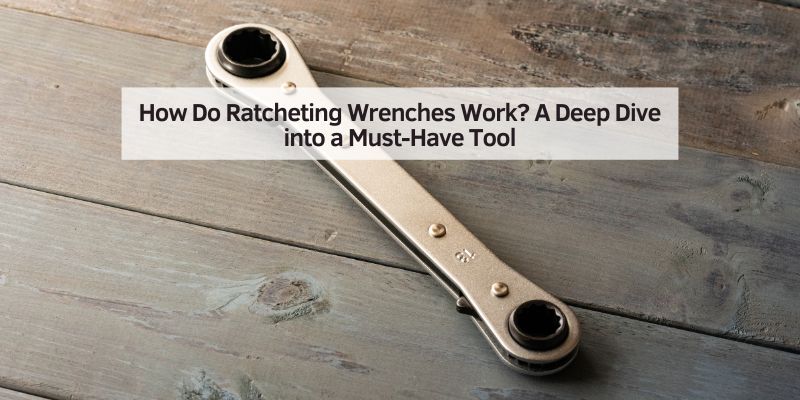
Let’s start with the basics. A ratcheting wrench is a hand tool used to tighten or loosen nuts and bolts. Unlike a traditional wrench, it has a special mechanism that allows you to turn it in one direction while keeping the wrench in place. This means you don’t have to lift the wrench off the bolt and reposition it after every turn. It’s like having a superpower for your hands!
I first used a ratcheting wrench when I was assembling a piece of furniture. I was frustrated with my old wrench, constantly slipping off the bolt. Then I grabbed a ratcheting wrench, and it was like night and day. The tool did most of the work for me, and I could keep turning without resetting my grip. It’s a simple tool, but its design is pure genius.
The Inner Workings of a Ratcheting Wrench
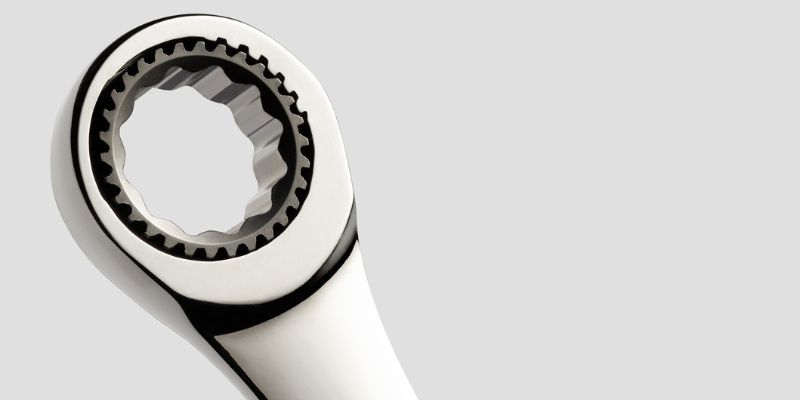
So, how does this tool pull off its magic? The secret lies in the ratcheting mechanism, which is usually a gear and pawl system. Picture a tiny gear inside the wrench’s head, surrounded by a small lever (the pawl) that locks it in one direction but lets it move freely in the other. When you turn the wrench one way, the pawl engages the gear, gripping the bolt tightly. When you turn it back, the pawl slips over the gear, letting the wrench move without moving the bolt.
I like to think of it as a one-way street for effort. You apply force in the direction you want the bolt to go, and the wrench does the rest. Most ratcheting wrenches have a switch or lever to change the direction of the ratchet, so you can tighten or loosen bolts with the same tool. This makes it incredibly versatile.
The gear inside typically has many teeth—sometimes 72 or more. More teeth mean a finer ratcheting action, so you can work in tighter spaces without needing much room to swing the wrench. I’ve used high-tooth-count wrenches in cramped spots, like under a sink, and they’re a lifesaver.
Types of Ratcheting Wrenches
Not all ratcheting wrenches are the same. Over the years, I’ve used a few different types, and each has its own strengths. Here’s a breakdown of the most common ones:
- Combination Ratcheting Wrenches: These have a ratcheting box end on one side and an open-end wrench on the other. I love these for versatility. The open end is great for quick loosening, while the ratcheting end handles the heavy lifting.
- Reversible Ratcheting Wrenches: These have a switch to change the ratcheting direction. I’ve found them super handy when I need to switch between tightening and loosening without grabbing another tool.
- Flex-Head Ratcheting Wrenches: These have a pivoting head, which is perfect for awkward angles. I used one when working on my car’s engine, and it made reaching those tricky bolts so much easier.
- Stubby Ratcheting Wrenches: These are shorter, designed for tight spaces. I keep a stubby wrench in my toolbox for small projects like fixing a bike.
Here’s a quick table to compare them:
| Type | Best For | Pros | Cons |
|---|---|---|---|
| Combination | General use | Versatile, dual-purpose | Open end doesn’t ratchet |
| Reversible | Fast direction changes | Easy to switch directions | Slightly heavier |
| Flex-Head | Awkward angles | Great for hard-to-reach spots | Less durable pivot point |
| Stubby | Tight spaces | Compact and lightweight | Limited leverage |
Each type has its place, and I’ve built up a collection over time. If you’re just starting, a combination or reversible wrench is a great first pick.
Why Use a Ratcheting Wrench?
You might be wondering why you’d choose a ratcheting wrench over a regular one. For me, it’s all about efficiency and comfort. Here are some reasons why I swear by them:
- Speed: Since you don’t need to lift and reposition the wrench, you can work much faster. I’ve finished projects in half the time compared to using a standard wrench.
- Ease in Tight Spaces: The ratcheting action means you only need a small swing to turn a bolt. This is a lifesaver in confined areas, like when I was installing a new faucet under my kitchen sink.
- Less Hand Fatigue: Constantly repositioning a regular wrench can tire your hands. With a ratcheting wrench, your grip stays steady, and your hands thank you.
- Precision: High-tooth-count wrenches let you make small, precise movements. This is great for delicate tasks where you don’t want to over-tighten.
I remember working on a DIY bookshelf where I needed to tighten dozens of bolts. My ratcheting wrench made it so much easier, and my hands weren’t sore afterward. It’s a small investment that pays off big time.
How to Use a Ratcheting Wrench Properly
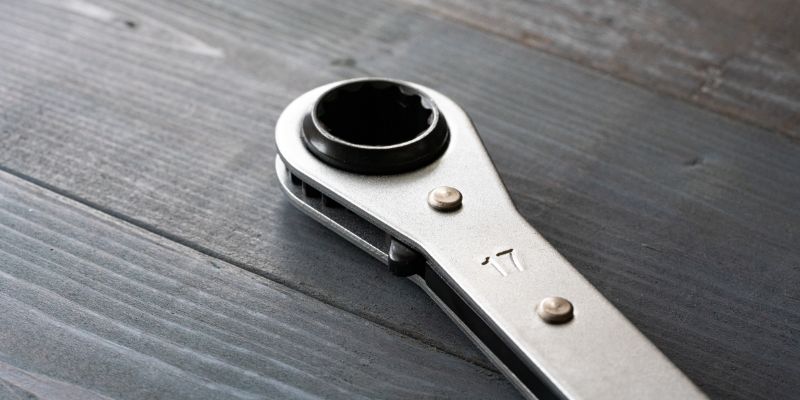
Using a ratcheting wrench is straightforward, but there are a few tips I’ve picked up to make it even easier. First, make sure the wrench fits the bolt snugly. A loose fit can strip the bolt or damage the wrench. I always double-check the size (usually marked on the wrench) before starting.
Next, position the wrench so the ratcheting direction matches what you need—clockwise to tighten, counterclockwise to loosen. If it’s a reversible wrench, flip the switch to the right setting. Then, turn the wrench smoothly. You’ll hear a clicking sound as the ratchet moves back, which is normal.
One mistake I made early on was applying too much force. Ratcheting wrenches are designed for steady, moderate pressure. If you’re forcing it, you might be using the wrong size or the bolt might be stuck. In that case, I use a bit of penetrating oil to loosen things up.
For flex-head wrenches, adjust the angle before you start turning. And always keep the wrench clean—grease or dirt can gum up the ratcheting mechanism. I wipe mine down after every project to keep them in top shape.
Choosing the Right Ratcheting Wrench
Picking the right ratcheting wrench can feel overwhelming with so many options. Here’s how I decide:
- Size: Wrenches come in metric (mm) or SAE (inches) sizes. I keep both in my toolbox since different projects use different standards. Check what your project needs before buying.
- Tooth Count: A higher tooth count (like 72 or 120) means a smoother ratchet and less swing space. I prefer these for precision work.
- Material: Most are made of chrome-vanadium steel, which is durable. I avoid cheap wrenches—they wear out fast and can slip.
- Brand: I’ve had great luck with brands like GearWrench and Craftsman. They’re reliable and often come with a lifetime warranty.
When I started, I bought a small set of combination wrenches in common sizes (8mm to 19mm). It covered most of my home projects, from furniture assembly to car repairs. If you’re on a budget, start with a set and add specialty wrenches as needed.
Maintenance and Care for Longevity
I’ve learned the hard way that tools last longer if you take care of them. Ratcheting wrenches are no exception. The ratcheting mechanism is precise, so dirt or rust can mess it up. After each use, I wipe my wrenches with a clean cloth to remove grease or debris.
If the ratchet starts sticking, a drop of light machine oil can help. Just don’t overdo it—too much oil attracts dirt. I also store my wrenches in a toolbox or organizer to keep them from banging around. Once, I left a wrench in my garage for months, and it rusted. Lesson learned: keep them dry and protected.
Every few months, I check for wear. If the ratchet feels loose or skips, it might be time to replace it. Quality wrenches last years with proper care, so it’s worth the effort.
Common Uses Around the Home
Ratcheting wrenches are incredibly versatile. I’ve used them for all sorts of projects around the house. Here are some common uses:
- Furniture Assembly: Flat-pack furniture often comes with bolts that need tightening. A ratcheting wrench makes this quick and easy.
- Plumbing Tasks: Tightening fittings under sinks or toilets is a breeze with a stubby or flex-head wrench.
- Car Repairs: From changing spark plugs to securing battery terminals, ratcheting wrenches are a must for auto work.
- Bicycle Maintenance: Adjusting handlebars or seats is simple with a compact ratcheting wrench.
One of my favorite projects was building a pergola in my backyard. The ratcheting wrench helped me tighten dozens of bolts quickly, even in tight corners. It turned a tedious job into a fun one.
Ratcheting Wrenches vs. Other Tools
You might be wondering how ratcheting wrenches stack up against other tools, like socket wrenches or adjustable wrenches. Here’s my take:
- Vs. Socket Wrenches: Socket wrenches are great for speed, but they need a ratchet handle and more space. I use ratcheting wrenches in tight spots where a socket won’t fit.
- Vs. Adjustable Wrenches: Adjustable wrenches are versatile but can slip and strip bolts. Ratcheting wrenches are more precise and faster.
- Vs. Power Tools: Impact drivers or drills are powerful, but they’re overkill for small jobs and can over-tighten. I use ratcheting wrenches for finesse.
For most home projects, a ratcheting wrench strikes the perfect balance of speed, precision, and ease. I still keep other tools around, but my ratcheting wrench is my go-to.
Tips for Beginners
If you’re new to using ratcheting wrenches, don’t worry—it’s easy to get the hang of. Here are some tips I wish I knew when I started:
- Start with a small set of common sizes to cover most projects.
- Practice on a spare bolt to get a feel for the ratcheting action.
- Don’t force a stuck bolt—use penetrating oil or a breaker bar first.
- Keep your wrench clean and stored properly to avoid damage.
- Invest in quality. A good wrench lasts a lifetime.
I remember my first time using one—I was nervous about stripping a bolt. But once I got the rhythm of the ratchet, it became second nature. You’ll feel like a pro in no time.
Conclusion
Ratcheting wrenches are one of those tools that make you wonder how you ever lived without them. Their clever design—combining a gear and pawl system with a sturdy build—saves time, effort, and frustration. Whether you’re assembling furniture, fixing a leaky faucet, or tinkering with your car, a ratcheting wrench is your best friend. I’ve used them for years, and they’ve never let me down.
From their speed and precision to their ability to work in tight spaces, these tools are a must-have for any DIYer or homeowner. With a little care, they’ll last for decades, making every project a bit easier. So, next time you’re facing a stubborn bolt, grab a ratcheting wrench and feel the difference. I promise you’ll never go back to a regular wrench!
FAQs
Are Ratcheting Wrenches Worth the Investment?
Absolutely! I’ve found that ratcheting wrenches save so much time and effort compared to regular wrenches. They’re especially worth it if you do a lot of DIY projects or car repairs. A good set might cost a bit upfront, but they last forever with proper care.
Can I Use a Ratcheting Wrench for Heavy-Duty Tasks?
For most home tasks, they’re great. But for super tight bolts, like on heavy machinery, I’d use a breaker bar or impact wrench first to loosen them. Ratcheting wrenches are best for precision and speed, not brute force.
How Do I Know What Size Wrench to Use?
Check the bolt or nut size—it’s usually marked in millimeters or inches. Match it to the size on your wrench. If you’re unsure, a small set with common sizes (like 8mm to 19mm) covers most home projects.
Can Ratcheting Wrenches Slip?
If the wrench fits properly, slipping is rare. I always make sure the wrench is snug on the bolt. If it slips, it might be the wrong size or the bolt might be worn. Stop and check to avoid damage.
How Do I Maintain My Ratcheting Wrench?
I wipe mine down after every use to remove dirt or grease. A drop of light oil keeps the ratchet smooth if it starts sticking. Store them in a dry toolbox to prevent rust, and they’ll last for years.