How Do You Make the Paint Darker Without Using Black Paint? Expert Tips
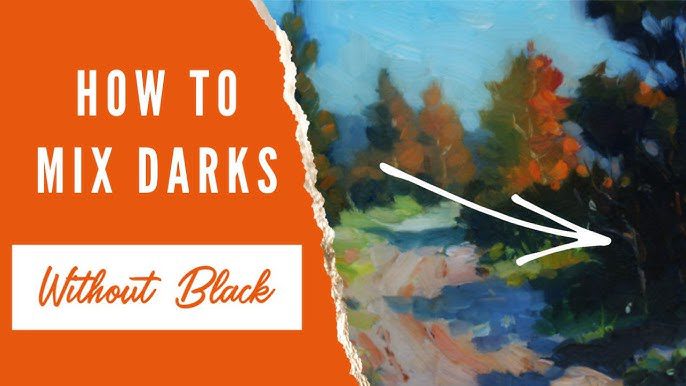
You can make the paint darker without using black paint by mixing in complementary or darker hues. This technique adds depth and richness to your colors.
Artists often need to adjust the shade of their paint. But, black paint can sometimes make colors look dull or flat. Fortunately, there are other ways to darken paint. By using other colors, you can keep your art vibrant and lively.
These methods are simple and can be used with many types of paint. Whether you are working on a canvas, wall, or furniture, these tips can help you achieve the perfect shade. Keep reading to discover how to darken your paint while keeping your colors bright and beautiful.

Credit: etchrlab.com
Introduction To Darkening Paint
Darkening paint without using black can be an exciting challenge. This technique can create rich, deep colors without the harshness of black. Understanding how to darken paint in unique ways can help you achieve the perfect shade for your project.
Common Methods
Several methods can help darken paint without black. Here are some common approaches:
- Mixing Complementary Colors: Combine a color with its complementary color on the color wheel. This can naturally darken the hue.
- Adding a Darker Shade of the Same Color: Mix in a darker version of the color you are using. For example, add dark blue to light blue.
- Using Earth Tones: Incorporate browns or grays to achieve a darker shade. These tones can add depth without overpowering the original color.
Importance Of Technique
The technique you use to darken paint can impact the final result. Proper mixing ensures an even and smooth color. Here are some tips:
| Technique | Benefit |
|---|---|
| Gradual Mixing | Prevents over-darkening and allows for better control of the shade. |
| Palette Knife | Ensures thorough blending of colors for a smooth finish. |
- Start with a small amount of the darkening color.
- Mix thoroughly before adding more.
- Test the color on a sample surface.
These techniques help you achieve the desired shade without compromising the quality of your paint. Understanding these methods enhances your painting skills and broadens your creative options.
Using Complementary Colors
Want to make your paint darker without using black paint? Try using complementary colors. This method enhances depth and richness in your artwork. Complementary colors are pairs of colors that create contrast when mixed together.
Color Wheel Basics
The color wheel helps you understand complementary colors. It consists of primary, secondary, and tertiary colors. Primary colors are red, blue, and yellow. Secondary colors are green, orange, and purple, formed by mixing primary colors. Tertiary colors result from mixing primary and secondary colors.
Complementary colors are directly opposite each other on the color wheel. For example, red and green, blue and orange, yellow and purple.
Choosing The Right Complement
To darken a color, pick its complement. For instance, to darken red, add green. This creates a richer, deeper red. To darken yellow, add purple. This results in a more muted yellow.
Experiment with small amounts. Gradually mix in the complement until you achieve the desired darkness. This technique preserves the vibrancy of your paint.
Mixing Analogous Colors
Mixing analogous colors is a great way to make paint darker without using black paint. This method involves blending colors that are next to each other on the color wheel. It adds depth and richness to your artwork, creating more dynamic and visually appealing pieces.
Understanding Analogous Colors
Analogous colors sit next to each other on the color wheel. They usually match well and create serene and comfortable designs. For example, blue, blue-green, and green are analogous colors.
To mix analogous colors, start by identifying the colors adjacent to your base color. Use these neighboring hues to create a darker shade. For instance, if you want to darken red, mix it with red-orange or red-violet.
This approach avoids the harshness that black paint can add. Instead, it results in a more natural and harmonious color transition.
Creating Depth
Using analogous colors to darken paint can add depth to your artwork. This technique helps create shadows and highlights, making your painting more three-dimensional.
For example, to add depth to a green leaf, mix it with blue-green. This combination will produce a darker green, perfect for shadow areas.
Here is a simple table to illustrate some analogous color combinations:
| Base Color | Analogous Colors | Darker Result |
|---|---|---|
| Red | Red-Orange, Red-Violet | Darker Red |
| Blue | Blue-Green, Blue-Violet | Darker Blue |
| Yellow | Yellow-Green, Yellow-Orange | Darker Yellow |
Try experimenting with different combinations to see what works best for your project. Mixing analogous colors not only darkens the paint but also adds a touch of sophistication to your artwork.
Adding Earth Tones
Adding earth tones is a great way to make paint darker. These tones can add depth and richness without using black paint. Earth tones are natural and warm colors. They can enhance your artwork beautifully.
Types Of Earth Tones
Earth tones come from natural elements. Brown, ochre, sienna, and umber are popular choices. These shades mimic the colors of soil, clay, and rocks. They blend well with other colors. They provide a more natural darkening effect.
Blending Techniques
Blending earth tones requires some practice. Start by mixing a small amount of earth tone with your base color. Gradually increase the amount until you reach the desired darkness. Make sure to mix thoroughly. This ensures an even color.
Use a palette knife for better control. It helps in achieving a smooth blend. Layering can also be effective. Apply thin layers of earth tones over your base color. This creates a rich, dark hue without overpowering the original color.
Incorporating Warm Colors
Incorporating warm colors can add depth and richness to your paint. These colors can make your paint darker without using black. Warm colors include reds, oranges, and yellows. They evoke warmth and energy. Let’s explore how to use them effectively.
Examples Of Warm Colors
Warm colors can create different shades. Some examples include:
- Red
- Orange
- Yellow
- Brown
These colors can be mixed with your base color. They can deepen the shade. This can add a unique touch to your artwork.
Effect On Final Shade
Adding warm colors changes the final shade. Red can make your paint darker and richer. Orange adds a warm, earthy tone. Yellow can lighten and add brightness. Brown can deepen and add complexity. Mixing these colors can achieve the perfect shade. Experiment with different combinations. Find the balance that works for your project.
Experimenting With Cool Colors
Making paint darker does not always mean using black. Cool colors can achieve this effect too. These colors add depth and richness without the harshness of black. Let’s explore how to use cool colors for this purpose.
Cool Color Palette
Cool colors are those that evoke a sense of calm. They include blues, greens, and purples. These colors can be mixed to create darker shades.
- Blue: Darkening with blue gives a moody effect.
- Green: Adds a natural, earthy tone.
- Purple: Creates a deep, rich color.
Using a cool color palette can result in sophisticated and elegant hues.
Achieving Desired Darkness
To achieve the desired darkness, mix the paint gradually. Start with a base color and add small amounts of a cool color. Stir well to see the change.
- Start with your base paint.
- Add a small amount of a cool color.
- Mix thoroughly.
- Check the shade and repeat as needed.
This method allows for control over the final shade. It helps avoid making the paint too dark too quickly.
Use a palette knife for mixing. It provides a more even blend than a brush.
Test the color on a sample surface before applying it to your final project. This ensures you achieve the right tone and depth.
Experimenting with cool colors can be a fun and creative process. It opens up new possibilities for your painting projects.
Utilizing Gray And Brown
Utilizing gray and brown can help you darken paint without black. These colors add depth and richness. They give your paint a unique look. Let’s explore how to use gray and brown to achieve this effect.
Creating Gray And Brown
To create gray, mix equal parts of white and black paint. Adjust the mixture for a lighter or darker gray. For brown, combine red and green paint. You can also mix blue and orange or yellow and purple. Each combination results in a different shade of brown.
Impact On Paint Hue
Adding gray to your paint darkens the color. It also makes it cooler and more muted. This is ideal for creating a subtle, sophisticated look. Brown, on the other hand, adds warmth. It deepens the color while maintaining a rich, earthy tone.
Experiment with different amounts of gray and brown. This helps you find the perfect shade. Remember, small changes can have a big impact. So, add the colors gradually and test as you go.
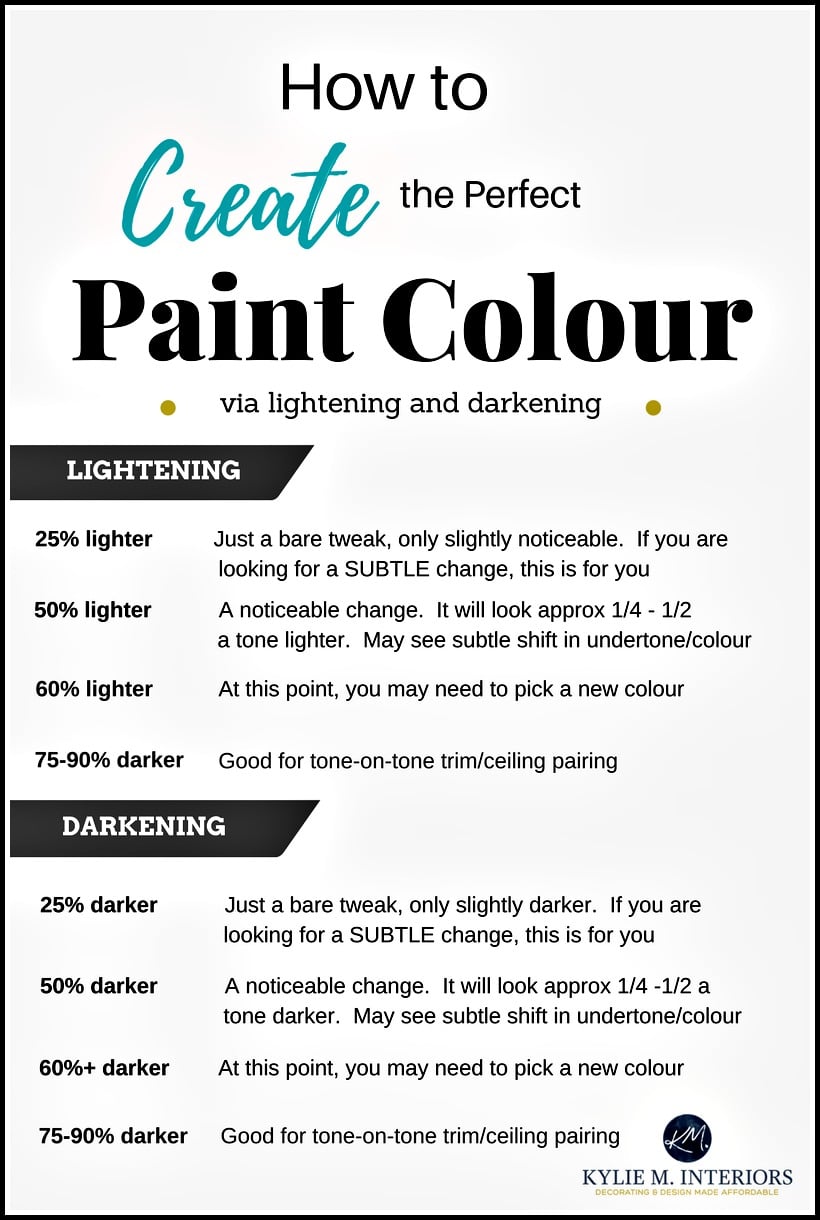
Credit: www.kylieminteriors.ca
Practical Tips And Tricks
Enhancing the depth of your paint without using black can be both fun and challenging. You can achieve darker shades with some simple techniques and careful adjustments. Let’s explore some practical tips and tricks to help you get the perfect shade.
Testing Small Batches
Always start by testing small batches of paint. Mix a tiny amount of your base color with a darker color, like dark blue or brown. This way, you avoid wasting paint and can see the results quickly.
Use a palette or a small container for mixing. Make sure to note down the proportions you use. This helps you replicate the shade if you need more later.
Adjusting Gradually
Add the darker color bit by bit. Stir well and check the result before adding more. It’s easier to make the paint darker than to lighten it again.
If you want a warmer shade, try adding a bit of red or orange. For a cooler shade, use blue or green. Always mix thoroughly to see the true color.
Remember, patience is key. Gradual adjustments help you achieve the perfect dark shade without overdoing it.

Credit: www.tiktok.com
Frequently Asked Questions
How Can I Darken Paint Without Black?
To darken paint without black, add a bit of its complementary color. This technique will deepen the hue naturally.
What Colors Make Paint Darker?
Mixing darker shades like deep blues, greens, or browns with your paint can darken it effectively.
Can I Use Brown To Darken Paint?
Yes, adding brown can darken paint while maintaining a rich, natural look.
Is It Possible To Darken Paint With Blue?
Yes, adding dark blue can deepen the color, giving a cooler, darker tone.
Conclusion
Experimenting with different colors can make your paint darker. Try mixing complementary colors, like blue and orange. Adding dark shades of primary colors works well too. Using layers of paint creates depth and darkness. Remember, practice makes perfect. Enjoy the creative process.
Your unique touches will shine through. Happy painting!