How Does Sink Work: Unveiling Plumbing Secrets
Have you ever paused to think about the fascinating process happening right under your nose every time you use your sink? Whether you’re washing your hands, rinsing vegetables, or doing the dishes, your sink is working tirelessly to make your daily tasks a breeze.
But how exactly does this essential fixture operate? Understanding the mechanics of your sink can transform the way you interact with your kitchen and bathroom. It can even help you spot potential issues before they become costly repairs. Dive into this article to uncover the simple yet ingenious workings of your sink, and equip yourself with the knowledge to keep it running smoothly.
Your curiosity is about to pay off!

Credit: www.youtube.com
Sink Components
The faucet is the part where water comes out. Turning the handle allows water to flow. Mixing valves control hot and cold water. Water pressure helps water move through the faucet. Faucets can have one or two handles. Some faucets use sensors to turn on water.
The drain is where water goes out. It connects the sink to the pipes below. A plug can stop water from going down. Strainers catch food and hair. This helps keep the pipes clean. Drains need to be clear for water to flow well.
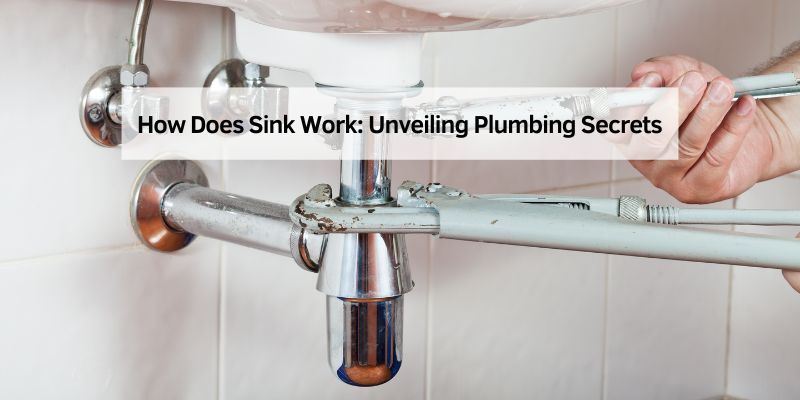
A trap is a pipe under the sink. It holds a little water. This water stops bad smells from coming up. Traps can be U-shaped or S-shaped. Cleaning the trap is important. It prevents clogs. Traps are found in most sinks.
Water Supply System
Sinks have two main pipes. One for cold water and one for hot water. Cold water comes from the street pipes. It goes straight to your sink. Hot water comes from your home’s water heater. The heater warms up the water before it reaches the sink.
Valves control the flow of water. Turn the handle to open the valve. Water flows into the sink. Turn the handle the other way. This closes the valve, stopping the water. It’s simple but very important. Always make sure valves work properly. Leaky valves waste water.
Drainage System
Gravity drainage is the key to sink function. Water flows down through pipes. It moves because of gravity. The pipes are tilted. This helps water move easily. The sink’s shape guides the water. It directs it toward the drain.
Vent pipes play a crucial role. They allow air into the drainage system. This stops air pressure from blocking water. Vent pipes are often near the sink. They keep the water flowing smoothly. Without vents, drains can clog.

Credit: www.youtube.com
Common Sink Issues
Drains get clogged because of hair or food bits. Water can’t go down.
It builds up in the sink. This can be annoying. A plunger can help.
Sometimes, you need a plumber for tough clogs.
A leaking faucet wastes water. It also makes a dripping sound. This can be
irritating. Check if the washer is broken. A new washer can fix it.
If it still leaks, call a plumber.
Low water pressure makes washing hard. It can happen if pipes are blocked.
Sometimes, the problem is in the faucet. Cleaning the faucet can help.
If not, the pipes might need fixing.
Maintenance Tips
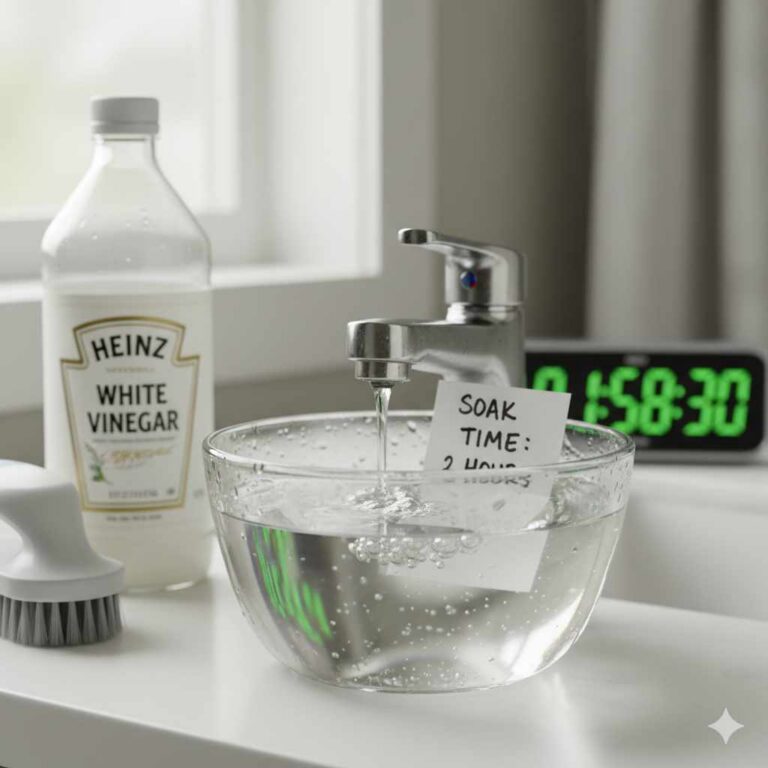
Clean drains regularly to keep water flowing. Use baking soda and vinegar. Pour baking soda first, then vinegar. Let it bubble for a while. After bubbling, rinse with hot water. This helps remove dirt and odors. It prevents clogs and keeps your sink fresh. A clean drain works better.
Check for leaks often. Tighten any loose connections. Use sealant tape for extra safety. Leaks waste water and cause damage. Stop leaks to save money. Water should stay in the pipes. If you see water outside, fix it soon. A dry area means no leaks.
Look at your sink parts each month. Check the pipes and faucet. See if everything is working. Replace any broken parts. A well-working sink is useful every day. Routine checks help find problems early. Fix small issues before they grow big.
Innovative Sink Designs
Smart faucets make life easy. They control water with voice or touch. Some models remember water temperature. This saves time. Sensors detect hands under the faucet. Water flows automatically. LED lights show water temperature. Red means hot. Blue means cold. Timers help reduce water waste. This helps save money. Smart faucets are simple to install. Anyone can use them.
Eco-friendly sinks help the environment. They use less water. Low-flow faucets cut water use. Recycled materials make these sinks green. Many models use solar energy. This powers the faucet. Water-saving designs are popular. They help save water. Filters clean water naturally. This is safe for drinking. Eco-friendly sinks are easy to find. They are good for nature.
Frequently Asked Questions
How Does The Sink Work?
A sink works by channeling water through a faucet into a basin. The drain disposes of wastewater through pipes. Turning the faucet handle regulates water flow. The plumbing system ensures proper drainage, preventing blockages. The P-trap under the sink prevents sewer gases from entering by holding a small amount of water.
How Do Sinks Function?
Sinks direct water to a drain using gravity. Faucets regulate water flow and temperature. Pipes connect to a plumbing system. Traps beneath prevent sewer gas from entering. Overflow drains manage excess water. Proper maintenance ensures efficient functionality.
How Does A Sink Faucet Work?
A sink faucet controls water flow using a valve. Turning the handle adjusts the valve, regulating water pressure and temperature. Water flows through the spout when the valve opens, providing a stream for washing or rinsing. Modern faucets often include aerators, which mix air with water to reduce splashing and save water.
How Does Sink Drain Pipe Work?
A sink drain pipe carries wastewater from the sink to the sewage system. Gravity pulls water down through the pipe. The P-trap under the sink prevents sewer gases from entering your home, trapping water to block odor. Regular cleaning ensures optimal drainage and prevents clogs.
Conclusion
Understanding how a sink works helps in daily life. Faucets control water flow. Pipes direct water to and from the sink. Drains guide wastewater away efficiently. Each part plays a role. Regular maintenance ensures smooth operation. Check for leaks or clogs.
Clean your sink regularly to prevent buildup. A well-functioning sink makes tasks easier. From washing dishes to brushing teeth. Knowing its workings can save time and effort. Keep your sink in good condition for years of trouble-free use. Enjoy the convenience of a reliable, well-maintained sink in your home.