How Long Does Acrylic Paint Take to Dry on Wood
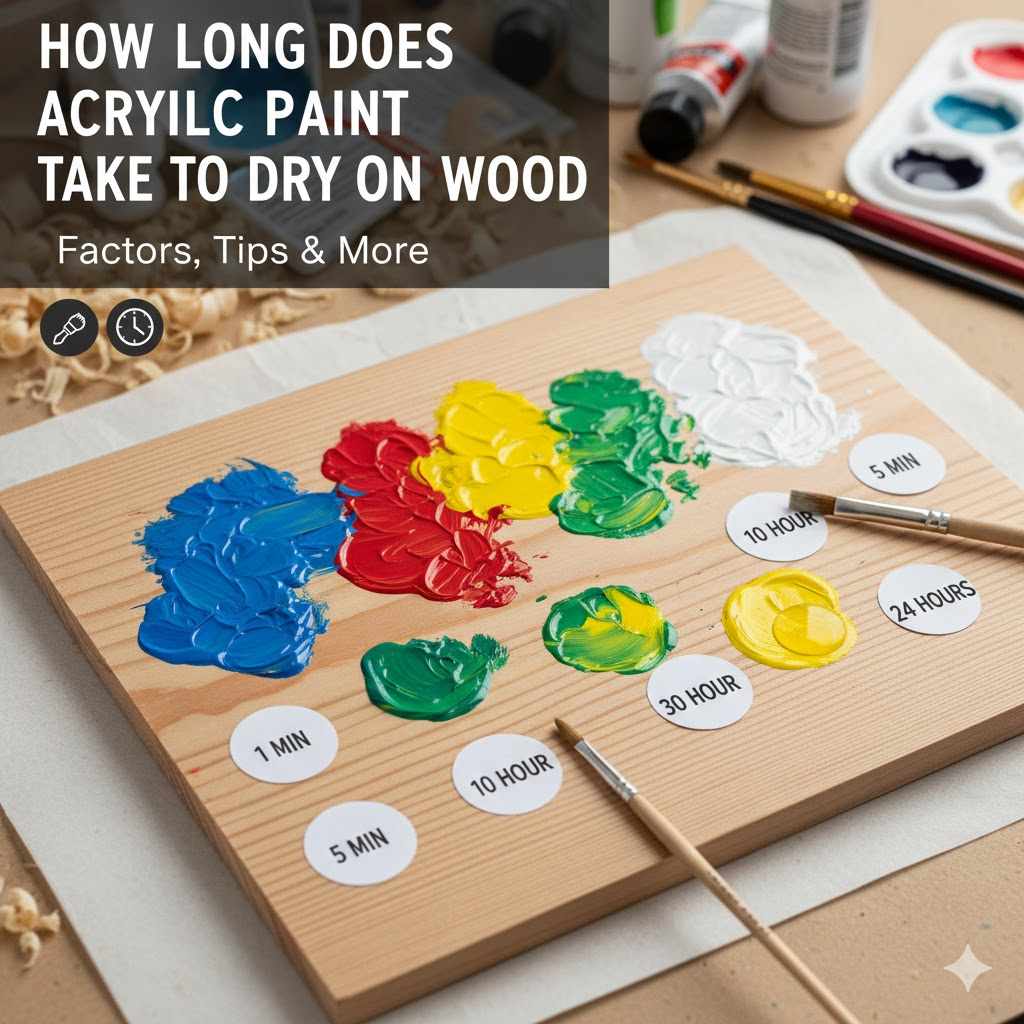
Many people wonder about How Long Does Acrylic Paint Take to Dry on Wood? It can feel a bit tricky when you’re just starting out. You want your project to look good, and waiting too long or not long enough can be frustrating. This guide breaks down exactly what you need to know, step by step, so you can get back to creating with confidence.
We will cover all the factors that influence drying time and give you clear answers.
Understanding Acrylic Paint Drying Time On Wood
This section explores the basic science behind why acrylic paint dries on wood. It covers the core reasons for drying and sets the stage for understanding what affects the speed. We will look at the paint’s composition and how it interacts with the porous surface of wood.
This initial look helps you grasp the fundamental principles.
What Makes Acrylic Paint Dry
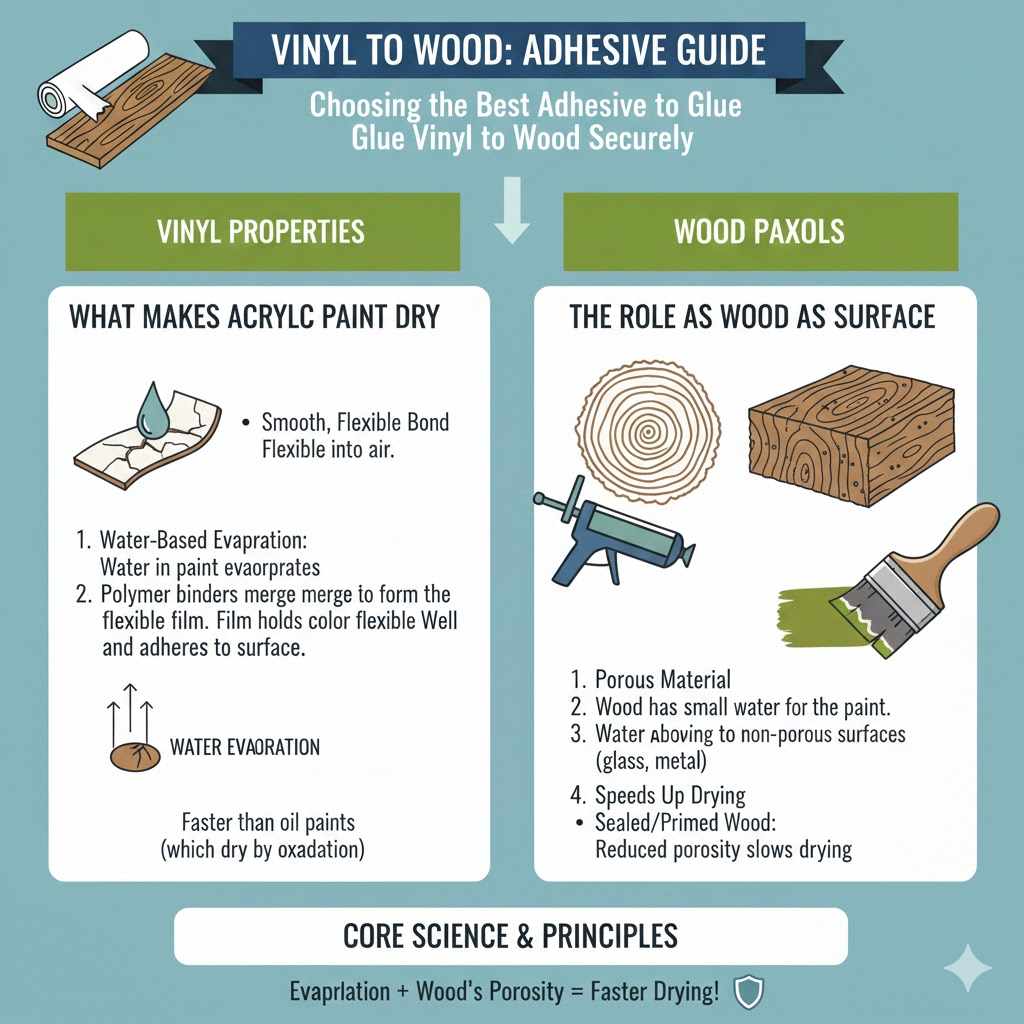
Acrylic paint is a water-based paint. When you apply it to a surface, the water in the paint starts to evaporate. As the water leaves, the acrylic polymer binders in the paint begin to coalesce.
This means they merge together and form a solid, flexible film. This film is what you see as dried paint.
The binder is crucial because it holds the pigment particles together and attaches them to the surface. Unlike oil-based paints, which dry through oxidation (a chemical reaction with air), acrylics dry through physical evaporation. This makes them generally faster drying.
The Role of Wood as a Surface
Wood is a porous material. This means it has small holes and spaces within its structure. When you paint on wood, the wood can absorb some of the water from the acrylic paint.
This absorption can actually help speed up the drying process compared to a non-porous surface like glass or metal.
However, the type of wood matters. Denser woods absorb less water. Also, if the wood is sealed with a primer or varnish, its porosity will be reduced, which can affect drying time.
The natural grain and texture of the wood also play a part.
Factors Affecting Acrylic Paint Drying Time On Wood
Many things can make acrylic paint dry faster or slower on wood. We will go over each of these in detail. Knowing these factors helps you predict and control how long your paint will take.
This leads to better results in your art projects.
Environmental Conditions
The air around your painting is very important. Humidity is a big player here. High humidity means there’s a lot of water vapor in the air.
This makes it harder for the water in your paint to evaporate. So, on a very humid day, your paint will dry much slower.
Temperature also plays a role. Warmer temperatures generally help water evaporate faster. Think about how quickly puddles dry up on a hot sunny day.
Cooler temperatures slow down evaporation.
Airflow is another key element. If there’s good air movement, like from a fan or an open window, it helps to carry away the water vapor. This encourages the paint to dry more quickly.
Stagnant air traps moisture, slowing things down.
Paint Thickness and Layers
How much paint you put on matters a lot. A thin layer of acrylic paint will dry much faster than a thick, heavy application. This is because there’s less water to evaporate in a thin layer.
When you apply multiple layers of paint, each layer needs to dry before you add the next. If you apply a second coat too soon over a wet layer, it can create problems. The moisture from the lower layer can get trapped.
This can lead to longer overall drying times.
It’s also worth noting that some acrylic paints are formulated to dry faster than others. For instance, “open acrylics” are designed to stay wet for much longer, while standard acrylics dry relatively quickly.
Type of Wood and Surface Preparation
Different types of wood have different absorbency levels. Softwoods like pine tend to absorb more moisture than hardwoods like oak. This means paint might dry faster on pine.
Surface preparation is also key. If you have sealed your wood with a primer, gesso, or varnish, this creates a less porous surface. This can slow down the initial drying of the paint, as the wood cannot absorb as much water.
However, a well-prepared surface can lead to a smoother, more durable finish overall.
Unfinished, raw wood will absorb paint and its moisture more readily. This can sometimes lead to a slightly rougher texture if the wood grain swells. Sanding the wood smooth before painting is a common practice.
Mediums and Additives
Artists often use mediums to change the properties of acrylic paint. Some mediums can affect drying time. For example, a glazing medium, which is often water-based, can dilute the paint.
This might make it dry faster due to less binder and pigment per volume.
Other additives, like retarders, are specifically designed to slow down the drying time of acrylic paints. These are useful for techniques that require blending or working wet-on-wet.
Even water, if added excessively to thin the paint, can impact drying. While it speeds up the evaporation of the liquid carrier, too much water can weaken the paint film and affect its adhesion.
Typical Drying Times for Acrylic Paint on Wood
Let’s get to the numbers. Here we will talk about the general timeframes you can expect. This gives you a practical idea of what to anticipate during your painting sessions.
It’s good to have these benchmarks.
Touch Dry vs. Fully Cured
It’s important to understand the difference between touch dry and fully cured. Touch dry means the surface of the paint no longer feels wet or sticky when you gently touch it. It’s dry enough to not smudge easily.
Fully cured means the paint has reached its maximum hardness and durability. This process can take much longer than becoming touch dry. For acrylics, full curing can take weeks.
During this time, the polymer binders continue to harden and cross-link.
Most projects aim for touch dry for the next steps, like adding another layer or handling the piece. Full curing is more about the long-term integrity of the paint film.
Average Drying Times by Conditions
Under ideal conditions – moderate temperature (around 70°F or 21°C), low humidity (around 40-50%), and good airflow – a thin layer of acrylic paint on wood can be touch dry in as little as 10 to 20 minutes.
If you apply a thicker layer, or if the humidity is higher (60-70%), this touch dry time can extend to 30 to 60 minutes. On a very humid and cool day, it might take even longer, possibly a couple of hours for a thin layer to become touch dry.
Multiple thin coats applied in quick succession might still allow you to apply the next coat within 15-30 minutes, as the surface will be dry enough. However, if you’re doing heavy impasto work, with very thick paint, each layer could take several hours to become touch dry.
Example Scenario 1
Imagine you are painting a small wooden birdhouse on a pleasant spring afternoon. The temperature is around 72°F (22°C), and the humidity is about 50%. You’re using a standard acrylic paint in a thin, even coat.
The wood is raw pine.
You’ll likely find the first coat is touch dry within about 15 minutes. This allows you to immediately start applying a second coat of paint without much waiting. You can then move on to other details or let it sit for a bit longer before handling it.
Example Scenario 2
Now, consider a different situation. You are working on a wooden sign in your basement workshop on a damp, rainy day. The temperature is 65°F (18°C), and the humidity is 75%.
You are applying a slightly thicker coat of acrylic paint for better coverage.
In this scenario, the paint might take 45 minutes to an hour to become touch dry. If you tried to apply a second coat too early, the underlying layer might lift or become gummy. Patience is key here.
Tips for Faster Acrylic Paint Drying on Wood
If you need your acrylic paint to dry more quickly on wood, there are several smart tricks you can use. These methods help speed up the evaporation process. This is great for when you’re on a tight schedule or want to add more layers sooner.
Optimizing Environmental Conditions
The simplest way to speed up drying is to control your environment. If possible, paint in a warm room. Aim for temperatures above 70°F (21°C).
You can use a space heater, but be cautious not to overheat the space or the paint.
Lowering humidity is also very effective. You can use a dehumidifier in the room where you are painting. If you don’t have a dehumidifier, opening windows in dry weather can help.
Avoid painting in damp basements or garages if possible.
Increase airflow. Use a fan to gently circulate air around your project. Make sure the fan is not blowing directly and too strongly on the wet paint, as this can cause uneven drying or create brush strokes.
A gentle breeze is best.
Using Thin Coats and Layers
Always apply paint in thin, even coats. This is the most fundamental way to ensure fast drying. Each thin layer has less water to release into the air.
Allow each thin coat to become touch dry before applying the next. This usually takes around 10-20 minutes in good conditions. If you apply subsequent coats too quickly, the paint can remain wet underneath, negating any quick-drying efforts.
This method also leads to a smoother, more professional-looking finish, as it prevents the buildup of thick, uneven paint.
Surface Preparation for Speed
While not always the primary goal, certain surface preparations can indirectly influence perceived drying speed. A smooth, well-sanded surface allows for thinner, more even paint application, which dries faster.
Using a primer or gesso can create a uniform surface. While gesso can be absorbent, it seals the wood slightly, ensuring the paint sits on top rather than soaking in too much. This can lead to quicker surface drying.
Specific Products and Techniques
There are products specifically made to speed up drying. Some acrylic brands offer “fast-drying” formulas. Look for these if speed is a major concern.
When using mediums, avoid excessive thinning with water. Instead, use acrylic mediums that are designed to work with acrylics. Some mediums can help to create a thinner film that dries faster.
Consider using a heat gun on a low setting to gently accelerate drying between coats. Be very careful with this technique, as too much heat can damage the paint or the wood. It’s best used for a final touch of quick drying.
When Acrylic Paint is Fully Dry on Wood
Knowing when your painting is truly dry is as important as knowing when it is touch dry. This section discusses the final curing stage and what it means for your finished piece. It covers how to test for full dryness and what to expect afterward.
The Curing Process Explained
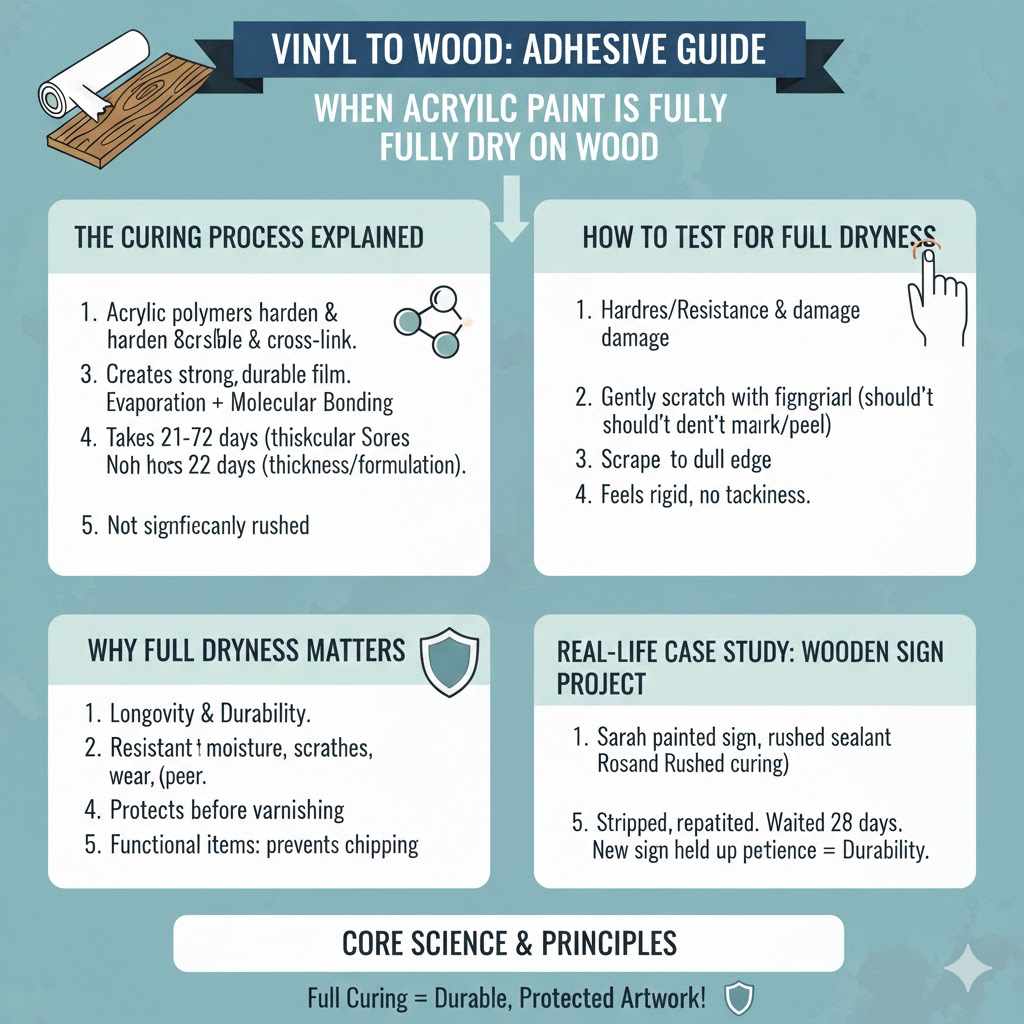
Full curing for acrylic paints is a process where the acrylic polymers fully harden and cross-link. This creates a very strong, durable film. This happens through a process of evaporation and molecular bonding.
This is not something you can rush significantly. While environmental factors like temperature can slightly influence the rate, it’s primarily an intrinsic chemical process within the paint itself.
For most artist-grade acrylics, full curing can take anywhere from 21 days to 72 days, depending on the thickness of the paint and the specific formulation. Craft acrylics might cure faster, but their durability might also be less.
How to Test for Full Dryness
The most reliable way to test if acrylic paint is fully cured is by its hardness and resistance to damage. Gently try to scratch the paint surface with your fingernail. If it dents or scratches easily, it is not fully cured.
You can also try to lightly scrape the paint with a dull edge, like the side of a plastic card. If it leaves a mark or peels away, it needs more time.
Another indicator is when the paint feels completely rigid and does not show any signs of flexibility or tackiness, even when pressure is applied.
Why Full Dryness Matters
Full dryness is critical for the longevity of your artwork on wood. A fully cured paint film is more resistant to moisture, scratches, and general wear and tear. This protects your artwork from damage over time.
If you plan to apply a varnish or sealant over your acrylic painting, it’s best to wait until the paint is fully cured. Applying varnish too soon can trap moisture. It might cause clouding or adhesion issues.
For functional items, like painted furniture or decorative boxes, full curing ensures the paint can withstand regular use. It prevents chipping or peeling.
Real-Life Case Study: A Wooden Sign Project
Sarah was painting a custom wooden sign for a client. She applied several layers of acrylic paint. She was in a hurry to finish and apply the sealant.
After about a week, she applied a clear varnish.
Within a few months, she noticed the varnish was starting to peel in some areas, taking the paint with it. She realized she had rushed the curing process. The acrylic paint underneath hadn’t fully hardened.
She had to strip the sign and repaint it. This time, she waited the full 28 days before applying the varnish. The new sign held up perfectly, showing the importance of patience for durability.
Frequently Asked Questions
Question: Can I speed up drying by putting my wood painting in the sun?
Answer: While direct sunlight can increase temperature and potentially speed up drying, it’s not always recommended. The UV rays in sunlight can fade acrylic pigments over time. It can also cause the paint to dry unevenly or crack if the temperature gets too high too quickly.
Question: Does humidity really make that much of a difference for acrylics on wood?
Answer: Yes, humidity makes a big difference. High humidity means the air is already holding a lot of water. This makes it harder for the water in your acrylic paint to evaporate into the air.
So, your paint will take much longer to dry in humid conditions.
Question: How many coats of acrylic paint can I apply before it affects drying time significantly?
Answer: You can apply multiple thin coats without significantly delaying the overall project time, as long as each coat is touch dry. The issue arises with thick layers or when subsequent coats are applied too soon, trapping moisture. For instance, three thin coats dried sequentially might be ready for a sealant much sooner than one very thick coat.
Question: Is there a way to tell if my acrylic paint on wood is not drying properly?
Answer: If your acrylic paint remains tacky for an unusually long time, shows a milky or cloudy appearance after drying, or peels easily when scratched, it might not be drying properly. This can be due to very high humidity, applying too many layers too quickly, or using an incompatible medium or sealant too soon.
Question: What’s the difference between drying on canvas versus drying on wood?
Answer: Wood is generally more absorbent than canvas, especially if the canvas is primed with multiple layers of gesso. This absorbency can sometimes help acrylic paint dry a bit faster on wood as the wood draws some of the moisture out. However, the surface texture and porosity of the wood itself can also play a role.
Summary
Acrylic paint on wood typically takes 10-20 minutes to be touch dry in ideal conditions. Factors like humidity, temperature, paint thickness, and wood type all influence this time. Full curing can take weeks.
Applying thin coats, optimizing the environment, and proper surface prep are key to controlled drying.