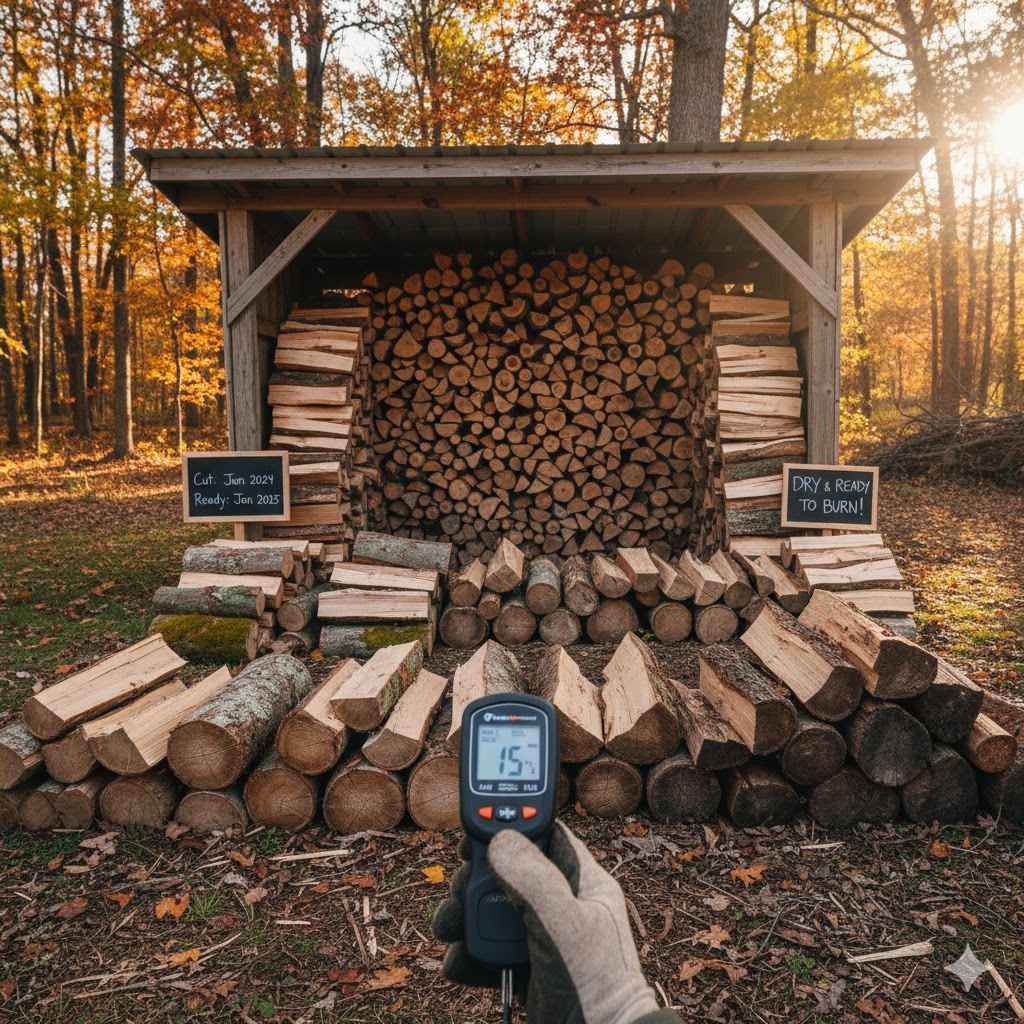
How Long Does Wood Need to Season Before Burning
Are you curious about getting the most from your fireplace or wood stove? Many people wonder, “How Long Does Wood Need to Season Before Burning?” This is a common question for anyone new to burning wood. Getting it wrong means smoky fires and less heat.
Don’t worry, we’ll make this simple and show you exactly what to do. You’ll be enjoying cozy fires in no time.
Understanding Wood Seasoning For Best Burning
This section explains why letting wood dry out, or “season,” is so important before you burn it. It covers the science behind it in simple terms. You’ll learn why wet wood causes problems and how dry wood makes your fire better.
This will give you the basic knowledge to understand why timing matters.
What is Wood Seasoning?
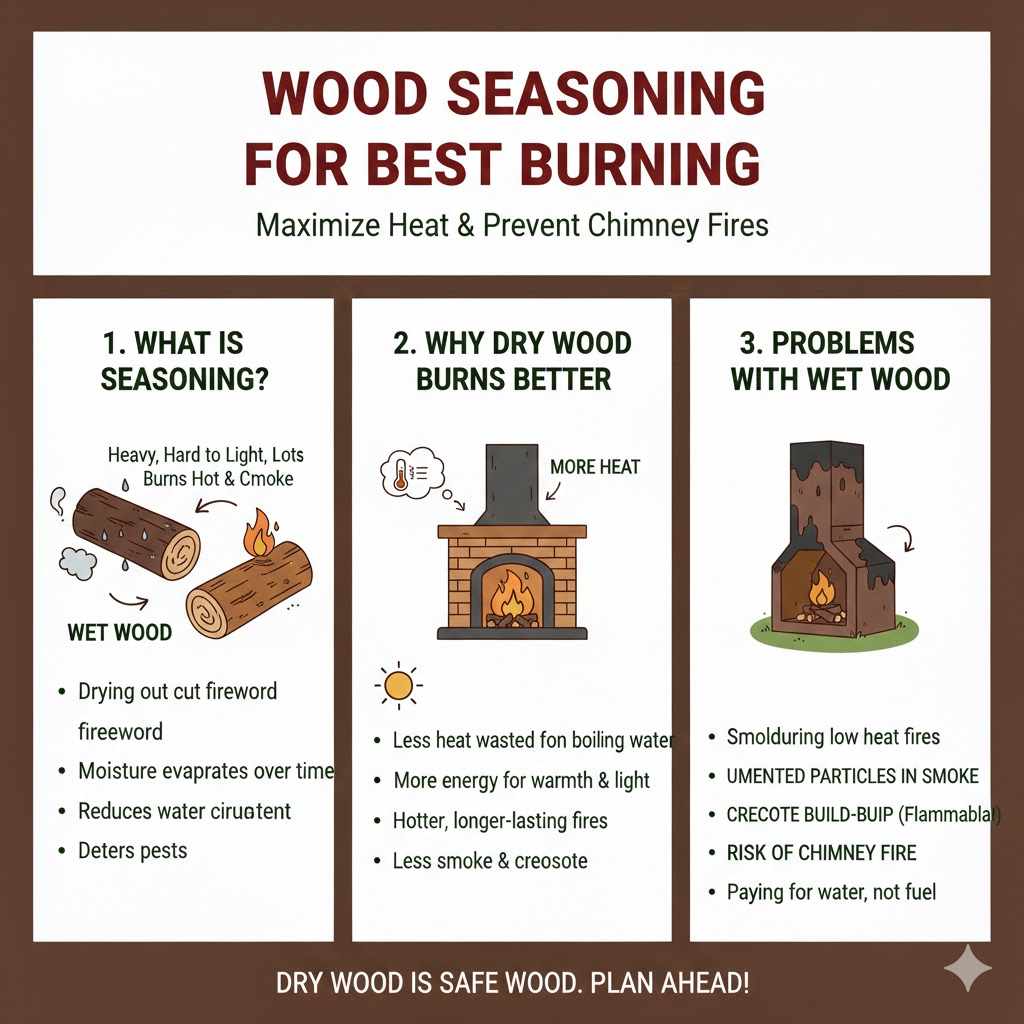
Wood seasoning is simply the process of drying out cut firewood. When wood is first cut, it holds a lot of water. This water needs to escape for the wood to burn well.
Seasoning lets this moisture evaporate into the air over time.
Think of it like a sponge. A wet sponge is heavy and doesn’t absorb much else. Wood is similar.
Wet wood is hard to light and smolders rather than burning brightly. It also produces a lot of smoke.
Dry, or seasoned, wood is much lighter. It will also snap and pop when you hold it. It’s ready to give off a lot of heat and burn cleanly.
The goal is to get the moisture content down significantly.
Why Dry Wood Burns Better
When you try to burn wood that is too wet, much of the heat you create goes into boiling off the water inside the wood. This means less heat gets released into your room for warmth. It’s like trying to boil water with a weak flame; most of the energy is used for the boiling.
Dry wood, on the other hand, has very little water to boil away. Almost all the energy from the fire is then used to produce heat and light for your home. This makes your fires hotter, last longer, and burn more efficiently.
You also get less smoke and fewer creosote build-ups in your chimney.
Problems With Burning Unseasoned Wood
Burning wood that hasn’t dried enough can be frustrating and even dangerous. It’s hard to get a good fire going. The wood will often smolder, giving off a lot of smoke but little heat.
This smoke isn’t just unpleasant; it carries unburned particles.
These particles can build up in your chimney, creating creosote. Creosote is a sticky, flammable substance. If enough creosote builds up, it can catch fire, causing a chimney fire.
This is a serious hazard that can damage your home.
Using unseasoned wood also means you’re not getting your money’s worth. You’re paying for water weight, not burnable fuel. This is why understanding seasoning is key for any wood burner.
How Long Does Wood Need to Season Before Burning?
This is the core question, and the answer depends on a few things. We will break down the typical times and the factors that influence them. This section provides the practical guidance you need to know when your wood is ready.
Typical Seasoning Times
Generally, most types of firewood need to season for at least 6 months. However, a full year is often recommended for optimal results. This long period allows the wood to lose a significant amount of its moisture content.
Hardwoods, like oak or maple, tend to take longer to season than softwoods, like pine or fir. This is because hardwoods are denser. They hold more moisture within their wood fibers.
The best way to know if wood is seasoned is by its moisture content. Ideally, firewood should have a moisture content of 15-20%. Wood with a moisture content above 20% is still considered unseasoned.
Factors Affecting Seasoning Speed
Several factors can speed up or slow down the seasoning process. The type of wood is a major one. Dense hardwoods need more time than lighter softwoods.
The way the wood is stored also plays a huge role. Wood stacked in a dry, airy place will season much faster than wood piled on the ground in a damp spot. Good airflow is essential.
The climate you live in matters too. Warm, dry, and windy conditions help wood dry out faster. Cold, damp, or humid climates will slow down the seasoning process considerably.
Even the thickness of the wood pieces can affect how quickly they dry.
Signs Your Wood Is Ready to Burn
You can tell if your wood is seasoned by a few signs. The wood will look lighter in color than when it was freshly cut. It will also feel lighter when you pick it up.
When you knock two pieces of seasoned wood together, they should make a clear, hollow sound, like a bell. Unseasoned wood will make a dull thud. This is a classic test for dryness.
The ends of the logs may show cracks or splits. This is a good sign that moisture has been escaping. You might also notice the bark is loose and can be easily pulled off.
How To Properly Season Firewood
Knowing how long to season is one thing, but doing it correctly is another. This section walks you through the best practices for stacking and storing your wood to ensure it dries thoroughly and efficiently.
Proper Stacking Techniques
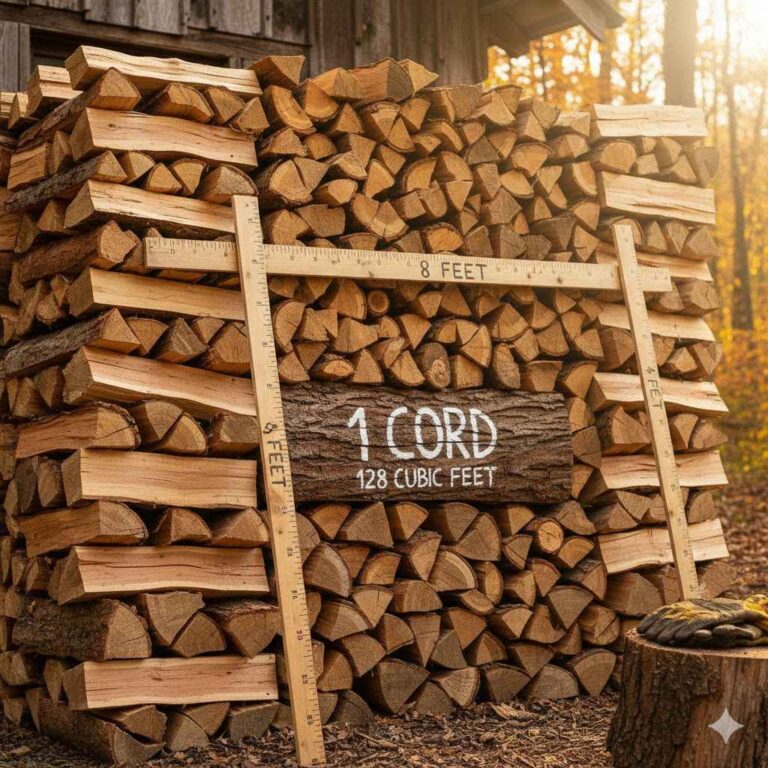
The best way to stack firewood for seasoning is in a crisscross or “rick” pattern. This allows air to flow freely through the pile. Avoid stacking wood tightly against a wall or in a solid block, as this traps moisture.
Always elevate your wood stack off the ground. Use pallets, old lumber, or purpose-built wood racks. This prevents moisture from the soil from wicking up into the bottom logs.
It also helps deter pests.
Position the stack in a location that gets good sunlight and wind exposure, if possible. Facing the wood stack towards the prevailing wind can help significantly. Ensure there is at least 4-6 inches of space between logs in the stack.
Choosing The Best Storage Location
The ideal location for seasoning firewood is an open, exposed area. This could be the side of your house, a dedicated wood shed, or an open field. The key is ample airflow in all directions.
Avoid storing wood in damp, shady areas or next to a solid building wall without air gaps. These conditions trap humidity and slow down the drying process, potentially leading to mold and rot.
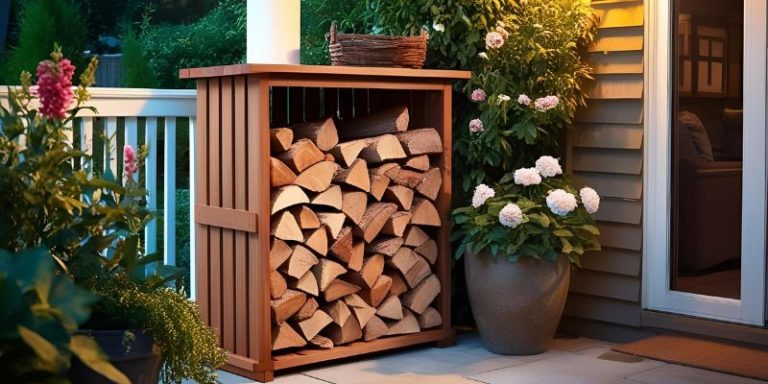
A simple wood shed with open sides is excellent. If you don’t have a shed, a good quality tarp can be used to cover the top of the stack to protect it from rain and snow, but ensure the sides remain open for ventilation.
The Role of Climate and Shelter
Climate plays a significant role in how quickly wood seasons. In drier, warmer regions with consistent breezes, wood might be ready in as little as 6 months. In humid, cooler climates, it can take 12-24 months.
Shelter is crucial, but it must allow for airflow. A roof over the stack protects it from rain and snow, which is vital. However, enclosing the sides completely will prevent air circulation and hinder seasoning.
Consider the type of shelter. A structure with open sides or a significant gap between the wall and the wood pile allows for airflow. A simple lean-to roof supported by posts is often sufficient and very effective.
Using A Moisture Meter
For the most accurate assessment, use a wood moisture meter. These inexpensive tools are inserted into the wood to measure its internal moisture content. They take the guesswork out of the process.
You should test several pieces from different parts of the stack to get a good average. Aim for a reading of 15-20%. If your meter shows readings consistently above 20%, your wood needs more time to season.
A moisture meter is a worthwhile investment for anyone serious about burning firewood. It ensures you are always burning wood that is optimally dried for efficiency and safety.
When is Firewood Seasoned Enough For Different Uses?
This part looks at how different needs might require slightly different moisture levels. While general rules apply, understanding nuances can help you get the most from your wood in various situations.
Optimal Moisture Content For Heating
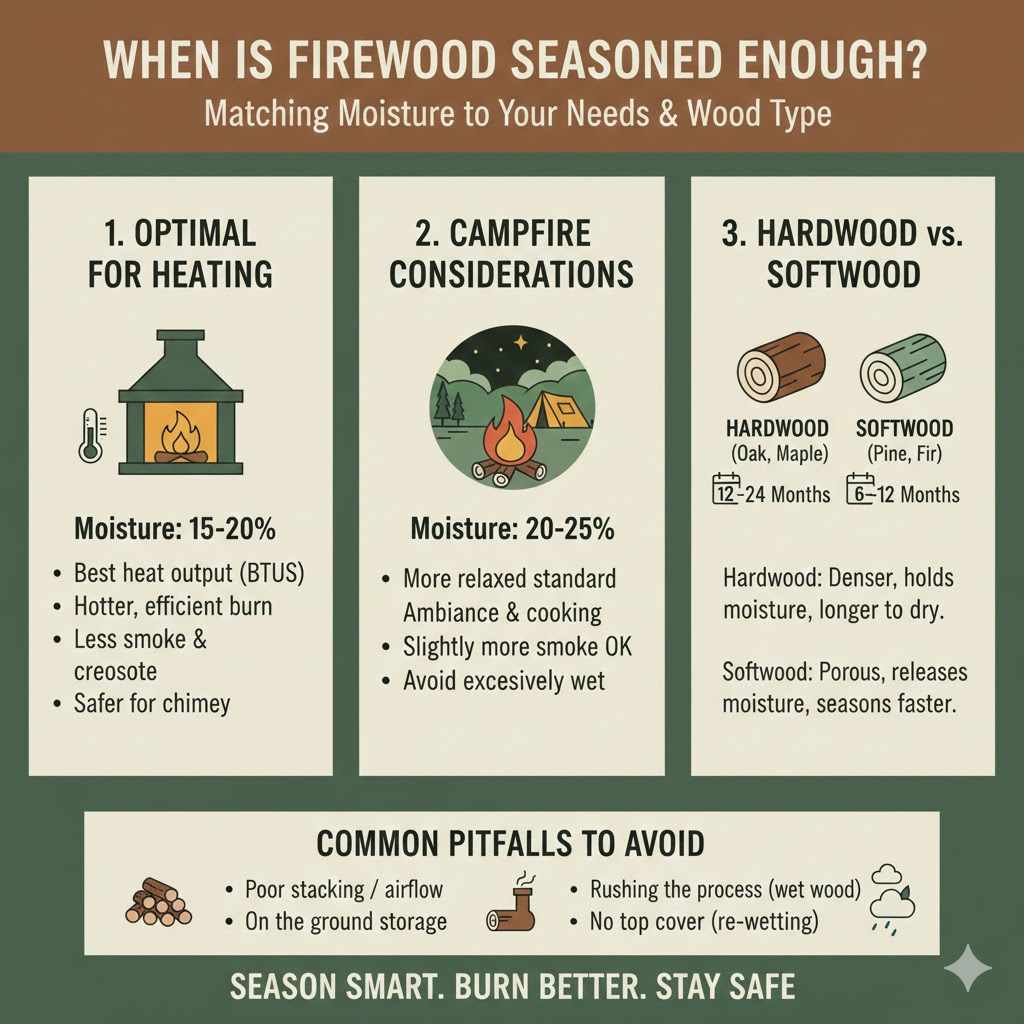
For heating your home, wood should ideally be seasoned to a moisture content between 15% and 20%. This range offers the best balance of heat output and burn time.
Wood with moisture content in this range burns hot and efficiently. It produces maximum BTUs (British Thermal Units) for warmth. It also creates less smoke and creosote, which is vital for the longevity of your chimney and stove.
If wood is too dry (below 15%), it might burn too quickly, giving you a shorter, more intense fire. If it’s too wet (above 20%), it will smolder, produce less heat, and create more creosote.
Using Slightly Wetter Wood For Campfires
For outdoor campfires or bonfires, the requirements can be a little more relaxed. While dry wood is always better, slightly wetter wood (around 20-25% moisture) can still work.
Campfires are often built with a more casual approach. A bit of extra smoke might not be as bothersome as it would be indoors. The primary goal is often the ambiance and the cooking experience.
However, even for campfires, excessively wet wood will be difficult to light and keep burning. It’s still advisable to let your wood season for at least a few months, if not longer, for the best outdoor fire experience.
Hardwood vs Softwood Seasoning Needs
Hardwoods like oak, hickory, and maple are dense. They have tighter grain structures, which means they hold moisture more stubbornly. This requires a longer seasoning period.
Softwoods such as pine, fir, and spruce are less dense. Their porous structure allows moisture to escape more easily. They typically season much faster.
For example, a hardwood might need 12-24 months to reach optimal dryness, while a softwood might be ready in 6-12 months under similar conditions. This difference is important for planning your wood supply.
Common Pitfalls to Avoid
A common mistake is not stacking wood properly, leading to poor airflow and slow seasoning. Another pitfall is storing wood directly on the ground, which invites moisture and pests.
Rushing the process is also a frequent error. People often burn wood before it’s properly seasoned, leading to smoky fires and chimney issues. It’s better to wait an extra few months than to burn wet wood.
Finally, not covering the top of the wood stack can lead to it reabsorbing moisture from rain and snow, undoing weeks or months of drying.
Frequently Asked Questions
Question: How long does pine wood need to season?
Answer: Pine is a softwood and typically seasons faster than hardwoods. Under good drying conditions, pine can be ready to burn in 6 to 12 months. Always check the moisture content, aiming for 15-20%.
Question: Can I burn wood that has only seasoned for 3 months?
Answer: It is unlikely that wood seasoned for only 3 months will be dry enough to burn efficiently. Most wood needs at least 6 months, and often a full year, to reach the optimal moisture content for burning.
Question: What happens if I burn wood that is too wet?
Answer: Burning wet wood leads to less heat output, excessive smoke, and creosote buildup in your chimney. This can be a fire hazard and reduce the efficiency of your stove or fireplace.
Question: Does splitting wood speed up seasoning?
Answer: Yes, splitting wood greatly speeds up the seasoning process. It exposes the wetter inner wood to the air, allowing moisture to escape more rapidly than from a solid log.
Question: Is it okay to bring wood inside to season faster?
Answer: Bringing wood inside your heated home is not recommended for seasoning. It can introduce pests and potentially moisture issues. Wood seasons best outdoors with good airflow and protection from direct rain.
Wrap Up
Knowing how long wood needs to season before burning is key for efficient, safe fires. Aim for 6-12 months, with hardwoods taking longer than softwoods. Always check for lightness, sound, and cracks.
Proper stacking and airflow are vital for dryness.