How Many Faucets Should I Let Drip?
Winter is a magical time, isn’t it? The snow, the cozy nights by the fire, the hot cocoa. But as someone who’s lived through enough cold snaps in the USA, I’ve learned that winter also brings some home maintenance challenges. One question that pops up every year as temperatures drop is, “How many faucets should I let drip?” It’s a simple question, but the answer can save your pipes—and your wallet—from a costly disaster. I’ve spent years figuring out the ins and outs of this topic, and I’m excited to share what I’ve learned with you. Let’s dive into why letting faucets drip matters, how many you should let drip, and the best ways to keep your home safe during freezing weather.
Why Do Faucets Need to Drip in Winter?
I remember the first time I heard about letting faucets drip. I thought, “Why would I waste water like that?” But then a neighbor had a pipe burst, and the repair bill was no joke. That’s when I started paying attention. When temperatures drop below freezing, the water inside your pipes can freeze. Water expands when it turns into ice, and that pressure can crack or burst your pipes. A small drip keeps water moving, which makes it harder for ice to form.
The science is simple. Moving water is less likely to freeze than still water. Think of a river versus a puddle. A river keeps flowing even in cold weather, while a puddle can turn into a solid sheet of ice overnight. By letting your faucets drip, you’re mimicking that river flow in your pipes. But not every faucet in your home needs to drip. Let’s figure out which ones do.
Which Faucets Should I Let Drip?
Not all faucets are created equal when it comes to winter prep. I’ve walked through my house countless times, trying to decide which faucets are most at risk. Here’s what I’ve learned. The faucets you should focus on are those connected to pipes that are exposed to cold temperatures. These are usually:
- Faucets on exterior walls: If your kitchen or bathroom sink is on an outside wall, those pipes are more likely to feel the chill.
- Faucets in unheated areas: Think basements, garages, or crawlspaces. I have a utility sink in my basement, and it’s always the first one I let drip.
- Faucets with exposed pipes: If you can see the pipes under your sink and they’re not insulated, they’re vulnerable.
But here’s the thing: you don’t need to let every faucet in your house drip. That’s a waste of water and can spike your utility bill. Focus on the ones most at risk. If you’re unsure which pipes are exposed, take a walk around your home. Feel the walls near your faucets. If they’re cold to the touch, those are the ones to prioritize.
How Many Faucets Should I Let Drip?
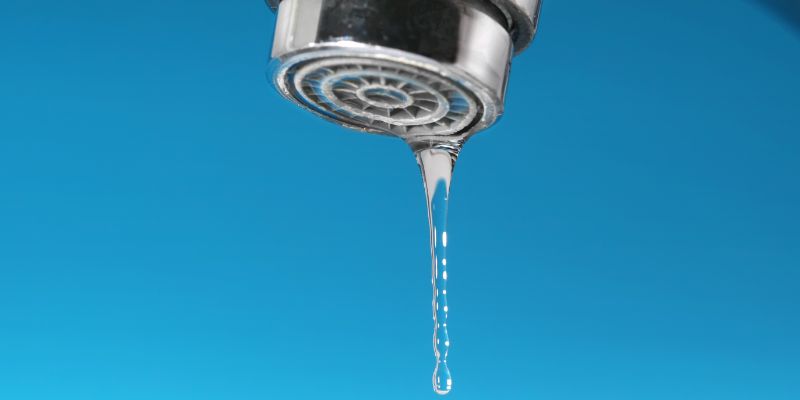
This is the big question, and I get it—it’s confusing at first. When I started doing this, I thought I had to turn on every faucet in the house. But after some trial and error (and a higher-than-expected water bill), I realized it’s about strategy, not quantity. The number of faucets you should let drip depends on your home’s layout and the weather.
In a small home or apartment, one or two faucets might be enough. For example, if you have a bathroom and kitchen on an exterior wall, letting those two drip could cover you. In a larger home, you might need to let three or four faucets drip, especially if you have pipes running through unheated areas like a basement or attic.
Here’s a quick guide I use to decide:
| Home Type | Number of Faucets to Drip | Where to Focus |
|---|---|---|
| Small apartment | 1–2 | Kitchen sink, bathroom sink on exterior wall |
| Medium-sized house | 2–3 | Kitchen, bathroom, utility sink |
| Large house | 3–5 | Exterior wall faucets, unheated areas |
The key is to know your home. I once lived in a two-story house with a bathroom upstairs on an exterior wall. That faucet was always the first to drip because the pipes were so exposed. If you’re not sure, start with the faucets on exterior walls and check your pipes for cold spots.
How Fast Should the Drip Be?
This was a game-changer for me. I used to think a drip had to be a steady stream, but that’s not true. A slow drip is usually enough to keep water moving and prevent freezing. I aim for a drip every few seconds—think of it like a leaky faucet you’d normally fix. It’s enough to keep the water flowing but not so much that you’re wasting gallons.
To get the right speed, turn the faucet on just enough to see a small, steady drip. If you’re hearing a constant trickle, it’s probably too fast. I’ve found that a drip every 2–3 seconds works well. You can test it by placing a cup under the faucet for a minute. If it’s filling up fast, slow it down. This small adjustment can save you a lot of water over a cold snap.
Should I Let Both Hot and Cold Water Drip?
This one tripped me up the first time I tried it. I thought, “Hot water doesn’t freeze, right?” Wrong. Both hot and cold water lines can freeze if they’re exposed to cold temperatures. In fact, hot water pipes can sometimes be more vulnerable because they’re used less often, so the water sits still longer.
Here’s my rule of thumb: if the faucet has separate hot and cold handles, let both drip. If it’s a single-handle faucet, set it to a neutral position so both hot and cold water lines get some flow. I’ve found that setting the handle to lukewarm works best. It’s a small step, but it ensures all your pipes are protected.
How Cold Does It Have to Be to Let Faucets Drip?
Not every winter day calls for dripping faucets. I’ve learned to check the weather forecast to know when it’s time to act. In most parts of the USA, the magic number is 32°F (0°C), the freezing point of water. But pipes can start to freeze a bit above that if the cold lasts for a while.
I start letting my faucets drip when the forecast predicts temperatures below 28°F (-2°C) for more than a few hours, especially overnight. Wind chill can also play a role. If it’s windy, pipes on exterior walls can get colder faster. I keep an eye on the weather app and start the drips the night before a big freeze. Better safe than sorry!
Other Ways to Protect Your Pipes
Letting faucets drip is a great start, but I’ve learned it’s not the only way to keep pipes safe. Over the years, I’ve picked up a few tricks that make a big difference. Here are some I swear by:
- Insulate your pipes: I bought some foam pipe insulation from the hardware store for a few bucks. It’s easy to install—just cut it to size and wrap it around exposed pipes. It’s like giving your pipes a cozy blanket.
- Open cabinet doors: I always open the cabinet doors under my kitchen and bathroom sinks during a freeze. This lets warm air from the house circulate around the pipes.
- Keep your home warm: I set my thermostat to at least 55°F, even if I’m not home. It’s tempting to turn it down to save money, but a burst pipe will cost way more.
- Shut off outdoor faucets: I drain my outdoor faucets and shut off their water supply before winter hits. This prevents water from sitting in those pipes and freezing.
These steps, combined with dripping faucets, create a solid defense against frozen pipes. I’ve never had a pipe burst since I started doing these things, and I hope you won’t either.
- Turn off the main water supply: If you’re leaving town, find your home’s main water shut-off valve and turn it off. Then, open all your faucets to drain the pipes. This is a foolproof way to prevent freezing.
- Use heat tape: I’ve used heat tape on exposed pipes in my garage. It’s an electric tape that wraps around pipes and keeps them warm. It’s a bit pricier but works like a charm.
- Add insulation to your home: If you keep getting cold spots, consider adding insulation to exterior walls or sealing drafts. I sealed a drafty window near my kitchen sink, and it made a huge difference.
These alternatives can give you peace of mind if dripping faucets isn’t practical for you.
How Much Water Does Dripping Faucets Use?
I’ll be honest—when I first started letting faucets drip, I worried about my water bill. But after tracking it for a winter, I was relieved to see it wasn’t as bad as I thought. A slow drip uses about 1–2 gallons of water per day per faucet. If you’re letting two faucets drip for a week, that’s about 14–28 gallons. To put that in perspective, a single shower can use 20 gallons.
To keep costs down, I stick to a slow drip and only do it when necessary. If you’re on a tight budget or live in an area with high water rates, try combining dripping with other pipe protection methods like insulation to reduce the number of faucets you need to drip.
What to Do If a Pipe Freezes
Despite my best efforts, I’ve had a pipe freeze once. It was a scary moment, but I learned how to handle it. If you turn on a faucet and only get a trickle or nothing at all, your pipe might be frozen. Here’s what I did:
- Turn off the water supply: This prevents damage if the pipe bursts when it thaws.
- Apply heat: I used a hairdryer to gently warm the pipe. You can also use a space heater or wrap the pipe with warm towels. Never use an open flame—it’s a fire hazard.
- Keep the faucet open: As the pipe thaws, water will start flowing again. Let it run to clear out any ice.
If the pipe is burst or you can’t thaw it, call a plumber right away. I learned that lesson the hard way when a small leak turned into a big mess.
Conclusion
Winter can be tough on your home, but knowing how many faucets to let drip can make all the difference. I’ve been through enough cold winters to know that a little preparation goes a long way. By focusing on faucets connected to exposed pipes, keeping the drip slow, and combining it with other protective measures like insulation, you can keep your pipes safe without breaking the bank. It’s not about turning on every faucet in your house—it’s about being smart and strategic. I hope my experience helps you feel confident as you prep your home for winter. Stay warm, stay safe, and here’s to a cozy season without any plumbing disasters!
Frequently Asked Questions
Should I let all my faucets drip during a freeze?
No, you don’t need to let every faucet drip. Focus on faucets connected to pipes on exterior walls or in unheated areas like basements or garages. One to three faucets is usually enough for most homes.
How much water will I waste by letting faucets drip?
A slow drip uses about 1–2 gallons per day per faucet. For two faucets over a week, that’s about 14–28 gallons. It’s a small price to pay to avoid a burst pipe, but you can reduce it by insulating pipes.
Can hot water pipes freeze too?
Yes, hot water pipes can freeze, especially if they’re not used often. Let both hot and cold water drip, or set single-handle faucets to a neutral position to protect both lines.
What temperature is too cold for my pipes?
Start letting faucets drip when the temperature drops below 28°F (-2°C) for several hours, especially overnight. Wind chill can also make pipes colder, so check the forecast.
What if I’m leaving my home during a freeze?
If you’re leaving, turn off your main water supply and drain your pipes by opening all faucets. You can also use heat tape or keep your thermostat at 55°F to prevent freezing.