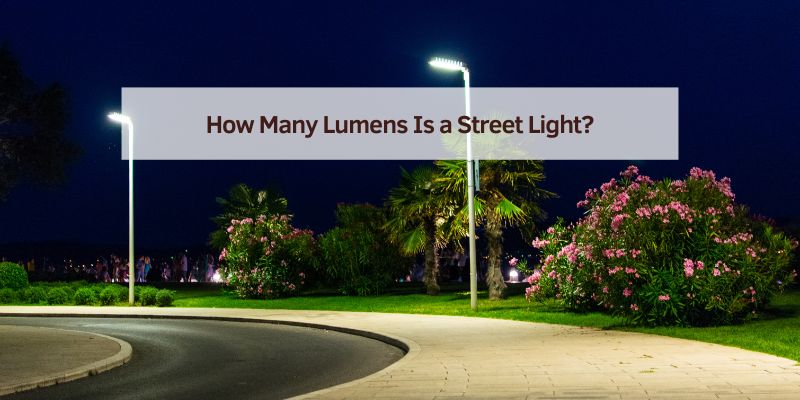
How Many Lumens Is a Street Light?
Hey there! Picture us sitting on a park bench at dusk, watching the street lights flicker on, casting a warm glow over the road. It’s a simple sight, but it got me curious: how many lumens is a street light? As someone who loves digging into the details of everyday things, especially for my automotive blog, I’ve spent hours exploring this topic.
Street lights are crucial for safe driving, and their brightness, measured in lumens, plays a big role. Let’s dive into this illuminating subject together, unraveling the science, types, and factors behind street light brightness. Trust me, it’s more fascinating than you might think!
What Are Lumens, and Why Do They Matter?
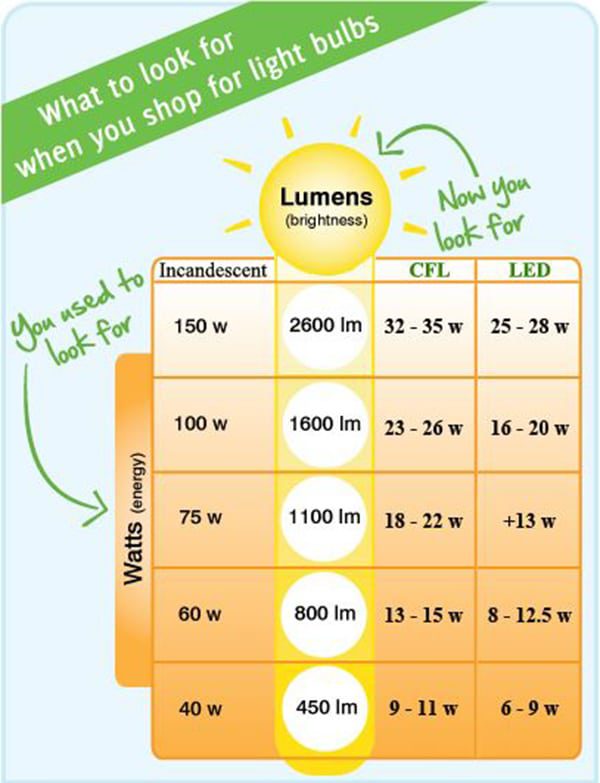
First things first, let’s talk about lumens. A lumen is a measure of how much light a source gives off. Think of it as the total “brightness” you can see. The more lumens, the brighter the light. It’s different from watts, which measure energy use. Back in the day, we’d talk about a 60-watt bulb, but now lumens tell us how bright it really is.
For street lights, lumens are super important. They determine how well drivers can see the road, spot pedestrians, or avoid obstacles. Too few lumens, and the street feels dim and unsafe. Too many, and you’re squinting from glare. Knowing lumen counts helps cities design better lighting for roads, which is why I got hooked on this question.
The Range of Lumens in Street Lights
So, how many lumens does a street light actually have? It varies a lot. Street lights aren’t one-size-fits-all. A small residential street needs less light than a busy highway. From what I’ve learned, street lights typically range from 2,000 to 50,000 lumens, depending on their purpose and location.
For example, a quiet neighborhood might have lights with 2,000 to 5,000 lumens. A main road or commercial area could use 10,000 to 20,000 lumens. High-intensity lights on freeways or intersections might hit 30,000 to 50,000 lumens. These numbers give a sense of how bright street lights need to be to keep us safe while driving.
Types of Street Lights and Their Lumen Output
Not all street lights are created equal. Different types produce different lumen levels. Let’s break down the main ones I’ve come across: incandescent, fluorescent, high-pressure sodium (HPS), metal halide, and LED. Each has its own brightness and efficiency.
Incandescent street lights are old-school and rare now. They gave off about 10-20 lumens per watt, so a 100-watt bulb might produce 1,000-2,000 lumens. Fluorescent lights were brighter, at 50-100 lumens per watt, but they’re fading out too. HPS lights, with their orange glow, are common and produce 50-150 lumens per watt, often 5,000-20,000 lumens total. Metal halide lights are whiter and brighter, hitting 65-115 lumens per watt, or 10,000-30,000 lumens.
Then there’s LED, the modern champ. LEDs crank out 100-200 lumens per watt, meaning a 100-watt LED can produce 10,000-20,000 lumens. Most new street lights are LEDs because they’re bright, efficient, and long-lasting. Knowing these types helps explain why lumen counts differ so much.
Factors That Affect Street Light Lumens
It’s not just the type of light that matters. Several factors decide how many lumens a street light needs. I found this part fascinating because it shows how much thought goes into lighting our roads.
First, there’s the road type. A narrow residential street needs fewer lumens than a multi-lane highway. Next is the pole height. Taller poles spread light over a larger area, so they need more lumens to stay bright. Spacing between poles also plays a role—closer poles can use lower-lumen lights.
Then there’s the environment. Urban areas with lots of ambient light (like from stores or cars) can get by with fewer lumens. Rural roads, where it’s pitch black, need brighter lights. Even the weather matters—foggy or rainy areas might need higher lumens for visibility. Finally, local regulations set standards for brightness to ensure safety without wasting energy.
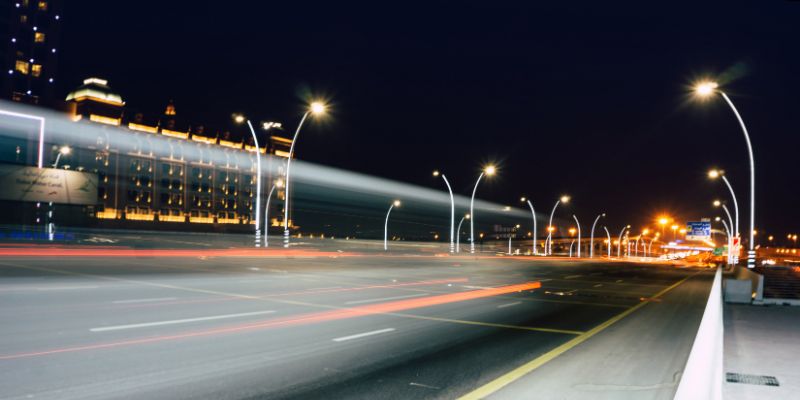
How Street Light Lumens Compare to Other Lights
To wrap your head around street light lumens, it helps to compare them to other lights. I love doing these mental comparisons because they make big numbers feel real. A standard 60-watt incandescent bulb in your home gives off about 800 lumens. A car headlight? Around 1,200-3,000 lumens per bulb, or 2,400-6,000 for a pair.
Now think about a street light with 10,000 lumens. That’s like 12 household bulbs or four car headlights combined! A 50,000-lumen freeway light is like 60 household bulbs blazing at once. These comparisons show just how powerful street lights are, designed to light up huge areas for safe driving.
Here’s a quick table to visualize it:
| Light Source | Typical Lumens | Equivalent Street Light Lumens |
|---|---|---|
| Household Bulb (60W) | 800 | ~12 bulbs = 10,000 lumens |
| Car Headlight (Pair) | 2,400–6,000 | ~4 pairs = 10,000 lumens |
| Residential Street Light | 2,000–5,000 | 1 light |
| Highway Street Light | 30,000–50,000 | 1 light |
This table makes it clear why street lights need so many lumens—they’re lighting up way more than your living room or car’s path.
Why LED Street Lights Are Taking Over
I can’t talk about street lights without gushing about LEDs. They’re changing the game. When I drive through my town, I notice more and more streets glowing with that crisp, white LED light. Why? LEDs are super efficient, producing 100-200 lumens per watt compared to HPS’s 50-150 or metal halide’s 65-115.
This means an LED street light can hit 10,000 lumens using just 50-100 watts. An HPS light might need 150-200 watts for the same brightness. Lower energy use saves cities money and cuts carbon emissions. Plus, LEDs last 50,000-100,000 hours, while HPS or metal halide might last 10,000-20,000 hours. That’s less maintenance and fewer dark streets.
LEDs also offer better control. They can be dimmed or brightened based on time or traffic, saving even more energy. The white light improves visibility for drivers, making roads safer. It’s no wonder cities are swapping out old lights for LEDs.
How Lumens Impact Driving Safety
As an automotive enthusiast, I’m all about road safety. Street light lumens directly affect how safe it is to drive at night. Low-lumen lights can leave dark patches, making it hard to see pedestrians, animals, or potholes. High-lumen lights reduce accidents by improving visibility.
But it’s not just about cranking up the lumens. Too much brightness causes glare, which can blind drivers, especially older ones. Cities aim for a sweet spot, balancing enough lumens for clarity without dazzling anyone. For example, 5,000 lumens might be perfect for a suburban street, while 20,000 lumens suits a busy intersection.
I’ve noticed this while driving at night. Well-lit roads feel safer, and I can spot hazards sooner. Poorly lit ones? I’m squinting and tense. Lumens matter for keeping us all safe behind the wheel.
Regulations and Standards for Street Light Lumens
Cities don’t just pick lumen counts randomly. There are rules and standards to follow. In the USA, groups like the Illuminating Engineering Society (IES) and the American National Standards Institute (ANSI) set guidelines. They recommend lumen levels based on road type, traffic volume, and pedestrian activity.
For example, a low-traffic residential street might need 0.3-0.6 foot-candles of light (a measure of brightness on the ground), which translates to 2,000-5,000 lumens per light. A major arterial road might need 1.2-2.0 foot-candles, or 15,000-30,000 lumens. These standards ensure roads are safe without wasting energy.
Local governments also have their own rules. Some prioritize energy efficiency, pushing for LEDs with lower lumens but better spread. Others focus on safety, opting for higher lumens in high-crime areas. It’s a balancing act, and learning about it made me appreciate the planning behind every glowing street light.
How to Find Out the Lumens of a Specific Street Light
Curious about the street light outside your house? I was, too! Finding the exact lumen count can be tricky, but there are ways. First, check the pole or fixture for a label. Some list the wattage and type (like LED or HPS), which you can use to estimate lumens based on the type’s efficiency.
If there’s no label, contact your city’s public works department. They often have records of the lighting specs. You can also look up the manufacturer’s model number online—many provide lumen data. For example, a 100-watt LED street light from a brand like Cree might list 12,000 lumens on its site.
I tried this with a light near my home and found it was a 7,000-lumen LED. It felt like solving a mini mystery! If you’re curious, give it a shot—it’s a fun way to connect with your neighborhood’s infrastructure.
The Future of Street Light Brightness
Street lights are getting smarter, and I’m excited about what’s next. Smart LEDs can adjust lumens based on real-time needs. For example, they might dim to 2,000 lumens at 3 a.m. when roads are empty but ramp up to 10,000 during rush hour. This saves energy while keeping roads safe.
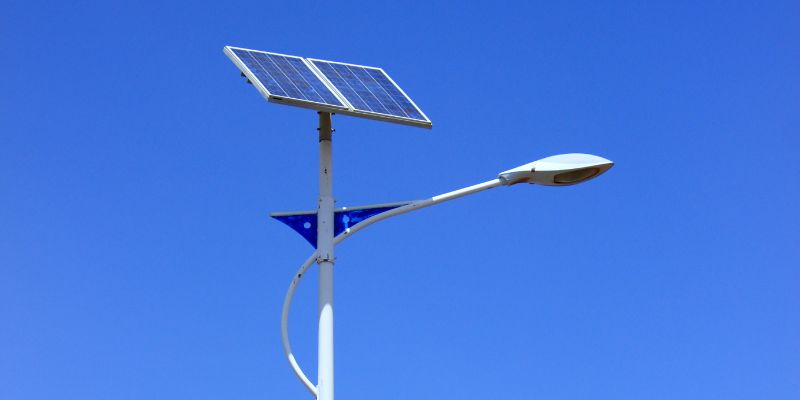
Solar-powered street lights are also popping up. They use efficient LEDs to maximize lumens from stored solar energy. Plus, new designs spread light more evenly, so fewer lumens can still light up a road well. These innovations mean brighter, safer, and greener streets in the future.
A Personal Take on Street Light Lumens
Digging into street light lumens has been an eye-opener for me. I used to take those glowing poles for granted, but now I see the science and care behind them. Every time I drive at night, I notice the brightness, the spread, and how it affects my comfort. It’s like I’m seeing the roads in a new light—pun intended!
This topic also connects to my love for cars. Good lighting makes driving safer and more enjoyable, whether I’m cruising through a quiet suburb or navigating a busy freeway. Lumens aren’t just numbers—they’re part of the driving experience.
Conclusion: Shining a Light on Our Roads
Wow, we’ve covered a lot! From the basics of lumens to the nitty-gritty of street light types, we’ve explored how many lumens a street light has. In-depth. Whether it’s 2,000 lumens for a cozy neighborhood or 50,000 for a bustling highway, these lights keep our roads safe and drivable. LEDs are leading the charge with their efficiency and brightness, and the future looks even brighter with smart, sustainable designs.
I hope this journey sparked your curiosity as much as it did mine. Next time you’re out at night, take a moment to notice the street lights. Think about the lumens lighting your way and the planning behind them. It’s a small detail that makes a big difference in our daily drives. Keep exploring the world around you, and let’s keep the roads well-lit and safe together!
FAQs
What are lumens in street lights?
Lumens measure the total brightness a street light gives off. The more lumens, the brighter the light. Street lights typically range from 2,000 to 50,000 lumens, depending on the road and light type.
How many lumens does a typical street light have?
It varies by location. Residential street lights often have 2,000-5,000 lumens. Main roads use 10,000-20,000 lumens, and highways or intersections can have 30,000-50,000 lumens.
Why are LED street lights so popular?
LEDs are popular because they’re efficient, producing 100-200 lumens per watt. They use less energy, last longer (50,000-100,000 hours), and offer better visibility with white light, making roads safer.
How do lumens affect driving safety?
Higher lumens improve visibility, helping drivers see pedestrians, obstacles, or signs. Too few lumens create dark spots, while too many cause glare. Cities balance lumens for safe, comfortable driving.
Can I find out the lumens of a street light near me?
Yes! Check the light’s pole for a label with wattage or type. Contact your city’s public works department or look up the manufacturer’s model online to find the lumen count.