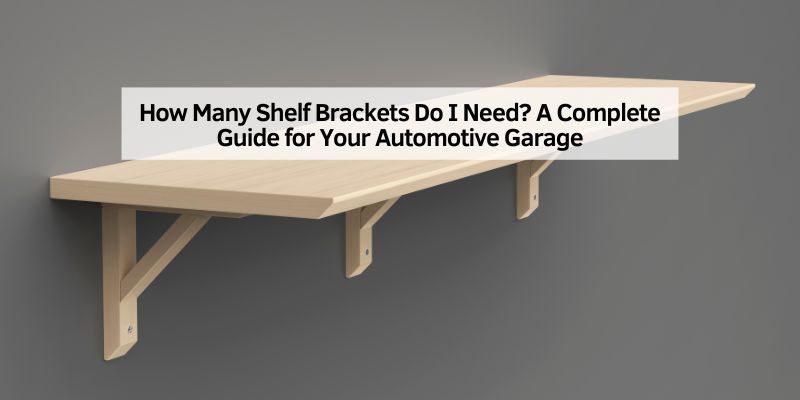
How Many Shelf Brackets Do I Need? A Complete Guide for Your Automotive Garage
Hey there, friend! If you’re like me, your garage is more than just a place to park your car—it’s a workshop, a storage hub, and a sanctuary for your automotive projects. I’ve spent countless weekends organizing my tools, car parts, and gear, and one question always pops up when I’m building shelves: how many shelf brackets do I need? It sounds simple, but getting it wrong can mean a wobbly shelf or, worse, a pile of tools crashing down.
I’ve been through the trial and error of setting up shelves in my garage, from lightweight ones for cleaners to heavy-duty ones for spare tires. I’m excited to share everything I’ve learned to help you figure out exactly how many brackets you need for a sturdy, safe setup. Let’s dive in and make your garage shelving project a breeze, like we’re planning it together over a cold drink!
Why Shelf Brackets Matter in Your Garage
Shelves are a game-changer for keeping your garage organized. I used to trip over oil cans and socket sets before I built my first shelf. But shelves are only as good as the brackets holding them up. Brackets provide the support to keep your shelves stable, whether you’re storing lightweight spray paint or heavy car batteries. Too few brackets, and your shelf might sag or collapse. Too many, and you’re wasting money and space. I’ve made both mistakes, so let’s break down how to get it right for your automotive needs.
Understanding Shelf Brackets and Their Role
First, let’s talk about what shelf brackets are. They’re the metal or plastic supports that attach your shelf to the wall or frame, holding up the weight of whatever you’re storing. I’ve used all kinds, from simple L-shaped brackets to decorative ones for my display shelves. In my garage, I stick with heavy-duty steel brackets for strength, especially for car parts.
The number of brackets you need depends on several factors: the shelf’s length, the material, the weight it’ll hold, and the wall you’re mounting it on. I’ll walk you through each one based on my own projects.
Step 1: Measure Your Shelf Length
The length of your shelf is the starting point. I learned this when I built a 6-foot shelf for my garage and assumed two brackets would do the trick—spoiler alert, they didn’t. A good rule of thumb is to place brackets every 16 to 24 inches for most shelves. Here’s how I figure it out:
- For a 2-foot shelf, I use two brackets—one near each end.
- For a 4-foot shelf, I use three brackets—one at each end and one in the middle.
- For a 6-foot shelf, I use four brackets, spaced about 18 inches apart.
- For an 8-foot shelf, I use five brackets to prevent sagging.
Longer shelves need more brackets to distribute the weight evenly. I once tried a 6-foot shelf with only three brackets, and it bowed under the weight of my toolboxes. Measure your shelf with a tape measure and jot down the length before buying brackets.
Step 2: Consider the Shelf Material
The material of your shelf affects how many brackets you need. I’ve used plywood, particleboard, and metal shelves in my garage, and each behaves differently. Here’s what I’ve learned:
- Plywood: Strong but can sag if too thin. I use ¾-inch plywood for heavy items and place brackets every 16-20 inches.
- Particleboard: Cheaper but weaker. I avoid it for heavy car parts, but for lightweight storage, I space brackets every 12-16 inches.
- Metal: Super sturdy, so I can space brackets farther apart, like 24 inches, for heavy loads.
- Wood Planks: Solid but heavy. I use extra brackets (every 16 inches) to support their weight plus the load.
I once used thin particleboard for a shelf to hold paint cans, thinking it’d be fine with two brackets. It sagged within a week. Now, I check the material’s strength and match it with the right number of brackets.
Step 3: Know the Weight Your Shelf Will Hold
This is where my automotive projects come into play. Garages hold everything from lightweight rags to heavy engine parts, so the weight matters. I categorize my shelves into three types:
| Shelf Type | Weight Capacity | Bracket Spacing | Example Items |
|---|---|---|---|
| Light Duty | Up to 50 lbs per shelf | 24 inches | Toolboxes, oil cans, and car cleaners |
| Medium Duty | 50-150 lbs per shelf | 16-20 inches | Batteries, tires, and engine parts |
| Heavy Duty | 150-400 lbs per shelf | 12-16 inches | Batteries, tires, engine parts |
For light-duty shelves, I use basic L-brackets. For heavy-duty ones, I go with reinforced steel brackets. I once underestimated the weight of a stack of tires and used only three brackets on a 4-foot shelf. It held for a day, then started to tilt. Now, I weigh or estimate the load (a bathroom scale works great) and add an extra bracket for safety if I’m close to the limit.
Step 4: Check Your Wall Type
The wall you’re mounting to is a big deal. I’ve got drywall in parts of my garage and cinderblock in others, and they require different approaches. Here’s what I do:
- Drywall: I always mount brackets into studs, which are usually 16 inches apart. I use a stud finder to locate them and place brackets accordingly. For a 4-foot shelf, I use three brackets if they align with studs.
- Cinderblock or Concrete: I use masonry anchors and space brackets based on the shelf’s length and weight, usually every 16-20 inches.
- Wood or Metal Frames: If I’m attaching to a garage frame, I’m less limited by stud placement but still follow the length and weight rules.
I made the mistake of mounting a shelf into drywall without studs once. It held for about a month before crashing down with my socket sets. Always secure brackets into something solid, and add an extra one if the wall seems weak.
Step 5: Factor in Bracket Strength
Not all brackets are created equal. I’ve used flimsy brackets that bent under light loads and heavy-duty ones that could hold a car engine. Check the weight rating on the bracket’s packaging—most say how much they can support per pair. For example, a pair of 12-inch steel brackets might hold 200 pounds, so for a 4-foot shelf with three brackets, you’re looking at around 300 pounds total capacity.
I always buy brackets rated for at least 25% more weight than I plan to store. When I built a shelf for my car batteries, I chose brackets rated for 250 pounds per pair, even though the batteries weighed about 150 pounds total. Better safe than sorry, right?
Step 6: Plan for Accessibility and Safety
This is something I didn’t think about early on. You want your shelves to be easy to reach but safe. I place brackets so they don’t block access to items. For example, on a deep shelf, I avoid putting a bracket in the middle front where I’d bang my head. I also make sure brackets are evenly spaced to prevent tipping. Once, I placed brackets too close to one end, and the shelf tilted when I loaded it with heavy tools. Now, I measure twice and test the shelf with a light load before piling on the heavy stuff.
Safety also means securing the shelf to the wall. I use wall anchors or toggle bolts to keep the shelf from pulling away, especially for heavy loads. This saved my bacon when my kid bumped into a shelf loaded with paint cans—it didn’t budge.
Step 7: Account for Shelf Depth and Height
Shelf depth and height affect bracket needs, too. Deeper shelves (12 inches or more) need stronger or more brackets because they create more leverage on the wall. I use 12-inch brackets for deep shelves holding car parts and 8-inch ones for shallow shelves with lighter items. For tall shelving units, I add extra brackets on the middle or top shelves to handle the extra weight and prevent swaying.
I built a tall shelving unit for my garage corner, and I underestimated the brackets needed for the top shelf. It started to lean when I added a spare tire. Now, I add an extra bracket for every 3 feet of height on multi-tier units.
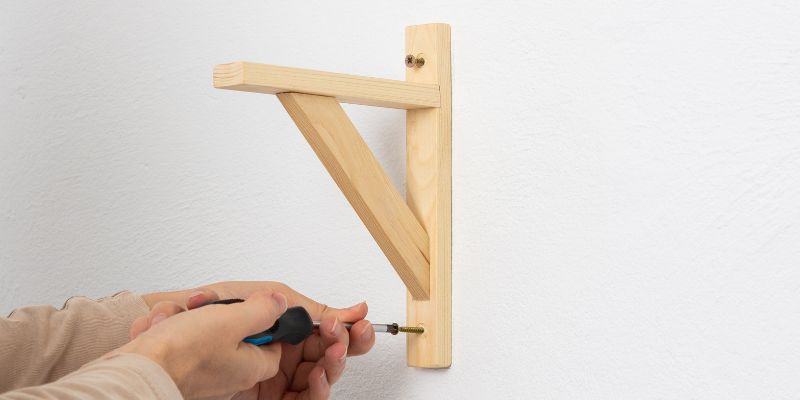
My Go-To Bracket Setup for Common Automotive Shelves
Based on my projects, here’s a quick guide for typical garage shelves:
| Shelf Size | Purpose | Number of Brackets | Bracket Type |
|---|---|---|---|
| 2 ft x 1 ft | Small parts storage | 2 | Light-duty L-brackets |
| 4 ft x 1 ft | Toolboxes, cleaners | 3 | Medium-duty steel |
| 6 ft x 1.5 ft | Tires, batteries | 4 | Heavy-duty steel |
| 8 ft x 2 ft | Engine parts, large tools | 5 | Reinforced steel |
This setup has worked for me across multiple projects, from storing spark plugs to holding a spare radiator. Adjust based on your wall type and load.
Tips from My Garage Shelving Adventures
Here are some hacks I’ve picked up:
- Buy Extra Brackets: I always grab one or two more than I think I need. It’s cheaper than a second trip to the store.
- Use a Level: I learned this the hard way—check that your brackets are level before mounting the shelf. A crooked shelf is a pain to fix.
- Label Shelves: I mark my shelves (e.g., “Tools” or “Car Parts”) to stay organized. It helps when deciding bracket placement.
- Test with Light Loads: Before loading heavy items, I put a few light things on the shelf for a day to ensure it’s stable.
- Check for Rust: In humid garages, steel brackets can rust. I spray mine with rust-resistant paint for longevity.
These tips have saved me time and frustration, especially when I was new to shelving.
Shelving for Specific Automotive Needs
In my garage, different shelves serve different purposes. For small parts like bolts and spark plugs, I use narrow shelves with light-duty brackets. For heavy items like tires or jacks, I go all out with reinforced brackets and thick plywood. If you’re displaying car models or trophies, decorative brackets add a nice touch, but I stick with sturdy ones for safety. I once built a display shelf for my model cars with fancy brackets, but I still used four to be safe.
For multi-tier shelving units, I plan each level separately. My bottom shelf holds heavy stuff like oil drums, so I use extra brackets there. The top shelf is for lighter items like rags, so I can get away with fewer. Think about what you’re storing and adjust accordingly.
Common Mistakes I’ve Made (So You Don’t Have To)
I’ve had my share of shelving disasters. Here’s what to avoid:
- Skimping on Brackets: I thought I could save money by using fewer brackets. Nope—sagging shelves aren’t worth it.
- Ignoring Studs: Mounting into drywall alone led to a collapsed shelf. Always find studs or use proper anchors.
- Overloading Shelves: I once piled too many tools on a shelf rated for less weight. It held for a bit, then cracked. Check weight limits!
- Uneven Spacing: Unevenly spaced brackets caused a shelf to tip. I now use a tape measure to space them evenly.
Learning from these mistakes has made my shelving projects rock-solid.
Why Sturdy Shelves Elevate Your Garage Game
Good shelving transforms your garage. I used to spend ages looking for tools buried under junk. Now, with shelves supported by the right number of brackets, everything has a place. It’s not just about organization—it’s about safety and efficiency. A sturdy shelf lets you focus on your car projects, whether you’re swapping spark plugs or rebuilding an engine. Plus, a tidy garage impresses your buddies when they come over to help.

Wrapping It Up: Build Shelves You Can Trust
Figuring out how many shelf brackets you need doesn’t have to be a headache. By measuring your shelf, choosing the right material, estimating the weight, and checking your wall type, you can build a setup that’s sturdy and safe. I’ve gone from wobbly, overloaded shelves to a garage that’s organized and ready for any project.
Whether you’re storing car parts, tools, or display items, the right number of brackets makes all the difference. So, grab your tape measure, pick your brackets, and build shelves that make your automotive space shine. You’ve got this, and your garage will thank you!
Frequently Asked Questions
How do I know how many brackets I need for a long shelf?
Measure the shelf length and place brackets every 16-24 inches. For a 6-foot shelf, I use four brackets to be safe, especially for heavy car parts.
Can I use cheap brackets for heavy items like tires?
I wouldn’t. Cheap brackets might bend under heavy loads. I go with heavy-duty steel brackets rated for at least 200 pounds per pair for tires or batteries.
What if I can’t find studs in my garage wall?
Use drywall anchors or toggle bolts for light shelves. For heavy loads, I’d switch to a freestanding shelving unit to avoid wall damage.
Do deeper shelves need more brackets?
Yes, deeper shelves create more leverage, so I add an extra bracket or use stronger ones. For a 2-foot-deep shelf, I space brackets every 12-16 inches.
Can I reuse old brackets for a new shelf?
If they’re in good shape, sure! I check for rust or bends first. If they’re rated for the new shelf’s weight, they’re good to go.
What’s the best shelf material for a garage?
I love ¾-inch plywood for heavy-duty shelves—it’s strong and affordable. Metal shelves are great for extra durability, but particleboard sags too easily for car parts.