How Much Does a Ceiling Fan Cost to Run: Budget Insights
Have you ever wondered how much it costs to keep your ceiling fan spinning? You might be surprised to learn that running a ceiling fan can be a cost-effective way to stay cool compared to other cooling options.
Understanding the cost to run a ceiling fan can help you make smarter decisions about your energy usage and save money in the long run. Imagine feeling comfortable in your home without worrying about sky-high electricity bills. Knowing the real cost of running your ceiling fan can empower you to use it more efficiently.
This article will break down the costs involved, giving you clear and simple insights into your energy expenses. Keep reading to discover how you can optimize your fan usage, save money, and enjoy the perfect balance of comfort and cost-effectiveness in your home.
Factors Affecting Ceiling Fan Costs
Ceiling fans have different energy efficiency ratings. A fan with a high rating uses less power. This can save you money. Look for fans with a good energy star label. They run better and cost less.
Fans have different speed settings. Higher speeds use more electricity. Use lower speeds when possible. This can keep costs down. Adjust the speed to match your needs. Balance comfort with power use.
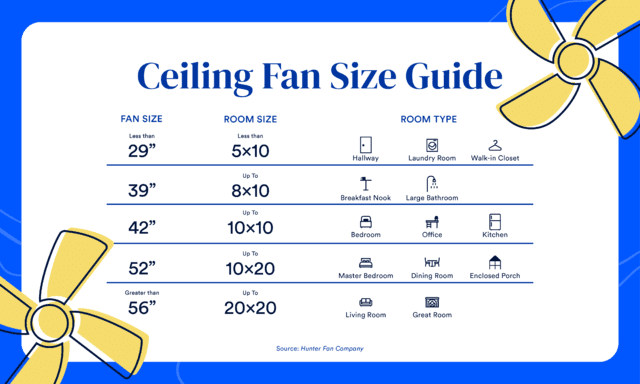
Room size affects fan cost. Big rooms need bigger fans. Bigger fans use more energy. Use a fan that fits the room. Usage also matters. Longer use means higher costs. Turn off the fan when not needed. Save energy and money.
Calculating Electricity Costs
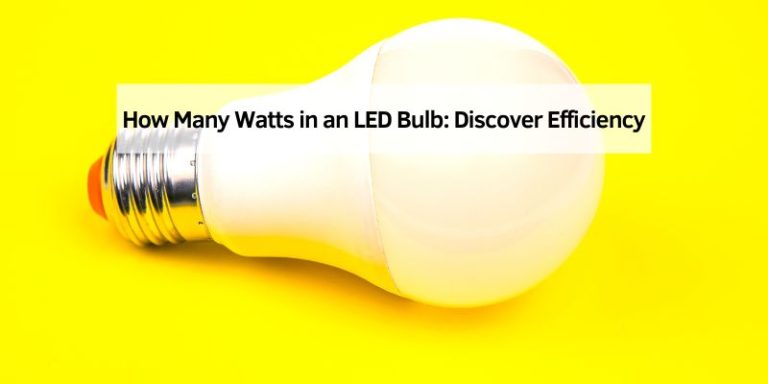
The cost of running a ceiling fan depends on kilowatt-hours (kWh). Kilowatt-hours measure electricity usage. One kilowatt-hour equals 1000 watts used in one hour. To calculate, check the fan’s wattage. Divide by 1000 to find the kilowatts. Multiply kilowatts by hours used. This gives total kWh. Multiply by cost per kWh to find total cost.
Most ceiling fans use 50 to 75 watts. Bigger fans use more watts. Smaller fans use less. Running a fan for one hour might cost pennies. Check the energy label on your fan. This helps you know exact wattage. Energy-efficient fans use less power. They save you money. Choosing the right fan can reduce electricity bills.
Comparing Ceiling Fan Models
Standard fans use more energy. They can be cheaper to buy. But they cost more to run. Energy-efficient fans save money over time. They use less power. This means lower bills. They might cost more to buy. But they save money on electricity.
Some fans have special features. These can also save energy. Look for models with smart controls. They can adjust speed. This helps save more power.
Different brands have different costs. Some brands are cheaper. Others are expensive. Cheaper brands might not last long. Expensive brands can be more reliable. They can have better features. It’s important to check reviews. Reviews help you know the fan’s quality.
Some brands offer warranties. Warranties can save money if the fan breaks. Make sure to compare prices. Also, think about long-term costs. A cheap fan might cost more in bills.
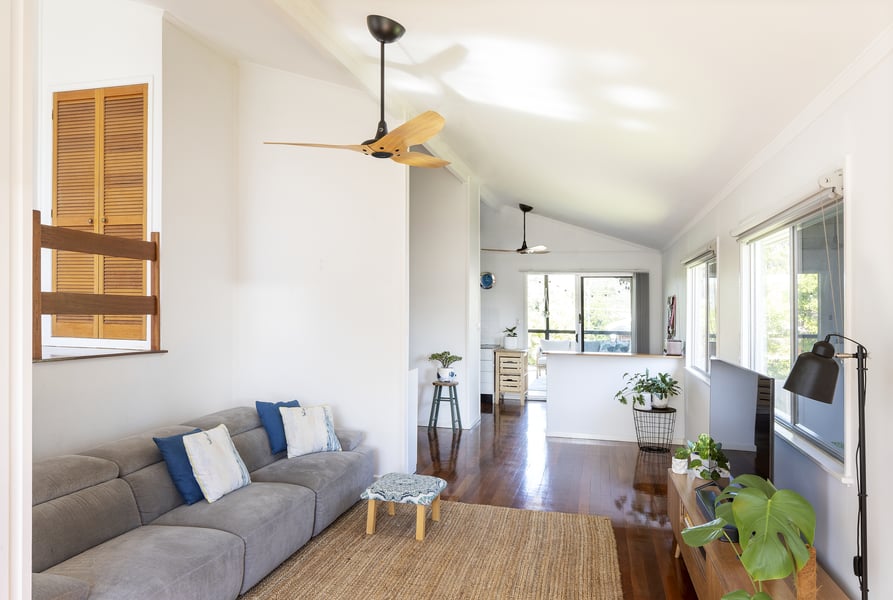
Credit: blog.bigassfans.com
Cost-saving Tips
Use the fan only when you are in the room. This helps save electricity. Turn off the fan when leaving a room. Fans cool people, not spaces. Keep speeds low to save more power. Use higher speeds only if very hot.
In summer, set the fan to turn counter-clockwise. It makes cool air go down. In winter, set it to turn clockwise. This moves warm air near the ceiling down. Saves heating costs.
Clean the fan blades often. Dust can slow down the fan. Make sure all parts are tight and working well. Lubricate moving parts to keep them smooth. This makes the fan last longer and work better.
Additional Benefits Of Ceiling Fans
Ceiling fans offer extra perks beyond cooling. They help save on energy costs by circulating air efficiently. With low electricity use, they run cheaply, making them a smart choice for any home.
Air Circulation Improvements
Ceiling fans improve air flow in rooms. This is vital for fresh air. They help reduce stuffiness. In warm weather, fans push cool air downwards. This makes the room feel cooler. Fans also help in winter. They circulate warm air. This means less need for heating. You save energy. Rooms feel comfortable all year. Plus, air circulation reduces humidity. This is great for homes in wet areas.
Supplemental Cooling
Fans work with air conditioners. They help spread cool air evenly. This means you can set the AC to a higher temperature. It saves energy and money. Fans use less electricity than ACs. They are cost-effective. You get cooler rooms without high bills. Using both fans and ACs is smart. It keeps rooms cool and saves money. Fans are quiet. They don’t disturb sleep or work. This makes them perfect for homes and offices.

Credit: www.angi.com
Frequently Asked Questions
How Much Does It Cost To Run A Ceiling Fan 24 Hours A Day?
Running a ceiling fan 24 hours costs around $0. 10 to $0. 30 per day. The exact cost depends on the fan’s wattage, electricity rates, and efficiency. For precise calculations, multiply the fan’s wattage by hours used, divide by 1,000, and multiply by your electricity rate per kilowatt-hour.
Do Ceiling Fans Run Up Your Electric Bill?
Ceiling fans use minimal electricity, costing only a few cents per hour. They help circulate air, making rooms feel cooler. This can reduce the need for air conditioning, potentially lowering your overall energy bill. Ensure fans are turned off when not in use to maximize energy savings.
How Much Electricity Does A Ceiling Fan Use In A 24 Hours Unit?
A ceiling fan typically uses between 0. 5 to 1. 5 kilowatt-hours in 24 hours. This depends on the fan’s size and speed. Energy-efficient models may consume less, lowering electricity costs. To save energy, choose fans with efficient motors and use them wisely.
Is It Expensive To Keep A Ceiling Fan Running?
Running a ceiling fan is generally inexpensive. It uses less energy than air conditioners, costing about pennies per hour. Fans improve air circulation, making rooms feel cooler, thus reducing the need for AC. Regular maintenance ensures efficient operation and keeps energy costs low.
Conclusion
Ceiling fans offer affordable cooling options. Running costs depend on fan size and usage. Larger fans use more electricity. But, they can cool bigger spaces. Smaller fans save energy in smaller rooms. It’s smart to check fan efficiency ratings. Energy-efficient fans cost less to run.
Every kilowatt hour counts. Choose the right fan for your needs. Consider how often you use it. Adjust the speed setting to save money. This small change can reduce your electricity bill. Stay cool without breaking the bank. Keep your home comfortable, efficiently.