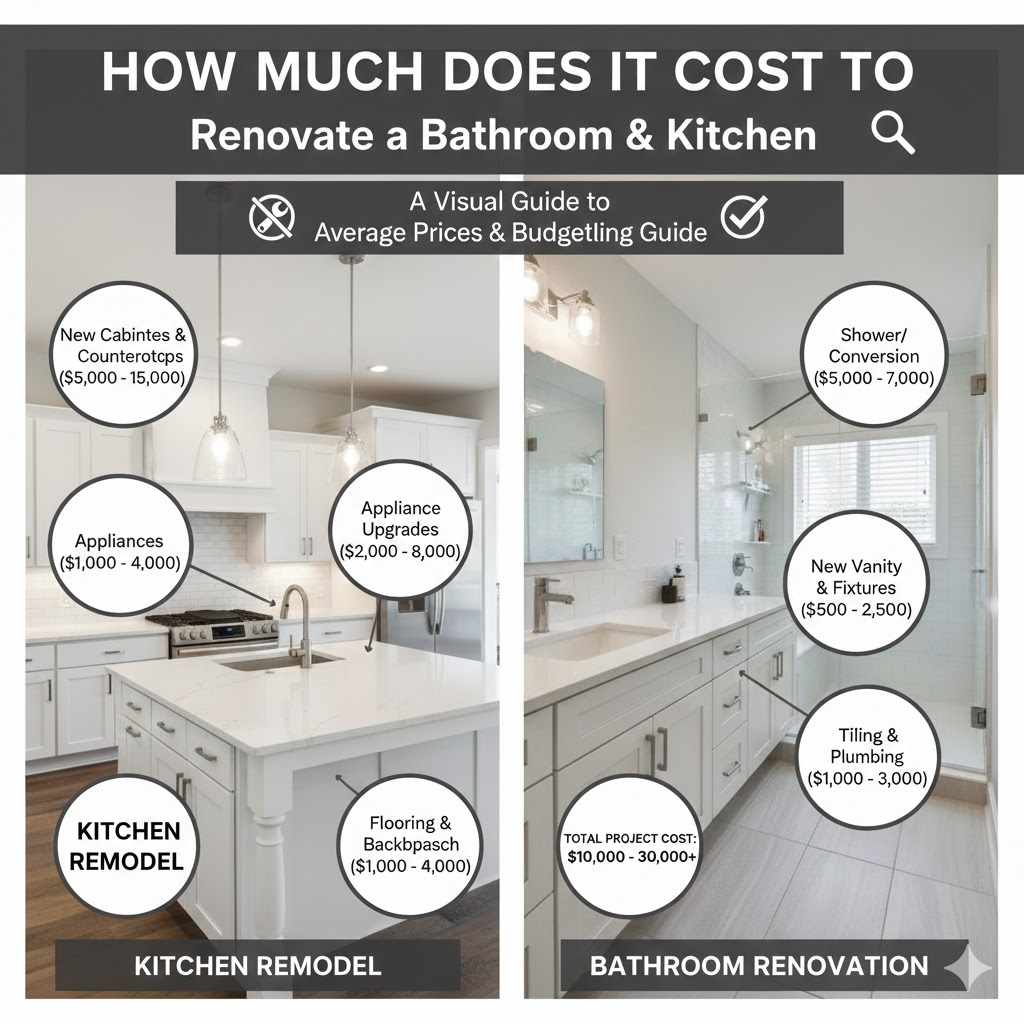
How Much Does It Cost to
Understanding Hardwood Flooring Costs
When you think about replacing carpet with hardwood, the price tag is often the first thing on your mind. This is a natural place to start because the investment can be significant. Many homeowners find this question tricky because prices aren’t fixed; they change based on many factors.
We will break down these factors so you can get a clear picture of the expenses involved.
Types of Hardwood Flooring
The kind of hardwood you choose makes a big difference in the final price. There are solid hardwood floors, which are made from a single piece of wood, and engineered hardwood floors. Engineered hardwood has a top layer of real wood over a base of plywood or other materials.
This layered construction can make it more stable in areas with changing humidity. The species of wood, its grade, and how it’s finished also play a role.
-
Solid Hardwood Flooring: This is classic hardwood. It can be sanded and refinished many times, giving it a very long life. Costs can vary widely.
For example, oak might be around $4 to $8 per square foot, while more exotic woods like Brazilian cherry could range from $7 to $15 per square foot. The thickness of the plank also affects the price. Thicker planks generally cost more.
-
Engineered Hardwood Flooring: This type is often more budget-friendly, especially for certain wood species. Prices can start around $3 to $7 per square foot. The quality of the top wood veneer is important.
A thicker veneer means it can be refinished, just like solid hardwood. It’s a great option for basements or areas where moisture might be a concern, as it’s less likely to warp.
-
Wood Species and Grade: Different wood species have different price tags. Common woods like oak and maple are usually more affordable than hardwoods like walnut or teak. The grade of the wood refers to its appearance, with fewer knots and imperfections commanding higher prices.
For instance, clear grade wood will cost more than a rustic grade with more natural markings.
Installation Labor Costs
Beyond the material, the cost of putting the new floor in place is a major part of the total. Professional installation ensures the job is done right, but it adds to the expense. The complexity of the room, the type of hardwood chosen, and the installer’s rates all affect this cost.
-
Installer Rates: Professional flooring installers typically charge by the square foot or by the hour. Hourly rates can range from $40 to $80, while per-square-foot charges might be from $3 to $8 for standard installation. More intricate patterns, like herringbone, will cost more due to the extra labor involved.
Sometimes, the quote you get is all-inclusive, covering both labor and materials, so always ask for a clear breakdown.
-
Subfloor Preparation: The condition of your subfloor is critical. If it needs repairs, leveling, or a new underlayment, these are additional costs. A damaged subfloor can lead to squeaky floors or uneven surfaces later on.
Proper preparation prevents these issues and ensures the longevity of your new hardwood. This preparation can add $1 to $3 per square foot.
-
Removal of Old Flooring: You’ll also need to factor in the cost of removing and disposing of your old carpet. This can range from $0.50 to $2 per square foot, depending on the installer and the amount of waste generated. Some installers might include this in their quote, while others will charge separately for it.
Additional Costs to Consider
There are often a few other expenses that pop up when you decide to change your flooring. Thinking about these upfront can help you budget more accurately and avoid surprises.
-
Underlayment: While not always required for solid hardwood, an underlayment is often used with engineered hardwood and is essential for moisture barriers and sound dampening. The cost for a good quality underlayment can be $0.50 to $2 per square foot. Some underlayments also offer built-in moisture protection, which is valuable.
-
Finishing and Sealing: If you choose unfinished hardwood, you’ll need to pay for sanding, staining, and sealing. This can add another $2 to $4 per square foot to the total cost. Pre-finished flooring already has these steps done at the factory, which can be more efficient but may have a higher upfront material cost.
-
Transition Strips and Trim: You’ll need special strips to connect your new hardwood to other flooring types or to finish the edges of the room. New baseboards or shoe molding might also be necessary. These small but important items can add $50 to $200 or more to your project, depending on the linear footage.
How Much Does It Cost to
The question How Much Does It Cost to
Material Costs per Square Foot
The most significant part of the cost for replacing carpet with hardwood is usually the flooring material itself. Prices can vary quite a bit based on what you choose.
-
Budget-Friendly Options: You can find decent quality engineered hardwood starting around $3 per square foot. For solid hardwood, basic oak or maple might start at $4 per square foot. These options are good for those who need to keep costs down.
-
Mid-Range Choices: For more variety in wood species or better quality veneers on engineered wood, expect to pay between $5 and $9 per square foot. This range includes popular woods like hickory or slightly more premium oak grades.
-
High-End Materials: Exotic hardwoods, premium grades of common woods, or specially finished planks can easily cost $10 to $15 or more per square foot. These often offer unique looks and superior durability.
Installation Labor Costs per Square Foot
The cost to install hardwood floors is often as much as the material itself, sometimes even more. This is because installing hardwood requires skill and precision.
-
Standard Installation: For a straightforward installation of pre-finished planks, expect to pay $3 to $6 per square foot for labor. This usually includes laying the planks and making basic cuts.
-
Complex Installation: If you want a specific pattern like a diagonal layout or a herringbone design, the labor cost can jump to $7 to $12 per square foot or higher. These patterns require more time, precise cuts, and careful alignment.
-
DIY vs. Professional: While DIY can save on labor costs, it’s a project that requires specific tools and a good understanding of flooring. For most homeowners, hiring a professional is the safer bet to ensure a beautiful and long-lasting floor.
Calculating Total Project Costs
To get an overall idea, you need to add up all the components. Let’s consider a common scenario.
Sample Scenario: A 15×20 Foot Living Room
A typical living room measuring 15 feet by 20 feet is 300 square feet. Let’s break down the estimated costs for this space.
-
Material Cost: If you choose mid-range engineered hardwood at $6 per square foot, the material cost would be 300 sq ft * $6/sq ft = $1,800.
-
Labor Cost: For standard installation at $4 per square foot, the labor cost would be 300 sq ft * $4/sq ft = $1,200.
-
Underlayment: Adding a good underlayment at $1 per square foot adds 300 sq ft * $1/sq ft = $300.
-
Carpet Removal and Disposal: Estimating $1 per square foot for this service adds 300 sq ft * $1/sq ft = $300.
-
Transition Strips and Trim: For a few linear feet, budget around $100 to $200.
In this sample scenario, the total estimated cost would be approximately $1,800 + $1,200 + $300 + $300 + $150 = $3,750.
This means the overall cost per square foot for this project would be around $3,750 / 300 sq ft = $12.50 per square foot.
Factors Influencing Hardwood Floor Replacement Cost
Several key elements can push the price of your project up or down. Understanding these factors will help you make informed decisions and get the best value.
Room Size and Layout
Larger rooms naturally cost more simply because there’s more square footage to cover with flooring. The shape of the room also matters. Rooms with many corners, angles, or tricky built-in features require more cuts and more labor, increasing the cost.
-
Square Footage: This is the most direct cost driver. More square feet equals more material and more labor. A small bathroom will cost significantly less than a large open-plan living and dining area.
-
Room Complexity: A simple rectangular room is much easier to install flooring in than a room with bays, alcoves, or irregularly shaped areas. These areas mean more intricate cuts and a slower installation process, leading to higher labor charges.
Quality of Materials Chosen
The difference between a budget-friendly engineered wood and a premium solid oak or exotic hardwood is substantial. Higher quality materials often come with better warranties, enhanced durability, and more attractive aesthetics.
| Flooring Type | Estimated Cost Per Square Foot (Material Only) |
|---|---|
| Budget Engineered Hardwood | $3 – $5 |
| Mid-Range Solid Oak | $4 – $8 |
| Premium Engineered Hardwood (Thick Veneer) | $5 – $9 |
| Exotic Hardwood (e.g., Brazilian Cherry) | $7 – $15+ |
Installer Experience and Location
The experience level of your flooring installer and your geographic location can significantly impact labor costs. Highly experienced installers often command higher rates, but their expertise can prevent costly mistakes.
-
Professional vs. DIY: While doing it yourself can save money on labor, it’s essential to be realistic about your skills and the time commitment. Mistakes can be expensive to fix, potentially costing more than professional installation in the long run.
-
Regional Pricing: Labor rates and material costs can vary by region. Areas with a higher cost of living or higher demand for renovation services may have more expensive installation fees.
Subfloor Condition
A solid, level subfloor is essential for a successful hardwood installation. If your current subfloor is uneven, damaged, or not suitable, you’ll need to address these issues before installing the new flooring.
-
Leveling and Repair: Uneven subfloors may need to be leveled with a self-leveling compound, which can cost an extra $1 to $3 per square foot. Damaged subfloors might require section replacement, adding to the expense.
-
Moisture Testing: In areas prone to moisture, like basements or rooms above unconditioned spaces, it’s crucial to test for moisture. High moisture levels can cause hardwood to warp or swell, requiring specialized underlayment or subfloor treatments.
Real-Life Examples and Cost Savings
Seeing how others have tackled this project can provide valuable insights and show you how to manage costs.
Case Study 1: Small Apartment Upgrade
A homeowner in a city apartment wanted to
-
Material Cost: 400 sq ft * $5/sq ft = $2,000
-
Labor Cost: 400 sq ft * $3.50/sq ft = $1,400
-
Underlayment & Transitions: $250
Total Cost: $2,000 + $1,400 + $250 = $3,650.
This worked out to about $9.13 per square foot. By carefully choosing materials and a competent installer, they achieved a significant upgrade without breaking the bank.
Case Study 2: Large Family Home Renovation
A family with a larger home (2,000 square feet of living space) decided to
-
Material Cost: 2,000 sq ft * $7/sq ft = $14,000
-
Labor Cost: 2,000 sq ft * $5/sq ft = $10,000
-
Subfloor Repairs & Transitions: $1,500
Total Cost: $14,000 + $10,000 + $1,500 = $25,500.
This resulted in a cost of $12.75 per square foot. For this project, the quality of the wood and the thoroughness of the installation were prioritized, leading to a higher overall investment but a premium result.
Cost-Saving Tips for Hardwood Flooring
Making smart choices can help you get beautiful hardwood floors without overspending.
-
Shop Around for Materials: Prices for hardwood flooring can differ significantly between retailers and brands. Take the time to compare prices at big box stores, local flooring shops, and online suppliers. Look for sales or clearance items, as these can offer substantial savings.
-
Consider Engineered Hardwood: If your budget is tight, engineered hardwood often provides a similar look to solid hardwood at a lower price point. It’s also more stable in environments with fluctuating humidity, making it a practical choice for many homes.
-
Look for Package Deals: Some flooring companies offer package deals that include the materials, installation, and even removal of old flooring. These can sometimes be more cost-effective than sourcing each service separately.
-
DIY Some Aspects: If you’re handy, consider tackling tasks like removing old carpet or painting baseboards yourself. This can reduce labor costs, but be honest about your abilities to avoid costly mistakes.
-
Choose Standard Plank Widths: Highly specialized or wide planks can sometimes cost more. Opting for standard plank widths can often be more budget-friendly while still providing a beautiful look.
Frequently Asked Questions
Question: How much does it typically cost to
Answer: The average cost to
Question: Is it cheaper to install hardwood or carpet?
Answer: Generally, carpet is cheaper upfront than hardwood flooring. However, hardwood floors often last much longer and can increase your home’s value, potentially making them a better long-term investment.
Question: What is the most budget-friendly type of hardwood flooring?
Answer: Engineered hardwood flooring is often the most budget-friendly option. Basic oak or maple solid hardwood is also relatively affordable compared to exotic wood species.
Question: Does removing old carpet add significant cost?
Answer: Removing old carpet typically adds $0.50 to $2 per square foot to the project cost, depending on the installer and disposal fees.
Question: Can I install hardwood floors myself to save money?
Answer: Yes, you can install hardwood floors yourself to save on labor costs. However, it requires specific tools, skills, and a significant time commitment. Many homeowners find it more practical and less risky to hire a professional.
Summary
Replacing carpet with hardwood floors is a significant home upgrade. The total cost, typically between $7 to $15 per square foot, depends on material choices like wood species and type, as well as labor expenses for installation. Factors such as room size, subfloor condition, and your location also play a role.
By carefully planning and comparing options, you can achieve beautiful hardwood floors that enhance your home.