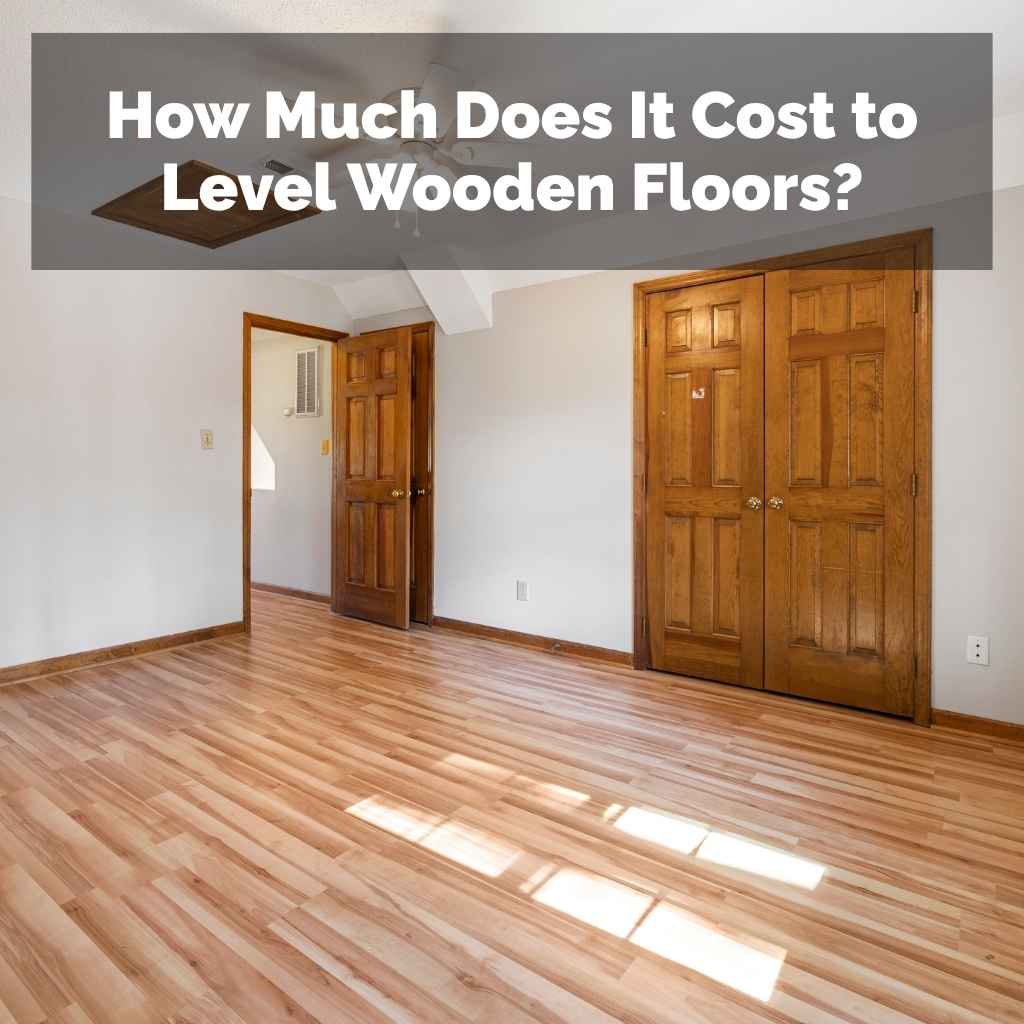
How Much Does It Cost to Level Wooden Floors?
Figuring out How Much Does It Cost to Level a Wooden Floor Near You? can feel tricky. You might wonder if your old floor can be saved or if it’s time for a new one. Many people start looking for answers and get lost in confusing details.
This guide will make it simple. We’ll walk through everything you need to know, step by step, so you can get a clear picture of the costs and what to expect.
Understanding Wooden Floor Leveling
How Much Does It Cost to Level a Wooden Floor Near You
This section explains what floor leveling is all about. It’s a process that makes your floor flat and even. Uneven floors can cause tripping hazards and make furniture wobble.
Leveling fixes these issues, making your home safer and more beautiful. We’ll cover why floors become uneven and how leveling can help.
Why Floors Become Uneven
Floors can get uneven for many reasons. Wood naturally expands and contracts with changes in humidity and temperature. This can cause planks to warp or buckle over time.
Old homes might have settling foundations, which also affects the floor’s flatness.
Another common cause is moisture. Water damage from leaks or spills can cause wood to swell and then shrink unevenly. Poor installation methods in the past can also lead to a floor that wasn’t level to begin with.
Term explanation: Warping is when wood bends or twists out of its natural shape. This often happens due to moisture or uneven drying. It makes the surface uneven and can create gaps between floorboards.
Term explanation: Buckling is when floorboards lift upwards, often in the middle. This is usually caused by wood expanding too much and having nowhere to go, creating pressure. It results in noticeable humps across the floor.
The Process of Leveling a Wooden Floor
Leveling a wooden floor involves addressing the low and high spots. This can be done in a few ways. Sometimes, it’s as simple as adding a self-leveling compound over the existing subfloor before laying new flooring.
For more severe issues, it might involve sanding down high spots or adding shims to raise low spots. In extreme cases, the old subfloor might need to be replaced or reinforced.
Term explanation: Self-leveling compound is a cement-based material. When mixed with water, it flows easily and creates a smooth, flat surface. It’s great for filling small dips and cracks.
Term explanation: Shims are thin wedges of wood or plastic. They are used to fill small gaps and adjust the height of floorboards or structural elements to make them level.
Common Problems Addressed by Leveling
-
Tripping hazards: Uneven surfaces create risks of tripping and falling. Leveling makes walking safer.
-
Wobbly furniture: Tables and chairs might not stand steady on an uneven floor. A flat floor ensures stability.
-
Poor aesthetic appeal: A bumpy or wavy floor looks unappealing and can make a room feel unfinished.
-
Difficulty installing new flooring: If you plan to install new flooring like carpet or vinyl, it needs a level subfloor. Unevenness can cause the new material to wear out faster or look bad.
Factors Affecting Floor Leveling Costs
How Much Does It Cost to Level a Wooden Floor Near You
Several things influence the final price for leveling your wooden floor. The size of the area needing work is a major factor. Larger rooms mean more material and labor.
The degree of unevenness also matters; severely warped floors take more effort to fix.
The type of leveling method used will also impact the cost. Simple fixes are cheaper than complex structural repairs. Lastly, your location can play a role, as labor rates vary by region.
We’ll explore these points in more detail.
Room Size and Square Footage
The bigger your room, the more it will cost to level. Contractors usually charge by the square foot. A small bedroom will be much less expensive than a large living room or an entire house.
For example, leveling a 100-square-foot area might cost $500-$1000, while a 1000-square-foot area could range from $5,000-$10,000 or more.
Term explanation: Square footage refers to the total area of a space measured in square feet. It is calculated by multiplying the length of the room by its width.
Severity of Unevenness
A floor with only minor dips and humps will be cheaper to fix than one that is severely warped or has significant height differences between boards.
Slight unevenness might only require a thin layer of leveling compound or some sanding. Major issues could involve replacing parts of the subfloor or using multiple leveling techniques, increasing labor and material costs.
Severity Levels and Potential Costs
-
Minor Unevenness (less than 1/4 inch difference): Often fixable with sanding or a thin self-leveling compound. Costs might be on the lower end, perhaps $2-$5 per square foot.
-
Moderate Unevenness (1/4 to 1/2 inch difference): May require thicker leveling compounds or some minor subfloor adjustments. Costs could range from $5-$10 per square foot.
-
Severe Unevenness (more than 1/2 inch difference): Often involves significant subfloor repair, reinforcement, or complete replacement. Costs can be $10-$20+ per square foot.
Labor Costs and Contractor Rates
The hourly or daily rates charged by flooring professionals are a significant part of the total cost. These rates vary based on the contractor’s experience, reputation, and location.
More experienced and reputable contractors often charge more, but they also tend to provide higher quality work and reliability. Always get quotes from multiple professionals.
Term explanation: Labor costs are the wages paid to workers for their time and skills. For floor leveling, this includes the time spent assessing the floor, preparing the area, applying leveling materials, and cleaning up.
Term explanation: Contractor rates are the prices that companies or individual tradespeople charge for their services. These can be an hourly rate, a daily rate, or a fixed project price.
Materials Used for Leveling
The cost of materials like self-leveling compounds, underlayment, or any necessary subfloor repair materials adds to the overall expense. Higher quality or specialized materials will naturally cost more.
For instance, a basic cementitious self-leveling compound might cost $20-$50 per bag, while advanced polymer-based compounds could be $60-$100+ per bag. The amount needed depends on the area and the depth of the unevenness.
Term explanation: Underlayment is a layer placed between the subfloor and the finished flooring. It can provide cushioning, insulation, and help with minor imperfections in the subfloor, though it’s not a primary leveling solution for major issues.
Geographic Location
Where you live significantly impacts the price. Major metropolitan areas often have higher labor costs and overhead for contractors compared to rural areas. This is why asking How Much Does It Cost to Level a Wooden Floor Near You? is so important.
For example, a contractor in New York City might charge $150 per hour, while a contractor in a smaller town might charge $75 per hour for similar work.
Typical Cost Breakdown and Estimates
How Much Does It Cost to Level a Wooden Floor Near You
Getting a clear picture of the costs involved helps with budgeting. While prices vary, we can look at typical ranges for different scenarios. Understanding these numbers will help you prepare for quotes and make informed decisions.
We will break down the costs for small, medium, and large projects, including material and labor estimates. This will give you a more concrete idea of what to expect.
Cost Estimates for Small Areas
For a small area, like a hallway or a small room (e.g., 50-150 square feet), the cost for leveling can be quite manageable. This usually involves minor repairs or a thin application of leveling compound.
The price might range from $300 to $1,000, depending on the contractor and the specific issue. This estimate typically includes basic materials and labor.
Example Scenario: Small Hallway Leveling
-
Assessment: A contractor inspects a 40 sq ft hallway and finds minor warping.
-
Preparation: They clean the area and apply a primer.
-
Leveling: A thin layer of self-leveling compound is applied.
-
Curing: The compound needs to dry for 24-48 hours.
-
Total Cost: Estimated between $300 – $500.
Cost Estimates for Medium Areas
For a medium-sized room, such as a living room or master bedroom (e.g., 150-400 square feet), costs will naturally be higher. This could involve more substantial leveling or some subfloor work.
Expect to spend between $1,000 and $3,000. This range accounts for more material and a longer labor time.
Term explanation: Primer is a preparatory coating applied to surfaces before painting or applying other finishes. In floor leveling, a primer helps the leveling compound adhere better to the subfloor.
Cost Estimates for Large Areas or Whole Homes
If you need to level a large open-plan living area, multiple rooms, or an entire house (e.g., 400+ square feet), the costs can escalate significantly.
For larger projects, the price can range from $3,000 to $10,000 or more. This often involves more complex repairs, potentially replacing parts of the subfloor, and extensive labor.
Statistics on Flooring Repair Costs
According to a report by HomeAdvisor, the average cost to level a floor in the US is around $1,200. However, this average can span from as low as $500 for simple fixes to over $3,000 for more involved projects.
Another survey indicated that about 30% of homeowners who undertook floor leveling projects spent between $1,000 and $2,500, highlighting the commonality of mid-range costs for such repairs.
Potential Additional Costs
Sometimes, unexpected issues arise during the leveling process. These can lead to additional expenses.
-
Subfloor Repair: If the subfloor is rotten, damaged, or structurally unsound, it will need to be repaired or replaced, adding to the cost. This could add $500 to $2,000 or more depending on the extent of the damage.
-
Removal of Old Flooring: If you need to remove existing flooring before leveling, there will be extra labor and disposal costs, potentially $1-$3 per square foot.
-
Moisture Testing: If moisture is suspected, testing might be needed, which can cost $100-$300.
DIY vs. Professional Floor Leveling
How Much Does It Cost to Level a Wooden Floor Near You
Deciding whether to tackle floor leveling yourself or hire a professional is a key decision. Both options have pros and cons, especially when considering the cost and complexity.
DIY can save money on labor, but it requires skill, time, and the right tools. Professional work guarantees expertise and often comes with a warranty.
DIY Floor Leveling
For very minor issues, DIY floor leveling might be feasible. This typically involves using a self-leveling compound. You’ll need to purchase the materials, rent any necessary tools, and dedicate time to the project.
The cost of materials for a DIY project can range from $100 to $500 for a small to medium area, plus tool rental fees. However, mistakes can be costly and may require professional help to fix.
Term explanation: DIY stands for “Do It Yourself.” It means performing a task or project without the help of a professional.
When to Hire a Professional
For most situations, especially if the unevenness is significant, hiring a professional is highly recommended. They have the experience, specialized tools, and knowledge to identify the root cause of the problem and fix it correctly.
Professionals can ensure the leveling is done to the correct standards, preventing future issues. Their work is often backed by warranties, offering peace of mind.
Pros of Hiring a Professional
-
Expertise and Experience: Professionals know how to assess and fix various types of floor issues accurately.
-
Proper Tools and Equipment: They have access to specialized tools that make the job efficient and effective.
-
Time Savings: Professionals can complete the job much faster than a DIYer.
-
Warranty and Guarantee: Reputable contractors offer warranties on their work, providing assurance.
-
Avoidance of Costly Mistakes: Incorrect leveling can lead to more expensive repairs down the line. Professionals minimize this risk.
Getting Quotes and Choosing a Contractor
When seeking professional help, it’s wise to get quotes from at least three different contractors. This allows you to compare prices, services, and timelines.
Always check the contractor’s reviews, ask for references, and ensure they are licensed and insured. A good contractor will provide a detailed written estimate outlining all costs involved.
Term explanation: Licensed and insured means a contractor has met the legal requirements to operate in their field and carries insurance to cover potential damages or accidents during a job.
Sample Contractor Questions
-
Can you provide a detailed written estimate for leveling my floor?
-
What is your experience with leveling wooden floors, especially with ?
-
Do you offer a warranty on your leveling work?
-
What is your estimated timeline for this project?
-
Are you licensed and insured?
Preparing Your Floor for Leveling
How Much Does It Cost to Level a Wooden Floor Near You
Before any leveling work begins, proper preparation is crucial for a successful outcome. This ensures the leveling materials adhere well and the subfloor is in the best condition for the repair.
This involves clearing the area, cleaning the subfloor, and addressing any immediate issues like loose boards or debris. Following these steps can save time and prevent problems during the main job.
Clearing the Work Area
The entire area where the leveling will take place must be completely cleared. This means removing all furniture, rugs, and any other items from the room.
This allows the contractor unobstructed access to the entire floor surface. It also prevents damage to your belongings during the leveling process.
Cleaning the Subfloor
The subfloor must be thoroughly cleaned. Any dust, dirt, debris, paint, or old adhesive must be removed. A clean surface is essential for the leveling compound to bond properly.
A shop vacuum is typically used for this task, followed by sweeping. In some cases, a mild cleaning solution might be needed, but the floor must be completely dry before proceeding.
Term explanation: Subfloor is the foundational layer of flooring that lies directly beneath the finished floor (like hardwood, carpet, or tile). It’s typically made of plywood or oriented strand board (OSB).
Addressing Loose Boards or Damage
Any loose floorboards or damaged sections of the subfloor need to be secured or repaired before leveling. Loose boards can cause squeaks and shifting, undermining the leveling effort.
Screwing down loose boards or replacing damaged sections ensures a stable base for the leveling compound. This step is vital for the longevity of the leveled floor.
Steps for Preparing a Subfloor
-
Remove all furniture and belongings from the room.
-
Sweep and vacuum the entire floor to remove loose dirt and debris.
-
Inspect for any loose or squeaky floorboards and secure them with screws.
-
Check for any damaged or rotten sections of the subfloor and repair or replace them.
-
Wipe down the subfloor with a damp cloth if necessary, ensuring it dries completely.
-
Apply a primer if recommended by the leveling compound manufacturer.
Frequently Asked Questions
Question: How long does it take to level a wooden floor?
Answer: The time it takes depends on the size of the area and the severity of the unevenness. Simple leveling of a small room might take a day, including drying time. Larger or more complex projects can take several days to over a week.
Question: Can I level a wooden floor myself?
Answer: For very minor imperfections, you might be able to use a self-leveling compound. However, significant issues require professional expertise and tools. It’s generally best to hire a professional for most floor leveling jobs.
Question: Will leveling my floor fix squeaky floors?
Answer: Leveling itself doesn’t directly fix squeaky floors, but securing loose boards during the preparation phase can. The primary purpose of leveling is to create a flat surface, not to eliminate squeaks.
Question: How much does it cost to level a 200 sq ft room?
Answer: For a 200 sq ft room, you can expect costs to range from $800 to $2,000, depending on the extent of the unevenness, the materials used, and your local labor rates.
Question: Is it better to level or replace a wooden floor?
Answer: If the wooden floor is structurally sound but just uneven, leveling is often a cost-effective solution. If the wood is extensively damaged, rotten, or beyond repair, replacement might be the better option.
Summary
Understanding How Much Does It Cost to Level a Wooden Floor Near You? involves looking at room size, the floor’s condition, materials, and labor rates. Small fixes might cost a few hundred dollars, while larger, complex jobs can run into thousands. Professionals offer expertise to ensure a job well done.
Proper preparation is key for any leveling project, whether done yourself or by a pro. Planning ahead helps you budget accurately for a smoother, safer floor.