How to Board Up Sliding Glass Doors with Plywood
Boarding up sliding glass doors with plywood might sound tricky, especially if you’ve never done it before. Many people find it a bit challenging because glass doors can seem fragile and big. But don’t worry!
This guide will show you exactly how to do it easily, step by step. We’ll break down How to Board Up Sliding Glass Doors with Plywood so anyone can get it done right.
Protecting Sliding Glass Doors With Plywood
This section will cover the essential steps for securing your sliding glass doors. We’ll discuss why this is important and what you need to prepare. Taking these steps helps keep your home safe when you need it most.
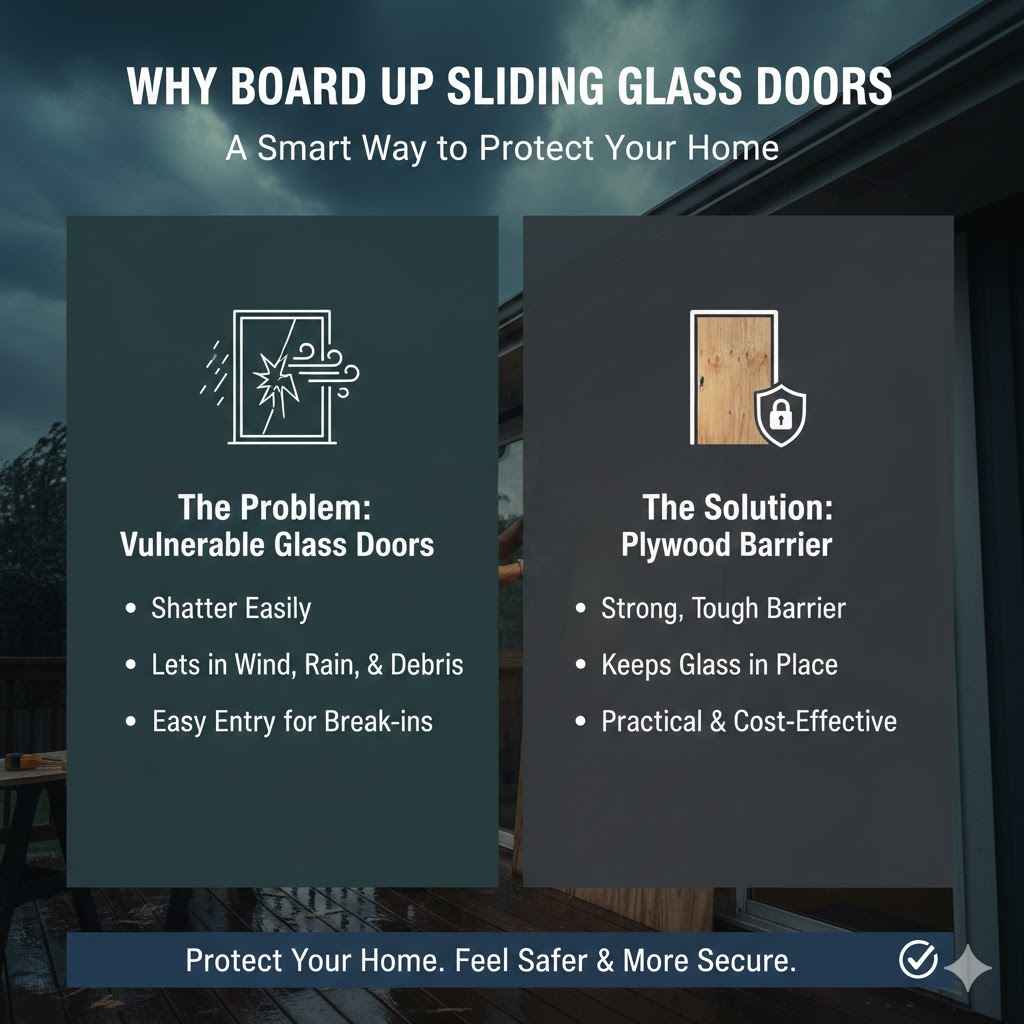
Why Board Up Sliding Glass Doors
Boarding up sliding glass doors is a smart way to protect your home. It’s often done for security reasons, like before a storm hits or if you’re worried about break-ins. Glass doors can shatter easily, letting in wind, rain, or unwanted visitors.
Plywood offers a strong, tough barrier that keeps the glass in place and stops outside elements from getting inside.
It’s a practical and cost-effective measure that many homeowners and renters can do themselves. You don’t need to be a construction expert to get this done. With the right tools and materials, you can create a secure shield for your glass doors.
This makes your home feel safer and more protected.
Gathering Your Materials
Before you start, make sure you have everything you need. This will make the job go much smoother. Having all your supplies ready means you won’t have to stop and run to the store halfway through.
Plywood Sheets: You’ll need plywood that is at least 1/2 inch thick. The size depends on your door. You might need one large sheet or several smaller ones to cover the entire door and frame. It’s better to have a little extra than not enough. Measure your door carefully before buying.
Plywood thickness is very important for strength. A thinner plywood might bend or break under pressure. For most home protection needs, 1/2 inch is a good minimum.
For areas facing very strong storms or higher security risks, you might consider 3/4 inch plywood. Make sure the wood is also good quality, without too many knots or weak spots.
Measuring Tape: A standard tape measure is essential for getting the exact dimensions of your door. Accuracy here prevents gaps or needing to cut wood again later.
A measuring tape is a simple tool, but it’s the first step to getting the right fit. Measure the height and width of the glass panel itself, and also the frame around it if you plan to cover the whole door unit. Double-check your measurements.
It’s a good habit to measure twice and cut once.
Saw: A circular saw or a hand saw is needed to cut the plywood to the correct size. If you’re not comfortable using a power saw, a hand saw can work, but it takes more effort.
A circular saw is efficient for cutting plywood quickly and accurately. Always use a sharp blade for cleaner cuts. If you use a hand saw, ensure it has fine teeth for smoother results on plywood.
Safety is key when using any saw. Wear safety glasses.
Screws: You’ll need strong wood screws, about 1 1/2 to 2 inches long. These will hold the plywood securely to the door frame.
Using the right screws is vital for a strong hold. Wood screws are designed to grip wood well. Make sure they are long enough to go through the plywood and firmly into the door frame.
Galvanized or exterior-grade screws will resist rust if the plywood gets wet.
Drill and Drill Bits: A drill is needed to make pilot holes and drive the screws. You’ll need drill bits that are slightly smaller than your screws for pilot holes.
A cordless drill offers convenience and power. Using a drill bit that’s slightly smaller than your screw helps prevent the wood from splitting when you drive the screws. This is especially important near the edges of the plywood.
Having a few different sizes of drill bits can be helpful.
Safety Gear: This includes safety glasses and work gloves. You might also want a dust mask if you’re doing a lot of sawing.
Your safety is the most important thing. Safety glasses protect your eyes from flying sawdust and wood chips. Work gloves prevent splinters and cuts.
A dust mask is a good idea to avoid breathing in fine wood particles, especially if you’re working in a confined space or have allergies.
Preparing the Plywood Panel
Once you have your materials, the next step is to get the plywood ready. This involves measuring and cutting it to fit your sliding glass door perfectly. A good fit makes the boarding much more effective.
Measuring the Door Opening
Carefully measure the dimensions of the sliding glass door that you want to cover. You’ll need to know the exact height and width. If you are covering the entire door unit, measure the outer frame as well.
Most sliding glass doors have a fixed outer frame and a movable inner panel. Measure the size of the glass panel itself. Then measure the width and height of the entire door frame.
It’s often best to cover the whole door unit, including the frame, for maximum protection.
Cutting the Plywood to Size
Transfer your measurements to the plywood sheet. Use a pencil to mark the cutting lines clearly. If you are covering only the glass, you will cut the plywood to the size of the glass.
If you are covering the whole door, you will cut it to the size of the entire door frame.
When cutting, ensure your saw follows the lines precisely. A straight, clean cut makes for a snug fit. If your door is larger than standard plywood sheets, you might need to join two pieces together.
You can do this by overlapping them slightly or using a piece of wood as a brace on the back.
A common scenario is needing to cover a standard 72-inch by 80-inch sliding glass door. For this, you might need two sheets of 4×8 plywood, cut to fit. Or, if you want to cover just the glass panel, measure that specific area.
How to Attach Plywood to Sliding Glass Doors
Now comes the part where you actually attach the plywood. This needs to be done securely so it won’t move. There are a few ways to do this, depending on your door and frame.
Option 1 Securing to the Door Frame
This is the most common and secure method. You will attach the plywood directly to the frame that surrounds your sliding glass door.
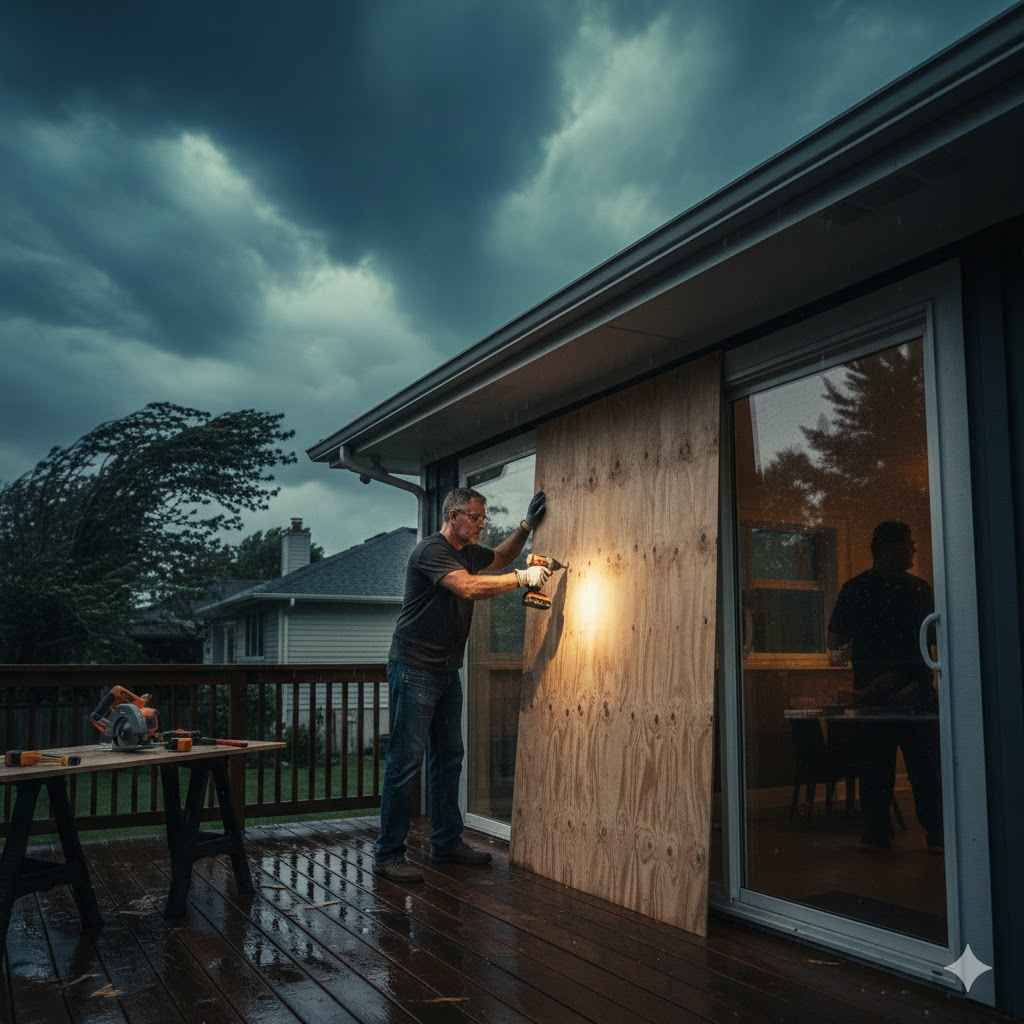
- Position the cut plywood panel against the outside of the sliding glass door. Make sure it covers the glass completely and sits flush against the frame.The goal is to create a solid barrier. The plywood should align perfectly with the edges of the door frame. Check that there are no large gaps where wind or debris could enter.
- Use your drill to make pilot holes through the plywood and into the door frame. Space these holes about 6 to 8 inches apart.Pilot holes are crucial. They make it easier to drive the screws and prevent the wood from splitting, especially near the edges. The pilot hole should be slightly smaller than the screw’s diameter.
- Drive the wood screws through the pilot holes to secure the plywood firmly to the frame.Use enough screws to ensure the plywood is held tightly. Don’t overtighten the screws, as this can strip the wood or damage the frame. The plywood should feel solid and stable when you push on it.
Consider using longer screws if your door frame is made of a thicker material like solid wood or metal. For lighter frames, shorter screws might suffice. The key is a strong, reliable attachment.
Option 2 Using Brackets for Extra Support
For added strength, especially in areas prone to high winds or severe weather, you can use metal brackets. These can reinforce the plywood attachment.
- Attach L-shaped metal brackets to the edges of the plywood before you attach it to the door. Use screws to fasten the brackets to the plywood.These brackets add structural integrity. They act like extra anchors, distributing the force across a larger area of the plywood and frame.
- Then, position the plywood and screw the brackets directly into the door frame. This provides a more robust connection.This method is especially useful if the door frame material is not very strong or if you need a very secure hold. The brackets offer a secondary point of attachment, giving you peace of mind.
Option 3 Temporary Attachment Methods
In some situations, you might need a quicker, temporary solution. You can use strong straps or heavy-duty tape, but these are less secure than screws for long-term protection.
Straps can be useful for very short-term needs, like securing plywood for a few hours.
They can be looped around the plywood and the frame. Heavy-duty tape can also help seal edges, but it’s not designed to hold significant weight or pressure. These methods are generally not recommended for serious storm protection.
Securing the Sliding Mechanism
Once the plywood is attached, you need to make sure the door itself cannot slide open. This is a critical step for both security and protection from the elements.
Locking the Door
Ensure the sliding door is locked before you start boarding it up. Use the built-in lock. If your door has a security bar or a simple lock that inserts into the track, use that too.
A locked door adds an extra layer of security. It prevents the door from being jiggled open from the outside, even if the plywood were somehow compromised.
Preventing Movement
After the plywood is attached, the door should be unable to slide. However, it’s wise to add extra measures to ensure it stays shut. You can use a wooden dowel or a thick piece of scrap wood placed in the bottom track.
This dowel or wood piece will wedge into the track, physically preventing the door from sliding. Make sure it fits snugly. This stops any accidental movement and adds security.
Some people also recommend placing heavy objects like sandbags or large rocks against the inside of the boarded-up door. This adds weight and helps to brace it against external forces.
Removing the Plywood After Protection
Once the threat has passed or you no longer need the protection, you’ll want to remove the plywood. This is usually as simple as reversing the attachment process.
Unscrewing the Plywood
Use your drill to remove all the screws that are holding the plywood to the door frame. Work slowly and carefully to avoid damaging the frame.
When removing screws, it’s good practice to back them out rather than just pulling them.
This helps preserve the integrity of the door frame. You might want to save the screws if you plan to re-board the door later.
Checking for Damage
After the plywood is off, inspect the door and frame for any damage. Check for scratches, dents, or loose parts.
Look closely at the areas where the screws were inserted.
Ensure the frame is still sturdy and the glass is intact. Minor cosmetic damage can often be repaired easily.
Storing the Plywood
If you plan to reuse the plywood, store it in a dry place, like a garage or shed. This will prevent it from warping or rotting.
Proper storage is key for future use.
Keeping the plywood flat and protected from moisture will ensure it’s ready when you need it again. Label the panels for specific doors if you have multiple to board up.
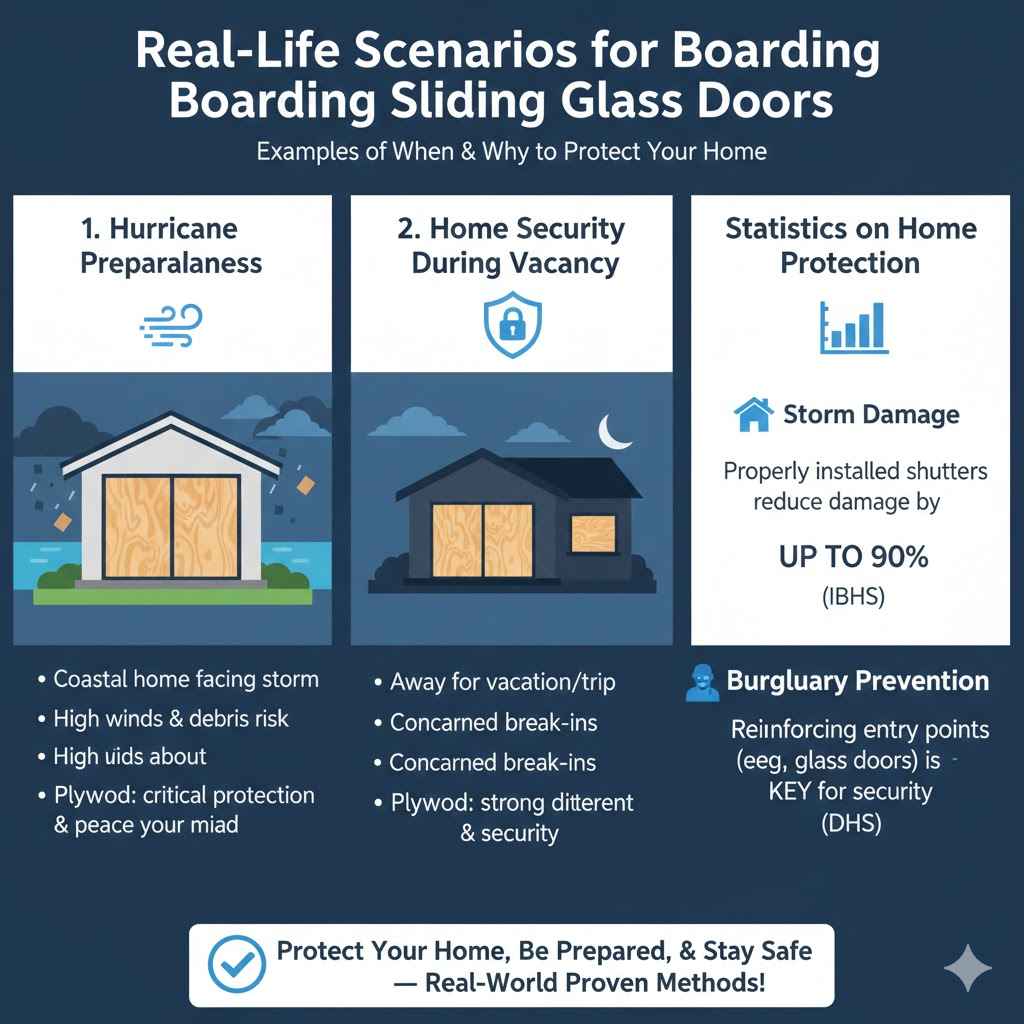
Real-Life Scenarios for Boarding Sliding Glass Doors
Understanding how and when to board up sliding glass doors can be best learned through examples. These situations show the practical application of these protective measures.
Scenario 1 Hurricane Preparedness
Imagine a family living in a coastal town. A hurricane is predicted to make landfall within 48 hours. Their home has large sliding glass doors that face the ocean.
These doors are beautiful but vulnerable to high winds and flying debris.
The family knows that the force of hurricane-strength winds can shatter glass, allowing water and wind to flood their home. They follow the steps outlined in this guide. They purchase a 4×8 sheet of 1/2 inch plywood, measure their sliding glass doors, and cut the plywood to cover the entire unit.
They then securely screw the plywood into the door frame. They also place a thick wooden dowel in the bottom track to prevent the door from sliding. This proactive measure provides peace of mind and critical protection against the storm.
Scenario 2 Home Security During Vacancy
Another situation involves a homeowner who will be away for an extended period, perhaps for a vacation or a business trip. They are concerned about potential break-ins while the house is empty.
The homeowner decides to board up the ground-floor sliding glass doors as a deterrent. They cut plywood panels to fit precisely over the doors. They attach the plywood securely with screws, ensuring there are no easy entry points.
They also board up any other vulnerable windows. This adds a significant layer of security, making their home appear less accessible to potential burglars. When they return, they can easily remove the plywood.
Statistics on Home Protection
According to the Insurance Institute for Business & Home Safety (IBHS), properly installed storm shutters, like plywood boards, can significantly reduce damage from high winds and flying debris. A study showed that homes with well-protected openings experienced up to 90% less damage than those without.
Furthermore, the U.S. Department of Homeland Security recommends reinforcing vulnerable entry points, including glass doors, as a key measure for home security and disaster preparedness. Reports indicate that easily accessible entry points are targeted in a significant percentage of burglaries.
Frequently Asked Questions
Question: What kind of plywood is best for boarding up doors
Answer: For boarding up doors, 1/2 inch or 3/4 inch exterior-grade plywood is recommended. It needs to be sturdy enough to withstand pressure.
Question: How many screws should I use
Answer: Space your screws about every 6 to 8 inches along the perimeter of the plywood to ensure it is held securely to the door frame.
Question: Can I use something other than screws
Answer: While screws are the most secure, you could use heavy-duty bolts or metal brackets for extra strength. Temporary solutions like straps are less reliable.
Question: Do I need to board up the entire door or just the glass
Answer: It’s best to board up the entire door unit, including the frame, for maximum protection. This provides a more solid barrier.
Question: How long can I leave the plywood on the doors
Answer: You can leave the plywood on for as long as you need protection. Just be sure to remove it once the threat has passed to allow normal use of your doors.
Conclusion
Boarding up sliding glass doors with plywood is a straightforward process that offers excellent protection. You have learned how to prepare your materials, cut the plywood, and attach it securely. By following these simple steps, you can safeguard your home against storms or enhance its security.