How to Care for Wood Floors With Polyurethane Near
Keeping your polyurethane-coated wood floors looking great can seem like a puzzle, especially if you’re new to wood floor care. You might wonder about the right cleaners or how often to do certain tasks. It’s easy to feel a little unsure about making mistakes that could damage your beautiful floors. But don’t worry! This guide will break down How to Care for Wood Floors With Polyurethane Near You into simple steps. We’ll show you exactly what to do to keep your floors shining for years.
Caring for Your Polyurethane Wood Floors
Keeping your polyurethane wood floors looking their best is simpler than you might think. These floors are popular because they look warm and inviting. Polyurethane is a tough finish that protects the wood underneath, but it still needs regular attention to stay beautiful. Many people worry about using the wrong products or methods, which could dull the shine or even damage the finish. This section will cover the basics of how to keep your floors clean and protected. We will explore the best ways to maintain that natural beauty without causing harm.
Understanding Polyurethane Finishes
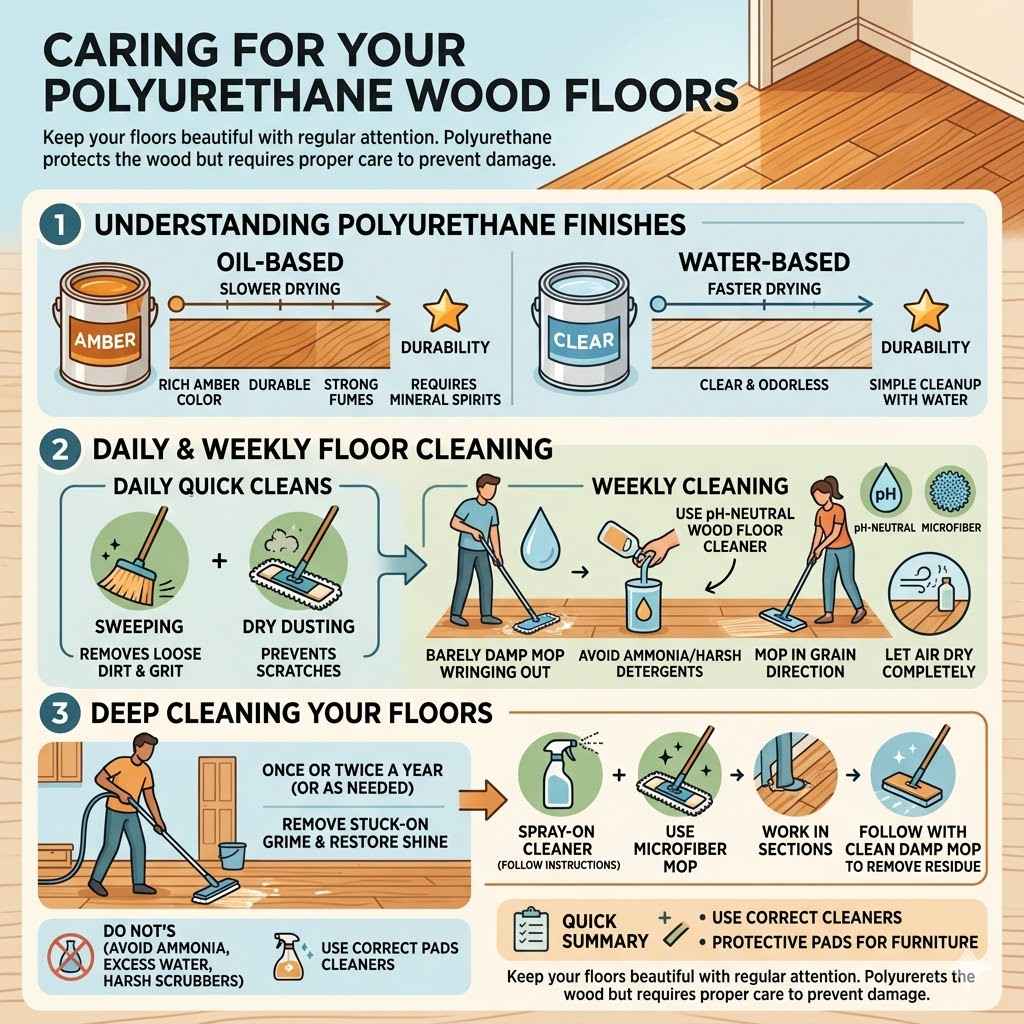
Polyurethane is a common protective coating applied to wood floors. It’s a liquid plastic that hardens when it dries, creating a durable barrier. This barrier shields the wood from spills, scratches, and everyday wear and tear. There are two main types of polyurethane finishes: oil-based and water-based.
Oil-based polyurethane is known for its amber color, which can give wood a warm, rich look. It’s also very durable and can last a long time. However, it takes longer to dry, and the fumes can be strong. It usually requires mineral spirits for cleanup.
Water-based polyurethane is clear and dries much faster. It has less odor, making it easier to work with in occupied homes. While it’s durable, some feel it doesn’t offer quite the same depth of color as oil-based finishes. Cleanup is simple with water.
The type of polyurethane can influence how you care for your floor. For instance, certain cleaners might be better suited for one type over the other. Always check with your floor manufacturer or installer if you’re unsure which type you have. Knowing this will help you choose the right care products.
Daily and Weekly Floor Cleaning
Regular cleaning is key to keeping your polyurethane floors looking good and preventing damage. These routines are simple and quick. They stop dirt and grit from scratching the finish over time.
Daily quick cleans involve sweeping or dry dusting. Use a soft-bristle broom or a microfiber dust mop. This removes loose dirt and debris that can act like sandpaper. Pay attention to high-traffic areas.
For weekly cleaning, a damp mop is usually sufficient. It’s important to use the right kind of cleaner. Choose a pH-neutral cleaner specifically designed for polyurethane or hardwood floors. Avoid ammonia-based cleaners or harsh detergents, as they can strip the finish.
Always wring out your mop very well. You want it to be damp, not wet. Excess water can seep into the wood and cause damage. Mop in the direction of the wood grain. Let the floor air dry completely before walking on it.
Deep Cleaning Your Floors
Sometimes, a weekly clean isn’t enough. Deep cleaning helps remove stuck-on grime and restores shine. This is usually done less often, maybe once or twice a year, depending on wear and tear.
When deep cleaning, you’ll use a wood floor cleaner. Apply it according to the product instructions. Some cleaners are spray-on, while others need to be diluted in water. Again, ensure you use a product suitable for polyurethane finishes.
Use a microfiber mop for deep cleaning. This type of mop is excellent at picking up dirt and distributing the cleaner evenly. Work in sections, cleaning and rinsing as you go if the product requires it.
Always follow up with a clean, damp mop to remove any cleaner residue. Residue can make your floor look dull or sticky. Allow the floor to dry thoroughly. Proper deep cleaning can significantly revive the look of your floors.
Protecting Your Polyurethane Wood Floors
Protecting your polyurethane wood floors involves more than just cleaning. It’s about preventing damage before it happens. Simple habits can make a big difference in the lifespan and appearance of your floors.
Using Furniture Pads and Rugs
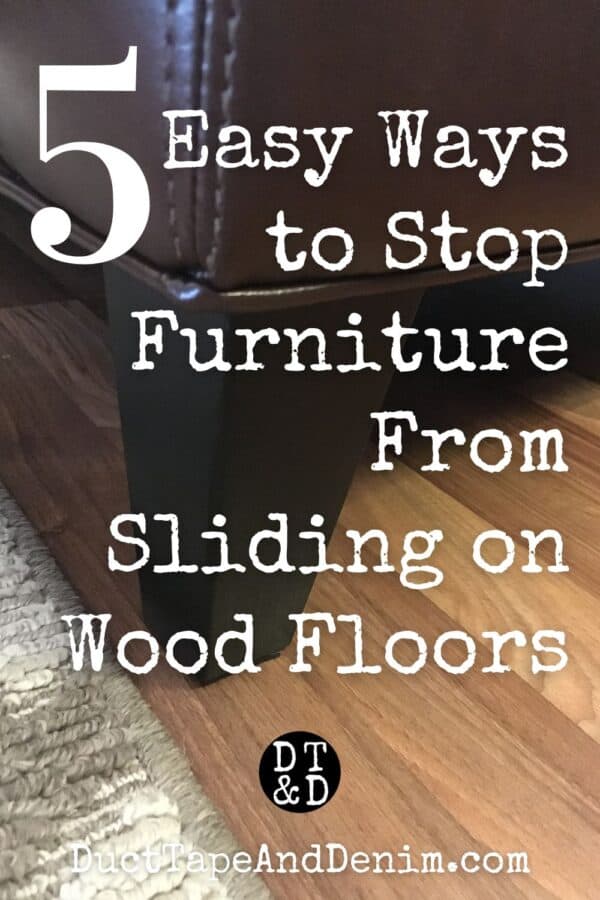
One of the biggest causes of scratches and dents on wood floors is furniture. Even light furniture can cause damage if it’s moved around. Placing felt pads on the legs of all your furniture is a smart move. These pads act like little cushions, allowing furniture to slide smoothly without scratching the floor.
Make sure the pads are clean. If a pad picks up grit, it can become abrasive. Check and replace them as needed.
Area rugs are also great protectors. Place rugs in high-traffic areas like entryways, hallways, and living room seating areas. These rugs absorb impact and catch dirt and moisture before they reach the wood.
Choose rugs with a backing that won’t damage the finish. Avoid rubber or plastic backings, which can sometimes react with polyurethane. Latex or felt backing is usually a safer choice. For entryways, use mats that can be easily cleaned or replaced.
Preventing Water Damage
Water is the enemy of hardwood floors, even those with a polyurethane finish. While polyurethane offers protection, it’s not waterproof. Standing water can seep into the wood, causing swelling, warping, and discoloration.
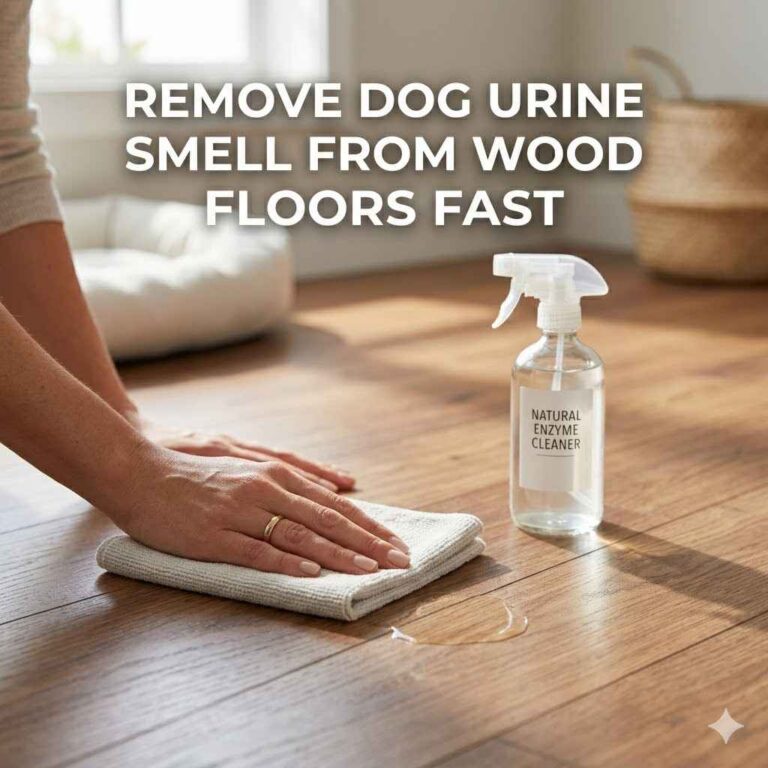
Clean up spills immediately. Don’t let water sit on the floor. Use a soft, absorbent cloth to wipe up spills as soon as they happen.
Be cautious with plants. Place potted plants on waterproof trays or stands. Avoid placing them directly on the wood floor.
When mopping, always use a damp mop, never a soaking wet one. Ensure it’s well wrung out. This prevents excess water from pooling.
Consider using mats or rugs near sinks, dishwashers, and refrigerators where water leaks might occur. This provides an extra layer of protection.
Maintaining the Shine
Keeping your polyurethane floors shiny involves both proper cleaning and the right products. Over time, even with regular cleaning, the finish can lose its luster.
Use a floor polish specifically designed for polyurethane finishes. These polishes are not waxes. Waxes can build up and become difficult to remove. Polishes create a new, protective layer that restores shine.
Follow the product’s instructions carefully. Most polishes are applied with a mop in a thin, even coat. Allow adequate drying time before walking on the floor.
Avoid abrasive cleaners or scrubbers. These can dull the finish. Stick to gentle, pH-neutral cleaners.
The frequency of polishing depends on foot traffic. You might need to polish every few months in busy areas. In less-used rooms, you might only need to do it once a year.
Advanced Care and Troubleshooting
Sometimes, your polyurethane floors might encounter issues that require a bit more attention. Knowing how to handle these problems can save your floors from more serious damage.
Dealing With Scratches and Dings
Minor scratches are common on wood floors. Small, superficial scratches can often be buffed out with a soft cloth. For slightly deeper scratches, you might need a touch-up product.
There are scratch repair kits available for polyurethane floors. These kits often contain colored fillers or pens that can fill in the scratch and blend with the existing finish. It’s important to choose a product that matches your floor’s color and sheen.
Always test any repair product in an inconspicuous area first. This ensures it matches and doesn’t cause any adverse reactions. Follow the product instructions precisely for the best results.
For significant gouges or deep scratches, you might need to consult a professional floor refinisher. They have the tools and expertise to repair more extensive damage.
Repairing Damaged Polyurethane Finish
If the polyurethane finish itself is wearing thin or peeling, it needs repair. This usually means refinishing the floor. Refinishing involves sanding down the old finish and applying new coats of polyurethane.
Minor wear spots can sometimes be spot-treated. However, a full refinish is often the most effective way to restore the protective layer and appearance. This is a more involved process and often best left to professionals.
If you’re considering a DIY refinish, ensure you have the right equipment and understand the steps involved. It requires careful sanding to avoid damaging the wood and proper application of the new finish. Ventilation and dust control are critical.
A common mistake is using the wrong grit sandpaper or sanding too deeply. This can permanently damage the wood. Professional refinishing guarantees a smooth, durable finish.
Choosing the Right Cleaning Products
Selecting the correct cleaning products is vital for the longevity of your polyurethane floors. Using the wrong cleaner can do more harm than good.
Always opt for pH-neutral cleaners. These cleaners are gentle and won’t strip or dull the protective finish. Many brands offer specific hardwood floor cleaners that are safe for polyurethane.
Avoid all-purpose cleaners, ammonia-based cleaners, vinegar-based cleaners, and oil soaps. These can leave a residue, dull the finish, or even damage the polyurethane over time.
Check the product label. It should clearly state that it is safe for polyurethane or hardwood floors. If you’re unsure, it’s always better to err on the side of caution and choose a simpler method like dry dusting or a damp mop with plain water.
Here’s a quick comparison of cleaning product types:
| Product Type | Good For Polyurethane Floors | Potential Issues |
|---|---|---|
| pH-Neutral Wood Floor Cleaner | Yes | None if used correctly |
| Water (Damp Mop) | Yes | Excessive water can damage wood |
| All-Purpose Cleaner | No | Can strip finish, leave residue |
| Ammonia-Based Cleaner | No | Harsh, can dull finish |
| Vinegar-Based Cleaner | No | Acidic, can etch finish |
| Oil Soap | No | Leaves residue, can build up |
Using these guidelines will help you maintain the beauty and durability of your polyurethane wood floors.
Frequently Asked Questions
Question: What is the best way to clean polyurethane wood floors daily?
Answer: The best way to clean polyurethane wood floors daily is by dry dusting with a soft-bristle broom or a microfiber dust mop. This removes loose dirt and grit that can scratch the finish over time. It’s a quick and easy way to keep the floors looking good.
Question: Can I use a steam mop on my polyurethane wood floors?
Answer: No, it is generally not recommended to use a steam mop on polyurethane wood floors. The heat and moisture from steam can penetrate the finish and damage the wood underneath, leading to warping or discoloration. Stick to damp mopping with appropriate cleaners.
Question: How often should I deep clean my polyurethane wood floors?
Answer: The frequency of deep cleaning depends on how much traffic your floors get. For most homes, deep cleaning once or twice a year is sufficient. You might need to do it more often if your floors get very dirty or show signs of grime buildup.
Question: What should I do if I notice dull spots on my polyurethane floor?
Answer: Dull spots on your polyurethane floor could be due to residue buildup or wear. Try cleaning with a pH-neutral wood floor cleaner to remove any residue. If the dullness persists, you might need to use a polyurethane-safe floor polish to restore the shine.
Test any polish in an inconspicuous area first.
Question: Are there any special care tips for polyurethane floors in high-moisture areas like kitchens?
Answer: Yes, in high-moisture areas like kitchens, it’s extra important to clean up spills immediately. Use absorbent mats near sinks and appliances. Ensure your mop is only damp, never wet, and allow the floor to dry completely after cleaning.
This prevents water damage and preserves the finish.
Wrap Up
Caring for polyurethane wood floors is all about simple, consistent habits. Regular dry dusting and occasional damp mopping with the right cleaner keep them clean. Protecting them with furniture pads and rugs prevents scratches. Addressing spills quickly stops water damage. By following these easy steps, you ensure your floors look great for a long time. Enjoy your beautiful, well-maintained wood floors!