How to Disinfect Wood Furniture: Proven, Safe Method
Quick Summary: Disinfect wood furniture safely by using a mild soap and water solution, followed by a diluted vinegar or alcohol spray. Always test in an inconspicuous area first and dry thoroughly to protect the finish.
Wood furniture brings warmth and character to any home. But what happens when it needs a good clean and a bit of disinfecting, especially after a spill, a sick household member, or just the general wear and tear of life? It’s a common concern for many of us who cherish our wooden pieces. You want to get rid of germs, but you’re worried about damaging that beautiful finish – the varnish, stain, or paint that makes your furniture look so good. It can feel like a tricky balance to strike. Don’t worry, though! With the right approach, you can safely and effectively disinfect your wood furniture, keeping it looking its best for years to come. We’ll walk through a simple, proven method that’s gentle yet effective.
Why Disinfecting Wood Furniture Matters
Keeping our homes clean is a priority, and that extends to all our belongings, including our beloved wood furniture. Wood, while beautiful, can harbor germs and bacteria, just like any other surface. This is especially true in high-traffic areas or after certain events. For instance, if someone in your household has been sick, disinfecting surfaces can help prevent the spread of illness. Think about dining tables, coffee tables, or nightstands – these are surfaces we touch frequently. Regular cleaning is essential, but sometimes a more thorough approach is needed to truly sanitize them.
However, the natural porous nature of wood and the various finishes applied to it mean that harsh chemicals can cause damage. You might be thinking about strong disinfectants you use on other surfaces, but those can strip finishes, cause discoloration, or even warp the wood itself. Finding a method that kills germs without compromising the integrity and appearance of your furniture is key. This guide will show you exactly how to do that, using methods that are both safe for your wood and effective against common household germs.
Understanding Wood Finishes and Disinfection
Before we dive into the “how-to,” it’s helpful to understand why wood furniture needs special care. Most wood furniture isn’t just bare wood; it’s protected and enhanced by a finish. These finishes can include:
- Varnish: A hard, protective coating that provides excellent durability and water resistance.
- Lacquer: Dries quickly, creating a hard, clear film. It can be more prone to scratching than varnish.
- Polyurethane: A durable plastic-like coating that offers good protection against moisture and wear.
- Shellac: A natural resin that provides a warm, traditional finish but is less resistant to heat and alcohol.
- Oil Finishes: Penetrate the wood to enhance its natural grain and feel, offering a more matte appearance.
- Paint: Opaque coatings that add color and protection.
Each of these finishes reacts differently to cleaning and disinfecting agents. Aggressive solvents, high heat, or excessive moisture can break down these protective layers, leading to dullness, clouding, or even permanent damage. For example, alcohol can dissolve shellac, while ammonia-based cleaners can dull a polyurethane finish. Therefore, the disinfectants we choose must be gentle enough not to harm these delicate surfaces.
The goal of disinfection is to kill or inactivate harmful microorganisms. For household disinfection, common agents like diluted bleach, hydrogen peroxide, or rubbing alcohol are often used. However, when it comes to wood furniture, we need to be mindful of their concentration and application. For instance, the U.S. Environmental Protection Agency (EPA) lists approved disinfectants and provides guidance on their proper use, noting that surfaces should remain wet for a specific contact time to be effective. While this applies broadly, with wood, we must balance efficacy with surface protection.
The Proven, Safe Method for Disinfecting Wood Furniture
Here’s a straightforward, step-by-step approach that prioritizes the health of your furniture while effectively disinfecting it. This method uses readily available household items that are gentle yet effective.
Step 1: Prepare Your Workspace and Furniture
First, clear the furniture piece of any items like books, decorations, or tableware. This gives you a clean surface to work with and prevents these items from getting damp or exposed to cleaning solutions. Ensure the room is well-ventilated, especially if you’re using any mild sprays. Open a window or turn on a fan. It’s also a good idea to protect your floor with a drop cloth or old towels, just in case of any drips.
Step 2: Dust and Dry Clean
Before introducing any moisture, it’s crucial to remove loose dirt and dust. Use a soft, dry microfiber cloth or a feather duster. Gently wipe down all surfaces of the furniture. This prevents dust from turning into mud when you add liquid, which can scratch the finish. Pay attention to crevices and carved areas where dust tends to accumulate.
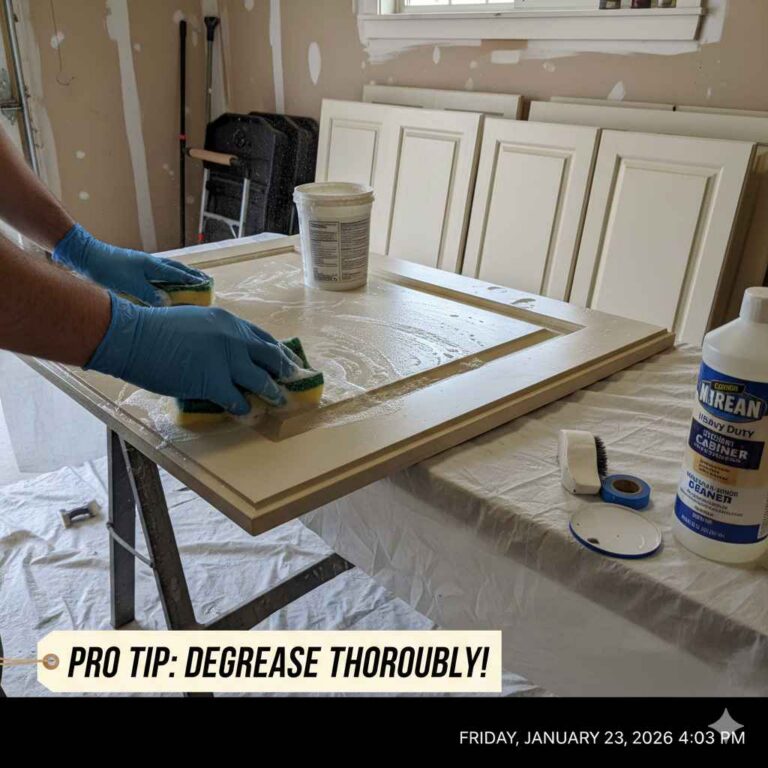
Step 3: Mild Soap and Water Wash
This is your primary cleaning step. Mix a very small amount of mild dish soap (like Dawn or a similar pH-neutral soap) with warm water in a bucket or bowl. You want the water to be slightly soapy, not sudsy. Dampen a clean, soft cloth (microfiber is ideal) in the solution, and then wring it out thoroughly. The cloth should be barely damp, not wet. Wipe down all surfaces of the wood furniture. Work in sections, and immediately follow each section with a dry, soft cloth to buff away any moisture. This prevents water from seeping into the wood or finish.
Why this works: Mild soap helps lift dirt, grime, and most surface bacteria without stripping the finish. The key is minimal moisture. Over-wetting can cause water spots, swelling, or damage to the finish over time.
Step 4: Disinfecting Spray (Choose One)
After the initial cleaning and drying, it’s time to disinfect. You have a couple of excellent, safe options:
Option A: Diluted White Vinegar Solution
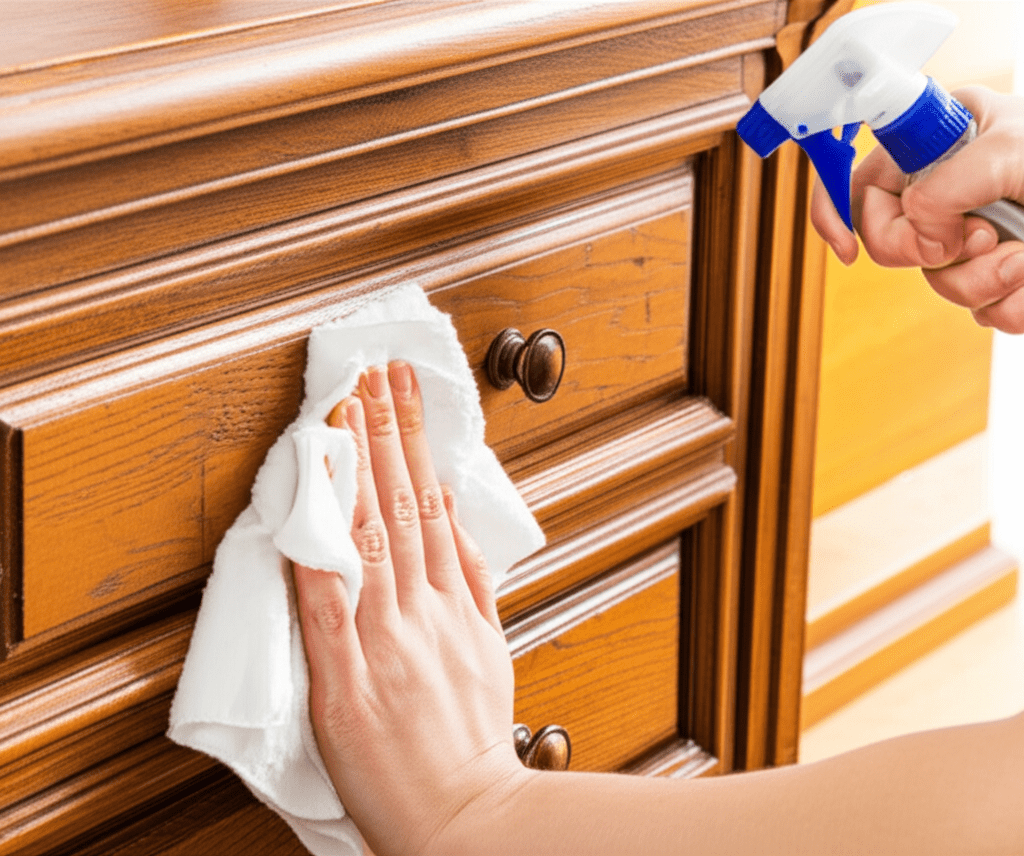
White vinegar has natural disinfectant properties. Mix equal parts white vinegar and water in a clean spray bottle. So, if you use 1 cup of vinegar, add 1 cup of water. Lightly mist the surface of the furniture. Again, the key is a light mist, not a heavy spray. Let it sit for a minute or two, then wipe it down with a clean, dry microfiber cloth. Vinegar is acidic, so while generally safe for most finishes in this diluted form, it’s always best to test it first.
Important Note: Do not use vinegar on unfinished or oiled wood surfaces, as the acid can react with the oil or penetrate the unfinished wood.
Option B: Diluted Isopropyl Alcohol (Rubbing Alcohol) Solution
Isopropyl alcohol (70% concentration is common and effective) is a good disinfectant. Mix equal parts 70% isopropyl alcohol and water in a clean spray bottle. Lightly mist the surface. Let it sit for about 30 seconds to a minute. Wipe dry immediately with a clean, soft cloth. Alcohol evaporates quickly, reducing the risk of moisture damage. However, it can potentially dull or damage certain finishes, especially shellac or very delicate lacquers, if used too frequently or in too high a concentration. Always test this first.
Why these work: Both diluted vinegar and isopropyl alcohol have antimicrobial properties that can kill a significant percentage of common household germs and bacteria. The dilution and immediate drying help mitigate potential damage to the wood finish.
Step 5: Final Buff and Dry
Once you’ve applied your chosen disinfecting solution and wiped it dry, give the entire piece of furniture a final buff with a clean, dry microfiber cloth. This helps to restore shine and ensures no moisture is left behind. Check all surfaces, including legs and undersides if accessible.
Testing Your Disinfectant
This is a critical step that cannot be skipped! Before applying any cleaning or disinfecting solution to your entire piece of furniture, you must test it in an inconspicuous area. This could be the underside of a table, the back of a leg, or inside a drawer. Apply a small amount of your chosen solution with a cotton swab, let it sit for the recommended time (a minute or two), and then wipe it dry. Check for any adverse reactions:
- Discoloration: Does the finish change color?
- Dulling: Does the sheen disappear?
- Softening: Does the finish feel gummy or soft?
- Damage: Does the finish peel, crack, or become sticky?
If you notice any of these issues, that particular solution is not suitable for your furniture’s finish. You may need to try a different, even milder option or consult a furniture care specialist.
Important Considerations and What to Avoid
To ensure you’re protecting your wood furniture, be aware of common mistakes and what to steer clear of:
What to Avoid:
- Harsh Chemicals: Bleach (even diluted), ammonia, abrasive cleaners, furniture polish containing silicones (can build up), and strong solvents can damage wood finishes.
- Excessive Moisture: Never soak wood furniture. Water can penetrate the finish, cause the wood to swell, warp, or create white rings (water marks). Always use a well-wrung-out cloth.
- Abrasive Materials: Steel wool, abrasive sponges, or scouring powders will scratch and dull the finish.
- Direct Sunlight or Heat: While not directly related to disinfection, avoid leaving damp cloths on furniture in direct sunlight or near heat sources, as this can accelerate damage.
- Over-Disinfecting: Unless there’s a specific need (like illness), daily or weekly disinfecting of all wood furniture isn’t necessary. Regular dusting and occasional cleaning are usually sufficient.
Special Cases:
- Unfinished Wood: Disinfecting unfinished wood is much trickier. Moisture is the biggest enemy. A very lightly misted solution (like diluted alcohol) that dries almost instantly might be usable, but it’s risky. Often, it’s better to rely on dry cleaning methods for unfinished pieces.
- Antique Furniture: For valuable antique pieces, it’s always best to consult with a professional furniture restorer or conservator before attempting any disinfection or deep cleaning. They can identify the finish and recommend the safest approach. Organizations like the National Park Service’s Technical Preservation Services offer valuable guidance on preserving historic finishes.
- Painted Furniture: For painted furniture, use the mild soap and water method. If disinfection is needed, a very diluted vinegar solution or a specialized cleaner for painted surfaces might be suitable, but always test first. Avoid alcohol, as it can sometimes soften or lift certain types of paint.
Disinfection Methods Compared for Wood Furniture
Choosing the right disinfectant is crucial. Here’s a quick comparison of common options and their suitability for wood furniture:
| Disinfectant Option | Pros for Wood Furniture | Cons for Wood Furniture | Best For | Cautionary Notes |
|---|---|---|---|---|
| Mild Soap & Water | Gentle, effective for general cleaning and removing surface germs. Widely compatible with most finishes. | Not a strong disinfectant on its own. Requires thorough drying. | Routine cleaning, light disinfection. | Use a barely damp cloth. Wring out thoroughly. |
| Diluted White Vinegar (1:1 with Water) | Natural disinfectant, mildly acidic. Can kill many bacteria and viruses. Evaporates reasonably well. | Can potentially dull or damage sensitive finishes (like wax or some lacquers) if overused or if concentration is too high. Not for unfinished or oiled wood. | Most sealed wood finishes (varnish, polyurethane, lacquer). | Always test. Never use on unfinished or oiled wood. Wipe dry immediately. |
| Diluted Isopropyl Alcohol (70%, 1:1 with Water) | Effective disinfectant, evaporates quickly, reducing moisture risk. | Can strip or dull certain finishes (especially shellac, wax, or very old/delicate finishes). Can dry out wood if used too often. | Sealed wood finishes where stronger disinfection is needed and tested safe. | Always test. Use sparingly. Wipe dry immediately. Avoid on shellac or wax finishes. |
| Hydrogen Peroxide (3% solution, diluted) | Good disinfectant, breaks down into water and oxygen. | Can lighten or bleach wood finishes, especially darker ones, if too concentrated or left on too long. Requires testing. | Generally less recommended for wood finishes due to bleaching risk. | Extreme caution needed. Test thoroughly in a hidden spot. May not be suitable for many wood furniture finishes. |
| Commercial Wood Furniture Cleaners/Disinfectants | Formulated for wood, often include conditioning agents. | Effectiveness as a disinfectant can vary. Some may leave residues or build-up. Can be expensive. | Specific product for your furniture type and finish. | Always follow product instructions carefully. Test in an inconspicuous area. |
| Water Only | Safest option for most finishes. | Minimal disinfecting power. | Daily dusting, very light cleaning. | Use a barely damp cloth and dry immediately. |
Frequently Asked Questions (FAQ)
Q1: Can I use disinfecting wipes on my wood furniture?
A1: Generally, it’s best to avoid standard disinfecting wipes. They often contain alcohol or other chemicals in concentrations that are too high for wood finishes, and they can leave behind residue that dulls the surface or damages the finish over time. If you must use a wipe, opt for one specifically designed for wood furniture that claims disinfecting properties, and always test it first in a hidden spot.
Q2: How often should I disinfect my wood furniture?
A2: Unless someone in your household is ill or there’s a specific reason for deep disinfection (like a spill that might harbor bacteria), regular dusting and occasional cleaning with a damp cloth are sufficient for most wood furniture. Over-disinfecting can degrade the finish. Focus disinfection efforts on high-touch surfaces or after specific events.
Q3: What’s the best way to remove water rings from wood furniture?
A3: For light white rings (caused by moisture trapped in the finish), you can try gently rubbing the spot with a very fine steel wool (#0000 grade) and a bit of lemon oil or mineral oil. For dark rings (indicating moisture has reached the wood itself), it’s a more complex repair, and professional help might be needed. You can find more detailed advice on wood furniture repair from resources like This Old House.
Q4: My furniture has a wax finish. How do I disinfect it?
A4: Wax finishes are delicate. Avoid alcohol and strong cleaners, as they will strip the wax. The safest approach is a barely damp cloth with a tiny amount of mild soap. After cleaning, you will likely need to reapply a coat of furniture wax to restore protection and shine. Always test any cleaner in an inconspicuous area first.
Q5: Is it safe to use essential oils for disinfecting wood furniture?
A5: Some essential oils, like tea tree or eucalyptus oil, have antimicrobial properties. However, they are often potent and can also damage wood finishes or leave oily residues. If you want to try them, dilute them heavily in water and test thoroughly. For most users, the diluted vinegar or alcohol methods are more reliable and predictable for disinfection.
Q6: What about disinfecting outdoor wood furniture?
A6: Outdoor wood furniture can often tolerate slightly stronger cleaning solutions because the finishes are typically more robust. However, the same principles apply: avoid harsh abrasives and excessive moisture. A solution of water and a mild detergent, or a very diluted bleach solution (e.g., 1 part bleach to 10 parts water) for mold or mildew, can be used, but always rinse thoroughly and allow the furniture to dry completely in the sun. Test in an inconspicuous spot first, especially if the furniture is painted or stained.
Conclusion
Keeping your wood furniture clean and disinfected doesn’t have to be a daunting task. By understanding the nature of wood finishes and employing gentle, proven methods, you can effectively tackle germs and grime without causing harm. Remember the key principles: use minimal moisture, opt for mild solutions like diluted vinegar or alcohol, always test in a hidden spot first, and dry thoroughly with a soft cloth. With a little care and the right approach, your cherished wood furniture will remain beautiful, hygienic, and a source of pride in your home for years to come. Happy cleaning!