How to Dispose of Ceiling Fans: Eco-Friendly Tips
Ever wondered what to do with that old ceiling fan that’s been hanging around for too long? You’re not alone.
Many people face the dilemma of disposing of household items like ceiling fans, unsure of the right steps to take. Imagine freeing up space, decluttering your home, and doing it all in an eco-friendly way. It’s not just about getting rid of an old appliance; it’s about making choices that benefit you and the environment.
This article will guide you through simple and effective methods to dispose of your ceiling fan, ensuring you make the most of your options. So, let’s dive into ways to clear your space, lighten your load, and maybe even save a bit of cash along the way.
)
Credit: www.homedepot.com
Assessing The Condition
Check if the ceiling fan still works. A working fan might be useful. Donate it or sell it. Look for signs of damage. Broken blades or a faulty motor means it’s not reusable. Ask yourself if someone else could use it. If yes, keep it for reuse.
Some parts might be fixed or reused. Blades can be replaced. Motors might be repairable. Check screws and small parts. They might help in other projects. Consider the fan’s age. Old parts might be hard to find. Think about keeping parts for future use.
Donation Options
Ceiling fans can be given to local charitiesand thrift stores. These places often welcome items that are still usable. Many families need affordable home supplies. Donating helps these families. It also keeps items out of landfills. Before donating, check if the fan works well. Clean the fan blades and base. Some charities may have specific rules. Call them first to ask about donations. Sometimes, they even pick up items from your home. This saves time and effort.
Community centersand schoolscan use donated ceiling fans. They often need items for projects or events. Some schools may use fans in classrooms. Fans help keep rooms cool. Community centers may use them for workshops. Always ask if they need a fan before donating. Make sure it’s safe and clean. Reach out to local centers and schools. They might have different needs. Donating is a way to help your community. It’s a good use of old items.
Recycling Programs
Finding a recycling center is important. Search online for nearby centers. Websites often list locations. Visit local government sites for help. Some centers only accept specific items. Call them to verify. Ask about ceiling fan parts. Make sure they accept metal and plastic.
Not all materials are accepted. Recycling centers have rules. Metal and plastic are common. Ceiling fans have both materials. Separate the fan into parts. This helps the center process them. Ask if they take electrical parts. Some centers recycle wires and motors. Always check before you go.
Selling Or Giving Away
Old ceiling fans can find new homes. Try selling them on online marketplaceslike eBay or Craigslist. These platforms let people buy and sell goods easily. Take clear photos of the fan. Write a simple description. Mention any unique features. Set a fair price. People love deals!
Consider local options too. Join neighborhood groups on Facebook or Nextdoor. These groups allow local exchanges. Post about your fan. Someone nearby might need it. Make sure to be friendlyand clear in your message. Meeting locally saves shipping costs. Plus, it builds community. Everyone wins!
Creative Repurposing Ideas
Discover creative ways to repurpose old ceiling fans. Transform blades into unique wall art or craft stylish garden decorations. Create a charming wind chime by using fan parts, adding a touch of whimsy to outdoor spaces.
Craft Projects
Old ceiling fans can become fun craft materials. Take off the blades. Paint them in bright colors. Turn them into wall art. Or make a unique clock. Use the motor base as a sturdy stand. Create a spinning wheel game for family nights. Fan blades are great for making birdhouses too. Decorate them with stickers. Glue little wooden pieces on them. Let your creativity fly high!
Garden Decorations
Fans can beautify gardens. Use blades as garden markers. Paint the plant names on them. Place them in soil. They help you remember plant spots. Or create a wind chime. Hang fan parts on strings. Let them make music in the breeze. Base of the fan can be a plant holder. Fill with soil. Plant colorful flowers. They add charm to outdoor spaces.
Proper Disposal Methods
Check local rules for curbside pickup. Some areas allow large items. Ceiling fans might be included. Separate metal and plastic parts. Bag small items. Label bags clearly. Schedule a pickup day. Check with your waste company. Put fans out early. Avoid blocking sidewalks. Safety is important. Clean fans before pickup. Remove dust and dirt. Respect community guidelines. Consider neighbors and walkers.
Some parts are dangerous. Old fans may have harmful materials. Hazardous waste places can help. Call ahead for details. Ask about fees. Transport fans safely. Use a sturdy vehicle. Avoid accidents. Wear gloves and goggles. Protect yourself from sharp edges. Follow facility rules. Respect their policies. Be patient during drop-off. Recycle when possible. Help the environment. Safe disposal is essential.
Environmental Impact Awareness
Ceiling fans can be heavy. They often end up in landfills. This increases waste. Recycling is a better choice. Parts like metal can be reused. This helps the earth. It keeps our planet cleaner.
Many people are choosing sustainableoptions now. Donate old fans. Someone might need them. This reduces trash. Keep fans out of landfills. It saves resources.

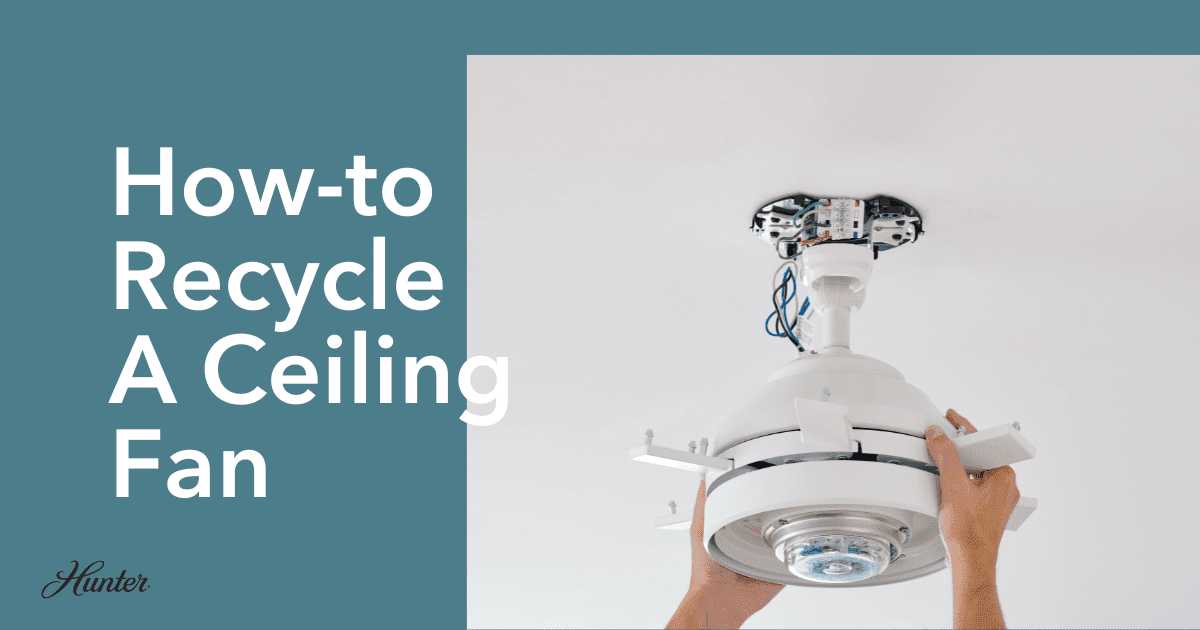
Credit: www.hunterfan.com
Frequently Asked Questions
What Is The Best Way To Dispose Of Ceiling Fans?
The best way to dispose of ceiling fans is to recycle them. Many recycling centers accept metal and electronic components. Check local guidelines for disposal methods. You can also donate working fans to charities or sell them online. Avoid throwing them in regular trash to prevent environmental harm.
Can Ceiling Fans Be Recycled?
Yes, ceiling fans can be recycled. Most parts, like metal and electronic components, are recyclable. Contact local recycling centers to confirm acceptance. Proper disposal ensures environmental protection. Recycling reduces waste and supports sustainability efforts.
Where Can I Donate Old Ceiling Fans?
You can donate old ceiling fans to local charities or thrift stores. Many organizations accept functional fans for resale or use. Ensure fans are in working condition before donating. Check with nearby charities for their donation policies.
Are Ceiling Fans Hazardous Waste?
Ceiling fans are not considered hazardous waste. They contain recyclable metal and electronic parts. Proper recycling is recommended to prevent environmental damage. Avoid disposing of them in regular trash. Check local guidelines for safe disposal methods.
Conclusion
Proper disposal of ceiling fans helps protect the environment. Always consider recycling options first. Many parts are reusable and can benefit others. Check local recycling centers for guidelines. They often accept metal and plastic components. Donating is another great option.
Some organizations accept used fans for reuse. Avoid throwing fans in the trash. It contributes to landfill waste. You can make a positive impact with responsible disposal. Keep these steps in mind and encourage others too. Together, we can maintain a cleaner planet.
Thank you for caring about proper disposal methods. Your efforts truly matter.