How to Fill a Door Knob Hole: A DIY Guide to a Flawless Fix
Hey there! So, you’re wondering how to fill a door knob hole and make your door look good as new? I get it! A few years back, I decided to upgrade the old knob on my front door to a sleek new lever, but I was left with a big, ugly hole staring back at me. At first, I panicked, thinking I’d ruined my door. But after some research and a bit of elbow grease, I figured out how to patch it perfectly.
Now, I’m thrilled to share everything I’ve learned with you! Whether you’re removing an old lock, fixing a mistake, or repurposing a door in the USA, this guide will walk you through filling a door knob hole step by step. It’s perfect for anyone who loves a hands-on project. I’ll keep it simple, fun, and easy to follow, so grab some tools, and let’s make that door shine!
Why You Might Need to Fill a Door Knob Hole
Let’s start with why you’d want to fill a door knob hole. Doors often have holes from old knobs, locks, or deadbolts that don’t match new hardware. When I swapped my front door knob for a lever, the new lock needed a smaller hole, leaving a 2-1/8-inch gap. Other times, you might remove a lock entirely, like when I turned a bedroom door into a pantry door.
Filling the hole makes your door look clean and professional. It also keeps it strong and weatherproof, especially for exterior doors. I saved money by doing it myself instead of buying a new door, which can cost $200 or more. Plus, it’s a satisfying project that boosts your DIY confidence. Let’s figure out what you need to get started.
Understanding Door Knob Holes and Door Types
Before you start patching, let’s talk about the hole and your door. Most door knob holes are standard—2-1/8 inches for the lock and 1 inch for the latch. I measured mine with a tape measure to confirm. Some doors also have a smaller deadbolt hole above or below.
Doors come in different materials, and this affects how you fill the hole:
- Solid wood: My front door was solid wood, easy to patch with wood filler and dowels.
- Hollow-core: Common for interior doors, these need extra support like foam or backing. I patched one in my closet.
- Metal: Exterior doors often have insulation inside. I helped a friend patch a metal door, and it needed special care.
- Fiberglass: Similar to metal, these need specific fillers. I haven’t worked on one, but I’ll share tips.
Knowing your door type and hole size helps you choose the right method. It’s like checking your car’s tire size before buying new ones—get it right first!
Tools and Materials You’ll Need
Having the right tools makes this job so much easier. I learned this after trying to sand with a kitchen sponge—big mistake! Here’s what I use:
- Wood filler: For solid wood or small patches. I used Elmer’s Carpenter’s Wood Filler for $5.
- Epoxy filler: For metal or fiberglass doors. I got a two-part epoxy for $8.
- Wood dowel: To plug large holes in solid wood. I bought a 2-1/8-inch dowel for $4.
- Expanding foam: For hollow-core doors. A $6 can worked great.
- Sandpaper: Medium (120-grit) and fine (220-grit) for smoothing. I spent $3.
- Putty knife: To apply filler. Mine was $2.
- Utility knife: To trim foam or dowels. I had one at home.
- Drill and bits: For cutting dowels or cleaning holes. I used a $20 drill.
- Saw: To cut dowels. I used a $10 hand saw.
- Measuring tape and pencil: To mark spots. I used kitchen supplies.
- Safety glasses and gloves: To stay safe. I got $5 goggles and $1 gloves.
- Primer and paint: To finish the door. I used leftover paint, but a quart costs $10.
- Optional: Backing material: Cardboard or mesh for hollow doors. I used scrap cardboard.
My total cost was about $40, and you might have some items already. Check your door type to pick the right filler.
Preparing Your Door for the Fix
Before you start filling, you need to prep the door. I skipped this once and got filler everywhere—messy! Here’s how I prep now:
- Remove the door: Take it off the hinges for easier work. I used a screwdriver to pop the hinge pins and laid the door on sawhorses.
- Clean the hole: Remove old hardware, screws, or debris. I scraped my hole with a utility knife to make it smooth.
- Sand the area: Lightly sand around the hole to help the filler stick. I used 120-grit sandpaper.
- Measure the hole: Confirm the size (usually 2-1/8 inches). I measured mine to choose the right dowel.
- Protect the door: Tape around the hole with painter’s tape to keep it clean. I used $2 tape.
This prep takes 15 minutes but makes the job cleaner and faster. It’s like washing your car before waxing—prep is key!
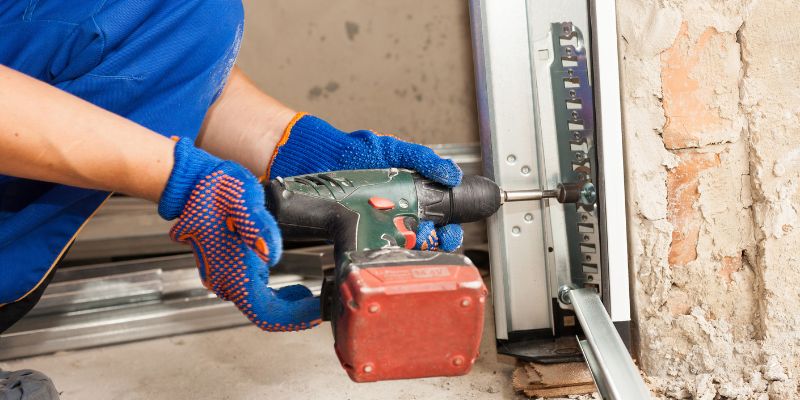
Method 1: Filling a Hole in a Solid Wood Door
This is the easiest method for solid wood doors. I used it on my front door. Here’s how I did it:
- Cut a dowel: Measure the door’s thickness (mine was 1-3/4 inches). I cut a 2-1/8-inch dowel to match using a hand saw.
- Test the fit: Slide the dowel into the hole. I trimmed mine slightly with a utility knife for a snug fit.
- Apply wood glue: Coat the dowel and hole edges with glue. I used $3 of wood glue and spread it with a stick.
- Insert the dowel: Push the dowel into the hole until it’s flush. I tapped it with a hammer to seat it.
- Fill gaps: Apply wood filler over any cracks around the dowel. I used a putty knife to smooth it.
- Let it dry: Wait 24 hours for the glue and filler to set. I left my door in the garage overnight.
- Sand it smooth: Sand with 120-grit, then 220-grit sandpaper. I sanded until it felt like glass.
- Prime and paint: Apply primer, then paint to match the door. I used two coats of white paint for a seamless look.
This took about 2 hours, plus drying time. My door looked brand-new, and the patch was rock-solid.
Method 2: Filling a Hole in a Hollow-Core Door
Hollow-core doors are trickier because they’re mostly air inside. I patched one in my closet. Here’s the process:
- Add backing: Cut cardboard or mesh to cover the hole on one side. I taped cardboard inside the door to catch foam.
- Fill with foam: Spray expanding foam into the hole. I used a $6 can and filled it slowly to avoid overflow.
- Trim the foam: After 4 hours, cut excess foam with a utility knife. I trimmed mine flush with the door.
- Apply wood filler: Spread filler over the foam with a putty knife. I did two thin layers, letting each dry for 2 hours.
- Sand it smooth: Sand with 120-grit, then 220-grit sandpaper. I sanded carefully to avoid denting the foam.
- Prime and paint: Apply primer, then paint to match the door. I used three coats to cover the patch completely.
This took 3 hours, plus drying time. The patch wasn’t as strong as wood, but it held up for my closet door.
Method 3: Filling a Hole in a Metal or Fiberglass Door
Metal or fiberglass doors need special care. I helped a friend patch a metal back door. Here’s how we did it:
- Clean the hole: Sand inside the hole to remove rust or paint. I used 120-grit sandpaper.
- Add backing: Tape cardboard or mesh inside the door to support filler. We used scrap aluminum mesh.
- Mix epoxy filler: Combine two-part epoxy according to the package. I mixed an $8 kit with a stick.
- Fill the hole: Spread epoxy into the hole with a putty knife. We did thin layers, letting each dry for 1 hour.
- Sand it smooth: Sand with 120-grit, then 220-grit sandpaper. I sanded until it matched the door’s texture.
- Prime and paint: Apply metal-safe primer, then paint. We used spray paint for a smooth finish.
This took 2.5 hours, plus drying time. The patch was tough and blended perfectly with the metal door.
Troubleshooting Common Problems
Sometimes, things don’t go perfectly. Here’s how I fixed issues I ran into:
- Filler cracks: If filler cracks, apply a second layer. I added more wood filler to a crack on my wooden door.
- Foam overflows: Trim excess foam with a utility knife. I cut too much foam off my hollow-core door once.
- The patch isn’t smooth: Sand more or add thin filler layers. I sanded my metal door patch twice for a flat finish.
- Paint doesn’t match: Use multiple thin coats. I needed three coats to match my closet door’s color.
These fixes are easy and keep your patch looking pro. Don’t worry if it’s not perfect at first—it’s fixable!
Comparing Methods for Filling Door Knob Holes
To help you choose, here’s a table based on my experiences:
| Method | Best For | Cost | Time Needed | Tools Needed | Difficulty |
|---|---|---|---|---|---|
| Solid Wood Door | Strong, exterior doors | $15-$20 | 2 hours | Dowel, glue, filler, sandpaper, saw | Easy |
| Hollow-Core Door | Interior, lightweight doors | $10-$15 | 3 hours | Foam, filler, sandpaper, knife | Medium |
| Metal/Fiberglass Door | Exterior, durable doors | $15-$25 | 2.5 hours | Epoxy, mesh, sandpaper, primer | Medium |
I found the wood door method easiest, but hollow-core was cheapest. Pick what matches your door type.
Finishing and Painting Your Door
A good finish makes your patch invisible. Here’s how I do it:
- Prime the patch: Apply a thin coat of primer. I used a $5 can of spray primer for even coverage.
- Sand lightly: After drying, sand with 220-grit sandpaper. I did this to smooth the primer.
- Paint it: Apply two to three thin coats of paint. I matched my door’s white color with leftover paint.
- Seal exterior doors: Use polyurethane for weatherproofing. I added a clear coat to my front door.
- Clean up: Remove painter’s tape and wipe the door. I used a damp cloth for a polished look.
This takes 1-2 hours, plus drying time. My door looked seamless, like the hole was never there.
Maintaining Your Patched Door
Once your hole is filled, a little care keeps it looking great. Here’s what I do:
- Check the patch: Look for cracks or peeling paint yearly. I haven’t had issues, but I check my front door.
- Repaint as needed: Touch up paint every few years. I repainted my closet door after two years.
- Clean gently: Wipe with a damp cloth. I avoid harsh cleaners to protect the finish.
- Protect exterior doors: Reapply sealant annually. I add polyurethane to my front door every spring.
These habits keep your door strong and pretty. It’s like waxing your car—small steps pay off.
Safety Tips for Filling a Door Knob Hole
Working with tools and fillers requires caution. Here’s what I keep in mind:
- Wear safety glasses: Protect your eyes from dust or foam. I got sawdust in my eye once without them.
- Use gloves: Avoid skin irritation from epoxy or filler. I wore $1 gloves for the metal door.
- Work in a ventilated area: Fillers and paint have fumes. I worked in my garage with the door open.
- Secure the door: Prop it on sawhorses to avoid wobbling. I used a workbench to keep mine steady.
These tips make the job safe and fun. Safety first, always!

Creative Ideas for Your Patched Door
Your door can look amazing after patching. Here’s how I spruced mine up:
- Add new hardware: I installed a modern lever on my front door for a fresh look.
- Paint it bold: I painted my closet door blue for a pop of color.
- Hang a mirror: I added a small mirror to my pantry door for style.
- Use decals: I put vinyl decals on my closet door for a fun design.
These touches make your door unique. It’s like customizing your car’s interior!
Why I Love This Project
Filling a door knob hole is one of those projects that makes you proud. Every time I walk through my front door, I smile, knowing I fixed that hole myself. It’s not just about saving money, though I saved $200 by not buying a new door—it’s about making your home better and learning a skill. This project is perfect for anyone who loves DIY and wants a professional-looking result. Whether you’re patching a wooden, hollow, or metal door, you’ll love the transformation.
Conclusion
There you have it—a complete guide to filling a door knob hole! I’ve been through the sanding and painting, and I’m so excited to share these tips with you. From plugging wood doors to patching hollow ones, you’ve got everything you need to make your door look flawless. This is a fun, budget-friendly project that anyone can tackle with a few tools and some patience. So, grab that wood filler, sandpaper, and paint, and get ready to feel like a DIY rockstar. You’ll save money, boost your skills, and love your door’s new look. Happy patching!
Frequently Asked Questions
How long does it take to fill a door knob hole?
It took me 2 hours for a wood door, 3 hours for a hollow-core, and 2.5 hours for a metal door, plus drying time.
Can I fill a door knob hole without removing the door?
Yes, but it’s harder. I removed my door to the work flat and avoid drips.
Will the patch be as strong as the original door?
On wood doors, yes. My wood patch is solid. Hollow-core patches are weaker but fine for interior doors.
What if I don’t have a dowel for a wooden door?
Use wood filler alone for smaller holes. I filled a 1-inch latch hole with just filler, and it worked.
Can I install a new lock after filling the hole?
Yes, but drill carefully. I drilled a new hole for my lever after patching, and it held up great.