How to Fix Pool Liner Pulling Away From the Wall (3 Real Fixes)
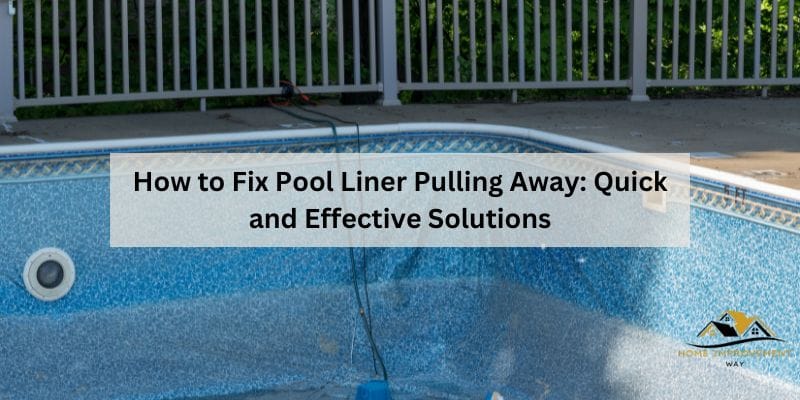
A pool liner pulls away from the coping track when the bead slips loose from age, trapped water behind it, or grit stuck in the track — the fix is to push the bead back into the track, using heat if it won’t stay put. Left alone, a loose liner can tear at the corners or let water seep behind it. This guide covers the bead-in-track method, the boiling-water trick, and patch kits for actual tears.
Causes Of Pool Liner Pulling Away
Age and wear are the most common cause. Vinyl liners lose elasticity over years of UV exposure and chemical contact, which makes the bead more likely to slip out of the coping track — especially on liners that haven’t been replaced in a long time.
Incorrect installation is another common cause. If the liner was cut too short, measured wrong, or the wall and floor weren’t properly smoothed before installation, tension builds unevenly and pulls the bead out of the track over time.
Trapped air or water behind the liner, and dirt or grit stuck inside the coping track, can also push or hold the bead out of position even on a liner that’s otherwise in good shape — this is usually the easiest cause to fix, since it just needs cleaning out.
Ground movement from freeze-thaw cycles, groundwater changes, or soil settling can shift the pool structure enough to create gaps between the liner and the wall, pulling the bead loose even on a liner installed correctly.
How To Push A Pool Liner Bead Back Into The Track
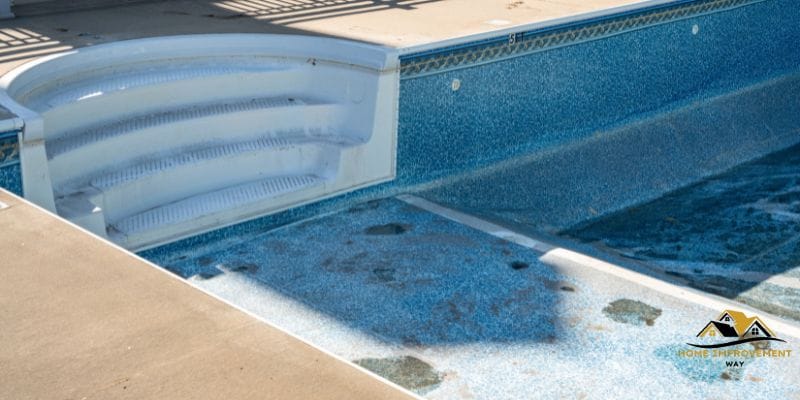
Most pool liners use a beaded edge that snaps into a coping track running around the top of the pool wall. When the bead slips out, you can usually push it back in by hand — working in short sections rather than pulling one long stretch, which reduces the risk of tearing an older liner.
- Clean the track first: Vacuum or wipe out any grit, sand, or algae from inside the coping track — a small piece of debris is sometimes the entire reason the bead won’t stay seated.
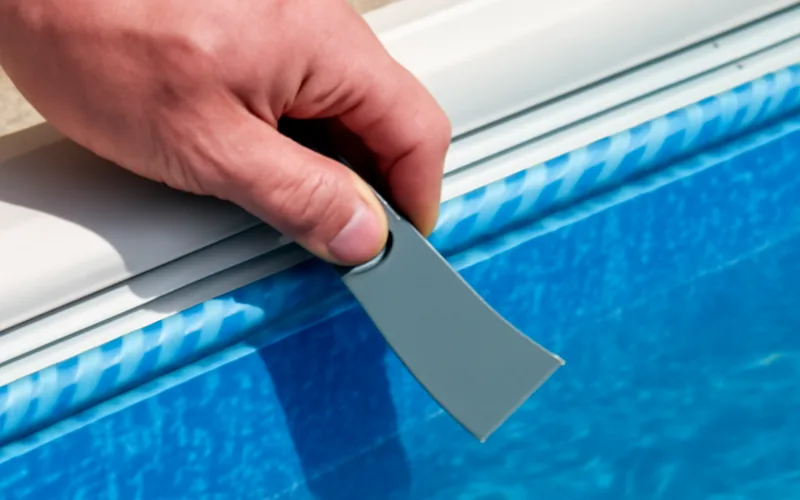
- Work the bead in small sections: Starting at one end, push the bead into the track about 6 inches at a time using your fingers or a flat, blunt tool like a plastic putty knife — metal tools and screwdrivers can puncture the liner, so avoid sharp edges.
- Wedge it in place as you go: Slide a penny, a popsicle stick, or a dedicated plastic liner lock into the track alongside the bead to hold tension while you move to the next section.
- Add heat if the vinyl won’t stretch: Pour water heated to near-boiling directly onto the section that keeps popping loose — this temporarily softens and stretches the vinyl, making it easier to seat the bead back in the track.
📊 A well-maintained vinyl pool liner typically lasts 6 to 12 years before it needs full replacement — pulling away from the track earlier than that is usually a fixable installation or maintenance issue, not a sign the liner is worn out. Source: Latham Pool Products, 2026
Best Pool Liner Repair Kit Pick
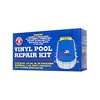
Boxer Adhesives No.110 Vinyl Pool Repair Kit – $19.99
For liners with an actual tear or hole rather than just a slipped bead — this kit patches the vinyl instead of requiring a full liner replacement, as covered in the patch-kit section below.
- Best for: small tears or holes found while re-seating the bead
- Why we picked it: underwater-cure adhesive, no need to fully drain the pool
- Main drawback: not a fix for a liner that’s simply out of the track with no tear
Compare more pool liner repair options
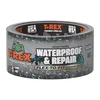 Option 1 T-REX Waterproof Repair Tape – $10.20
|
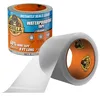 Option 2 Gorilla Waterproofing Tape – $14.94
|
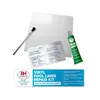 Option 3 Vinyl Liner Patch Kit – $21.99
|
As an Amazon Associate we earn from qualifying purchases.
Quick Solutions For Pool Liner Pulling Away
Draining And Stretching
If excess water or debris built up behind the liner is pushing it out of position, partially drain the pool with a submersible pump or siphon to give yourself room to work. Then stretch the liner back into place, starting at one end and gently pulling and tucking it into position as you go — an extra pair of hands helps hold tension.
Using Pool Liner Patch Kits
If the liner has an actual tear or hole rather than just a slipped bead, use a patch kit instead:
- Clean the affected area: Use a soft cloth and mild detergent to remove dirt, debris, or algae from the damaged spot so the adhesive can bond properly.
- Apply the patch: Cut the patch material to size with extra overlap around the tear, press the adhesive side firmly onto the liner, and smooth out any air bubbles.
- Let the adhesive cure: Follow the kit’s instructions for cure time, and avoid adding water to the pool until it’s fully set.
Sealing With Pool Liner Adhesive
For small areas where the liner is pulling away but there’s no visible tear, adhesive alone can reseal the edge:
- Clean the area: Remove dirt and residue from the edge of the liner with a cloth and mild detergent.
- Apply the adhesive: Use a small brush or the applicator provided to spread a thin, even layer along the edge.
- Press and hold: Hold the liner firmly against the pool wall for a few minutes so the adhesive sets and forms a seal.
- Let it cure fully: Follow the product’s recommended curing time before refilling that section with water.
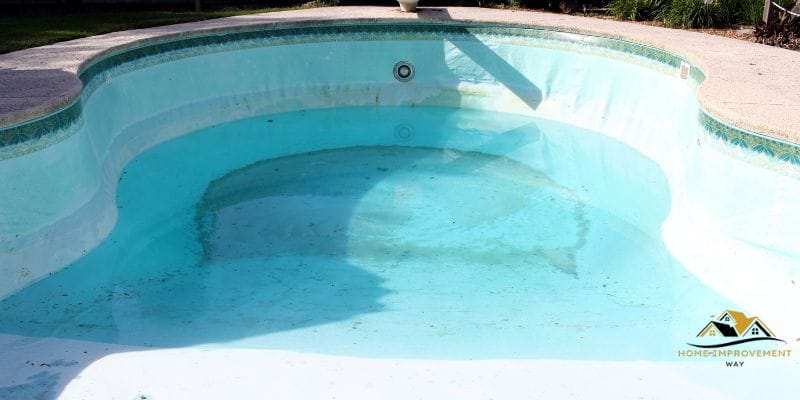
Effective Long-Term Solutions For Pool Liner Pulling Away
A liner pulling away repeatedly, even after re-seating the bead, usually points to a deeper issue — the liner is at the end of its life, or something in the pool structure itself is causing the problem. These three options address the underlying cause rather than just the symptom.
Replace The Pool Liner
If the liner is beyond repair — brittle, repeatedly slipping, or near the 6-to-12-year mark mentioned above — replacing it removes the risk of a bigger leak later. Choose a liner made of durable, UV-resistant material and confirm the installer measures the pool precisely before ordering.
Address Underlying Issues
Inspect the pool walls and floor for cracks or damage that could be pulling the liner loose, and review whether the original installation positioned the bead and track correctly. Fixing the structure prevents the same section from pulling away again after a repair.
Work With A Professional
A pool contractor can diagnose whether the cause is the liner’s age, the installation, or the pool structure, and recommend the right fix instead of guessing. For anyone unsure about draining, stretching, or patching correctly, a professional repair now is usually cheaper than a bigger leak later.
Frequently Asked Questions
Why is my pool liner pulling away from the wall?
The most common causes are age-related shrinkage from UV and chemical exposure, trapped air or water behind the liner, grit stuck in the coping track, or ground movement shifting the pool structure. Cleaning the track and checking for trapped water fixes many cases without replacing anything.
How do you push a pool liner bead back into the track?
Clean the track, then push the bead in with your fingers or a blunt plastic tool in short sections — about 6 inches at a time — rather than pulling one long stretch. Wedging a penny or popsicle stick alongside the bead helps hold it in place as you move down the track.
Does hot water help fix a pool liner that has pulled away?
Yes. Pouring near-boiling water directly on the section that won’t stay in the track temporarily softens and stretches the vinyl, making it easier to seat the bead back into the coping track. Let the area cool slightly before checking whether it holds.
How do you stop a pool liner from pulling away again?
Keep the coping track clean of grit and debris, check for trapped air or water behind the liner periodically, and consider a plastic liner lock in sections that repeatedly slip. A liner nearing the end of its typical 6-to-12-year lifespan is more prone to pulling away regardless of maintenance.
Can you patch a pool liner instead of replacing it?
Yes, for small tears or holes — a vinyl patch kit or underwater-cure adhesive tape can seal the damaged spot without draining the pool. Replacement only becomes necessary once the liner is extensively torn, faded, or brittle across large areas.
Conclusion
Fixing a pool liner that’s pulling away starts with identifying the cause — a slipped bead, trapped water, or an actual tear each need a different fix. Cleaning the track and re-seating the bead solves most cases; patch kits handle tears; a professional or replacement is worth considering once the liner is near the end of its typical lifespan.
Regular checks of the track and waterline help catch a loose bead before it turns into a bigger leak. For more home improvement repair guides, browse the rest of the site while you’re getting your pool back in shape.
Sponsored / affiliate links. As an Amazon Associate I earn from qualifying purchases. I may earn additional commission from eligible campaigns.