How to Fix Recliner Pull Handle Quickly and Easily
Fix a recliner pull handle by checking the handle, mounting screws, cable, and release mechanism in that order; in many cases, a loose handle needs fresh screws, while a spinning or hard-pull handle usually needs a new handle or cable. Waiting on the wrong part wastes time and can strip the mechanism. I use this order because it finds the failure fast, and it keeps you from buying a part that will not fit. This guide shows fast diagnosis, the exact failed part to replace, and how to match the right replacement before you buy.
What you’ll need

- Phillips screwdriver
- Flathead screwdriver
- Pliers
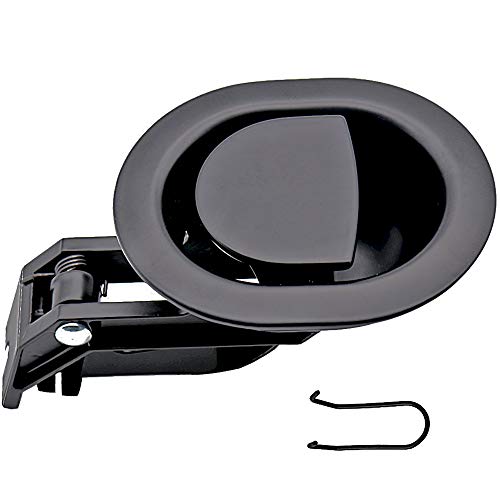
- Replacement pull handle that matches the recliner model and side
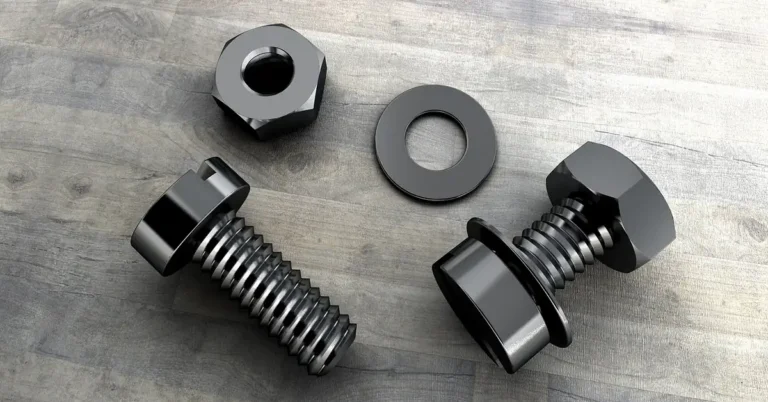
- Matching screws, bolts, or locking nut as needed
- Drill, only if hole spacing does not match
- Lubricant for a stiff release mechanism, if the model calls for it
- Glue or adhesive only for an approved loose plastic clip-style part
- Thread locker for a threaded rod that keeps backing out
📊 An elongated handle can add about 2 inches to the reclining mechanism. Source: Solutions for a Hard-to-Pull Recliner Handle.
How to diagnose the problem first
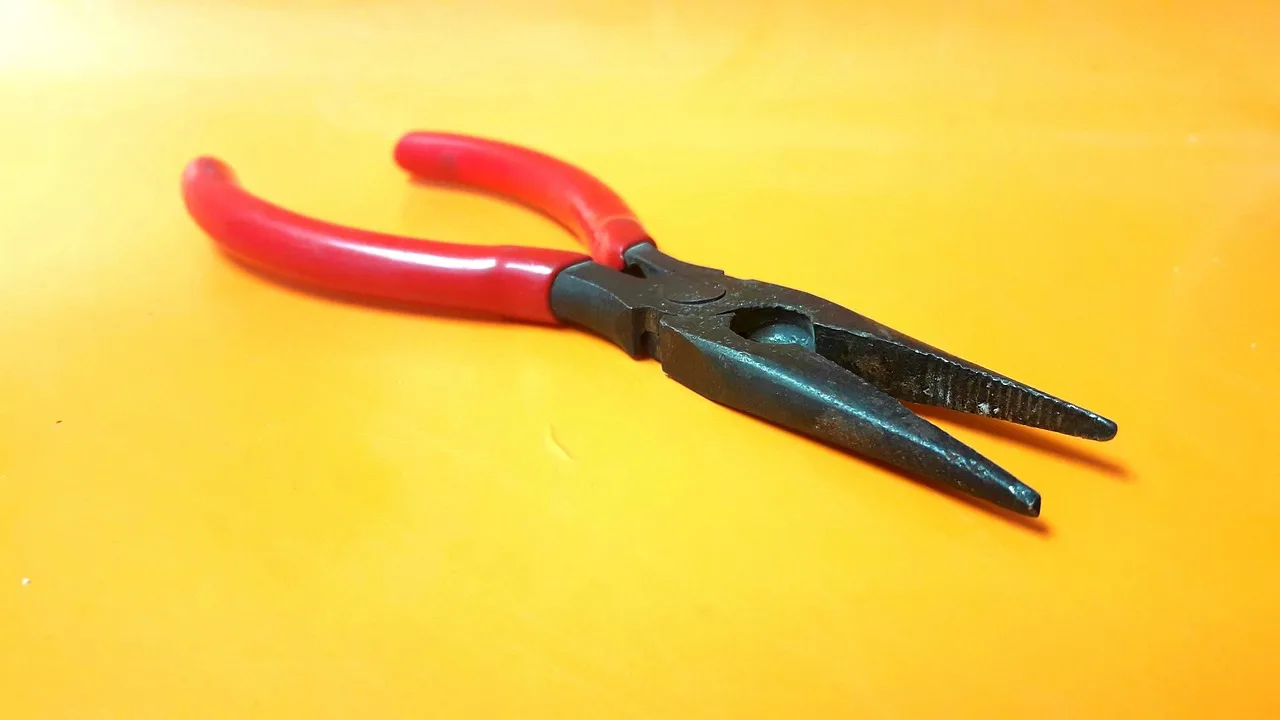
Start by identifying the failure mode before buying parts. A loose handle, a handle that spins, a hard pull, a disconnected cable, and a stuck return action usually point to different parts. I check the handle, the mounting hardware, and the release mechanism in that order because it cuts down on wasted parts and repeat work.
Quick diagnosis checklist with photo prompts
- Photo 1: front view of the handle mounted on the chair side.
- Photo 2: close-up of the screws, bolts, or threaded rod at the mount.
- Photo 3: inside view of the side panel with the handle removed.
- Photo 4: cable end, rod end, or plastic clip where it meets the release mechanism.
- Photo 5: the bracket, spring, and lever area with the chair partly reclined.
Decision table: symptom to failed part
| Symptom | Most likely failed part | Exact fix |
|---|---|---|
| Loose handle | Mounting screws or bolt | Tighten hardware; replace stripped fasteners if they no longer bite |
| Spinning handle | Stripped socket, loose set point, or broken mount | Replace the handle or mount; do not overtighten a damaged socket |
| Hard to pull | Stiff cable, dry release lever, or misaligned rod | Lubricate if allowed, realign parts, then replace the worn part if drag remains |
| Disconnected | Popped cable, rod end, or plastic clip | Reconnect if intact; replace the damaged end or clip if it will not hold |
| Won’t return | Release bracket, spring, or jammed mechanism | Check for bent parts, spring damage, and debris in the mechanism |

What you’ll need to fix it
The main tool needed is a screwdriver, and both Phillips and flathead screwdrivers are often used. Pliers help when fittings are stubborn. Drilling may be needed when the hole spacing does not match the replacement part. Use adhesive sparingly and only where the plastic clip design seems suitable for it.
- Gather the handle, screws, and matching hardware before opening the chair.
- Check the model tag so the replacement pull handle matches the mechanism.
- Measure side orientation and hole spacing before ordering an OEM or universal part.
- Set out pliers, lubricant, and thread locker only if the mechanism type calls for them.
How do you fix a recliner pull handle?
Fixing a recliner pull handle usually means replacing the worn handle or tightening the mount, but the order matters. Disconnect any power first, remove the old handle with the right screwdriver, inspect the mounting point, and match the new part to the exact recliner model and hole spacing before installation. That keeps you from buying the wrong side or spacing.
- Disconnect power if the chair has any powered features.
- Remove the old handle with the correct screwdriver.
- Inspect the mount, screw holes, bracket, and cable or rod end.
- Compare the old part to the replacement pull handle.
- Install the new handle and tighten hardware only until snug.
- Test the pull, return action, and full recline motion.
If the new handle binds, stop and recheck alignment. A handle that installs cleanly but still drags usually means the cable, lever, or bracket is the real failure point.
Which part failed: handle, cable, rod, or bracket?
Different recliner mechanisms fail in different ways. A handle can break without touching the release parts, while a cable, threaded rod, or plastic clip can fail even when the handle still looks fine. Match the repair to the mechanism, not the symptom alone.
Cable and release lever mechanism
- Remove the side panel and trace the cable from handle to release lever.
- Look for fraying, slack, or a popped cable end.
- Tighten loose screws on the lever housing.
- Lubricate the lever if it is dry and the model permits it.
Threaded rod mechanism
- Inspect the rod end, nut, and alignment at the mount.
- Check for a backing-out nut or bent rod.
- Tighten the locking nut, then add thread locker if the fastener keeps loosening.
- Replace the rod if threads are stripped or the rod is bent.
Plastic clip mechanism
- Inspect each clip tab for cracks or whitening.
- Check whether the clip still locks firmly under load.
- Replace the clip if it flexes, cracks, or pops free.
- Use adhesive only where the design allows a loose trim-type fit, not a structural joint.
How do you replace a La-Z-Boy recliner handle?
Replace a La-Z-Boy handle by confirming the exact style first, then matching the side and mount before you buy. Some recliners offer a left-side lever placement option on new models, and the right side is still standard on many recliners. Fit the OEM or universal part, then verify smooth travel.
- Identify the original handle shape, mount style, and side.
- Order the exact replacement pull handle, not just a similar-looking one.
- Remove the original handle without bending the bracket.
- Install the new handle and test for full travel.
- Check that the lever returns freely and does not rub the frame.
A brushed metal arc handle is one upgrade option. An elongated handle is another, and it can add about 2 inches to the reclining mechanism. Those upgrades help when the original grip is awkward, but they still need the correct mount and side orientation.
Are recliner lever extenders worth it?
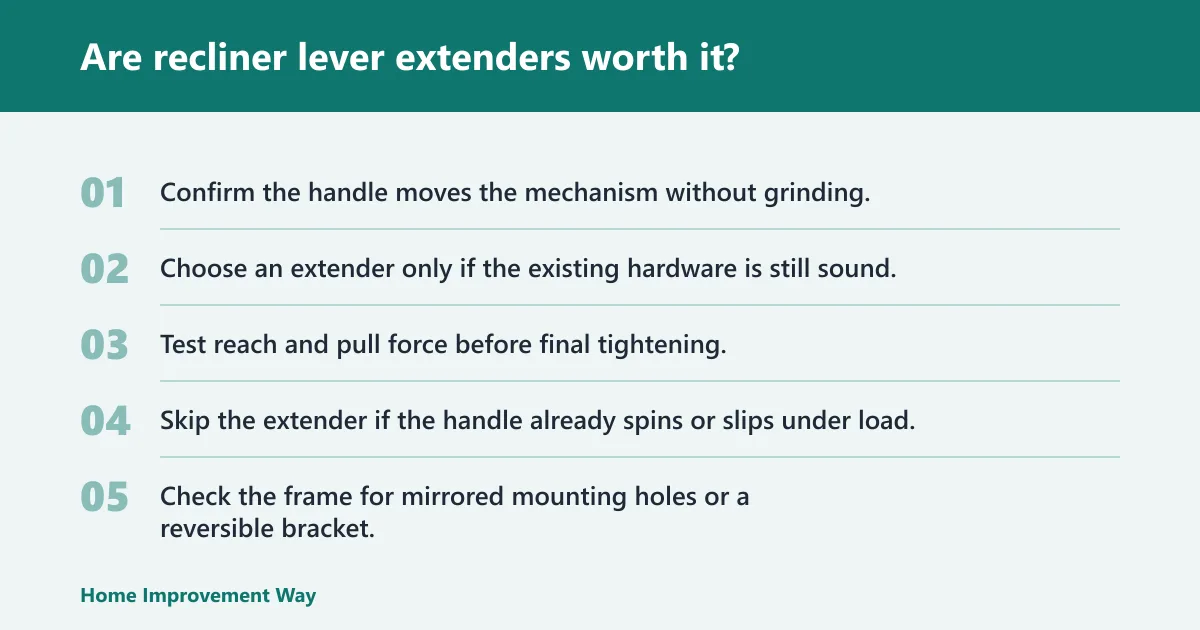
A recliner lever extender is a simple, cost-effective fix when the handle is hard to reach or hard to pull. It can be worth trying before a full mechanism swap if the chair still works and the issue is reach or pull force rather than a broken part. It will not cure a stripped socket or damaged cable.
- Confirm the handle moves the mechanism without grinding.
- Choose an extender only if the existing hardware is still sound.
- Test reach and pull force before final tightening.
- Skip the extender if the handle already spins or slips under load.
Can a recliner handle be switched to the other side?
Sometimes, but only if the mechanism is built for it. Many recliners come standard with the lever on the right side, and side changes usually depend on the bracket, cable routing, and frame layout. If the chair is not designed for a side swap, forcing it usually creates a worse fit.
- Check the frame for mirrored mounting holes or a reversible bracket.
- Confirm the replacement handle or mechanism is sold for the opposite side.
- Move the hardware only if the cable or rod routing remains clean.
- Test the pull before reattaching trim or side panels.
What if the recliner handle is loose but not broken?
A loose handle may only need new fasteners rather than a full replacement. Tighten the screws or bolt first, then inspect for stripped threads, cracked plastic, or an egged-out hole. If the handle rocks even after tightening, the mount is worn and the part should be replaced instead of forced.
- Remove the handle enough to inspect the mount.
- Replace any stripped screws or bolts with matching hardware.
- Check whether the socket or bracket has cracked.
- Reinstall snugly and test under normal pulling force.
Should I repair the handle or replace the whole recliner?
Replace the handle, cable, or release parts first unless the frame is bent, the mechanism is broken through, or the chair has multiple failed sections. A service call or full chair replacement makes more sense when the structure is damaged, the seat frame is warped, or the repair cost climbs close to the chair’s value.
- Compare the cost of the handle, cable, and hardware to chair value.
- Inspect the frame for bending, cracked welds, or broken pivots.
- Choose repair if the failure is isolated to the pull system.
- Choose replacement only when the mechanism or frame is beyond practical repair.
If the chair works except for reach or pull effort, a lever extender or upgraded handle is the lighter fix. If the chair keeps failing after part swaps, the mechanism itself is likely worn out.
Common mistakes
A common mistake is buying the wrong hole spacing or side orientation. Another is overtightening screws, bolts, or a locking nut until the handle binds. Forcing a plastic clip, using adhesive where a mechanical fit is required, and skipping the test pull all create repeat failures.
- Do not order by appearance alone; match the model and mount.
- Do not overtighten and crush a plastic handle socket.
- Do not use glue as a cure for a broken structural part.
- Do not skip the load test after reassembly.
- Do not ignore pinch points around the side frame and linkage.
Prevention: After repair, keep the mechanism clean and test the pull before sitting hard into the chair. A quick check of screws and side mounting stops a loose handle from turning into a stripped bracket.
Frequently asked questions
How do you fix a recliner pull handle?
Check the handle, screws, and release linkage in that order, then replace the failed piece instead of guessing. If the handle only wobbles, tighten the hardware first. If it spins or pulls with no resistance, replace the handle or inspect the cable, rod, or clip for a disconnected end.
Why is my recliner handle hard to pull?
A hard pull usually means friction in the cable, lever, or rod path, not a bad handle alone. Clean out debris, inspect for kinks or frayed cable, and add lubricant only where the mechanism allows it. If the pull stays stiff, the worn part needs replacement.
Can I replace a recliner handle myself?
Yes, if the failure is limited to the handle, fasteners, or a simple cable connection. Use a screwdriver, pliers if needed, and a replacement part that matches the model and side. If the bracket is broken or the frame is bent, stop and reassess before forcing parts.
What tools do I need to fix a recliner handle?
A Phillips screwdriver and flathead screwdriver handle most jobs, and pliers help with tight fittings. A drill is only for mismatched hole spacing, and adhesive should be used only on approved plastic clip parts. Keep the replacement handle, matching screws, and any thread locker ready.
How do I replace a La-Z-Boy recliner handle?
Match the exact handle style and side before ordering, then remove the old part without bending the bracket. Install the OEM or universal replacement, tighten the fasteners only until snug, and test for smooth travel. If it binds, inspect the cable or rod alignment before closing the chair.
Are recliner lever extenders worth it?
They are worth it when the chair still works but the pull is too hard or too far away. A lever extender is a simple, cost-effective fix for that problem. It will not repair a stripped socket, broken clip, or failed release mechanism, so diagnose first.
Sponsored / affiliate links. As an Amazon Associate I earn from qualifying purchases. I may earn additional commission from eligible campaigns.