How to Fix Warped Wood (and a Warped Wooden Door)
Fix warped wood with moisture and heat for a mild bow, or clamps and weight for a more stubborn warp – but on a warped-feeling door, check the hinges and frame alignment first, since that’s a more common cause than true warping. Ignore the real cause and the fix won’t hold, no matter how carefully it’s applied. This guide covers the moisture/heat, humidity/weight, and clamping methods, plus the specific steps for a warped door.
Identifying And Assessing Warped Wood
Whether you’re building furniture, installing flooring, or working on a home improvement project, warped wood can throw off the whole plan. With the right technique, you can fix warped wood and restore its original shape – starting with identifying and assessing the warp itself.
Common Causes Of Warping
Identifying the root cause helps prevent future warping. The main factors:
- Exposure to moisture: uneven moisture absorption expands or contracts wood fibers unevenly, causing warp – protect wood from excess moisture or sudden humidity swings.
- Inadequate drying: wood that hasn’t been properly dried before use is more prone to warping, especially freshly cut or green wood with higher moisture content.
- Improper storage: extreme temperatures or direct sunlight cause wood to expand or contract – store wood in a controlled environment with stable temperature and humidity.

Types Of Wood Warp
Identifying the specific type of warp determines the best fix:
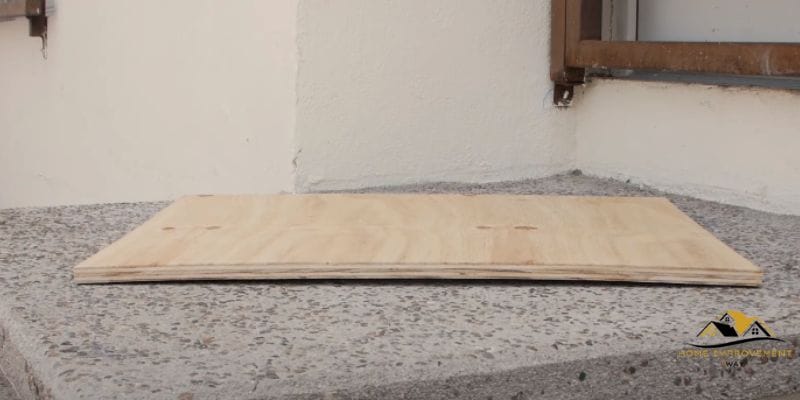
- Bow: the wood bends along its length, forming a curve – common in long, narrow pieces.
- Cup: the edges curl up or down, creating a concave or convex shape, usually from moisture imbalance on the surface.
- Twist: the wood warps in a spiraling motion, from uneven drying or internal stresses.
- Crown: the opposite of cupping – the center rises higher than the edges, usually from uneven shrinkage.
Evaluating The Extent Of Damage
Once the type of warp is identified, evaluate the severity to decide whether the wood can be salvaged or needs replacing:
- Magnitude: measure the degree of warp with a straightedge or measuring tape to gauge how much correction is needed.
- Stability: check whether the warp is stable or still changing – ongoing warping signals an issue that needs addressing first.
- Structural integrity: assess whether the warp compromises the project’s stability or function – if so, replacement may be the better call.
Methods For Fixing Warped Wood
Moisture And Heat Technique
Combining moisture and heat coaxes the wood back into shape – works well for a mild bow or cup:
- Place a damp cloth directly on the concave side of the wood.
- Using an iron set to medium heat, apply gentle pressure on the cloth for a few seconds.
- Move the iron slowly, letting the moisture penetrate the wood fibers.
- Repeat, gradually applying more pressure, until the wood regains its shape.
- Check progress regularly to avoid overcorrecting.
Humidity And Weight Technique
Humidity plus sustained weight relaxes the wood fibers so they straighten naturally:
- Find a container large enough to hold the warped wood.
- Fill it with water about halfway.
- Place a wire rack at the bottom to elevate the wood above the water.
- Set the warped wood on the rack, evenly supported.
- Cover the container with plastic sheeting to create a humid environment.
- Let the wood absorb moisture for several hours or overnight.
- Remove the wood and place it on a flat surface.
- Apply weight evenly across the surface with heavy objects like books or weights.
- Leave the weight in place for a few days, or until the wood has straightened.
Using Clamps And Pressure Technique
Controlled clamp pressure gradually straightens and reshapes the wood:
- Identify the concave or convex areas of the wood.
- Place suitably-sized wooden blocks on each side of the wood, aligned with the affected area.
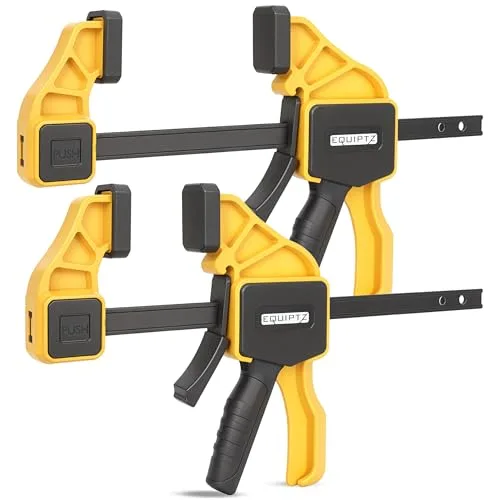
- Secure the blocks with clamps so they firmly hold the wood in place.
- Gradually tighten the clamps, applying gentle pressure.
- Check the wood’s progress periodically, adjusting the clamps as needed.
- Leave the clamps in place for several hours or days until the wood has straightened.
“Cut a piece of thin sheet brass or dense, hard-surface cardboard to fit beneath it.”
How to Fix a Warped Wooden Door
Many “warped door” complaints are actually loose hinges or a shifted frame, not true warping – check and tighten the hinge screws first, since that alone often fixes a door that won’t close or latch properly.
Rule Out A Hinge Or Alignment Problem First
Tighten any loose hinge screws and check whether the door now closes flush. For a slight bow on the hinge side, adding a third hinge centered between the existing top and bottom hinges often pulls the door back into alignment without touching the wood itself.
Shimming The Hinges
Loosen (don’t fully remove) the hinge screws and slide a thin shim – sheet brass or dense cardboard cut to fit – behind the hinge leaf on the jamb side. This corrects a door that binds or gaps unevenly without any sanding or planing.
Drying A Warped Door In Place
If the door itself is genuinely warped, remove it and lay it across sawhorses in full sunlight with the convex (warped) side facing up. The sun’s heat helps internal moisture stabilize and the door gradually flattens over several days.
Sanding A Sticking Door
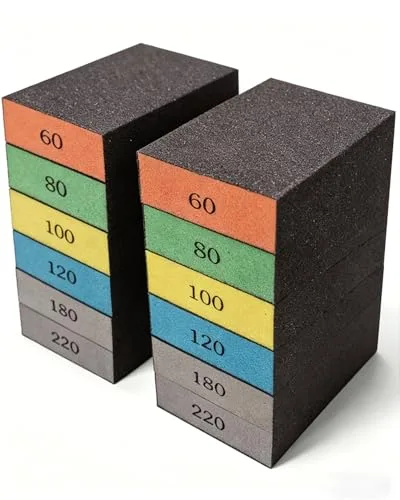
With the door closed, mark the spot that’s sticking or catching with a pencil. Remove the door from its hinges, then sand or block-plane just that marked area until the door swings freely – removing too much material at once can leave a visible gap.
Preventing Wood Warping
Preventing warping in the first place saves the time and effort of fixing it later – proper wood selection, storage, and finishing are the three biggest levers.
Proper Wood Selection And Preparation
Different species hold moisture differently – naturally stable woods like oak or maple warp less. Choose kiln-dried or properly seasoned stock, and remove rough edges, knots, or irregularities by planing or sanding before starting the project.
Effective Storage And Handling Techniques
Store wood in a well-ventilated area with consistent humidity – fluctuating temperature and humidity is what drives most warping. Wrapping the wood in plastic or covering it with a tarp helps maintain moisture balance.
When handling wood, avoid concentrating pressure on one spot – distribute weight evenly and support the full length using sturdy sawhorses or clamps to avoid stress-induced deformation.
Applying Protective Finishes
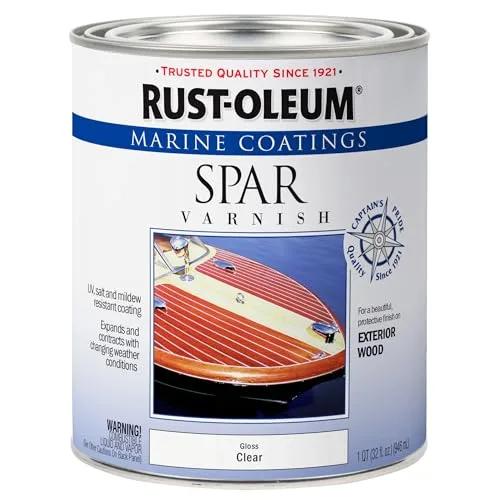
A protective finish – varnish, lacquer, or paint – creates a barrier against moisture absorption, one of the primary causes of warping. Clean and lightly sand the wood first for a smooth surface the finish can adhere to, then apply evenly per the manufacturer’s instructions.
FAQ
Can warped wood be fixed permanently?
Yes, in most cases. Moisture-and-heat or humidity-and-weight corrections hold permanently once the wood dries back to a stable moisture level and is sealed with a protective finish. Severely warped or already-cracked wood may partially revert over time.
Why does my wooden door keep warping?
Often it isn’t the wood at all – loose hinge screws or a shifted frame create the same symptoms as warp. Tighten the hinges first. If the door is genuinely warped, uneven moisture exposure between its two faces (common on exterior doors) is the usual cause.
How long does it take to fix warped wood?
The humidity-and-weight method needs a few hours of soaking plus several days under weight. Clamping typically takes several hours to a few days. Sun-drying a warped door takes several days of direct sunlight exposure.
What causes wood to warp in the first place?
Uneven moisture absorption is the top cause, followed by inadequate drying before use and improper storage in fluctuating temperature or humidity. Choosing kiln-dried, stable species and sealing with a finish prevents most warping.
Conclusion
Fixing warped wood comes down to matching the technique to the severity of the warp – moisture and heat for a mild bow, humidity and weight or clamps for something more stubborn. For a door, rule out loose hinges or a shifted frame before assuming the wood itself needs correcting.
Sponsored / affiliate links. As an Amazon Associate I earn from qualifying purchases. I may earn additional commission from eligible campaigns.