How to Fix Wood Floors Damaged by Dog Urine
Dealing with pet accidents on your wood floors can be upsetting. Spots and stains from dog urine happen to many pet owners, especially those new to caring for wooden surfaces. The challenge is knowing the best way to clean and repair the damage without making it worse.
This guide promises a clear, simple path to restoring your beautiful wood floors. Get ready to learn how to tackle this common issue step-by-step.
Understanding Dog Urine Damage on Wood Floors
Dog urine is a common culprit behind unsightly damage to hardwood floors. Its acidity and moisture content can quickly penetrate the wood’s finish and even seep into the wood itself. This leads to a range of problems, from simple discoloration to deep, permanent staining and warping.
Understanding these effects is the first step in effective repair. This section will explore the science behind why urine is so damaging to wood and what physical changes you might see.
The Chemistry of Urine and Wood Interaction
Urine contains ammonia and uric acid, compounds that are highly reactive. When urine spills onto a wood floor, these substances begin to break down the wood’s protective finish, like polyurethane or wax. The ammonia can cause the wood to swell and the color to fade or darken, depending on the wood type and the finish.
The uric acid crystals are particularly stubborn and can remain even after the liquid has evaporated, causing long-lasting odors and stains.
This chemical reaction is why simply wiping up a urine spot isn’t enough. The damage goes deeper than the surface. Over time, repeated exposure can weaken the wood fibers, making them more susceptible to rot and mold if not addressed promptly.
The penetration depth depends on the porosity of the wood and how quickly the spill is attended to. Older or unfinished wood will absorb urine much faster and deeper than newer, well-sealed wood.
Visible Signs of Dog Urine Damage
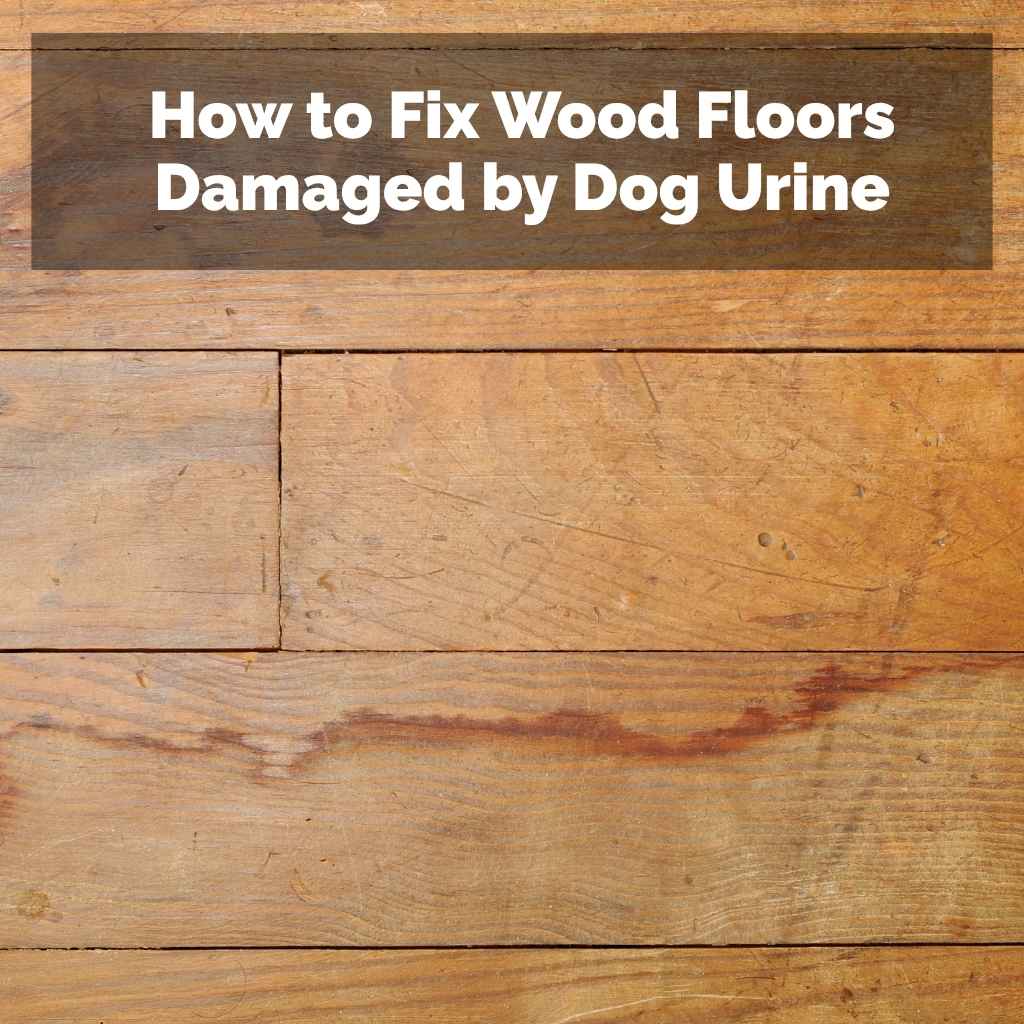
The most obvious sign of dog urine damage is a stain. These can range from light to dark brown or even black, depending on how long the urine has been there and the type of wood. You might also notice a dark ring around the affected area, indicating where the moisture has spread.
In severe cases, the wood might appear slightly warped or even discolored from the inside out, showing a change in its natural grain pattern.
Another common issue is a lingering odor. Even if you can’t see a stain, a persistent urine smell points to urine that has soaked into the wood or subfloor. Sometimes, the finish on the wood might look cloudy or dull in spots where urine has compromised its integrity.
This cloudiness is the finish reacting to the chemicals in the urine.
A study by the National Wood Flooring Association noted that improper cleaning of pet stains can actually set the stain further into the wood, making it harder to remove. This highlights the importance of using the right methods from the start.
Assessing the Extent of the Damage
Before you can start fixing your wood floor, you need to know just how bad the damage is. Is it a surface stain, or has the urine soaked deep into the wood? This step is crucial because it dictates the repair methods you’ll need to use.
We’ll cover how to carefully inspect the affected areas and what signs point to more severe problems.
Identifying the Affected Area
Begin by visually inspecting the floor. Look for any discoloration, dark spots, or rings. You might need a strong flashlight to see subtle changes in the wood’s color or finish.
Pay close attention to areas where your dog frequently has accidents. The smell can also be a good indicator, even if a stain isn’t immediately visible.
Gently touch the stained area. Does it feel any different? Sometimes, urine can make the wood feel slightly sticky or soft if it has started to break down.
If the wood has swollen, you might see edges that are raised or uneven compared to the surrounding boards.
A key indicator of deeper damage is when the stain seems to be coming from within the wood itself, rather than just sitting on the surface. If the stain doesn’t lighten or disappear after a basic cleaning attempt, it’s likely penetrated deeper.
Surface Stains vs. Deep Penetration
Surface stains are usually easier to deal with. They often involve discoloration of the wood’s top finish. These might be lighter in color than the surrounding wood, or they could be a dark smudge.
These are good candidates for light sanding and refinishing.
Deep penetration means the urine has gone through the finish and into the wood fibers. These stains are darker and may appear as black or dark brown spots that don’t easily rub off. Swelling or warping of the wood is also a sign of deep damage.
If you can smell urine strongly even after cleaning, it has likely soaked in.
A common scenario is a dog that has had an accident and the owner doesn’t notice it for a day or two. By then, the urine has usually had enough time to soak into the wood, turning a simple spot into a more challenging repair job.
When to Call a Professional
If the damage is widespread, affecting a large area of your floor, or if the wood is significantly warped or starting to rot, it’s probably time to call in an expert. Professionals have specialized tools and knowledge to assess and repair extensive damage. They can also determine if the subfloor itself has been compromised and needs attention.
Don’t hesitate to seek help if you’re unsure or if the problem seems too big to handle on your own.
For instance, if an entire room shows signs of widespread urine damage from a pet that was unwell for an extended period, a professional flooring contractor is best equipped to handle the restoration. They can provide a more accurate assessment and a plan for complete repair or replacement if necessary.
How to Repair Wood Floor Damaged by Dog Urine
Now for the main event: fixing those urine-damaged wood floors. We’ll break down the process into manageable steps. You’ll learn about the tools and materials you need and exactly how to apply them to get your floors looking great again.
This guide covers everything from simple spot treatments to more involved repairs.
Gathering Your Supplies
Before you begin, make sure you have everything you need. This helps the repair process go smoothly. You’ll likely need a good quality wood cleaner specifically designed for pet stains, a mild abrasive pad (like fine-grit sandpaper or steel wool), a wood stain that matches your floor color, a wood sealant or finish, and application tools like brushes or rags.
For tougher stains, you might also need a wood bleach (like oxalic acid) or a hydrogen peroxide solution. Always choose products that are safe for your type of wood finish. It’s also wise to have a clean microfiber cloth for wiping and a vacuum cleaner to remove dust.
The specific supplies can vary based on the severity of the stain. For lighter marks, a simple cleaning solution might suffice. For deeper stains, you’ll need more heavy-duty items.
Always check the manufacturer’s recommendations for your flooring.
Step-by-Step Repair Process
First, ensure the area is completely dry. If there’s any lingering moisture, it could worsen the problem. Next, clean the stained area thoroughly with a pet-stain remover.
Follow the product’s instructions carefully.
For surface stains, you can try lightly sanding the spot. Use fine-grit sandpaper (150-220 grit) or a steel wool pad. Sand in the direction of the wood grain.
The goal is to remove just the damaged top layer of the finish and a bit of the wood surface.
After sanding, clean the area again to remove dust. If the stain is still visible, you might need to use a wood bleach or a hydrogen peroxide solution. Apply it sparingly according to product directions.
This can lighten dark stains. Be patient, as bleaching may require multiple applications.
Once the stain is removed or significantly lightened, you’ll need to reapply the finish. If you sanded down to bare wood, you’ll need to stain the area to match the surrounding floor. Apply the stain with a clean rag or brush, wiping away any excess.
Let it dry completely.
Finally, apply a clear sealant or finish that matches your existing floor. This protects the wood and restores the sheen. You might need to apply several thin coats, allowing each to dry thoroughly.
Buffing gently between coats can help create a smooth finish.
Dealing with Odors
Sometimes, even after the stain is gone, the smell of urine can linger. This means urine has soaked into the wood or even the subfloor. For surface odors, a good enzymatic cleaner can break down the odor-causing molecules.
Follow the product instructions. For deeper odors, you might need to use a specialized odor-sealing primer before applying your topcoat.
In persistent cases, the subfloor might need to be treated. This could involve sanding it down or using a specialized odor-blocking sealant. If you’re doing a full floor refinishing, this is a good time to address any lingering smells from past accidents.
Spot Repair vs. Refinishing the Entire Floor
Spot repairs are ideal for isolated stains that are not too severe. They save time and money. However, it can be challenging to perfectly match the color and sheen of the spot repair to the rest of the floor.
This can sometimes result in a noticeable patch.
Refinishing the entire floor is a more labor-intensive option, but it guarantees a uniform look. If you have multiple stained areas, or if the damage is extensive, refinishing the whole floor might be the best long-term solution. This process involves sanding down the entire floor to bare wood and then applying new stain and finish to the whole area.
A homeowner might find that after trying to spot repair a few small urine stains, they notice that the repaired spots don’t quite match the rest of the floor. In such cases, they might decide to refinish the entire floor for a cohesive appearance. This is a common decision made after assessing the results of initial spot treatments.
Preventing Future Dog Urine Damage
The best way to deal with dog urine damage is to prevent it from happening in the first place. This section provides practical tips for keeping your wood floors safe from pet accidents. We’ll look at training, regular cleaning, and protective measures you can take.
Effective Potty Training Techniques
Consistent and positive potty training is key. Take your puppy or new dog outside frequently, especially after waking up, eating, and playing. Reward them immediately with praise and a small treat when they go to the bathroom in the designated outdoor spot.
Gradually increase the time between outdoor trips as they get older and more reliable.
For adult dogs, establish a regular potty schedule. If accidents happen indoors, don’t punish your dog. Clean the area thoroughly with an enzymatic cleaner to eliminate any scent that might attract them back to the same spot.
Consider using a house-training aid or spray if needed, but always follow instructions and observe your dog’s reactions.
One common mistake is assuming a dog knows to go outside. Regular reinforcement and positive feedback are crucial. Accidents are learning opportunities, not failures.
This proactive approach significantly reduces the likelihood of damage.
Using Protective Measures
Consider using protective mats or rugs in areas where your dog is most likely to have accidents or where they spend a lot of time. These can catch spills and protect the wood underneath. For very young or elderly dogs, or those with health issues, you might want to confine them to an area with easily cleanable flooring during unsupervised times.
There are also pet-specific floor sealants and finishes available that offer enhanced protection against moisture and stains. When you install or refinish your wood floors, ask your installer about these options. They can provide an extra layer of defense without significantly altering the appearance of your floor.
Many pet owners find that placing chew toys or comfortable beds in designated spots can help keep dogs occupied and away from potential mischief. This redirection is a simple yet effective preventative measure.
Regular Cleaning and Maintenance
Make a habit of cleaning your wood floors regularly. Sweep or vacuum (using a hard floor attachment) daily or every other day to pick up dirt and debris that could track moisture. For general cleaning, use a damp mop with a pH-neutral wood floor cleaner.
Avoid using excessive water, as standing water can damage wood.
Clean up any spills immediately, whether it’s water, food, or pet accidents. The faster you address a spill, the less chance it has to penetrate and cause damage. Regularly inspect your floors for any signs of wear or potential problems, and address them as soon as possible.
This proactive maintenance is far easier than dealing with significant damage later.
A homeowner invested in maintaining their wood floors might implement a weekly routine of sweeping and a bi-weekly routine of damp mopping. This consistent care helps to preserve the finish and catch any emerging issues before they become major problems.
Frequently Asked Questions
Question: How do I know if my wood floor is beyond repair from dog urine?
Answer: If the wood is significantly warped, has black, deep stains that don’t lighten with bleaching, or if the subfloor is also damaged, it may be beyond simple repair and might require professional assessment or replacement of boards.
Question: Can I use bleach on wood floors to remove dog urine stains?
Answer: You can use a wood bleach like oxalic acid or a diluted hydrogen peroxide solution, but always test it on an inconspicuous area first. Never use chlorine bleach, as it can damage the wood and its finish.
Question: How long does it take for dog urine to damage wood floors?
Answer: Damage can occur quickly, especially if the urine is left to sit. Within hours, the acidity can start to break down the finish. Over days or weeks, it can penetrate the wood, causing deep stains and warping.
Question: What is the best way to get rid of the smell of dog urine from wood floors?
Answer: Use an enzymatic cleaner specifically designed for pet odors. These cleaners break down the odor-causing molecules. For persistent smells, you may need to sand and reseal the affected area, or even treat the subfloor.
Question: Should I refinish my entire wood floor or just spot repair urine stains?
Answer: Spot repair is best for isolated, minor stains. If you have multiple stains, or if the damage is widespread and affects the overall appearance, refinishing the entire floor will provide a more uniform and aesthetically pleasing result.
Conclusion
Fixing wood floors damaged by dog urine is manageable. You’ve learned how to spot the damage, choose the right repair method, and prevent future accidents. Simple cleaning, light sanding, and careful refinishing can restore most affected areas.
For tougher spots, bleaching or professional help might be needed. Staying on top of cleaning and training your pet are your best defenses. Your beautiful wood floors can be saved with the right approach.