How to Get Smell Out of Old Wood Cabinets Easy
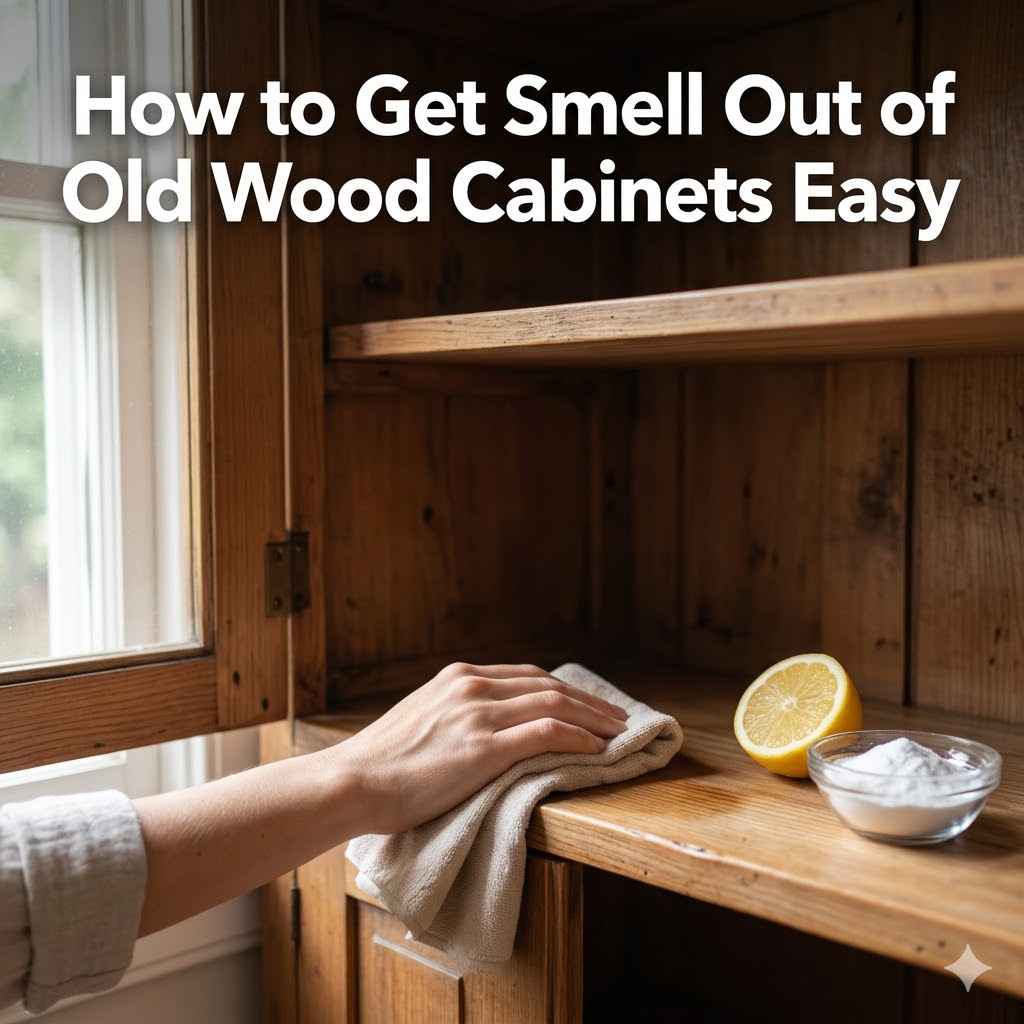
Old wood cabinets can sometimes hold onto smells, making your kitchen or living space less pleasant. It’s a common problem, and figuring out how to get the smell out of old wood cabinets: easy steps can seem tricky when you’re new to it. But don’t worry!
We’ll walk you through simple, effective methods to refresh your cabinets and make them smell wonderful again. Get ready to discover how to tackle those lingering odors without a fuss.
Deep Cleaning Old Wood Cabinets for Odor Removal
Cleaning your old wood cabinets thoroughly is the first and most important step in removing unwanted smells. This process goes beyond a quick wipe-down. It involves understanding the materials you’re working with and employing methods that gently lift away odor-causing residues without damaging the wood.
A good deep clean can significantly improve the air quality and the overall feel of your home. It sets the foundation for any further odor-neutralizing steps you might take.
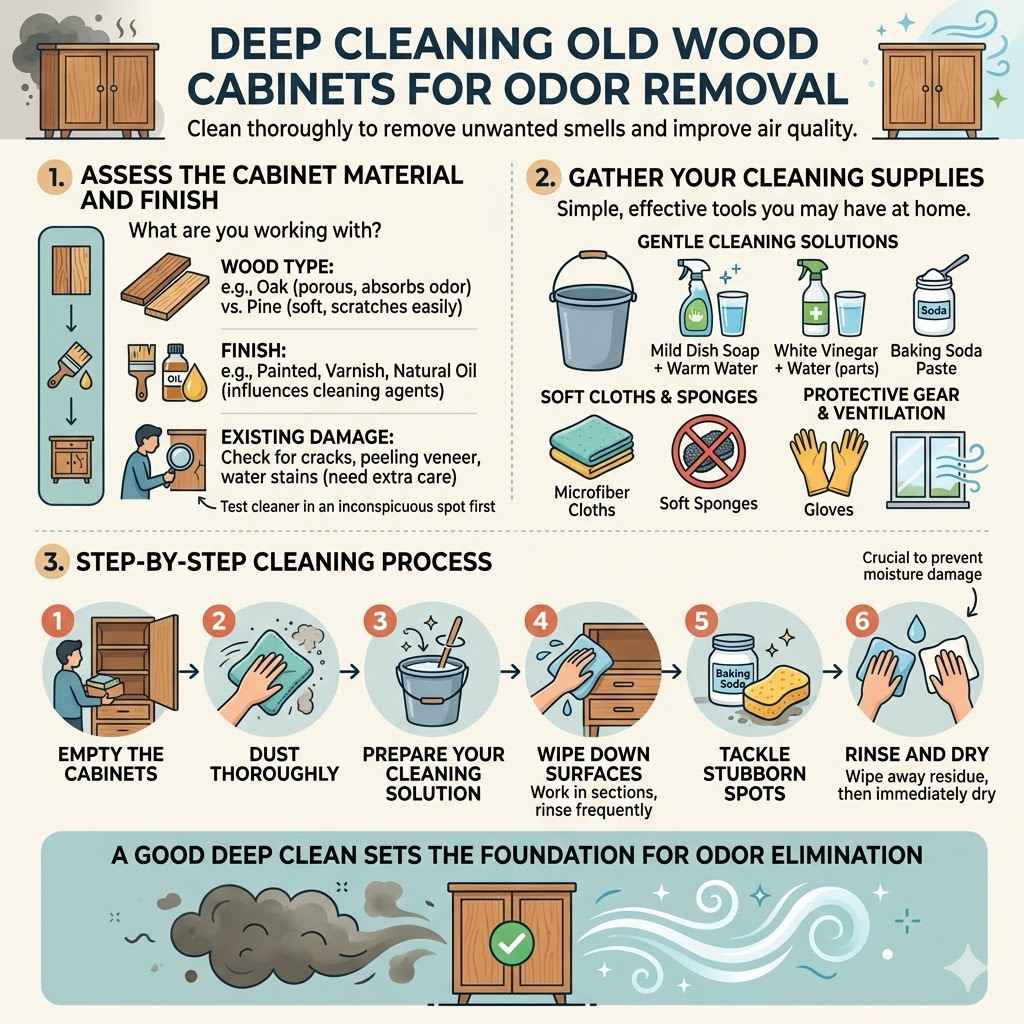
Assessing the Cabinet Material and Finish
Before you start scrubbing, take a moment to look closely at your cabinets. What kind of wood are they made of? Do they have a painted finish, a varnish, or a natural oil treatment?
Knowing this helps you choose the right cleaning agents. For instance, strong chemicals might strip paint or damage delicate finishes. Gentle, pH-neutral cleaners are usually a safe bet for most wood types.
Pay attention to any existing damage like cracks or peeling finish, as these areas might need extra care.
Identifying Wood Type: Different woods have different porosities. Oak, for example, is more porous than maple, meaning it can absorb more odors. Knowing your wood type can guide your cleaning intensity. Pine is softer and can scratch easily, requiring softer cloths and less pressure.
Recognizing the Finish: A matte finish might be more sensitive to abrasive cleaners than a high-gloss polyurethane. Waxed finishes need special care to avoid dulling the shine. If you’re unsure, test any cleaner in an inconspicuous spot first, like the inside of a door.
Checking for Existing Damage: Peeling veneer, water stains, or loose joints can trap moisture and odors. These areas might need repair before cleaning to prevent further deterioration. Addressing damage early can save you a lot of trouble down the line.
Gathering Your Cleaning Supplies
Having the right tools and supplies makes the cleaning process much smoother and more effective. You don’t need fancy or expensive products to get great results. Most of what you’ll need can be found around your home or at your local grocery store.
Having everything ready means you can focus on the task at hand without interruptions. This preparation ensures you can tackle the job efficiently and get your cabinets smelling fresh in no time.
Gentle Cleaning Solutions: A mixture of mild dish soap and warm water is a good starting point. For tougher jobs, a solution of equal parts white vinegar and water can be effective. Baking soda paste, made with water, is excellent for scrubbing away grime.
Soft Cloths and Sponges: Use microfiber cloths for dusting and wiping, and soft sponges for cleaning surfaces. Avoid abrasive scrubbers that can scratch the wood finish. Having several cloths handy is useful for different tasks, like one for washing and one for drying.
Protective Gear: Consider wearing gloves to protect your hands from cleaning solutions. If you’re using vinegar, opening a window for ventilation is a good idea. Ensure the area is well-lit so you can see what you’re doing.
Step-by-Step Cleaning Process
Follow these steps to clean your old wood cabinets effectively. This method is designed to be gentle yet thorough, targeting the sources of bad smells.
Empty the Cabinets: Remove everything from the cabinets you plan to clean. This gives you full access to all surfaces and prevents items from getting wet or dirty.
Dust Thoroughly: Use a dry microfiber cloth or a soft brush to remove all loose dust and debris from the inside and outside of the cabinets.
Prepare Your Cleaning Solution: Mix your chosen cleaner. For everyday cleaning, a few drops of mild dish soap in a bucket of warm water work well. For deeper cleaning, use a 1:1 solution of white vinegar and water.
Wipe Down Surfaces: Dip a soft cloth into your cleaning solution, wring it out well so it’s damp, not dripping. Wipe down all interior surfaces, drawers, and shelves. Work in sections, rinsing your cloth frequently.
Tackle Stubborn Spots: For tougher grime or sticky residues, apply a paste of baking soda and water. Let it sit for a few minutes, then gently scrub with a soft sponge. Wipe clean with a damp cloth.
Rinse and Dry: After cleaning, wipe all surfaces with a separate cloth dampened with plain water to rinse away any cleaning residue. Immediately follow up with a dry cloth to ensure the wood is completely dry. This is crucial to prevent moisture damage.
This thorough cleaning process is the first big step in How to Get the Smell Out of Old Wood Cabinets: Easy Steps. It removes surface grime and odor-carrying particles, preparing the wood for deeper odor elimination.
Natural Deodorizing Techniques for Wood Cabinets
Once your cabinets are clean, it’s time to tackle any lingering smells. Natural deodorizers are effective because they absorb or neutralize odors rather than just masking them. These methods are safe for wood and won’t introduce harsh chemicals into your home.
Using natural solutions is often the most recommended approach for preserving the integrity of your old wood cabinets while making them smell fresh.
The Power of Baking Soda
Baking soda is a miracle worker when it comes to absorbing odors. It’s a mild alkali that neutralizes acidic smells, which are common culprits for musty or stale cabinet odors. Its porous nature allows it to trap odor molecules effectively.
Unlike air fresheners, baking soda doesn’t just cover up smells; it breaks them down. Placing an open box or bowls of baking soda inside your cabinets can work wonders over time.
Absorption Properties: Baking soda’s crystalline structure has a large surface area. This allows it to trap odor particles from the air and from surfaces. It works by chemically reacting with odor molecules, rendering them neutral.
Application Methods: You can place an open box of baking soda in a corner of each cabinet. Alternatively, put a few tablespoons of baking soda into small, breathable containers like fabric pouches or shallow bowls.
Frequency of Replacement: For best results, replace the baking soda every 1-3 months, or sooner if you notice the odors returning. The old baking soda can be used for cleaning or poured down drains to freshen them.
Vinegar as an Odor Neutralizer
White vinegar is another fantastic natural deodorizer. Its acidity helps to break down many types of odor-causing compounds. While vinegar itself has a strong smell, this scent dissipates quickly as it dries, taking the bad odors with it.
It’s particularly good at combating mildew and musty smells, common in older homes or damp areas where cabinets might be located.
Acidity and Odor Breakdown: The acetic acid in vinegar is responsible for its odor-neutralizing power. It chemically alters the odor molecules, making them undetectable. It’s effective against a wide range of smells, from cooking odors to pet smells.
Application as a Spray: Mix equal parts white vinegar and water in a spray bottle. Lightly mist the interior surfaces of your cabinets. Ensure good ventilation and let the cabinets air out completely before closing them.
Vinegar Bowls: For persistent odors, place small bowls of undiluted white vinegar inside the cabinets. Leave them overnight or for a few days, then remove and air out the cabinets.
Activated Charcoal for Absorption
Activated charcoal is a highly porous material known for its exceptional ability to absorb odors and toxins. It’s made from carbon-rich materials like wood or coconut shells that have been treated to increase their surface area. This makes it incredibly effective at trapping airborne particles, including odor molecules.
Activated charcoal is a popular choice for long-term odor control in enclosed spaces.
High Absorption Capacity: The vast internal surface area of activated charcoal allows it to adsorb a significant amount of odor molecules. It works like a sponge, trapping them within its structure.
Using Charcoal Pouches: You can purchase activated charcoal in convenient pouches designed for placement in drawers and cabinets. These are mess-free and provide continuous odor absorption.
Reusability: Many activated charcoal products can be reactivated by placing them in direct sunlight for a few hours. This process releases the trapped odors and makes the charcoal ready to absorb again.
These natural methods are key to How to Get the Smell Out of Old Wood Cabinets: Easy Steps without harsh chemicals. They work by targeting the odor molecules themselves, leading to a fresher, cleaner scent.
Addressing Specific Odor Types in Wood Cabinets
Different smells require slightly different approaches. Understanding the source of the odor can help you choose the most effective method for your situation. From cooking grease to mildew, each type of smell might need a targeted strategy to ensure it’s completely eliminated and doesn’t return.
Cooking Grease and Food Smells
Kitchen cabinets, especially those near the stove, often absorb cooking odors and grease. These smells can be particularly persistent. The oily residue from cooking can trap food particles and become a breeding ground for bacteria, leading to stale smells.
Regular cleaning helps, but for deeply ingrained odors, a more specialized approach is needed.
- Degreasing Solutions: For grease, a solution of hot water and a strong degreasing dish soap is very effective. You can also use a mixture of warm water and a small amount of ammonia (use with caution and good ventilation).
- Lemon and Orange Peels: The natural oils in citrus peels can help cut through grease and leave a fresh scent. Place dried peels in small bowls inside cabinets for a natural air freshener.
- Boiling Citrus and Spices: Simmering water with lemon slices, cinnamon sticks, and cloves on the stovetop can infuse your kitchen with pleasant aromas, which can help counteract lingering food smells in cabinets.
Mildew and Musty Smells
These odors often indicate moisture issues. If your cabinets are in a damp basement, bathroom, or under a leaky sink, mildew can thrive. The smell is often described as earthy or damp.
It’s important to address the moisture source first, then tackle the smell.
Vinegar and Water Spray: As mentioned earlier, a vinegar and water solution is excellent for mildew. Its acidity kills mold and mildew spores. Ensure the area dries completely after application.
Tea Tree Oil Solution: Tea tree oil has strong antifungal properties. Mix a few drops with water in a spray bottle and mist the affected areas. Let it air dry. Be sure to test this on an inconspicuous spot first as it can sometimes affect finishes.
Ventilation and Drying: Ensure good airflow around cabinets that might be prone to moisture. Use a dehumidifier in damp rooms. Allowing cabinets to air out completely is crucial after any cleaning or deodorizing treatment.
Pet Odors
If pets have had accidents or simply spend time near cabinets, their odors can transfer. These smells can be difficult to eradicate completely. Pets’ dander and oils can cling to wood surfaces.
This means you need to clean not just the surface but also the pores of the wood.
Enzymatic Cleaners: For pet urine, enzymatic cleaners are highly recommended. These cleaners break down the odor-causing proteins. Follow product instructions carefully, as they often need to sit for a period to work effectively.
Baking Soda Paste: A paste of baking soda and water can be applied to areas where pet accidents may have occurred. Let it dry, then brush or vacuum it away.
Activated Charcoal Pouches: These are excellent for continuous absorption of pet odors in enclosed spaces like cabinets. They are safe and effective for long-term odor control.
Understanding the specific odor helps you apply the most effective techniques for How to Get the Smell Out of Old Wood Cabinets: Easy Steps. This targeted approach ensures you get rid of the smell for good.
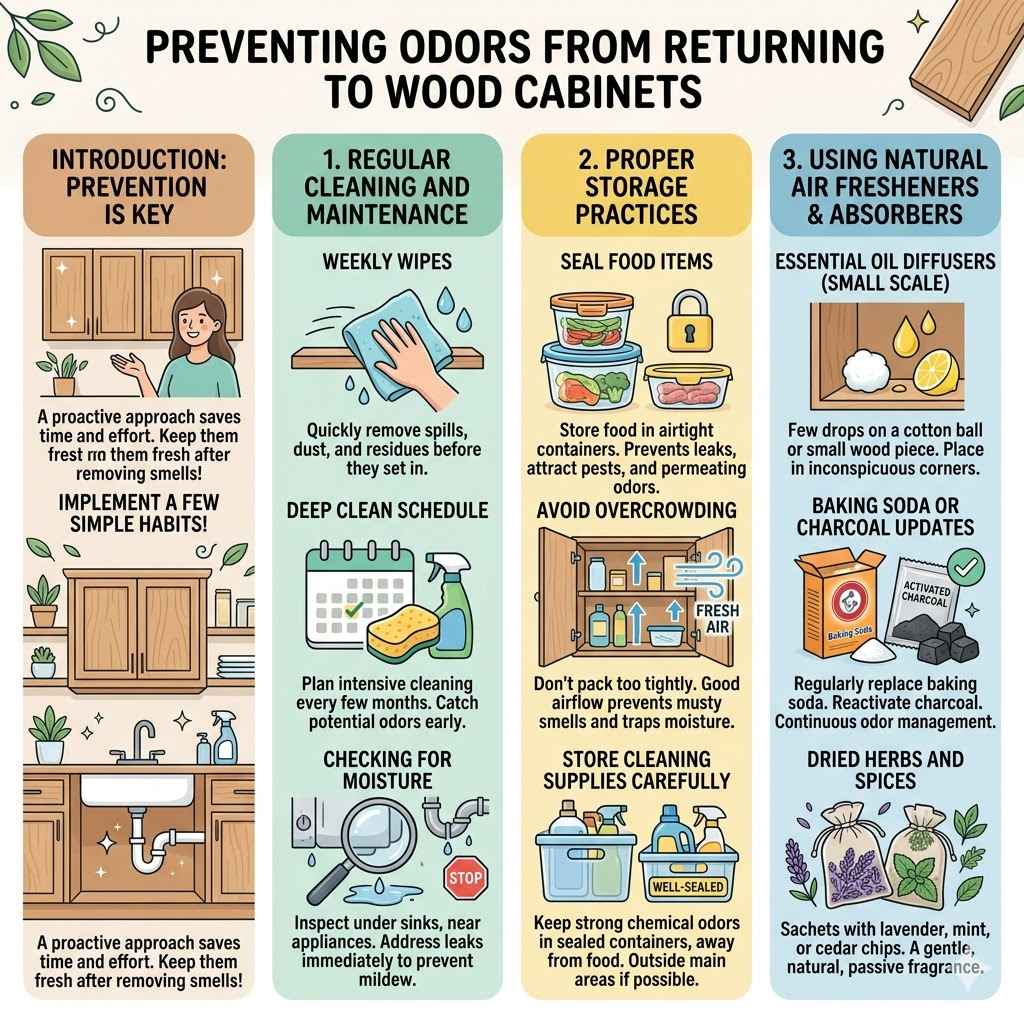
Preventing Odors from Returning to Wood Cabinets
Once you’ve successfully removed odors from your old wood cabinets, the next step is to keep them smelling fresh. Prevention is always better than cure. By implementing a few simple habits and maintenance routines, you can ensure that unwanted smells don’t find their way back into your cabinets.
This proactive approach saves you time and effort in the long run.
Regular Cleaning and Maintenance
Consistent, light cleaning is key to preventing odor buildup. Don’t wait until a strong smell develops. A quick wipe-down of surfaces after spills or cooking can make a huge difference.
Regularly dusting the interiors also helps remove particles that can contribute to stale smells. Making cleaning a routine part of your household chores will keep your cabinets in better condition and smelling fresher.
Weekly Wipes: Make it a habit to wipe down cabinet surfaces weekly with a damp cloth. This removes minor spills, dust, and potential odor-causing residue before it has a chance to set in.
Deep Clean Schedule: Plan a deeper clean for your cabinets every few months. This might involve the more intensive cleaning methods discussed earlier. This schedule helps catch any odors that might be starting to develop.
Checking for Moisture: Regularly inspect areas prone to moisture, like under sinks or near dishwashers. Address any leaks or condensation immediately to prevent mildew and musty smells from forming.
Proper Storage Practices
How you store items inside your cabinets also plays a role in odor prevention. Avoid storing items that have strong smells directly in the cabinets. Ensure that food items are sealed properly to prevent leaks or spoilage, which can quickly lead to odors.
Seal Food Items: Always store food in airtight containers. This prevents spills and leaks that can attract pests and cause odors. It also stops strong food smells from permeating the wood.
Avoid Overcrowding: Don’t pack cabinets too tightly. Good airflow helps prevent musty smells. If items are crammed together, air can’t circulate freely, trapping moisture and odors.
Store Cleaning Supplies Carefully: Some cleaning supplies have strong chemical odors. Store them in well-sealed containers or outside of main living areas if possible to prevent their smells from transferring to your cabinets.
Using Natural Air Fresheners and Absorbers
Once your cabinets are odor-free, you can use natural methods to maintain a pleasant scent. These are passive methods that work continuously to keep your cabinets smelling nice without being overpowering. They are a great way to add a subtle, fresh aroma.
Essential Oil Diffusers (Small Scale): Place a few drops of essential oil, like lemon, lavender, or eucalyptus, onto a cotton ball or a small piece of wood. Place these in inconspicuous corners of cabinets. Reapply as needed.
Baking Soda or Charcoal Updates: As mentioned earlier, regularly replacing baking soda or reactivating charcoal will keep absorbing any new odors that might start to form. This is a continuous odor management strategy.
Dried Herbs and Spices: Small sachets filled with dried lavender, mint, or cedar chips can provide a gentle, natural fragrance. These are a classic and effective way to keep spaces smelling fresh.
Implementing these preventative measures is the final, crucial part of How to Get the Smell Out of Old Wood Cabinets: Easy Steps. Keeping them clean and odor-free ensures your home remains a pleasant place to be.
Frequently Asked Questions
Question: How often should I replace the baking soda in my cabinets?
Answer: It’s a good idea to replace your baking soda every 1 to 3 months. If you notice the odors returning sooner, you can replace it more often.
Question: Can I use commercial air fresheners?
Answer: While commercial air fresheners can mask smells, they don’t eliminate them. Natural methods are better for truly removing odors and are safer for wood surfaces.
Question: What if the smell is very strong and won’t go away?
Answer: For very strong or persistent odors, you might need to repeat the cleaning and deodorizing steps multiple times. Ensure you’ve addressed any underlying moisture issues.
Question: Are essential oils safe for all wood finishes?
Answer: Essential oils are generally safe when diluted and used sparingly on cotton balls. However, always test in an inconspicuous area first, as some potent oils could potentially affect delicate finishes.
Question: Should I worry about damaging the wood when cleaning?
Answer: When using mild soap and water, vinegar solutions, or baking soda paste, damage is unlikely if you use soft cloths and wring them out well. Avoid abrasive scrubbers and excessive moisture.
Wrap Up
Tackling stubborn smells in old wood cabinets is entirely achievable. You’ve learned how to clean thoroughly, use natural deodorizers like baking soda and vinegar, and address specific odor types. By following these easy steps and practicing regular maintenance, you can ensure your cabinets remain fresh and inviting.
Enjoy your newly revitalized, odor-free cabinets!