How To Get Smoke Smell Out Of Wood
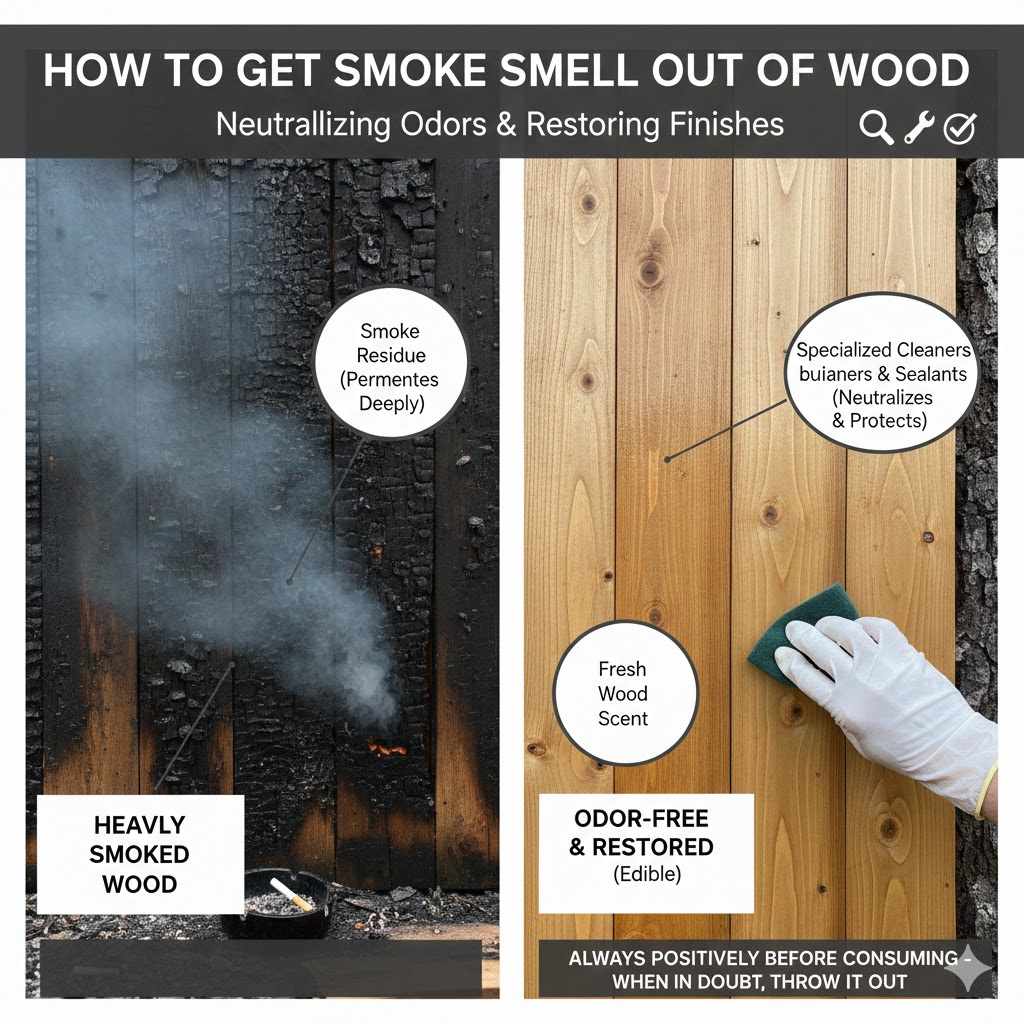
Wood furniture can really soak up smoke smells, and it can be tough to get them out. Many folks find it a bit tricky to tackle this on their own. But don’t worry!
We’ve got a simple, step-by-step plan to help. We’ll walk you through easy ways to refresh your wood pieces. Get ready to say goodbye to that smoky scent and hello to clean, fresh wood.
Understanding Smoke Smell On Wood Furniture
Smoke smell on wood furniture is a common problem, especially for people who have experienced house fires, smokers in the home, or even just proximity to smoke. The porous nature of wood means it readily absorbs odor molecules, trapping them deep within its grain. This can be quite challenging for beginners because smoke particles are tiny and can penetrate surfaces quickly.
The smell isn’t just on the surface; it can embed itself, making it seem like the odor is a permanent part of the furniture. This article will guide you through effective methods to tackle this issue, making your wood pieces smell fresh again without causing damage.
Why Smoke Lingers In Wood
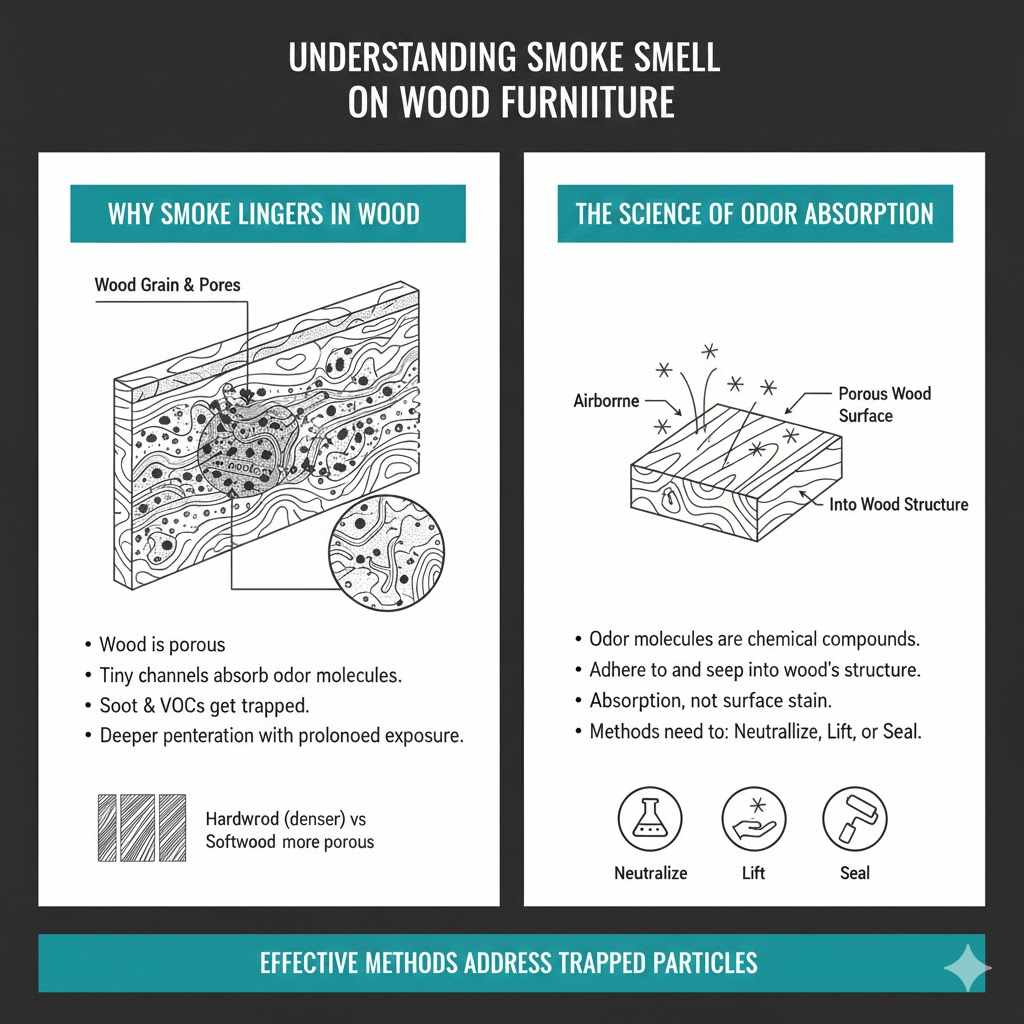
Wood is a natural material with a complex cellular structure. Think of it like tiny channels and pores within the wood fibers. When smoke comes into contact with these surfaces, the tiny particles of soot and the volatile organic compounds (VOCs) that create the smoky smell get trapped inside these microscopic spaces.
Unlike a smooth, non-porous material like glass, wood has a much greater surface area to volume ratio, meaning there are more places for these odor particles to hide. The longer the furniture is exposed to smoke, the deeper and more intensely these particles can embed themselves. This is why simply wiping down the surface often isn’t enough to completely eliminate the smell.
Different types of wood also react differently. Hardwoods like oak and maple have denser grains, which might make them slightly more resistant to deep penetration than softer woods like pine. However, all wood is susceptible.
Even sealed or finished wood can develop a smoke smell, though the finish might offer a slight barrier. The finish itself can also absorb odors. Understanding this basic principle of absorption is the first step to effectively removing the smell.
The Science of Odor Absorption
Odor molecules are essentially tiny chemical compounds that our noses detect as smells. When smoke drifts through a room, these molecules become airborne. As they settle, they adhere to surfaces.
For wood, these molecules don’t just sit on top; they can seep into the wood’s structure. This is similar to how a sponge absorbs liquid. The smell is not a surface stain in the traditional sense, but rather an absorption issue.
To get rid of the smell, you need to either neutralize these odor molecules, lift them out of the wood, or seal them away.
The effectiveness of different cleaning methods often depends on their ability to interact with these odor compounds. Some methods aim to break down the molecules chemically, while others use physical means to lift them. The key is to address the root cause – the trapped odor particles – rather than just masking the smell temporarily.
Effective Methods To Remove Smoke Odors
Successfully removing smoke smell from wood furniture involves a combination of cleaning, deodorizing, and sometimes sealing. The effectiveness of each method can vary based on the intensity of the smoke smell and the type of wood. We’ll explore several approaches, from simple DIY solutions to more advanced techniques, ensuring you have a comprehensive toolkit to restore your furniture.
Gentle Cleaning Techniques
Before attempting anything harsh, it’s wise to start with gentle cleaning. This can often be enough for mild smoke smells. The goal here is to remove surface soot and any residue that might be contributing to the odor.
Wiping Down With Mild Soap And Water
This is the most basic step. Mix a small amount of mild dish soap with warm water. Dampen a soft cloth, wring it out thoroughly so it’s not dripping, and gently wipe down all surfaces of the wood furniture.
Be sure to get into crevices and under any hardware. After wiping, immediately dry the furniture with a clean, dry cloth. This prevents excess moisture from damaging the wood.
A common mistake is using too much water. Wood can warp, swell, or have its finish damaged by excessive moisture. So, always ensure your cloth is just damp, not wet.
Follow up by buffing with a dry cloth to remove any residual moisture.
Using A Wood Cleaner
There are many commercial wood cleaners available that are designed to clean and condition wood without damaging finishes. Look for one that is pH-neutral. Apply the cleaner to a soft cloth and wipe down the furniture according to the product’s instructions.
These cleaners can often lift away grime and some odor particles more effectively than plain soap and water.
It’s always a good idea to test any cleaner on an inconspicuous area of the furniture first. This ensures it doesn’t discolor or damage the finish. A small patch on the underside or back of a leg is ideal for testing.
Natural Deodorizing Solutions
Once the furniture is clean, you can introduce natural deodorizers. These work by absorbing or neutralizing the odor molecules that are still trapped within the wood. They are generally safe for wood and finishes, making them a great next step.
Vinegar Solution For Odor Neutralization
White vinegar is an excellent natural deodorizer. Mix equal parts white vinegar and water in a spray bottle. Lightly mist the furniture.
The vinegar smell will be strong at first, but it dissipates as it dries, taking the smoke smell with it. You can also dampen a cloth with this solution and wipe down the furniture.
Vinegar works by neutralizing alkaline odor molecules. Smoke odors often have acidic components, and the acetic acid in vinegar can break them down, rendering them odorless. It’s important to use a diluted solution and ensure good ventilation.
After the vinegar smell fades, the smoke smell should be significantly reduced or gone.
Baking Soda For Absorption
Baking soda is a fantastic odor absorber. You can sprinkle a generous amount of baking soda directly onto the wood surfaces, especially in less visible areas or inside drawers and cabinets. Let it sit for 24-48 hours, then vacuum it up thoroughly.
For a less messy approach, you can place open boxes or bowls of baking soda around the furniture, or inside drawers and cabinets, to absorb odors from the air surrounding the wood.
Baking soda works through a chemical reaction. Its alkaline nature allows it to absorb and neutralize acidic odor molecules. It essentially traps the odor particles, preventing them from becoming airborne.
This method requires patience but is very effective for persistent smells. Ensure you vacuum thoroughly to remove all the powder, as it can leave a residue.
Activated Charcoal’s Power
Activated charcoal is another powerful natural absorbent. It has a highly porous structure that traps odor molecules effectively. You can buy activated charcoal in bags or packets designed for odor absorption.
Place these bags inside drawers, cabinets, or around the furniture. Like baking soda, it works passively by drawing odors out of the wood and the surrounding air.
Activated charcoal is made by heating charcoal to very high temperatures, which opens up millions of tiny pores. These pores create a massive surface area that can trap odor molecules through a process called adsorption. It’s like a microscopic sponge for smells.
For intense odors, consider using multiple charcoal packets or placing them in enclosed spaces like drawers or cabinets where the concentration of odor is higher.
Advanced Removal Techniques
If gentle cleaning and natural deodorizers aren’t enough, more advanced techniques can be employed. These often involve deeper cleaning or physically removing the odor-trapping layer.
Using A Wood Stripper (With Caution)
For extremely stubborn smoke smells, especially if the finish is heavily compromised, you might consider stripping the furniture down to the bare wood. This is a more involved process and requires careful execution to avoid damaging the wood itself. You’ll need a good quality wood stripper, appropriate safety gear (gloves, mask, eye protection), and plenty of ventilation.
Follow the stripper manufacturer’s instructions carefully.
Once the old finish is removed, you can wash the bare wood with a diluted vinegar solution and let it dry completely. Then, you can reapply a new finish. This process is highly effective because it removes the entire outer layer where the smell has penetrated.
However, it does require refinishing the furniture, which can be time-consuming.
Example Scenario: Sarah inherited a beautiful antique oak dresser that reeked of cigarette smoke. She tried wiping it down and using baking soda, but the smell lingered. After researching, she decided to carefully strip the dresser.
She used a chemical stripper, worked in a well-ventilated garage, and wore protective gear. Once the old finish was off, she washed the bare wood with a vinegar and water solution. After it dried, the smoke smell was gone.
She then applied several coats of a new furniture wax, and the dresser looked and smelled like new.
Odor-Sealing Finishes
If you’ve cleaned the wood thoroughly but a faint smell persists, or if you’ve stripped the wood, using an odor-sealing primer or finish can be beneficial. These products are designed to create a barrier over the wood, preventing any residual odors from escaping. Once the primer is dry, you can apply your desired topcoat (paint or varnish).
These sealers work by creating a physical barrier. The molecules in the sealer essentially encapsulate the odor particles within the wood, preventing them from reaching the air. This is a great option if you don’t want to refinish extensively or if you’re painting over smoke-damaged furniture.
Ensure the product is compatible with your chosen topcoat.
Professional Help Options
Sometimes, the smoke damage is too extensive, or you might not have the time or confidence to tackle it yourself. In such cases, professional restoration services can be a good option.
Furniture Restoration Specialists
Professional furniture restorers have specialized knowledge and equipment to deal with smoke damage. They can assess the level of damage and employ techniques that might not be feasible for a DIYer. This can include professional ozone treatments or industrial-grade cleaning solutions.
Ozone treatments are particularly effective for pervasive odors. Ozone gas (O3) is a powerful oxidizer that can break down odor-causing molecules. However, ozone is toxic to humans and pets, so these treatments must be done in controlled, unoccupied environments by trained professionals.
For valuable or antique pieces, professional restoration is often the safest and most effective route.
Preventing Future Smoke Odors
Once you’ve successfully removed smoke smells from your wood furniture, taking steps to prevent them from returning is key. This involves controlling the source of the smoke and protecting your furniture.
Controlling Indoor Air Quality
If smoking occurs indoors, the best way to prevent smoke smell on furniture is to prohibit smoking inside the house altogether. If this is not possible, designate a specific smoking area away from your furniture, ideally with excellent ventilation, such as a room with a strong exhaust fan or near an open window.
Air purifiers with HEPA filters and activated carbon can also significantly help in removing smoke particles and odor molecules from the air. Running these purifiers regularly, especially in rooms where smoke might occur, can make a big difference in preventing smells from settling into your wood furniture.
Protective Measures For Furniture
For valuable or frequently used furniture, consider using protective covers, especially if you anticipate potential exposure to smoke. These covers can be made of fabric or plastic and should be washable or easily cleanable. For items stored in attics or basements where smells might accumulate, consider using airtight containers or covering them with protective cloths.
Regular dusting and cleaning of your wood furniture can also help. Removing surface dust and grime prevents it from trapping odor molecules. A light wipe-down with a dry microfiber cloth can remove airborne particles before they have a chance to embed themselves deeply into the wood.

FAQ
Question: How long does it take to get smoke smell out of wood furniture?
Answer: The time it takes varies greatly. For mild smells with simple cleaning, it might take a few hours to a day for the odor to dissipate. For tougher smells using natural absorbers like baking soda or charcoal, it could take several days or even weeks of continuous application.
Stripping and refinishing is the quickest way if done professionally, but can take days of active work for DIY.
Question: Can I use essential oils to mask the smoke smell?
Answer: While essential oils can mask odors temporarily, they don’t actually remove the smoke smell from the wood. They might provide a pleasant scent, but the underlying odor will likely remain. For true odor removal, it’s better to use absorptive or neutralizing methods first, and then perhaps use essential oils for a final pleasant scent if desired.
Question: Is ozone treatment safe for wood furniture?
Answer: Ozone treatment is very effective at removing odors, and when done professionally, it is safe for the wood itself. The ozone gas breaks down odor molecules. However, ozone can be harmful to living things, so it must be performed in an unoccupied space.
Professionals know how to manage this safely.
Question: What is the best way to clean ash off wood furniture after a fire?
Answer: After a fire, the first step is to carefully remove loose ash and soot with a soft brush or vacuum cleaner with a HEPA filter and a soft brush attachment. Avoid rubbing, as this can push ash deeper into the wood. Then, use a mild soap and water solution or a specialized smoke residue cleaner recommended for furniture.
Question: My furniture still smells after cleaning, what should I do?
Answer: If the smell persists, the odor molecules are likely embedded deeper. Try a more intensive deodorizing method like activated charcoal or baking soda left for an extended period. If that doesn’t work, consider the more aggressive options like stripping the finish or consulting a professional furniture restorer.
Summary
Getting smoke smell out of wood furniture involves understanding how odors penetrate porous wood. Gentle cleaning, natural absorbers like baking soda and charcoal, and neutralizing agents like vinegar are effective first steps. For stubborn odors, advanced methods like stripping or sealing finishes may be necessary.
Prevention through air quality control and furniture protection is also vital.