How to Hang a Tarp for Shade: Ultimate Guide
Imagine this: a warm afternoon, a cozy backyard, and you, lounging comfortably under a cool, shaded haven. Sounds perfect, right?
But how do you create that perfect shade? With a tarp, of course! Learning how to hang a tarp for shade might seem like a simple task, yet it holds the power to transform your outdoor space into a relaxing oasis.
Are you tired of the relentless sun beating down on you? Perhaps you’re hosting a family gathering or a quiet outdoor picnic. Whatever the occasion, you want to enjoy the outdoors without the discomfort of direct sunlight. Luckily, hanging a tarp for shade is not just practical—it’s easy and versatile. In this guide, you’ll discover the secrets to hanging a tarp efficiently and securely. You’ll learn tips and tricks that make the process a breeze, ensuring your space remains cool and inviting. Whether you’re a DIY enthusiast or a complete beginner, this article is tailored for you. Dive in, and unlock the potential of your outdoor space!
Choosing The Right Tarp
Tarp material matters for shade. Canvas tarps are durable. Polyethylene tarps are lightweight. Vinyl tarps resist water well. Choose the right material for your needs. Canvas is great for long-term shade. Polyethylene works for short-term use. Vinyl is best for rainy areas. Each material has strengths and weaknesses. Consider your location and weather.
Tarp size is crucial. Measure the area you need to cover. Small tarps are easy to handle. Large tarps cover more space. Know your space requirements. Choose a size that fits well. Bigger is not always better. Ensure you can manage the weight and installation.
Color affects shade. Dark tarps provide more shade. Light colors reflect sunlight. Consider UV protection for safety. UV rays can harm skin. Look for tarps with UV-resistant coating. This keeps you safe under the sun. Choose colors that fit your environment. Ensure protection from harmful rays.

Credit: canvasandcanopy.com
Essential Tools And Supplies
Ropes and cords help hold the tarp. Choose strong, durable ropes. They must withstand wind and rain. Polypropylene ropes are a good choice. They are water-resistant. Paracord is another option. It is light and strong.
Use anchors to secure the tarp. Metal stakes work well in the ground. They keep the tarp tight. Sandbags can also be used. They are good on hard surfaces. Tent pegs are useful too. They are easy to use.
Poles lift the tarp high. Telescopic poles are adjustable. They fit in different spaces. PVC pipes are a cheap option. They are easy to cut. Tree branches can work in a pinch. Make sure they are strong.
Selecting The Perfect Location
Sun patterns change during the day. Morning sun is different from afternoon sun. Watch where the sun hits the ground. Choose a spot with less direct sun. Avoid areas that get too hot.
Flat ground is best for tarps. Grass is soft and nice. Sand can be tricky. Avoid rocky or uneven places. Wet areas can be bad. Dry spots are better.
Trees can block your tarp. Bushes might get in the way. Rocks can hurt. Look for open spaces. Make sure there’s room to move. Keep away from sharp objects.
Basic Tarp Hanging Techniques
A ridgeline helps keep your tarp steady. Use a strong rope for this. Tie the rope between two sturdy trees. Make sure it is tight. Drape the tarp over the rope. This will help create a tent shape. It keeps the tarp from sagging.
The corners of the tarp need secure ties. Use stakes or heavy rocks. This keeps the tarp from blowing away. Tie each corner with strong knots. Make sure they are tight. This keeps the tarp flat and steady.
Wind can be strong sometimes. Lower one side of the tarp. This helps the wind pass over it. Use extra ropes if needed. Secure them with more stakes. Adjust as the wind changes. This keeps your shade safe.
Advanced Configurations
Creating shade with a tarp involves strategic placement and secure anchoring. Use trees or poles to elevate the tarp, ensuring it’s tightly stretched. This setup provides effective sun protection for outdoor activities.
A-frame Setup
The A-Frame setup is simple and effective. Use two poles or trees as supports. Place the tarp over them in a triangle shape. Secure the ends with stakes or ropes. This setup provides good shade and wind protection. Adjust the height for more or less coverage. Make sure the tarp is tight to avoid flapping. This method is great for camping or picnics.
Lean-to Style
Lean-To style uses one main support. Attach one side of the tarp higher, the other lower. This creates a slope for rain runoff. Secure the edges with stakes or ropes. Best for blocking wind and sun. Ideal for a quick shade solution. Use nearby trees or poles for support. Adjust the angle for more coverage.
Canopy Design
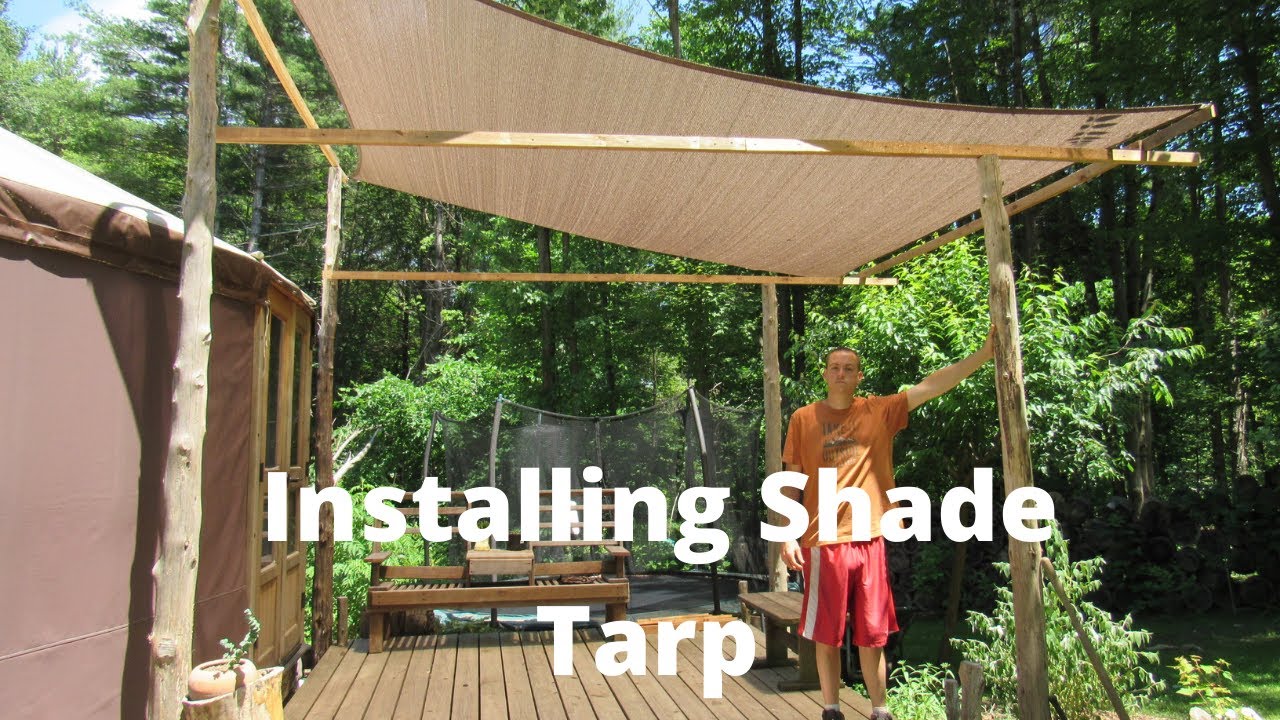
Canopy design is versatile and fun. Use four supports for this setup. Spread the tarp evenly across them. Tie corners with ropes or use stakes. Perfect for covering larger areas. Provides excellent overhead shade. Great for parties or outdoor events. Adjust height for comfort. Ensure tarp is tight and secure.
Safety Tips
Keep the ground clear. Remove rocks and sticks. These can trip you. Use visible ropes. Bright colors help others see them. Do not leave loose ropes. Tie them securely. This prevents accidents. Keep walking paths clear. Avoid placing ropes near paths.
Use strong poles. They should not bend or break. Anchor the tarp tightly. Use sturdy stakes. Push them deep into the ground. Check knots. Make sure they are tight. Loose knots can cause the tarp to fall.
Check the weather. Avoid setting up in strong winds. Winds can lift the tarp. Rain can make the ground soft. Stakes may not hold well. Be ready to adjust. Move the tarp if needed. Storms can be dangerous. Take the tarp down if a storm is coming.
Maintenance And Care
Securely hanging a tarp for shade involves selecting a sturdy location with anchor points. Use ropes or bungee cords to ensure it stays in place. Regularly check for wear and tear to maintain its durability and effectiveness.
Cleaning Tips
Keep your tarp clean for longer use. Use mild soap and water. Scrub gently to remove dirt and stains. Rinse well and let it dry. Avoid harsh chemicals. They can damage the fabric. Check for mold or mildew. Clean them promptly with vinegar and water.
Storage Solutions
Store your tarp in a cool, dry place. Roll it up tightly. Avoid folding to prevent creases. Use a storage bag for protection. Keep it away from sharp objects. They can tear the fabric. Label the bag for easy identification.
Repairing Damage
Inspect the tarp for any damage. Small tears can be patched easily. Use a tarp repair kit. Follow the instructions carefully. Apply patches on both sides. For big holes, consider professional repair. Replace the tarp if damage is severe.

Credit: www.youtube.com
Frequently Asked Questions
How To Make A Sun Shade With A Tarp?
Secure the tarp with ropes or bungee cords. Attach it to trees or poles. Ensure proper tension for stability. Adjust angles for optimal shade. Use weights or stakes to prevent wind disruption. Select a durable, UV-resistant tarp for lasting protection.
Enjoy cool shade.
How To Hang A Tarp?
Use ropes or bungee cords to secure the tarp corners to trees or poles. Ensure it’s taut to prevent sagging. Adjust the height and angle for rain runoff. Use stakes to anchor the tarp’s edges to the ground. Check tension regularly to maintain stability.
How To Secure A Tarp To A Canopy?
Secure a tarp to a canopy by using bungee cords, zip ties, or rope. Attach each corner tightly. Ensure proper tension to prevent sagging. Check connections regularly, especially in windy conditions. Adjust as necessary to maintain stability and protection.
How To Hang A Tarp Like A Curtain Without?
Use hooks or clips to attach the tarp to a rod or wire. Secure the rod or wire tightly at both ends for stability. Ensure the tarp is evenly spaced to resemble a curtain. Adjust the height and width as needed for desired coverage.
Conclusion
Hanging a tarp for shade is quite simple. Start with choosing a strong spot. Ensure the tarp is large enough for coverage. Use sturdy ropes and knots for security. Adjust the tarp to your desired height and angle. This helps block the sun better.
Check that everything is tight and stable. Enjoy the cool shade it provides. A well-hung tarp enhances outdoor comfort. Spend more time outside without worrying about the sun. Practice makes perfect. Try different methods until you find what works best.
Happy shading!