How to Install a Door Stop: Wall, Floor & Concrete (5 Steps)
A door stop installs by drilling pilot holes at hinge height and anchoring it with screws — except on tile or concrete floors, which need a masonry bit and plastic anchor instead. Skipping the anchor is the main reason door stops pull loose from drywall within months. This guide covers wall, floor, and hinge-pin door stops, how to position each type, and how to anchor into concrete or tile.
Quick Answer
Wall-mounted stops screw into the baseboard or wall behind the door; floor stops screw into the floor; hinge-pin stops clip onto the hinge itself with no drilling. Pick wall or floor for drywall rooms, hinge-pin for tile or hardwood where you don’t want extra holes.
Materials And Tools Needed
To install a door stop, you will need a tape measure, a pencil, a power drill, a screwdriver, screws, wall or floor anchors, and the door stop itself. Measure and mark the desired height, drill pilot holes, attach the door stop with screws, and adjust as needed for a secure installation.
Required Materials
Before you begin installing a door stop, gather the necessary materials to ensure a smooth, hassle-free process. Here’s what you’ll need:
- Door stop (wall, floor, or hinge-pin style)
- Screws and matching wall or floor anchors
- Screwdriver or drill
- Tape measure
- Pencil or marker
- Level
- Masonry bit (tile or concrete floors only)
Essential Tools
In addition to the materials, having the right tools at hand will make the installation process easier. Make sure you have the following essential tools:
- A screwdriver or drill
- A tape measure
- A pencil or marker
- A level
- A hammer (for tapping anchors flush)
Which Type of Door Stop Should You Use?
Door stops fall under general door hardware, and picking the right one comes down to your floor type and how the door is used. If your real goal is limiting how far a door swings rather than mounting a permanent stop, our guide on how to stop a hinged door from swinging covers a few other fixes worth considering first.
A wall-mounted door stop is a small rubber-tipped bracket that screws directly into the baseboard or wall behind the door. It works best on standard drywall doors with clear baseboard access, but repeated impact can work a plastic anchor loose over time.
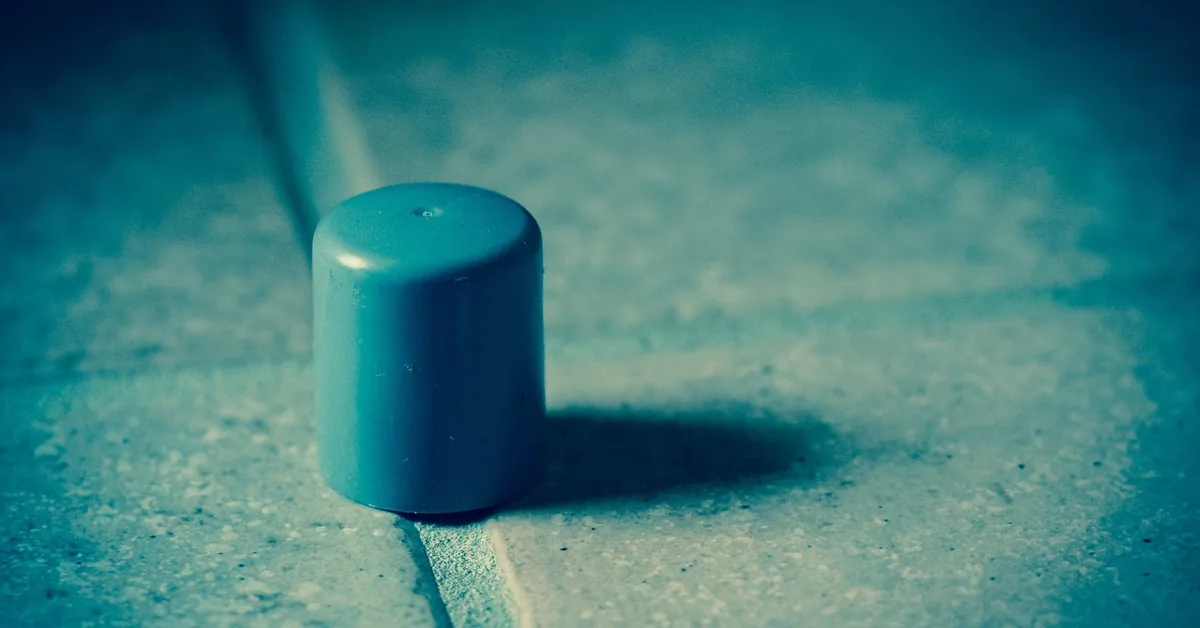
A floor-mounted door stop is a low dome or cap that screws into the floor where the open door would otherwise strike the wall. It suits doors that swing wide with no baseboard in range, and it’s the type to use over tile, hardwood, or concrete since it anchors into the floor instead of a hollow wall.
A hinge-pin door stop is a small stop that clips onto the top door hinge in place of the existing hinge pin — no drilling into the wall or floor at all. It’s the best option when you want zero visible holes, but it only limits how far the door swings; it won’t stop a door from being pushed the rest of the way if the adjustment slips. If the hinge itself feels loose or sticky before you start, it’s worth reading how to adjust spring-loaded door hinges first.
A fourth option, the adhesive or stick-on door stop, skips drilling entirely by bonding to the wall or baseboard. It’s the fastest to install but holds the least weight and can peel off textured or freshly painted walls within weeks.
Best Wall-Mounted Door Stop Pick
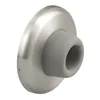
Prime-Line J 4540 Wall Stop – $8.99
A stainless-steel and rubber wall stop sized for the standard installation height covered in the steps below — the rubber bumper cushions the impact instead of transferring it straight into the drywall anchor.
- Best for: standard interior doors with open baseboard access
- Why we picked it: all mounting hardware included, matches the drilling steps in this guide
- Main drawback: plastic anchor only rated for drywall — needs a masonry anchor for concrete or tile
Compare more door stop options
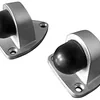 Floor-Mounted Shepherd Hardware Floor Stop (2-Pack) – $20.69
|
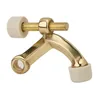 Hinge-Pin Schlage Ives 70A4 Hinge Pin Stop – $7.95
|
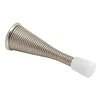 Flexible/Spring Schlage Ives 63F Flexible Stop – $8.87
|
As an Amazon Associate we earn from qualifying purchases.
Step-by-Step Installation Guide
Installing a door stop is a straightforward process that requires just a few simple steps. Follow these five steps to get a wall or floor door stop mounted securely and in the right spot.
Step 1: Choose The Location For The Door Stop
When choosing the location for your door stop, consider where the door makes contact with the wall and where you would like the door to stop. Select a spot that prevents damage to the door and wall while letting the door open fully without obstruction. If your door handle projects more than 2 inches from the door face, use a taller wall stop — a 2-inch handle needs roughly a 2.5-inch stop to keep the handle itself from ever touching the wall. Not sure how far your hardware sticks out? See our door handle parts guide for how projection is measured.
Step 2: Mark The Drilling Points
- Close the door and position the door stop against the wall or floor at the desired location.
- Using a pencil or marker, make small marks through the mounting holes of the door stop. These marks guide the drill.
Step 3: Drill The Holes
Now it’s time to drill the holes for the door stop.
- Fit your power drill with a bit sized to the anchor that comes with your door stop — check the packaging for the recommended bit size.
- Align the bit with the marked points and drill slowly. Apply gentle, steady pressure and avoid rushing to prevent damage to the wall or floor.
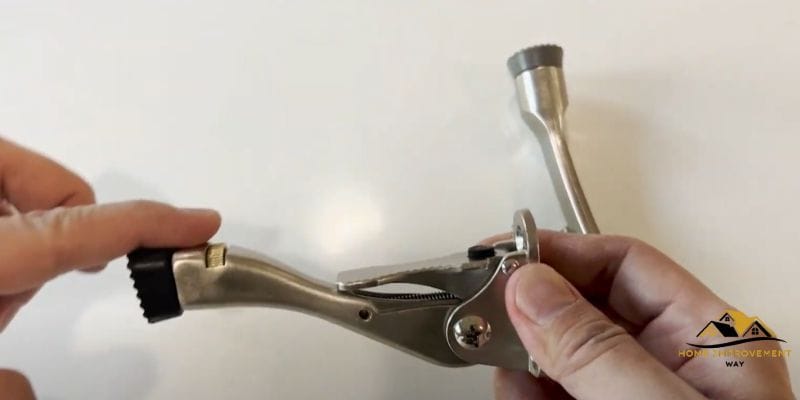
Step 4: Insert The Anchor And Screws
Once the holes are drilled, insert the anchor and screws to secure the door stop in place. On drywall, a standard plastic anchor is rated for as little as 10 lbs of pull-out force, so a self-drilling drywall anchor or molly bolt holds up noticeably longer under repeated door impacts.
- Insert the anchor into each drilled hole. Gently tap it flush with the surface using a hammer.
- Position the door stop over the anchors and align the mounting holes.
- Using a screwdriver or a drill with a screwdriver bit, drive the screws into the anchors. Tighten until the door stop is firmly attached.
📊 A standard plastic drywall anchor has a pull-out strength as low as 10 lbs, and repeated door-stop impacts work it loose faster than steady weight would — a self-drilling anchor or molly bolt is the more durable choice for a hollow wall. — Source: Family Handyman, drywall anchor weight testing
Step 5: Attach And Test The Door Stopper
With the mounting hardware securely fastened, attach the door stop itself and confirm it works before calling the job done.
- Position the door stop over the mounting plate attached to the wall or floor.
- Slide or screw the door stop onto the mounting plate, ensuring it sits securely.
- Open the door and let it contact the stop. It should stop the door at the desired point without slipping, denting the wall, or letting the handle touch the wall.
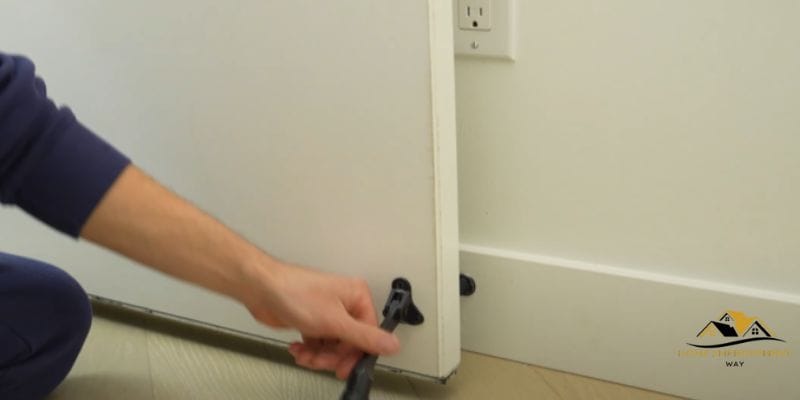
How To Install A Door Stop On Tile Or Concrete Floors
A floor-mounted door stop is the type to use on tile or concrete, but the drilling steps above change slightly — a wood or drywall bit won’t get through either surface.
- Switch to a masonry bit: use a masonry bit matched to the diameter of the plastic or lead anchor that ships with your floor stop.
- Mask the tile first: place a strip of masking or painter’s tape over the mark before drilling — it keeps the bit from wandering on the glazed surface and reduces chipping.
- Stay clear of tile edges: drill at least an inch from any tile edge or grout line to avoid cracking the tile.
- Tap the anchor flush: for concrete, tap the plastic or lead expanding anchor into the hole with a hammer until it sits flush with the surface.
- Drive the screw and test: screw the door stop into the anchor, then swing the door to confirm it stops cleanly on the first try — redrilling a cracked tile is far more work than the stop itself.
Common Door Stop Installation Mistakes
- Using a plastic anchor on a heavily used door: a standard plastic drywall anchor is rated for as little as 10 lbs of pull-out force — upgrade to a self-drilling anchor or molly bolt for a door that gets slammed daily.
- Guessing the height instead of measuring the handle: if the door handle projects further than the stop is tall, the handle — not the stop — will be what hits the wall.
- Drilling tile without masking tape: an unmasked masonry bit skates across glazed tile and often chips it before it bites in.
- Mounting a hinge-pin stop on the bottom hinge: the top hinge gives better leverage and a more stable stopping angle for most doors.
- Skipping the test swing: always open the door fully after installation — a stop that’s a half-inch off can still let the handle touch the wall.
Frequently Asked Questions
What is the standard height to install a door stop?
Most wall-mounted door stops sit 4 to 6 inches up from the baseboard, and ANSI/BHMA A156.16 uses 6 inches as its reference height for wall bumpers. The real target is wherever the open door’s handle or knob would strike the wall first — measure your specific door before drilling rather than relying on a fixed number.
Can you install a door stop without drilling?
Yes. Hinge-pin door stops clip onto the existing top hinge with no drilling at all, and adhesive stick-on stops bond directly to the wall or baseboard. Both hold less securely than a screwed-in wall or floor stop, so they suit lighter-use doors better than a heavily trafficked one.
How do you install a door stop on a tile or concrete floor?
Switch to a masonry bit sized to your anchor, mask the tile with tape to stop the bit from skating, and drill at least an inch from any tile edge. Tap the plastic or lead anchor flush with a hammer, then screw the floor stop into place and test it before removing the tape.
Why does my door stop keep coming loose?
The most common cause is a plastic drywall anchor rated for only around 10 lbs of pull-out force working loose under repeated door impacts. Replace it with a self-drilling drywall anchor or a molly bolt rated 25 lbs or higher, or relocate the stop to hit a stud if one falls close by.
Which type of door stop is best: wall, floor, or hinge-pin?
Wall stops suit standard drywall doors with open baseboard access. Floor stops work better on tile, hardwood, or concrete, or where the door swings too wide to reach a wall stop. Hinge-pin stops are the pick when you want zero visible holes, though they only limit swing angle rather than fully locking the door.
Conclusion
Match the door stop type to the floor and door you’re working with — wall or floor stops for standard drywall rooms, floor stops with a masonry anchor for tile or concrete, and hinge-pin stops where you want no visible holes at all. Measure your door handle’s projection before drilling, and upgrade to a self-drilling anchor if the stop will take daily impact.
Sponsored / affiliate links. As an Amazon Associate I earn from qualifying purchases. I may earn additional commission from eligible campaigns.