How To Keep Birds Off Light Fixtures: Proven Solutions
Quick Summary: Keep birds away from your light fixtures by using simple, humane deterrents like physical barriers, reflective surfaces, and ultrasonic devices. These methods are easy to implement, safe for birds, and protect your lights from damage and droppings.
Hello there! If you’re finding little feathered friends have made your porch lights or outdoor lamps their favorite perch, you’re not alone. It’s a common frustration for homeowners. Not only can bird droppings be unsightly and messy, but nesting materials can also pose a fire hazard and damage your light fixtures over time. Don’t worry, though! As your go-to guide for home improvement, I’m here to show you some straightforward, effective ways to gently encourage birds to find a different spot to hang out. We’ll explore simple solutions that are kind to our avian visitors and great for your home.
Why Birds Love Light Fixtures
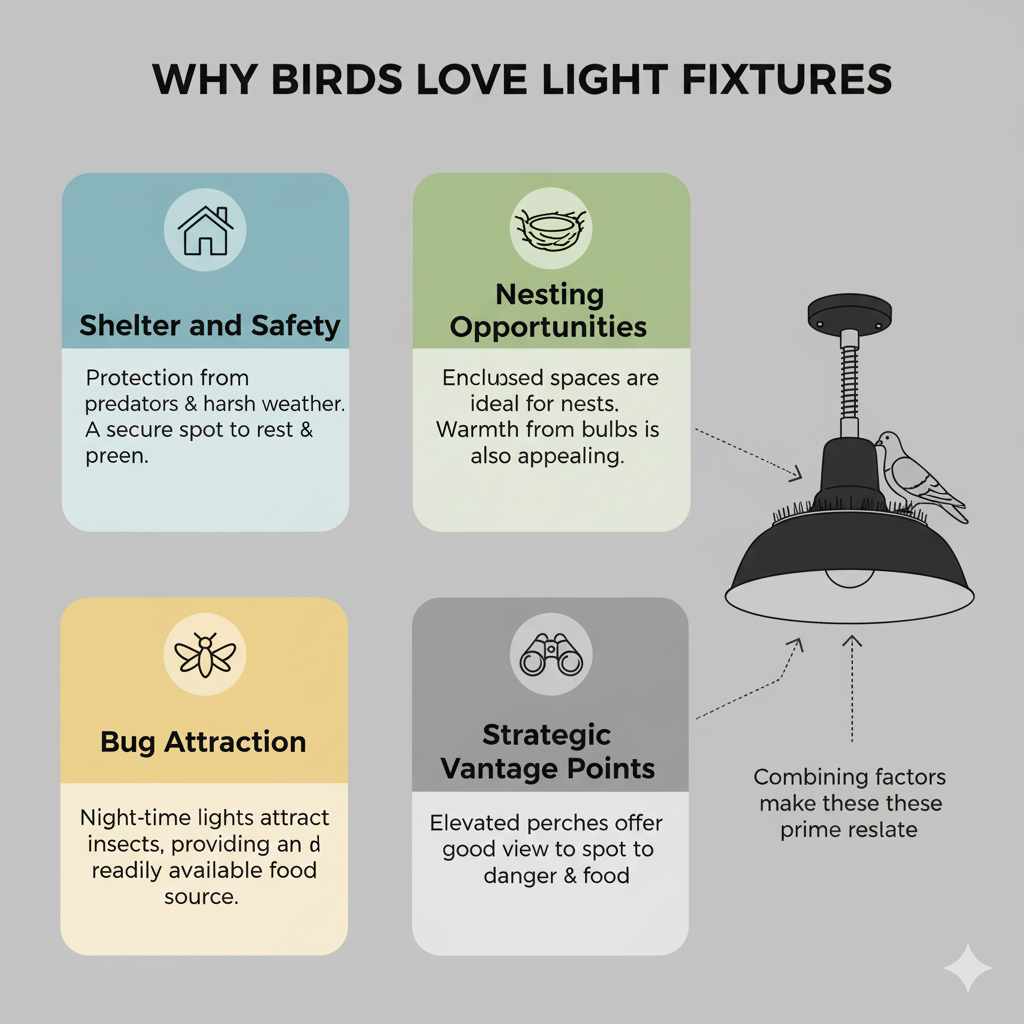
Before we dive into keeping birds away, let’s quickly touch on why they’re so attracted to your light fixtures in the first place. It’s often a combination of factors that make these spots seem like prime real estate to them.
- Shelter and Safety: Light fixtures, especially those under eaves or on covered porches, offer protection from predators and harsh weather. They provide a secure spot to rest, preen, and observe their surroundings.
- Nesting Opportunities: The enclosed or partially enclosed nature of many light fixtures makes them ideal for birds looking to build a nest. The warmth from a recently used bulb can also be appealing.
- Bug Attraction: Lights, particularly at night, attract insects. For many birds, this means a readily available food source right at their doorstep.
- Strategic Vantage Points: Birds like to have a good view to spot both danger and potential mates or food. A light fixture often provides an elevated and unobstructed perch.
Understanding the Problem: Birds and Light Fixtures
It’s easy to get frustrated when birds decide your light fixtures are their personal condos. But understanding their behavior helps us find the best solutions. Birds aren’t intentionally trying to annoy you; they’re simply looking for a safe, comfortable place to live and find food. However, their presence can lead to several issues:
- Mess and Stains: Bird droppings are acidic and can stain surfaces, including your home’s exterior and the light fixtures themselves. Cleaning them up is a chore nobody enjoys.
- Damage to Fixtures: Nesting materials, often made of twigs, leaves, and other debris, can clog up the fixture, potentially causing overheating or electrical issues. Birds can also peck at materials, causing physical damage.
- Health Concerns: Bird droppings can harbor bacteria and fungi, posing potential health risks.
- Fire Hazards: Dry nesting materials packed into or around a hot light bulb can be a significant fire risk. This is especially true for fixtures that get warm during operation.
The good news is that most of these problems can be prevented with simple, humane methods. We’re not looking to harm the birds, just to redirect their attention elsewhere. Let’s explore some proven strategies.
Proven Solutions to Keep Birds Off Light Fixtures
Keeping birds off your light fixtures doesn’t require complicated setups or harsh chemicals. Often, the simplest solutions are the most effective and humane. We’ll cover physical deterrents, visual distractions, and even some high-tech options.
1. Physical Barriers: Making Perching Impossible
This is often the most direct and effective way to stop birds from landing on your light fixtures. The idea is to make the fixture uncomfortable or impossible for them to perch on.
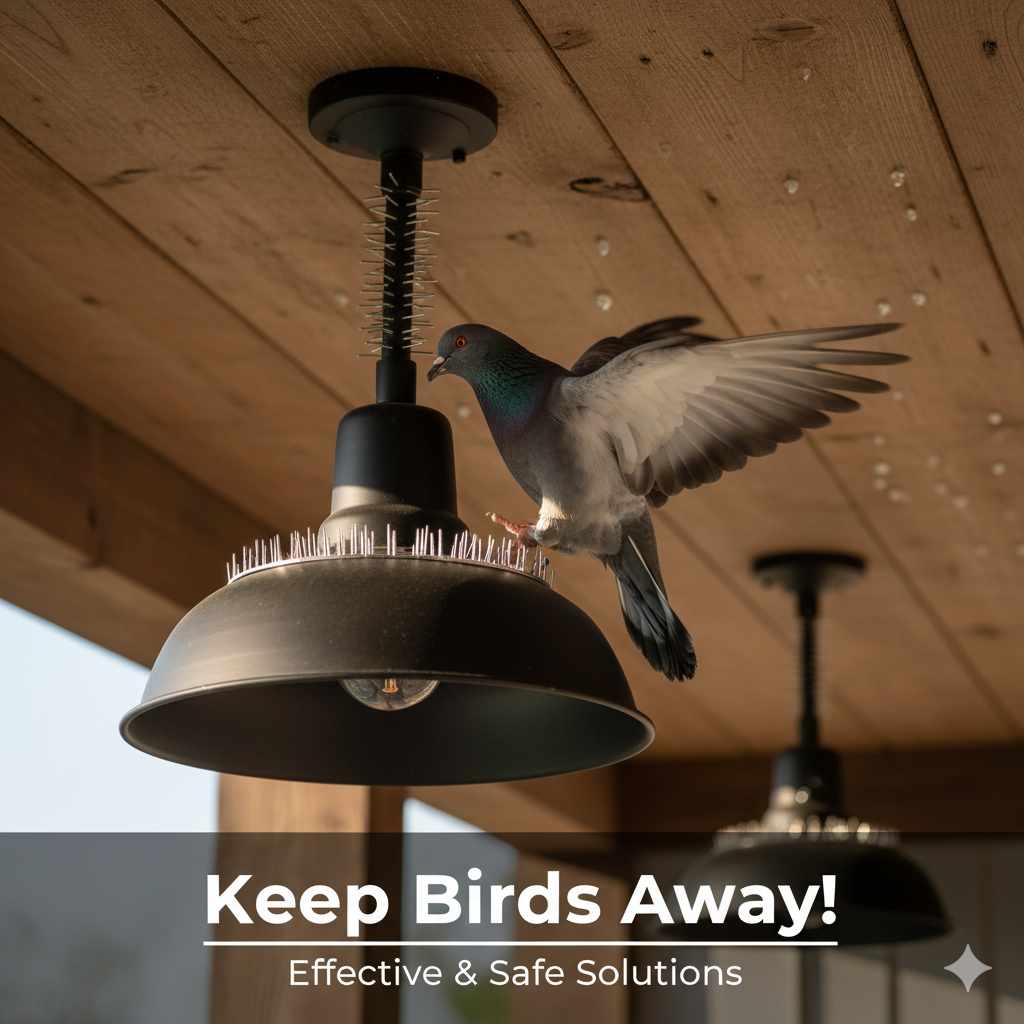
a. Bird Spikes
These are strips of metal or plastic with short, blunt spikes. They are designed to prevent birds from landing on surfaces without causing them harm. The spikes make the surface uncomfortable and unstable for birds to perch on.
- How to Install: Bird spikes can be attached to the edges or tops of light fixtures using a strong, weather-resistant adhesive or screws. Ensure they are securely fastened so they don’t come loose in wind or rain.
- Where to Buy: You can find bird spikes at most hardware stores, garden centers, and online retailers.
- Pros: Highly effective, long-lasting, humane.
- Cons: Can be unsightly to some, might require careful installation.
b. Bird Netting
This is a mesh material that can be draped over or around light fixtures to create a physical barrier. It prevents birds from accessing the fixture to perch or nest.
- How to Install: Drape the netting over the light fixture, ensuring there are no gaps where birds can get through. Secure the edges firmly with staples, clips, or ties. It’s important to ensure the netting is taut and doesn’t sag, which could entangle birds.
- Where to Buy: Available at garden supply stores and online.
- Pros: Can cover larger areas, relatively inexpensive.
- Cons: Can be visually unappealing, requires regular checks to ensure birds aren’t trapped, can be difficult to install neatly.
c. Bird Sliders or Cages
These are specially designed plastic or metal covers that fit over light fixtures. They create a protective cage or cone that birds cannot navigate.
- How to Install: These usually slide over the existing fixture and are secured with screws or clips. Make sure they are the right size for your fixture.
- Where to Buy: Found at specialty pest control stores or online.
- Pros: Specifically designed for light fixtures, can be quite effective.
- Cons: May not fit all fixture types, can alter the aesthetic of your lighting.
d. Smooth or Slippery Surfaces
Birds prefer rough surfaces they can grip. Making the area around your light fixture smooth or even slightly angled can deter them.
- How to Apply: For some fixtures, you might be able to attach a smooth plastic cone or a piece of sheet metal that overhangs the perch area. This makes it difficult for them to land and get a foothold.
- Pros: Can be a DIY solution, inexpensive.
- Cons: May not be aesthetically pleasing, effectiveness varies.
2. Visual Deterrents: Scaring Them Away
Birds are easily startled by movement and unusual sights. Using visual deterrents can make your light fixtures seem like a dangerous or unwelcoming place.
a. Reflective Objects
Shiny, moving objects can disorient birds and make them feel uneasy. This is a classic and often effective method.
-
Examples:
- Old CDs or DVDs: Hang them from strings near the light fixtures. The way they spin and reflect light can scare birds.
- Mylar Tape or Reflective Ribbon: This tape is designed to flutter in the wind and create flashes of light. Wrap it around the fixture or hang strips of it nearby. You can find this at garden stores.
- Shiny Pie Pans: Similar to CDs, these can be hung to reflect light and move with the wind.
- How to Use: Securely tie or hang these items so they can move freely in the breeze.
- Pros: Inexpensive, easy to find, humane.
- Cons: May need frequent replacement, effectiveness can decrease as birds get used to them.
b. Decoy Predators
A realistic-looking predator can make birds think twice about settling down.
- Examples: Plastic owls, hawks, or snakes.
- How to Use: Place the decoy in a visible spot near the light fixture. It’s important to move the decoy periodically (every few days) because birds are smart and will realize it’s not a real threat if it stays in the same place too long.
- Pros: Can be effective if moved regularly.
- Cons: Birds can become accustomed to them, might not be aesthetically pleasing.
c. Scare Tape or Flags
These are typically brightly colored or reflective strips of material that move in the wind and create flashing or fluttering effects. They are designed to startle birds.
- How to Use: Secure the tape or flags to posts or overhangs near the light fixtures. The movement and reflection are key to their effectiveness.
- Pros: Easy to install, relatively inexpensive.
- Cons: May lose effectiveness over time as birds get used to them.
3. Auditory Deterrents: Making Noise
While often more disruptive to humans, sound can be a deterrent for birds.
a. Ultrasonic Devices
These electronic devices emit high-frequency sounds that are unpleasant for birds but generally inaudible to humans. They can be effective in deterring birds from a specific area.
- How They Work: They are battery-operated or plug-in units that cover a certain radius.
- Where to Buy: Available at pest control supply stores and online.
- Pros: Silent to humans, can cover a decent area.
- Cons: Effectiveness can vary, may require multiple units, some birds might eventually get used to the sound.
b. Wind Chimes or Other Noisy Objects
Sudden noises can scare birds away. While this might not be ideal for a peaceful outdoor space, it can be a temporary solution.
- How to Use: Hang wind chimes or other objects that create noise when the wind blows near the light fixtures.
- Pros: Can be effective for immediate deterrence.
- Cons: Can be annoying to humans, birds may get used to the noise.
4. Habitat Modification: Making the Area Less Appealing
Sometimes, the best approach is to make the area around your light fixtures less attractive to birds for nesting or resting.
a. Remove Nesting Materials
If you see birds starting to build a nest, remove the materials gently. Do this before eggs are laid, as it’s illegal to disturb active nests in many places (more on that later). Regularly checking and clearing away stray twigs and leaves can discourage them from continuing.
b. Trim Overhanging Branches
If branches from nearby trees or shrubs provide easy access or cover to your light fixtures, consider trimming them back. This can make the area less secure for birds.
c. Eliminate Food Sources
Ensure there are no nearby bird feeders or sources of spilled food that might be attracting birds to the general area. If your lights attract insects, consider using yellow-spectrum bulbs, which attract fewer insects than standard white or blue-spectrum bulbs.
5. Using Different Light Bulbs
The type of light bulb can play a role in attracting insects, which in turn attract birds. Consider switching to bulbs that are less appealing to insects.
- Yellow or Bug-Light Bulbs: These emit a warmer, more orange light that attracts fewer flying insects compared to standard white or blue-tinted bulbs. Less bugs means less of a food source for birds.
- LED Lights: Many LED bulbs produce less heat and can be designed to emit specific light spectrums that are less attractive to insects.
This is a simple, passive way to reduce the overall draw of your light fixtures for insect-eating birds.
Important Considerations: Legality and Bird Safety
When dealing with birds, it’s crucial to be aware of legal protections and to always prioritize their well-being. What might seem like a simple pest problem can have legal implications.
- The Migratory Bird Treaty Act: In many countries, including the United States and Canada, it is illegal to disturb, harm, or possess migratory birds, their nests, or their eggs without a permit. This act protects hundreds of native bird species. It’s vital to research the specific regulations in your area.
- When to Act: The best time to implement deterrents is before birds start nesting. If you discover an active nest (with eggs or young birds), it’s best to leave it undisturbed until the young birds have fledged and left the nest. Once the nest is empty, you can then implement deterrents to prevent future nesting.
- Humane Methods: Always choose methods that are humane and do not harm the birds. The goal is to make the fixture unattractive, not to injure or kill the birds.
Understanding these aspects ensures you are acting responsibly and legally while protecting your property.
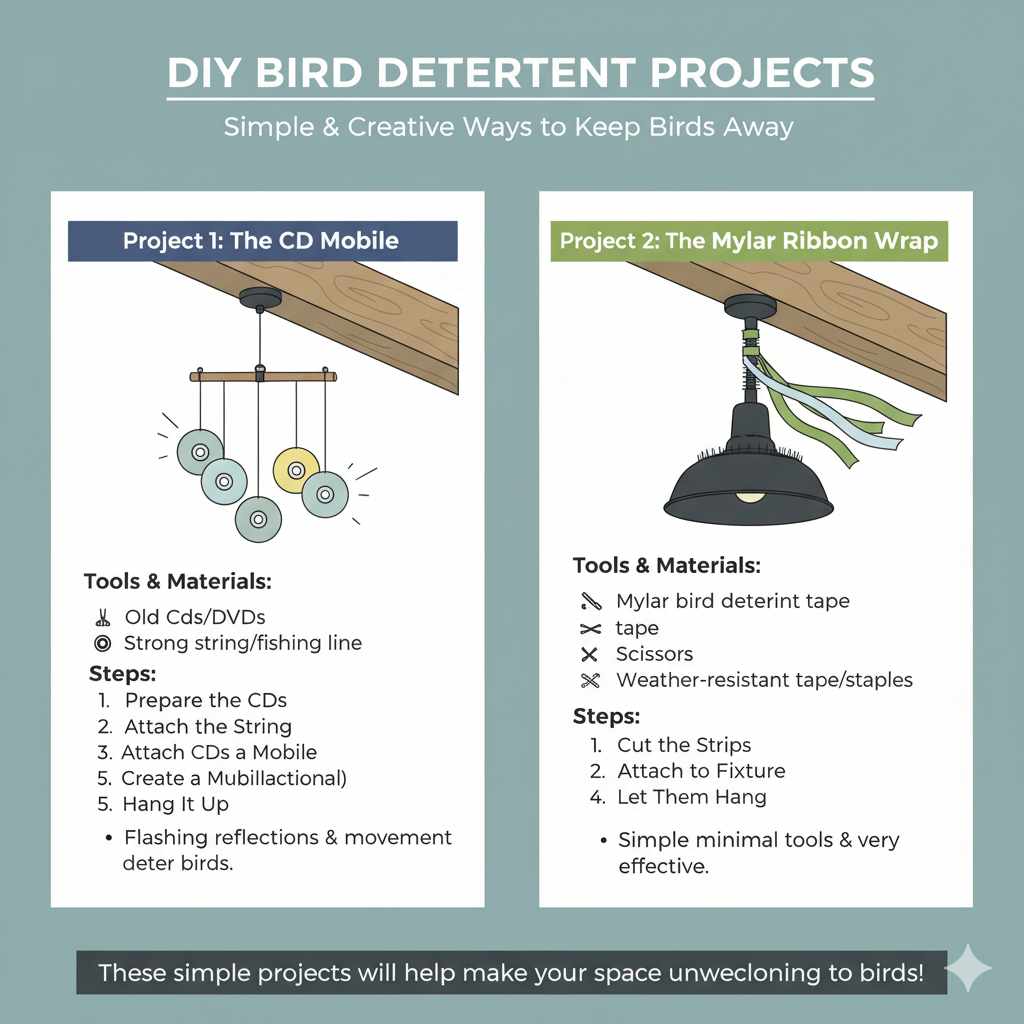
DIY Bird Deterrent Projects
For those who love a good DIY project, here are a couple of ideas to tackle the bird problem yourself. These are beginner-friendly and use common household items.
Project 1: The CD Mobile
This is a classic for a reason! It’s super simple and effective.
Tools and Materials:
- Old CDs or DVDs (the shinier, the better)
- Strong string or fishing line
- Scissors
- Drill (optional, for making holes if needed)
- Weather-resistant tape or small hooks
Steps:
- Prepare the CDs: If your CDs don’t have a hole in the middle, you can carefully drill one or use a sharp object to create a small hole near the edge.
- Cut the String: Cut lengths of string or fishing line, about 1-2 feet long, depending on how low you want the mobile to hang.
- Attach CDs: Tie one end of the string securely to each CD. You can tie it through the hole or wrap it around the CD securely.
- Create a Mobile: Gather several CD strings together and tie them to a central point or to a small piece of wood or a hook.
- Hang It Up: Use weather-resistant tape or small hooks to attach the mobile to the eave or structure above your light fixture. Ensure it can swing freely in the wind.
The flashing reflections and movement will help deter birds.
Project 2: The Mylar Ribbon Wrap
Mylar tape is designed to flutter and reflect light, making it a great visual deterrent.
Tools and Materials:
- Roll of Mylar bird deterrent tape (available at garden centers or online)
- Scissors
- Weather-resistant tape or staples
Steps:
- Cut Strips: Cut several long strips of Mylar tape, about 1-2 feet in length.
- Attach to Fixture: Securely tape or staple one end of each strip to the top or sides of the light fixture or the surrounding structure (like an eave).
- Let Them Hang: Allow the strips to hang down freely. They will flutter and flash in the breeze, creating a disorienting effect for birds.
This method is simple, requires minimal tools, and is very effective at making the area seem unwelcoming to birds.
Comparing Bird Deterrent Methods
To help you choose the best solution for your situation, here’s a comparison of common methods:
| Method | Effectiveness | Ease of Installation | Cost | Aesthetics | Humane? |
|---|---|---|---|---|---|
| Bird Spikes | Very High | Moderate | Medium | Low to Medium | Yes |
| Bird Netting | High | Moderate to Difficult | Low to Medium | Low | Yes (if installed correctly) |
| Reflective Objects (CDs, Mylar) | Medium to High | Easy | Very Low | Medium | Yes |
| Decoy Predators | Medium (if moved) | Easy | Low to Medium | Low | Yes |
| Ultrasonic Devices | Medium | Easy | Medium to High | High (invisible) | Yes |
| Habitat Modification (e.g., trimming branches) | Medium | Moderate | Low to Medium | High | Yes |
| Yellow Bulbs | Indirect (reduces insect attraction) | Very Easy | Low | High | Yes |
When selecting a method, consider the type of birds you’re dealing with, the specific design of your light fixtures, and your personal preferences for aesthetics and budget.
Frequently Asked Questions (FAQ)
Q1: How can I quickly stop birds from nesting in my light fixture right now?
For immediate action, try hanging reflective items like old CDs or Mylar tape near the fixture. If the fixture is accessible, you could also gently remove any loose nesting material if no eggs or young are present.
Q2: Will bird spikes hurt the birds?
No, humane bird spikes are designed with blunt tips. They make it uncomfortable and impossible for birds to land and perch, but they do not pierce or injure the birds.
Q3: Is it legal to remove bird nests from my light fixtures?
It depends on the species and location. In many places, it is illegal to disturb or remove active nests (those with eggs or young) of migratory birds. Check your local wildlife regulations. It’s generally permissible to remove empty nests or prevent nesting before it starts.
Q4: How often do I need to move or replace visual deterrents like CDs or scare tape?
Birds can get accustomed to stationary deterrents. It’s a good idea to move or reposition reflective objects and decoys every few days to maintain their effectiveness. Mylar tape might need replacement every few months as it degrades in the weather.
Q5: Can I use sticky substances to keep birds away?
It’s strongly advised against using sticky substances (like bird gels). While they might deter birds from landing, they can trap and injure birds, making them a cruel and inhumane solution. Always opt for non-harmful deterrents.
Q6: My light fixture is in an awkward spot. What’s the easiest way to deter birds there?
For hard-to-reach spots, visual deterrents like Mylar tape or reflective ribbon are often the easiest. You can secure them with strong outdoor tape and let them flutter in the breeze. Ultrasonic devices are also easy to install, requiring only placement and power.
Q7: Will turning off the lights at night help?
Turning off lights at night can help reduce the attraction of insects, which in turn may reduce the number of birds that visit your fixtures for a food source. However, birds may still use them for shelter or perching during the day, so this is usually a supplementary measure rather than a complete solution.
Conclusion
Dealing with birds making a home on your light fixtures doesn’t have to be a constant battle. By understanding why they’re attracted and employing some of these simple, humane deterrents, you can effectively protect your home and fixtures. Whether you choose the visual distraction of shiny objects, the physical barrier of spikes, or the subtle change to yellow light bulbs, there’s a solution to fit every homeowner’s needs and comfort level. Remember to always prioritize the birds’ safety and be mindful of local wildlife laws. With a little effort and the right approach, you can enjoy your outdoor lighting without the feathered freeloaders!