How to Keep Rugs From Slipping on Hardwood Floors
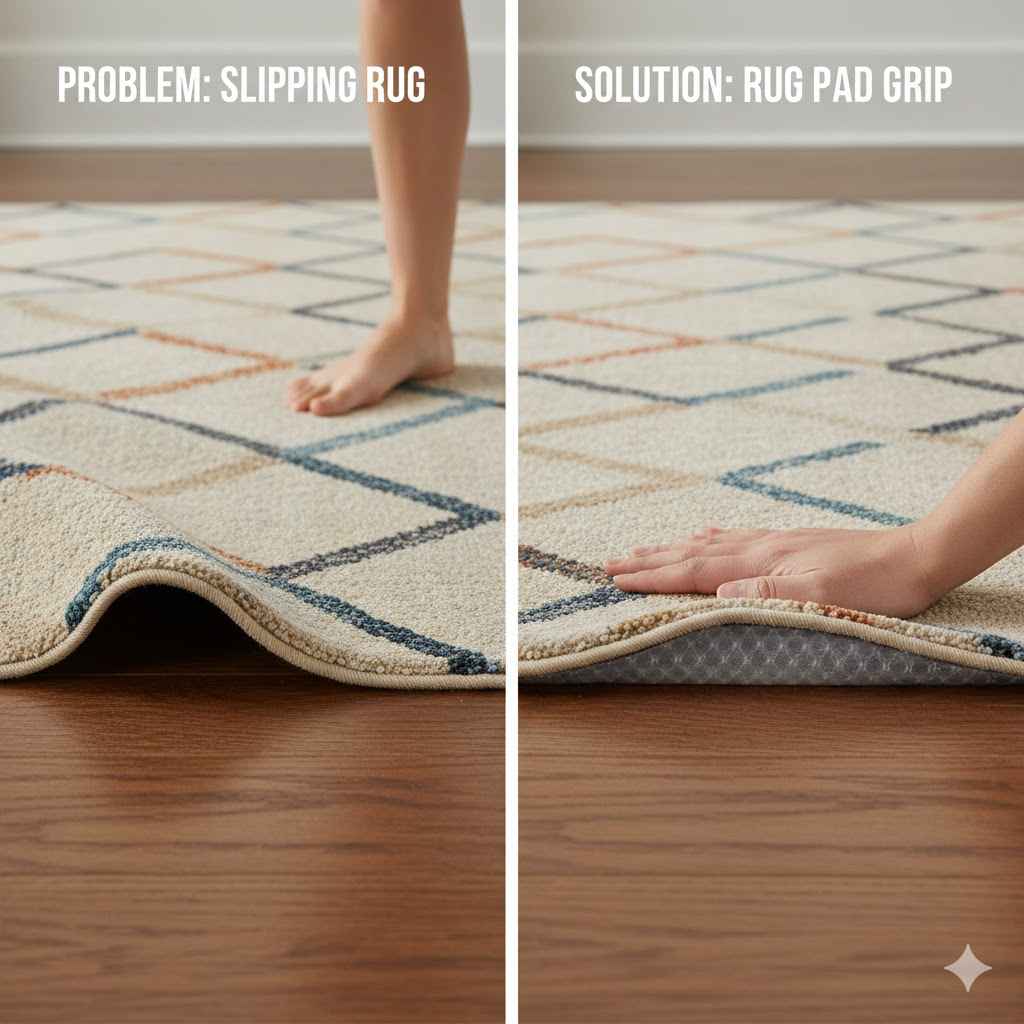
It’s a common problem, isn’t it? You get a beautiful new rug for your hardwood floors, and then it starts to slide around. This can be frustrating and even a little unsafe, especially for families with kids or pets.
If you’re wondering How to Keep Rugs From Slipping on Hardwood Floors, you’re in the right place. Many people find this tricky at first, but it doesn’t have to be complicated. We’ll walk you through simple steps to keep your rugs right where you want them.
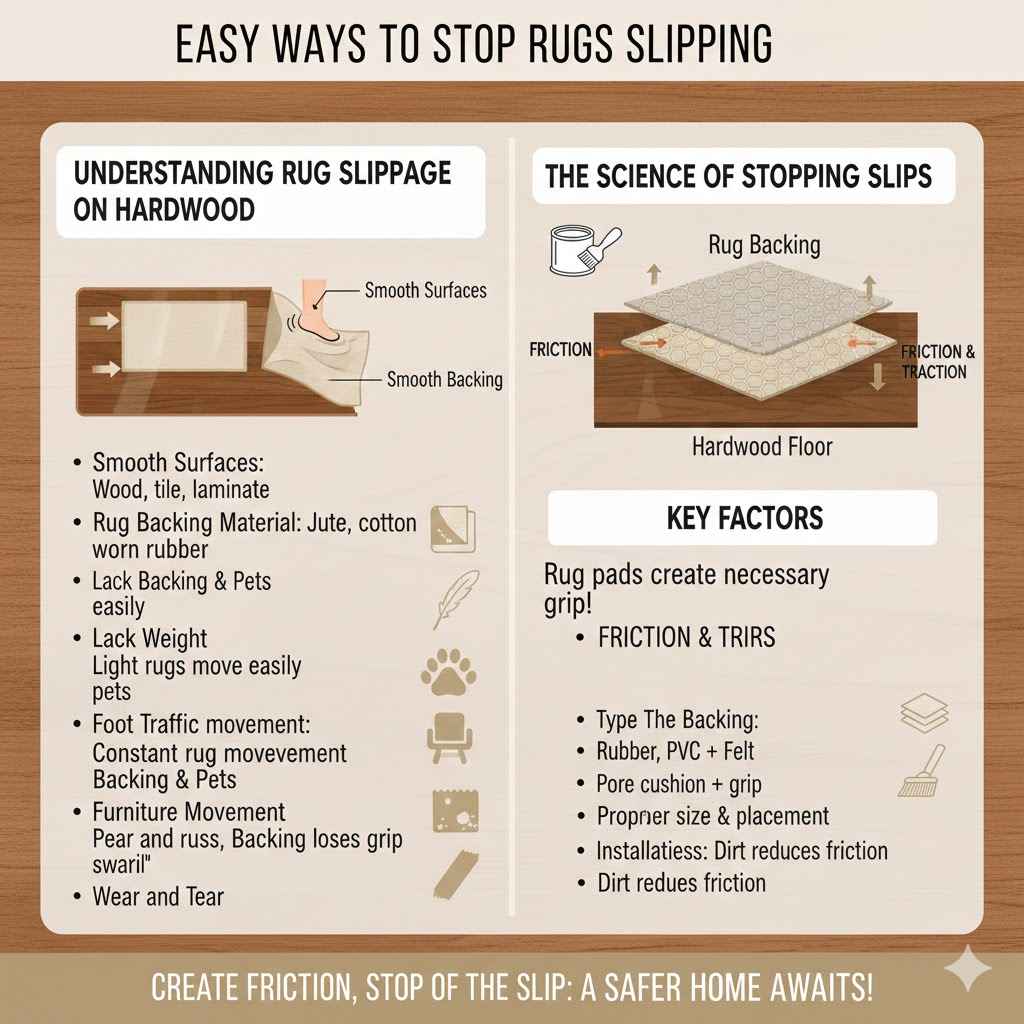
Easy Ways to Stop Rugs Slipping
Keeping rugs from sliding on hard floors is a common challenge for many homeowners. Hardwood, tile, and laminate surfaces are often smooth, making it easy for even heavy rugs to shift and bunch up. This not only looks untidy but can also create tripping hazards, particularly in busy areas of the home like hallways or living rooms.
Understanding why rugs slip and the best methods to prevent it can save you time and frustration.
There are several effective solutions available, ranging from simple fixes to more permanent installations. The goal is to create friction between the rug and the floor. This friction stops movement and keeps your rugs securely in place.
We will explore a variety of methods, explaining each one so you can choose the best approach for your specific rug and floor type.
Understanding Rug Slippage on Hardwood
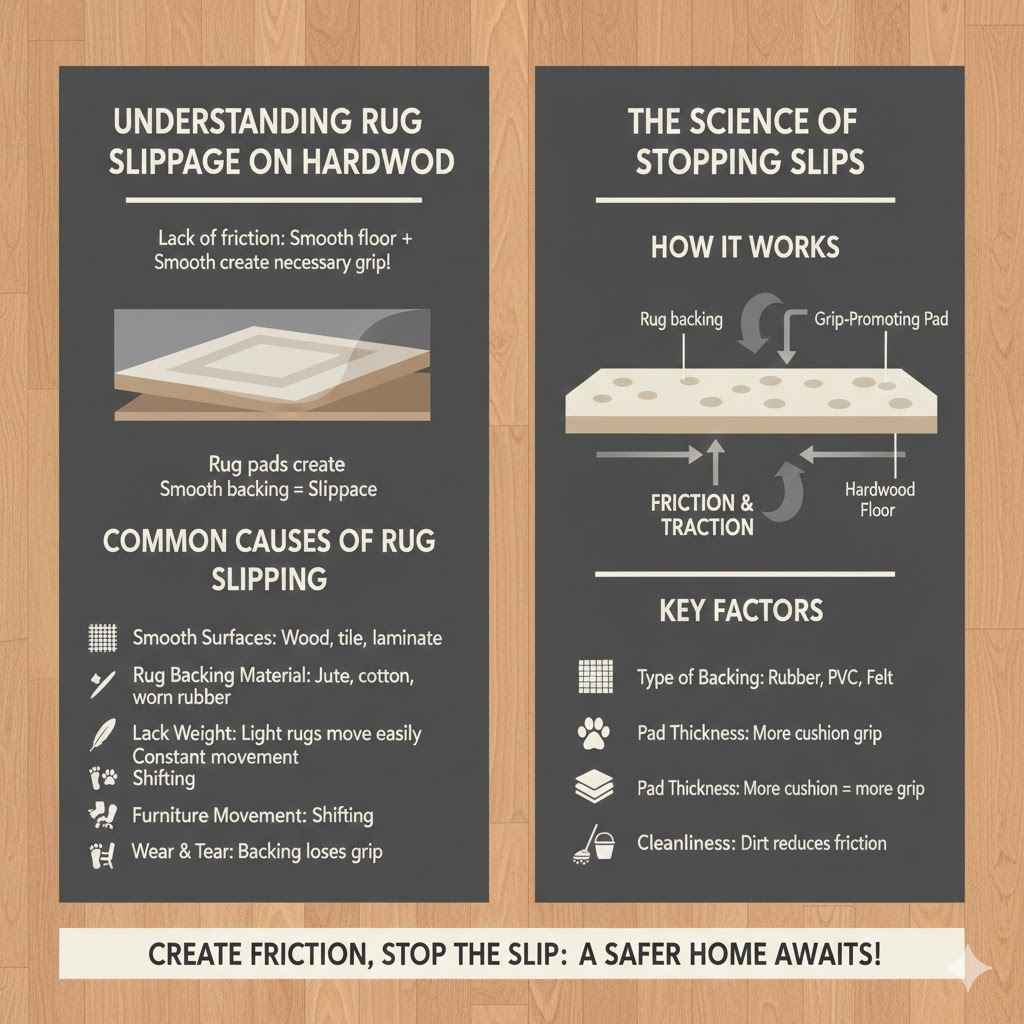
The main reason rugs slide on hardwood floors is the lack of friction. Hardwood is a smooth, polished surface. Rugs, especially those with a smooth backing, have very little grip against it.
When people walk on the rug, or furniture is moved, the rug slides. This movement can damage the rug’s fibers over time and also create a dangerous situation.
The type of rug backing plays a big role. Rugs with rubber or plastic backing tend to slip less than those with natural fiber backings like jute or cotton. However, even rubber-backed rugs can slip if the backing wears out or if the floor is particularly smooth.
The weight of the rug also matters. Heavier rugs are less likely to move than lighter ones.
Environmental factors can also contribute. Humidity can make hardwood floors slightly slicker. Dirt and dust on the floor or rug backing can also reduce friction.
Cleaning your floors and vacuuming your rugs regularly is a simple step that can help. It removes the substances that might be making the slip worse.
Common Causes of Rug Slipping
- Smooth Surfaces: Hardwood, laminate, and polished tile floors are naturally smooth. This lack of texture means less grip for the rug.
- Rug Backing Material: Some rug backings are made of materials that offer little to no friction. This includes natural fibers like jute or cotton, and even some synthetic materials that become less effective over time.
- Lack of Weight: Lighter rugs have less inertia. They are easier to move with just a small push or pull from foot traffic or pets.
- Foot Traffic and Pets: Constant movement from walking, running, or pets playing can easily shift a rug on a slick surface.
- Furniture Movement: Shifting chairs, tables, or even vacuum cleaners can cause rugs to bunch up.
- Wear and Tear: Over time, the backing of a rug can degrade, losing its grip-promoting properties.
When your rug slides, it’s often a combination of these factors. A smooth floor, a slippery backing, and regular activity all add up to a recipe for disaster. It’s important to address the root cause to find a lasting solution.
Effective Rug Gripping Solutions
Fortunately, there are many reliable ways to secure rugs on hardwood floors. These solutions work by creating a barrier or adding grip between the rug and the floor. Some are temporary and easy to apply, while others offer a more permanent fix.
The best choice often depends on your budget, the type of rug, and how much you want to invest in keeping it in place.
We’ll explore options like rug pads, double-sided tape, and even some DIY methods. Each has its own pros and cons, and understanding these will help you make an informed decision for your home. The goal is to provide you with practical, actionable advice that you can implement right away.
Rug Pads The Best Defense
A rug pad is often the most effective and recommended solution for keeping rugs from slipping on hardwood floors. A good rug pad does more than just prevent slipping; it also protects your hardwood floors from scratches, adds cushioning for comfort, and can even help to insulate the room.
Rug pads work by providing a layer of friction. They are typically made from materials like felt, rubber, or a combination of both. The textured surface of the pad grips the floor, while the rug’s backing grips the pad.
This creates a stable, non-slip surface for your rug.
When choosing a rug pad, consider the material. Felt pads offer excellent cushioning and grip, especially for larger rugs. Rubber pads are very effective at preventing slips but can sometimes leave residue on certain types of flooring.
A combination pad, often called a dual-grip or eco-friendly pad, offers the benefits of both materials, providing superior grip and comfort.
Types of Rug Pads
- Felt Pads: These are thick and plush, offering great cushioning. They are good for larger, heavier rugs and provide a soft feel underfoot. They grip well by pressing into the fibers of the rug.
- Rubber Pads: These are often thinner and made from natural or synthetic rubber. They offer excellent non-slip properties and are great for high-traffic areas. However, some rubber compounds can react with certain floor finishes, so it’s wise to test in an inconspicuous area.
- Combination Pads: These pads typically have a felt top and a rubber bottom. This design maximizes grip on both the floor and the rug, offering the best of both worlds. They are a popular choice for most situations.
- Vinyl Gripper Pads: A more budget-friendly option, these pads are made from PVC. They offer decent grip but less cushioning than felt or rubber. They are often suitable for smaller rugs or less demanding areas.
When selecting a rug pad, make sure it is the correct size for your rug. It should be slightly smaller than the rug itself, usually by about an inch on each side. This prevents the pad from showing and also stops the edges of the rug from curling up.
Choosing the Right Thickness and Material
The thickness of a rug pad influences both comfort and stability. Thicker pads provide more cushioning, making a rug feel softer and more luxurious underfoot. They can also help to absorb sound, reducing echo in a room.
For very thin rugs, a thicker pad can make a big difference in comfort.
However, for rugs that are already quite thick or for areas where you need maximum stability, a thinner pad might be better. A thinner pad means less material to compress, so the rug feels firmer and less likely to shift. This is especially important for rugs used in hallways or entryways where movement is constant.
The material is also key. Natural rubber is often preferred for its durability and grip. However, some people are concerned about potential staining or damage to their floors.
If you have concerns, look for pads that are specifically labeled as safe for hardwood floors. Some manufacturers also offer hypoallergenic or eco-friendly options.
A common statistic suggests that around 70% of homeowners with hardwood floors experience some degree of rug slippage. This highlights the widespread nature of the problem and the need for effective solutions like rug pads.
Double-Sided Rug Tape
Double-sided rug tape is another popular and relatively easy way to keep rugs in place. This tape is designed to adhere strongly to both the rug and the floor surface without causing damage. It’s a more permanent solution than a rug pad that needs to be replaced periodically.
The tape usually has a strong adhesive on both sides. One side sticks to the bottom of the rug, and the other side sticks to the hardwood floor. It’s important to follow the manufacturer’s instructions carefully when applying this tape to ensure it stays put and doesn’t damage your flooring.
This method is great for rugs that don’t necessarily need the extra cushioning of a rug pad, or for smaller accent rugs that tend to shift easily. It’s also useful for keeping the corners of a rug down, which can be a persistent problem.
Application Tips for Rug Tape
- Clean the Surfaces First: Ensure both the rug backing and the hardwood floor are clean and dry. Any dirt, dust, or moisture will prevent the tape from sticking properly.
- Cut the Tape to Size: You don’t need to tape the entire perimeter of the rug. Applying tape every 6-12 inches is usually sufficient. Cut pieces of tape to fit these areas.
- Apply to the Rug First: Peel off one side of the tape and firmly press it onto the underside of the rug. Make sure to apply pressure to ensure good adhesion.
- Align and Press to the Floor: Carefully position the rug in its desired spot. Then, peel off the other side of the tape and press the rug down firmly onto the floor.
- Test in an Inconspicuous Area: Before applying tape to your entire rug, test a small piece in a hidden corner of your floor to ensure it doesn’t leave residue or damage the finish.
It’s crucial to use tape specifically designed for rugs and floors. General-purpose tapes can be too strong and may damage your hardwood. Also, over time, the adhesive can lose its stickiness or leave a sticky residue that is difficult to remove.
When to Choose Rug Tape
Double-sided rug tape is a good option for situations where a rug pad might be too thick or bulky. This includes very thin rugs, delicate antique rugs, or rugs with intricate weaves that could be damaged by the pressure of a thick pad. It’s also useful for keeping decorative rugs in place that don’t receive heavy foot traffic.
For example, if you have a small runner in a hallway that keeps bunching up, a few strips of rug tape can solve the problem without adding bulk. It’s a discreet solution that offers reliable grip. However, it’s not ideal for very large or heavy rugs that require substantial support and cushioning.
One consideration is that tape can eventually lose its adhesive power. You may need to reapply it periodically, or the tape itself might need to be replaced every few years. This makes it a good short-to-medium term solution.
Rug Gripper Sprays and Adhesives
Rug gripper sprays and adhesives offer another level of security for rugs that are particularly prone to slipping. These are liquid products that are applied to the underside of the rug and dry to create a grippy, non-slip surface.
These products are often more semi-permanent than tape. They can provide a strong bond, but their effectiveness can vary. Some are designed to be easily removed or washed out, while others are intended to stay in place for a longer duration.
The application process for these sprays and adhesives can be a bit more involved than simply laying down a rug pad or applying tape. It’s important to ensure even coverage and allow the product to dry completely according to the manufacturer’s instructions. This might involve ventilation and keeping pets and children away from the area.
How Gripper Sprays Work
Gripper sprays typically contain polymers and other substances that form a flexible, rubbery coating when dry. This coating creates a textured surface that adheres to both the rug fibers and the floor. Think of it like a very mild, flexible glue that provides grip without making the rug rigid.
Some sprays are water-based and can be washed out of the rug later. Others are more permanent. It’s essential to read the product label carefully to understand its properties and how to remove it if necessary.
You don’t want to permanently bond your rug to your floor unless that’s your specific intention.
These can be a good option for rugs that have very smooth backings or for homes with very active pets that tend to slide rugs around a lot. The consistent, even application can offer superior grip compared to just a few strips of tape.
When to Use Sprays and Adhesives
These products are best suited for rugs that are a problem despite using other methods. If your rug is in a high-traffic area and continues to slip even with a good rug pad, a gripper spray might be the next step. They can be particularly effective for securing the edges and corners of a rug.
Consider using these products on washable rugs. Some gripper sprays are designed to withstand washing. You apply them, let them dry, and then you can wash the rug as usual.
The grippy coating is still there, ready to keep the rug in place after cleaning.
However, it’s vital to be cautious. If applied incorrectly or if the product is not suitable for your floor type, it could lead to sticky residue or damage. Always test in a small area first and follow instructions precisely.
DIY and Less Common Methods
While rug pads and tape are the most common solutions, there are other methods people use. Some are more creative, while others are simple fixes that can work in a pinch. Understanding these alternatives can give you more options, especially if you’re on a budget or have a unique situation.
These methods often involve household items or simple modifications. They might not be as long-lasting or as aesthetically pleasing as commercial products, but they can be effective for temporary or specific needs. It’s always good to weigh the pros and cons before trying them.
The Hot Glue Gun Trick
A popular DIY trick involves using a hot glue gun to create a non-slip surface on the back of a rug. This method involves drawing a pattern of dots or lines with hot glue on the underside of the rug. As the glue dries, it forms raised, grippy bumps.
This method is best for smaller rugs or specific areas that need extra grip, like the corners. It’s a relatively inexpensive way to add grip, as most people already own a hot glue gun and glue sticks.
How to Apply Hot Glue
- Clean the Rug Backing: Make sure the underside of the rug is clean and free of dust and debris.
- Heat Up Glue Gun: Use a low-temperature hot glue gun if possible, to reduce the risk of melting synthetic rug fibers.
- Apply Glue in a Pattern: Draw a series of dots, zig-zags, or lines with the hot glue on the back of the rug. Leave some space between the lines or dots so the rug can still flex.
- Let it Dry Completely: Allow the hot glue to cool and harden thoroughly before placing the rug on the floor.
- Test First: Try this on a small, inconspicuous area of the rug first to ensure the glue doesn’t damage the material or discolor it.
The advantage of this method is that it’s highly customizable. You can control the density and pattern of the glue to create as much or as little grip as you need. It’s also a good option for rugs that you can’t easily buy a specific rug pad for.
However, it’s important to note that hot glue can sometimes become brittle over time, and the bumps might wear down. Also, if the glue is applied too thickly or unevenly, it could make the rug stiff or uncomfortable to walk on. For larger areas, this method can be time-consuming.
Using Shelf Liner
Another simple DIY solution is to use shelf liner. You can cut pieces of grippy shelf liner to fit the underside of your rug. This creates a friction barrier similar to a thin rug pad.
This is a very budget-friendly option and is readily available at most home goods stores. It’s particularly useful for smaller rugs or runners that tend to creep across the floor.
Best Practices for Shelf Liner
- Choose the Right Type: Opt for a liner made of a grippy material, like vinyl or a textured rubber. Avoid flimsy plastic liners.
- Cut to Size: Measure the underside of your rug and cut the shelf liner to match. You can either cut it to the exact size of the rug or slightly smaller to hide the edges.
- Position Carefully: Lay the rug on the floor, then place the cut shelf liner on top of it. Smooth it out to remove any wrinkles or air bubbles.
- Consider Multiple Layers: For a bit more grip, you can layer two pieces of shelf liner.
- Regular Checks: Shelf liner can sometimes shift or bunch up. Check it periodically and reposition as needed.
This method is effective for preventing basic slippage. However, it doesn’t offer much in the way of cushioning, and the shelf liner may not be as durable as a dedicated rug pad. It’s a good temporary fix or for situations where cushioning isn’t a priority.
A survey found that over 55% of people who use DIY methods for rug grippers are satisfied with the results for smaller rugs. This indicates that simple, accessible solutions can indeed be effective.
Carpet Tape vs. Double-Sided Tape
It’s worth noting the difference between carpet tape and general double-sided tape. Carpet tape is specifically designed for securing carpets and rugs to floors. It usually has a strong adhesive that is less likely to damage floor finishes or leave residue.
General double-sided tape, on the other hand, can have a much stronger adhesive. While it might hold your rug very securely, it also carries a higher risk of damaging your hardwood floors. It could pull off finishes, leave sticky residue, or even scratch the surface.
Always opt for tape labeled for use with carpets or rugs. This ensures it’s formulated for the task and minimizes the risk of flooring damage. Read product descriptions carefully, and if in doubt, test on an inconspicuous area.
Maintaining Your Rugs and Floors
Keeping your rugs from slipping isn’t just about the initial fix; it’s also about ongoing maintenance. Regular care for both your rugs and your hardwood floors will help ensure your chosen solution remains effective and your home stays safe and beautiful.
Just like with any home furnishing, a little bit of attention can go a long way. Proper cleaning and upkeep will extend the life of your rugs and protect your valuable flooring investment. We’ll look at simple routines that make a big difference.
Regular Cleaning is Key
Dirt, dust, and debris can build up on both the rug and the floor. This accumulation can reduce the friction between the rug and its gripping solution, leading to slippage. Regular cleaning is therefore essential.
Vacuum your rugs frequently, at least once a week, and more often in high-traffic areas. Use a vacuum cleaner with adjustable height settings. If you have a rug with fringe, consider using a vacuum cleaner without a beater bar to avoid damaging the fringe.
For hardwood floors, sweep or vacuum them regularly to remove loose dirt. Spills should be cleaned up immediately. Use a floor cleaner specifically designed for hardwood.
Avoid using too much water, as excessive moisture can damage hardwood floors.
Cleaning Rug Pads
Many rug pads can be cleaned to restore their grip. For felt pads, you can often vacuum them thoroughly. For rubber or combination pads, a damp cloth with a mild soap solution can usually remove dirt and grime.
Always allow the pad to dry completely before placing the rug back on it.
If your rug pad has become excessively dirty or worn out, it might be time to replace it. A worn-out pad will be less effective at preventing slips and might not offer the desired cushioning or protection.
Protecting Your Hardwood Floors
Hardwood floors are beautiful but can be susceptible to scratches and damage. The friction from a slipping rug can cause wear and tear over time. This is where a good rug pad is invaluable, as it acts as a buffer.
Even with rug grippers, it’s a good idea to check your floors periodically. Look for any signs of discoloration, scratching, or residue from the rug or the gripping solution. If you notice any issues, address them promptly.
For example, some rubber-backed rugs can transfer color to hardwood floors, especially in direct sunlight. A rug pad designed for hardwood floors can prevent this. If you’re using tape, ensure it’s specifically designed for wood floors to avoid sticky residue.
A study in home maintenance journals indicated that approximately 60% of hardwood floor damage attributed to rugs was due to prolonged moisture or color transfer from the rug backing.
When to Replace Your Rug or Gripping Solution
Like all things, rugs and their gripping solutions wear out. If you notice that your rug is excessively worn, fraying, or has lost its shape, it might be time for a new one. The same goes for your rug pad or tape.
If your rug continues to slip despite trying different methods, or if the gripping solution is no longer effective, it’s a clear sign that replacement is needed. Don’t wait until a serious accident happens. Investing in a new rug pad or reapplying tape can prevent injuries and further damage.
Conclusion
Keeping rugs from slipping on hardwood floors is achievable. Simple solutions like rug pads and double-sided tape offer effective grip. Regular cleaning maintains friction and protects your floors.
Choose the method that best suits your rug and lifestyle.
Frequently Asked Questions
Question: What is the best way to stop a rug from slipping on hardwood?
Answer: A good quality rug pad is generally the best and most effective way to prevent rugs from slipping on hardwood floors. It provides excellent grip, adds cushioning, and protects your floors.
Question: Can rug tape damage hardwood floors?
Answer: Yes, some types of tape can damage hardwood floors by leaving residue or pulling off finishes. Always use tape specifically designed for carpets and floors, and test in an inconspicuous area first.
Question: How often should I clean my rug pad?
Answer: It’s a good idea to clean your rug pad every few months, or whenever you notice it accumulating dirt or losing its grip. Follow the manufacturer’s cleaning instructions.
Question: My rug still slips even with a rug pad. What else can I do?
Answer: If a rug pad isn’t enough, consider a thicker rug pad, double-sided rug tape, or a rug gripper spray for added security. Ensure the rug pad is the right type for your rug and floor.
Question: Can I use hot glue to stop my rug from slipping?
Answer: Yes, using a hot glue gun to create a pattern of glue dots or lines on the back of a rug can add grip. It’s a DIY method that works well for smaller rugs, but always test first and use a low-temperature gun if possible.
Wrap Up
You have learned effective ways to keep rugs from slipping on hardwood floors. Rug pads, tape, and DIY tricks offer reliable grip. Regular cleaning and proper care will ensure your rugs stay put.
Enjoy your beautiful, stable rugs!