How to Keep Wood Stove Glass from Turning Black
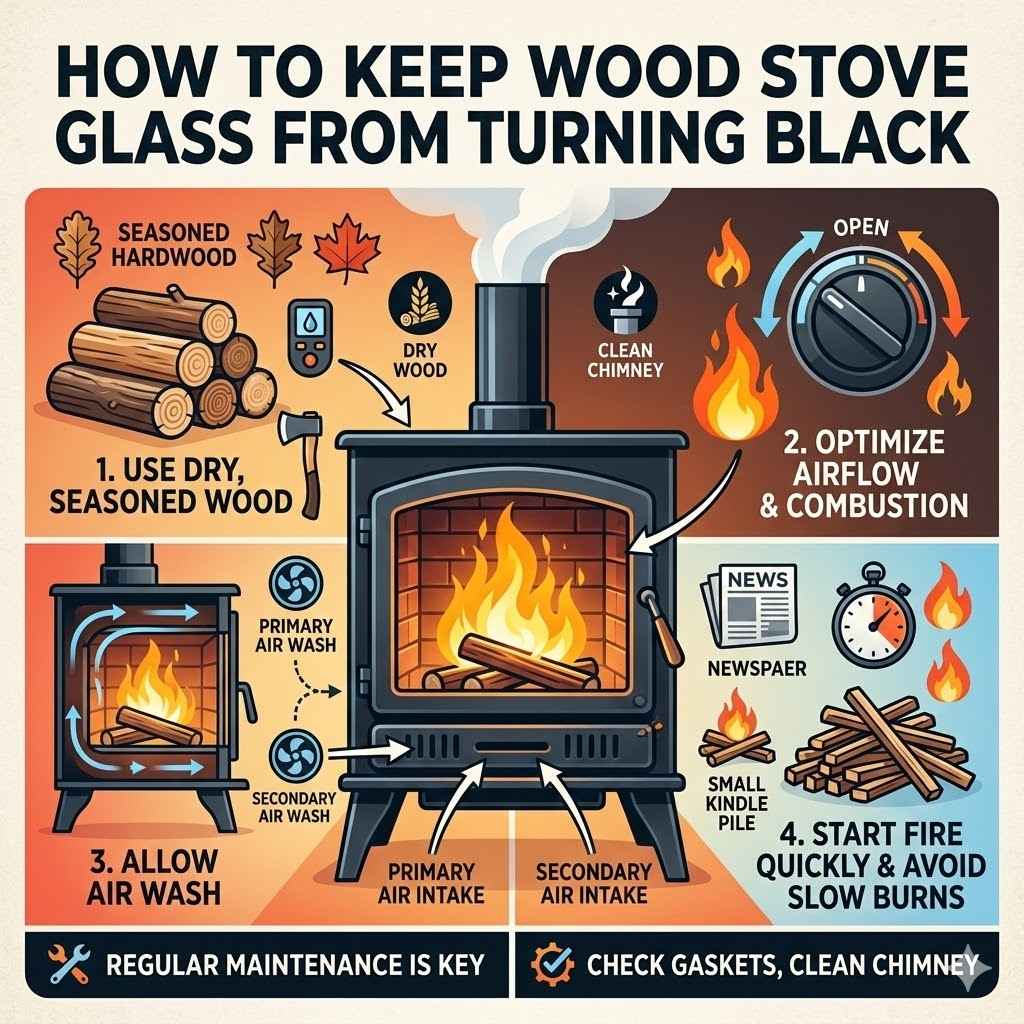
Many folks who love the cozy warmth of a wood stove find themselves asking, “How to keep wood stove glass from turning black.” It can be a bit puzzling at first, as soot and creosote seem to cling to the glass no matter what you do. But don’t worry, keeping your stove’s glass clear is easier than you might think. This guide will show you simple steps to prevent that black buildup and enjoy the firelight.
Preventing Soot Buildup on Wood Stove Glass
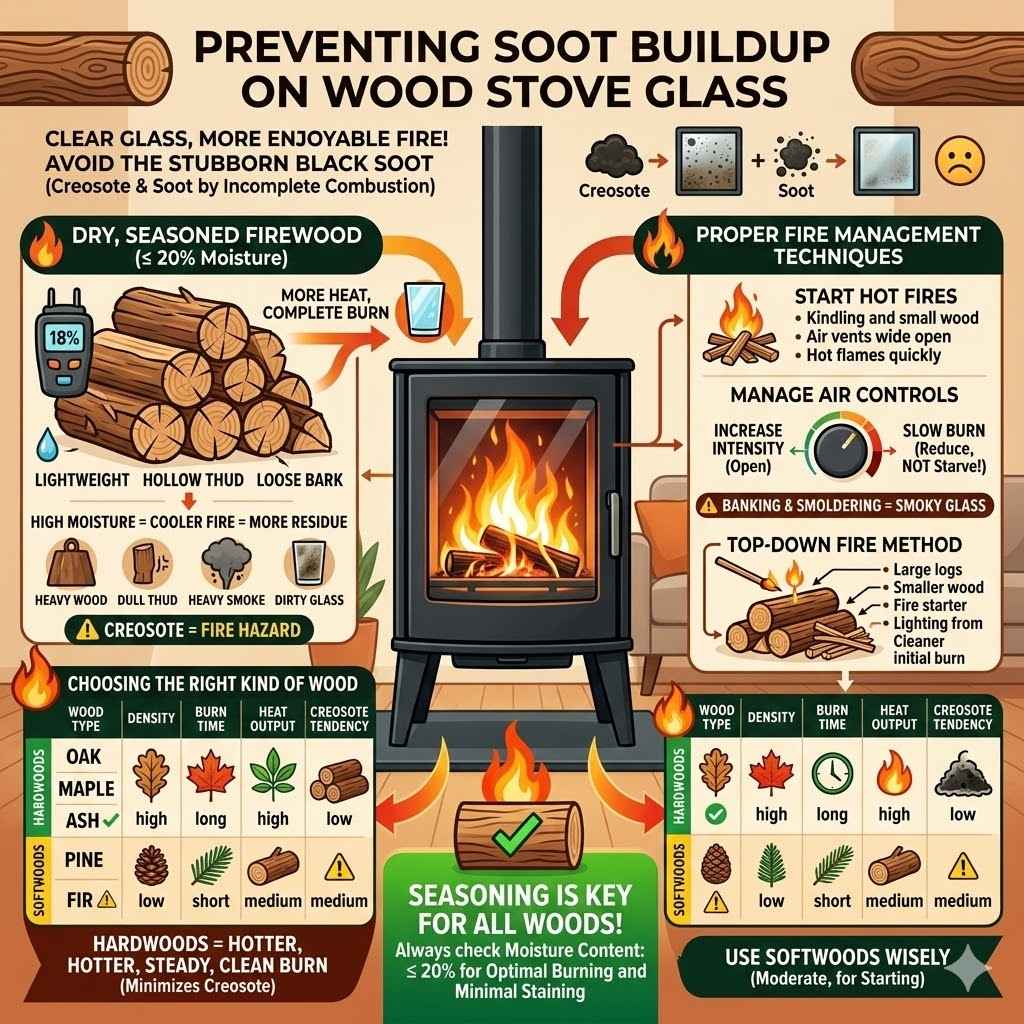
Keeping your wood stove’s glass clear and free from that stubborn black soot is a common goal for many stove owners. It’s not just about looks; clear glass allows you to enjoy the beautiful view of your fire. When you first start using a wood stove, it’s easy to be surprised by how quickly the glass can get dirty.
This section will walk you through the best ways to stop that black coating before it even starts, making your stove more enjoyable and efficient.
Understanding Why Wood Stove Glass Turns Black
The black stuff you see on your wood stove glass is mostly creosote and soot. These are byproducts of incomplete combustion. When wood doesn’t burn hot enough, or if you’re burning damp wood, it doesn’t fully turn into heat and ash.
Instead, some of the smoke particles stick to the cooler surface of the glass. This is a common issue, especially for beginners learning how to manage their stove’s fire.
Creosote is a flammable substance that can build up inside your chimney and stove. It’s not just an eyesore on the glass; it can also be a fire hazard. Soot is a more powdery black residue.
Both can form quickly if your fire isn’t burning cleanly. The key to preventing this buildup lies in how you operate your stove and the type of fuel you use. We’ll explore simple, effective methods to keep your glass shining.
The Importance of Dry Firewood
Using dry firewood is perhaps the most important step in preventing soot and creosote. Wood that is not properly seasoned, meaning it still contains a lot of moisture, will not burn efficiently. When you try to burn wet wood, a lot of the energy from the fire is used just to evaporate the water, leaving less heat to burn the wood completely.
This results in a smoky fire and more residue left behind.
Seasoned firewood typically has a moisture content of 20% or less. You can often tell if wood is seasoned by its weight (lighter), the sound it makes when knocked together (a hollow thud, not a dull thud), and the presence of cracks on the ends. Burning wet wood also leads to a cooler burning fire, which further encourages the formation of creosote on the stove’s glass and in the chimney.
Investing in properly dried wood makes a huge difference.
Why Moisture Matters
High moisture content in wood forces the fire to work harder to evaporate the water before it can properly burn the wood itself. This cools the fire down. A cooler fire means incomplete combustion.
Incomplete combustion is the direct cause of smoke and the particles that stick to your stove glass and build up in your chimney. Aim for wood that has been dried for at least six to twelve months.
Identifying Seasoned Wood
Seasoned wood is lighter than wet wood of the same type and size. It will often have cracks or checks on the ends, which is a sign that the moisture has been drying out. When you knock two pieces of seasoned wood together, they should make a clear, sharp ringing sound, not a dull thud.
Also, the bark may be loose or falling off. If the wood feels heavy or looks very dark and fresh, it’s likely still too wet to burn efficiently.
The Impact on Your Stove
Burning unseasoned wood is bad for your stove and chimney. It creates more creosote, which is sticky and tar-like. This creosote can build up and eventually cause a chimney fire, which is very dangerous.
It also means you’re not getting as much heat from your wood, so you’ll need to burn more fuel. This makes your heating less efficient and more expensive in the long run.
Proper Fire Management Techniques
How you build and maintain your fire plays a big role in keeping the glass clean. Starting a fire that burns hot and fast initially helps to establish a good draft. A strong draft pulls air into the stove, feeding the fire and helping it burn more completely.
Once the fire is going well, you can adjust the air controls to maintain a steady burn.
Avoid banking the fire too much, especially with a cold stove. Banking a fire means closing down the air supply to make the fire last longer. If the air supply is too restricted, the fire will smolder, leading to a smoky, inefficient burn and more soot on the glass.
Finding the right balance with your air controls is key to a clean burn and clear glass.
Starting Hot Fires
When you first start your fire, use plenty of kindling and small pieces of wood to get it going quickly. Open the air vents fully. This creates a hot, lively fire that quickly heats up the stove and the chimney.
A hot fire burns more completely, producing less smoke and soot. Once the stove and chimney are warm, you can start to regulate the air controls.
Managing Air Controls
Most wood stoves have an air intake control. When you want to increase the fire’s intensity, open this control more. When you want to slow the burn down, reduce the air supply.
However, do not close the air control too much, as this will starve the fire of oxygen and cause it to smolder. A smoldering fire is the primary cause of smoky glass and creosote buildup.
Top-Down Fire Method
Some people find success with the “top-down” fire-starting method. You place larger logs on the bottom, then smaller logs, then kindling and a fire starter on top. Light the kindling.
This method burns from the top down, which can lead to a cleaner burn as the smoke from the burning wood has to pass through the hot flames above, burning off more of the particles.
Choosing the Right Kind of Wood
The type of wood you burn also affects how clean your stove burns. Hardwoods like oak, maple, and ash are denser than softwoods like pine and fir. Denser hardwoods burn longer and hotter when properly seasoned.
This hot, steady burn is ideal for minimizing creosote buildup. Softwoods tend to burn faster and can produce more creosote if not managed carefully.
While softwoods are great for getting a fire started quickly because they ignite easily, they are best used in moderation or for brief periods. For sustained, efficient heating and cleaner glass, hardwoods are generally preferred. Always ensure that whatever wood you use is well-seasoned, regardless of whether it’s a hardwood or softwood.
The moisture content is the most critical factor.
Here’s a quick look at common wood types and their burning characteristics:
| Wood Type | Density | Burn Time | Heat Output | Creosote Tendency |
|---|---|---|---|---|
| Oak | High | Long | High | Low |
| Maple | High | Long | High | Low |
| Ash | Medium-High | Medium-Long | Medium-High | Low |
| Pine | Low | Short | Medium | Medium |
| Fir | Low | Short | Medium | Medium |
Hardwoods vs. Softwoods
Hardwoods, such as oak, maple, and birch, are denser. This means they contain more energy per volume and burn hotter and longer when seasoned. Their dense structure contributes to a more complete combustion process, producing less smoke and creosote.
They are excellent for overnight burns or when you need consistent heat. Their tendency to produce fewer creosote deposits makes them a top choice for keeping stove glass clean.
Using Softwoods Wisely
Softwoods, like pine, spruce, and fir, are less dense and burn much faster. They are easier to ignite and good for starting fires quickly or for short periods of heat. However, their rapid burn and lower burning temperature can lead to more smoke and creosote formation, especially if the stove’s air intake is not managed correctly.
It’s best to use them in combination with hardwoods or when you can closely monitor the fire.
Seasoning is Key for All Woods
Regardless of whether you are burning a hardwood or a softwood, proper seasoning is absolutely essential. Even the densest hardwood will produce excessive smoke and creosote if it’s wet. Conversely, a well-seasoned softwood will burn much cleaner than a wet hardwood.
Always check the moisture content of your wood; aim for 20% or less for optimal burning and minimal glass staining.
Maintaining Clean Wood Stove Glass
Even with the best practices for preventing soot, some buildup is almost inevitable over time. Fortunately, cleaning your wood stove glass is a straightforward process. Knowing the right methods will keep your view of the fire clear and extend the life of your stove’s glass.
This section covers how to tackle the inevitable soot and keep your stove looking its best.
Everyday Cleaning Tips
The easiest way to keep your wood stove glass clean is to clean it regularly. You don’t need fancy cleaners for this. Often, a damp cloth or paper towel can do the trick if the soot hasn’t been allowed to build up too much.
If the soot is a bit tougher, a little bit of ash from the stove itself can be a surprisingly effective mild abrasive.
After the stove has cooled completely, you can dip a damp paper towel or cloth into the fine ash found at the bottom of the firebox. Rub the ash gently on the glass. The ash acts as a mild scouring agent that can lift the soot without scratching the glass.
Rinse with a clean damp cloth and dry thoroughly. This simple method can be done every few days or weekly, depending on your stove usage.
Using Stove Ash
Wood stove ash is a natural cleaner. It’s slightly alkaline and acts as a mild abrasive. To use it, wait for the stove to cool completely.
Dampen a paper towel or a soft cloth. Dip the damp towel into the fine, powdery ash from your stove. Gently rub the sooty areas on the glass in a circular motion.
This often lifts the soot with minimal effort. Rinse the glass with a clean, damp cloth and then dry it with a soft, dry cloth.
Water and Paper Towels
For light soot, plain water on a paper towel or cloth is often enough. Make sure the glass is cool before you start. Wipe the glass down.
If the soot is stubborn, you might need to repeat the process or use a bit more pressure, but always be gentle to avoid scratching. This is a quick way to maintain clarity between deeper cleanings.
Regular Wiping
Make it a habit to give the glass a quick wipe down when you are loading or cleaning out the stove. This preventative measure can stop soot from hardening and becoming more difficult to remove. A few minutes of regular attention can save you a lot of scrubbing later on.
Deep Cleaning Methods
For more stubborn soot or creosote buildup that the everyday methods can’t handle, you might need to use a specialized stove glass cleaner. These cleaners are designed to break down creosote without damaging the glass or the stove’s seals. Always follow the product instructions carefully.
Another effective method for tough spots involves using a solution of vinegar and water. Mix equal parts white vinegar and water in a spray bottle. Spray the solution onto the glass (making sure the stove is cool and you’ve protected the surrounding area from drips).
Let it sit for a few minutes to loosen the soot, then wipe it away with a soft cloth or paper towel. Rinse with a clean damp cloth and dry.
Commercial Stove Glass Cleaners
There are many effective commercial cleaners made specifically for wood stove glass. These products are formulated to cut through creosote and soot without harming the glass or the stove’s gaskets. Always ensure you are using a cleaner designed for this purpose.
Apply the cleaner, let it sit for the recommended time, and then wipe it clean with a soft cloth. You may need to repeat this process for very heavy buildup.
Vinegar and Water Solution
A mixture of equal parts white vinegar and water can be a great DIY cleaner. Spray this solution onto the cooled glass and let it work for a few minutes. Vinegar’s mild acidity helps to break down the soot and creosote.
Wipe clean with a soft cloth. This is a more natural alternative to commercial cleaners and is usually quite effective for moderate buildup.
Razor Blade Technique (Use with Caution)
For extremely stubborn, baked-on creosote, a razor blade scraper can be used. Hold the blade at a very low angle to the glass (almost flat) and gently scrape away the buildup. It’s crucial to use a new, sharp blade and to be extremely careful not to scratch the glass.
This method should be a last resort and requires a steady hand. Always ensure the glass is completely cool.
Protecting Your Stove’s Gaskets
When cleaning your wood stove glass, it’s important to protect the door gaskets. Gaskets are the rope-like seals around the edge of the stove door that help create an airtight seal. Harsh chemicals or excessive scrubbing can damage these seals, leading to air leaks.
Air leaks can reduce your stove’s efficiency and make it harder to control the burn.
When using any cleaning solution, be careful not to let it soak into the gasket material. If you do get cleaner on the gasket, wipe it off immediately with a damp cloth. For most cleaning jobs, you can simply avoid spraying cleaner directly onto the gasket area.
If the gaskets are old and brittle, they might need replacing. Damaged gaskets can also contribute to dirty glass because they allow too much air in, creating an uncontrolled burn.
What Are Gaskets?
Gaskets are made of fiberglass rope and are fitted into a channel around the stove door. Their primary job is to create a tight seal when the door is closed. This seal prevents unwanted air from entering the firebox, which helps you control the burn rate and ensures the stove operates efficiently.
A good seal means the air you control with the stove’s vents is the only air entering the fire.
Avoiding Damage
When cleaning the glass, try to keep cleaning solutions away from the gasket material. If you are using a spray cleaner, you can spray it onto your cloth first, then wipe the glass. This gives you more control and prevents overspray.
If you accidentally get cleaner on the gasket, wipe it off promptly with a damp cloth.
Signs of Deterioration
Over time, gaskets can wear out, become compressed, or crack. If you notice smoke leaking from around the door when the stove is operating, or if your stove is difficult to control and burns too quickly even with the air vents closed, your gaskets may need replacing. Check them periodically for signs of wear.
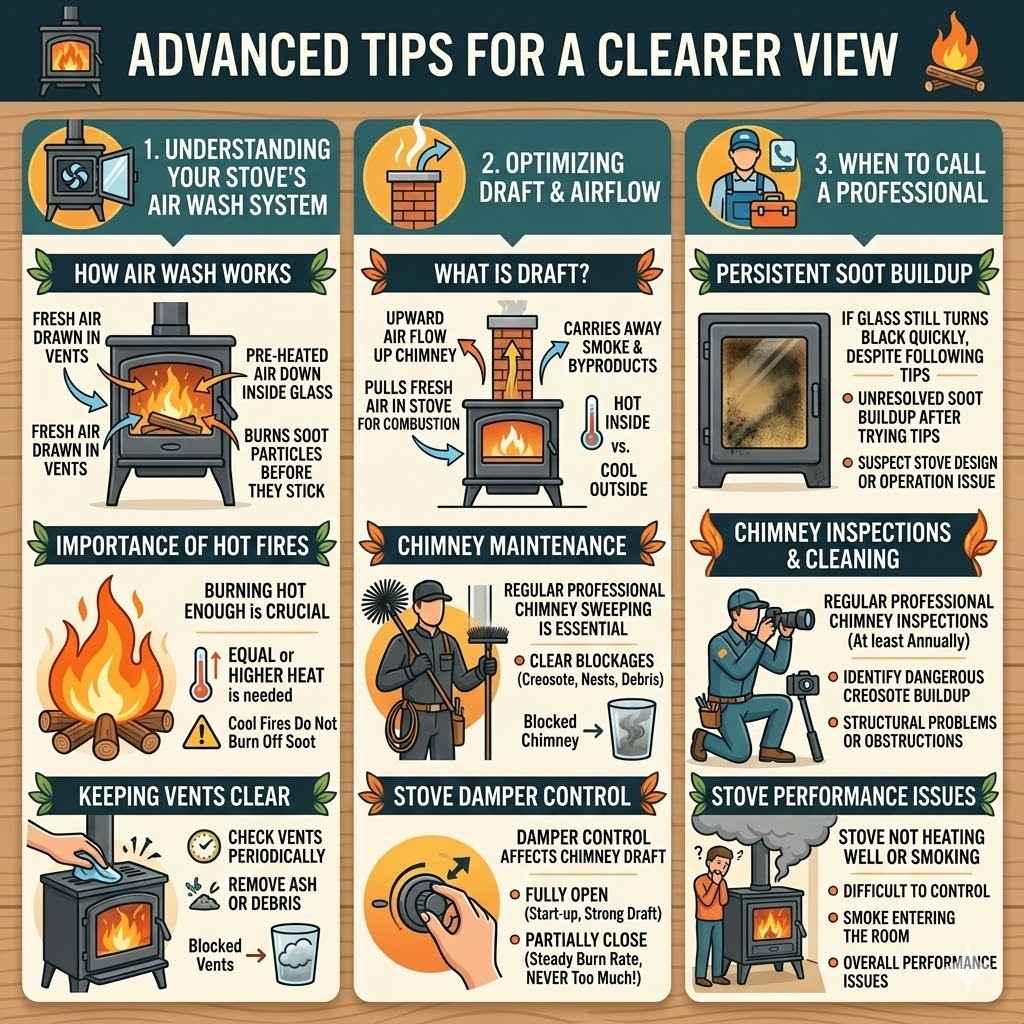
Advanced Tips for a Clearer View
Beyond the basic daily and weekly maintenance, there are a few advanced techniques and considerations that can significantly help in keeping your wood stove glass cleaner. These tips focus on optimizing your stove’s operation and understanding its internal workings.
Understanding Your Stove’s Air Wash System
Many modern wood stoves are equipped with an “air wash” system. This system uses pre-heated air that is directed down the inside of the glass. The purpose of this curtain of air is to keep the combustion gases from directly contacting the glass, thereby burning off soot particles before they can stick.
For the air wash system to work effectively, your stove needs to be burning hot enough. If your fire is smoldering or not hot enough, the air wash will not be able to burn off the soot. Ensuring you have a hot fire and that the air wash vents are not blocked is crucial for this feature to function as intended and keep your glass clear.
How Air Wash Works
The air wash system is designed to create a barrier of clean, hot air between the fire and the glass. This air is typically drawn in through vents at the top of the firebox, heated, and then directed downwards along the inside of the glass. As the hot air flows down, it helps to burn away any soot or creosote particles that might otherwise settle on the glass.
Importance of Hot Fires
For the air wash system to be effective, the stove needs to be burning at a sufficiently high temperature. A cool, smoldering fire will not produce the necessary heat to burn off the particles carried by the air wash. This is why starting fires hot and maintaining a good burn rate is so important, especially for stoves with this feature.
Keeping Vents Clear
The air wash vents can sometimes become blocked by ash or debris. It’s important to periodically check these vents and clean them out to ensure proper airflow. If the air wash system is not functioning correctly, you will likely notice a much quicker buildup of soot on your glass, even with good burning practices.
Optimizing Draft and Airflow
A good draft is essential for a wood stove to burn efficiently and cleanly. Draft refers to the upward flow of air through the chimney. A strong draft pulls fresh air into the stove for combustion and carries away smoke and combustion byproducts.
Several factors influence draft, including chimney height, diameter, and any obstructions.
Ensuring your chimney is clear of blockages like creosote, animal nests, or debris is vital. A clean chimney allows for smooth airflow. Also, ensure that the stove’s damper is open sufficiently when starting a fire.
Too little airflow leads to smoldering fires and dirty glass, while too much can cause the fire to burn too quickly and inefficiently.
What is Draft?
Draft is the natural pull of air up a chimney. It’s created by the difference in temperature between the hot gases inside the chimney and the cooler air outside. A good draft is crucial for safely removing smoke and ensuring the fire gets enough oxygen to burn efficiently.
Without proper draft, smoke can back up into the room.
Chimney Maintenance
Regular chimney sweeping is one of the most critical aspects of maintaining good draft. Creosote buildup can narrow the chimney flue, restricting airflow. Obstructions like bird nests or leaves can also block the chimney.
A professional chimney sweep can identify and remove these issues, ensuring optimal draft and safety.
Stove Damper Control
Your stove likely has a damper control that affects the chimney draft. When starting a fire, you typically want the damper fully open to establish a strong draft quickly. As the fire gets going and you want to slow the burn rate, you can partially close the damper.
However, never close it too much, as this can lead to a smoky fire and creosote buildup.
When to Call a Professional
While most cleaning and maintenance can be done by the homeowner, there are times when calling a professional is the best course of action. If you are struggling to keep your glass clean despite following best practices, or if you suspect a problem with your stove or chimney, a qualified technician can help.
Professionals have the tools and expertise to diagnose issues like poor draft, restricted airflow, or excessive creosote buildup that might be beyond a homeowner’s ability to address. They can also perform thorough chimney inspections and cleanings, ensuring your system is operating safely and efficiently. Don’t hesitate to seek expert advice if you’re unsure about any aspect of your stove’s performance.
Persistent Soot Buildup
If you’ve tried all the tips for preventing and cleaning soot, but your glass still turns black very quickly, there might be an underlying issue with your stove’s design, installation, or how you’re operating it. A professional can assess your specific situation and offer tailored advice or adjustments.
Chimney Inspections and Cleaning
Regular professional chimney inspections (at least annually) are recommended. A chimney sweep can identify dangerous creosote buildup or structural problems in the chimney that could affect draft and fire safety. They have specialized tools to clean the chimney thoroughly.
Stove Performance Issues
If your stove isn’t heating well, is difficult to control, or you notice smoke entering the room, it’s time to call a professional. These issues could point to problems with the stove itself, the chimney system, or the installation.
Frequently Asked Questions
Question: How often should I clean my wood stove glass
Answer: For light cleaning, a quick wipe with a damp cloth or ash can be done every few days or weekly. For a deeper clean, depending on your usage and how much soot builds up, you might do that every few weeks or once a month.
Question: Can I use household glass cleaner on my wood stove
Answer: No, it’s best not to use standard household glass cleaners. They can contain chemicals that might damage the stove’s seals or leave a residue that burns off and creates fumes. Use cleaners specifically designed for wood stoves or natural methods like ash or vinegar.
Question: What is the best way to start a fire for clean burning
Answer: Start with dry kindling and smaller pieces of wood, opening the air vents fully to establish a hot fire quickly. Once the stove and chimney are warm, you can adjust the air controls to maintain a steady, efficient burn. The top-down method can also promote cleaner burning.
Question: Does burning seasoned wood really make that much difference
Answer: Yes, burning seasoned wood makes a huge difference. Well-seasoned wood (under 20% moisture) burns hotter and more completely, producing significantly less smoke and creosote compared to wet wood. This leads to clearer glass and a safer, more efficient stove.
Question: My glass is heavily blackened what should I do
Answer: For heavily blackened glass, start with a deep cleaning method using a commercial stove glass cleaner or a vinegar and water solution. If that doesn’t work, a careful scrape with a razor blade at a low angle might be needed as a last resort. If the buildup is persistent and severe, it could indicate a problem with your stove’s operation or draft that a professional should check.
Conclusion
Keeping your wood stove glass from turning black is about using dry fuel and managing your fire effectively. By focusing on well-seasoned wood, proper airflow, and regular, simple cleaning, you can enjoy a clear view of your fire. These steps ensure your stove runs efficiently and safely, providing warmth and ambiance all season long.