How to Mail Shoes with Box
Hey there! So, you’ve got a pair of shoes you need to mail, and you want to make sure they arrive safe and sound in their box. I totally get it—I’ve been there, staring at a pair of sneakers, wondering how to package them without the box getting crushed or the shoes getting scuffed. Over the years, I’ve mailed everything from vintage boots to brand-new running shoes, learning the hard way through squashed boxes and a few rookie mistakes.
Whether you’re selling shoes online, sending a gift, or moving your collection across the country, I’m excited to share my tried-and-true tips on how to mail shoes with their box. This guide is packed with practical steps, personal stories, and everything you need to ship those kicks securely. Let’s dive in and get your shoes ready for their journey!
Why Proper Packaging Matters for Shoes
I’ll never forget the time I sold a pair of limited-edition sneakers online. I tossed them in a flimsy box with minimal padding, thinking they’d be fine. Big mistake. The buyer sent me photos of a crushed box and scuffed shoes, and I had to refund them. Lesson learned: Proper packaging is everything when mailing shoes.
Shoes, especially with their original box, need protection. The box keeps the shoes safe, maintains their value (especially for collectors), and makes the package look professional. A damaged box can lower the resale value or disappoint a gift recipient. Plus, shoes can get scratched, squished, or dirty during shipping if you’re not careful. Good packaging prevents headaches, saves money, and keeps your recipient happy.
Choosing the Right Shipping Box
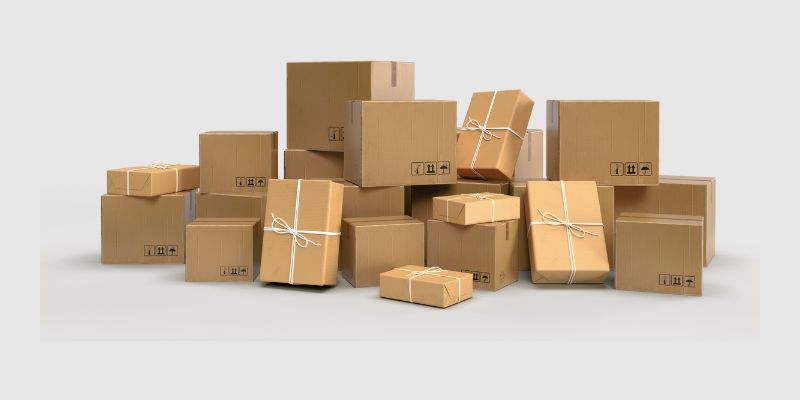
The first step is picking the right outer shipping box. I learned early on that the shoebox alone isn’t enough—it’s not designed to withstand the rough handling of shipping. You need a sturdy corrugated cardboard box that’s slightly larger than the shoebox.
I usually head to my local post office or shipping store for boxes, but you can also find them at office supply stores or online. Look for a box that’s about 2–3 inches larger than the shoebox on all sides. This gives you room for padding. For a standard sneaker box, I use a 14x10x6-inch box. For larger boots, I might go up to 16x12x8 inches.
Pro tip: check the box’s weight rating. I once used a cheap, flimsy box, and it tore open during transit. Now, I stick to boxes with at least a 200-pound test rating for durability. If you’re reusing a box, make sure it’s clean and free of old labels—my first attempt at reusing a box led to a mix-up because I forgot to remove the old shipping label!
Preparing the Shoebox for Shipping
Before you put the shoebox in the shipping box, you need to prep it. I always start by inspecting the shoebox. If it’s damaged, reinforce it with packing tape. I once mailed a pair of dress shoes in a slightly dented box, and the corners got worse during shipping. A quick wrap with tape would’ve saved it.
Next, make sure the shoes are secure inside their box. I wrap each shoe in tissue paper or bubble wrap to prevent them from rubbing against each other. For delicate materials like suede, I use soft cloth bags (like old pillowcases) to avoid scratches. If the shoes came with stuffing or inserts, keep them in—they help maintain the shape. I also toss in a silica gel packet to absorb moisture, especially if the package might sit in a humid warehouse.
Finally, seal the shoebox with packing tape. I run a strip along the edges and seams to keep it closed tight. This extra step keeps the box from popping open if it gets jostled.
Padding the Shipping Box
Padding is your best friend when mailing shoes. I’ve tried skimping on this, and let’s just say a pair of sandals arrived looking like they’d been through a blender. The goal is to fill every empty space in the shipping box so the shoebox doesn’t shift.
I use a mix of materials:
- Bubble wrap: I wrap the shoebox in a layer or two for cushioning. It’s great for absorbing shocks.
- Packing peanuts: These fill gaps around the shoebox. I prefer biodegradable ones—they’re eco-friendly and just as effective.
- Crumpled paper: Old newspapers or kraft paper work in a pinch. I stuff them in corners to keep the shoebox centered.
- Air pillows: These are lightweight and perfect for filling larger spaces without adding much weight.
Place a layer of padding at the bottom of the shipping box, set the shoebox in the center, and fill all sides with more padding. I shake the box gently to make sure nothing moves. If it does, I add more padding. Top it off with another layer before sealing the box.
Sealing and Labeling the Package
Sealing the box properly is crucial. I use heavy-duty packing tape, running strips along all seams and edges. For extra security, I add a second layer of tape on the top and bottom flaps. I once had a box split open because I used cheap tape that peeled off—never again!
Labeling is just as important. I print a clear, legible shipping label with the recipient’s address, my return address, and any special instructions (like “Fragile”). Most shipping services like USPS, UPS, or FedEx let you print labels online. I stick the label on the top of the box, away from seams, and cover it with clear packing tape to protect it from water or smudging.
If you’re shipping internationally, include a customs form. I learned this the hard way when a pair of boots got held up at customs for weeks. Check with your shipping carrier for the right form—USPS uses a CN22 or CP71, depending on the package value.
Choosing a Shipping Carrier
Picking the right carrier can make or break your shipping experience. I’ve tried them all—USPS, UPS, FedEx, and even DHL for international shipments. Here’s what I’ve learned:
- USPS: My go-to for most domestic shipments. Priority Mail is affordable (around $8–$15 for a shoebox-sized package) and includes tracking. Delivery takes 2–3 days in the U.S. They also offer flat-rate boxes, which are great if your package is heavy.
- UPS: A bit pricier but reliable for heavier or valuable shoes. I use UPS for high-end sneakers because they offer insurance up to $100 automatically. Delivery is usually 2–5 days.
- FedEx: Great for fast shipping. Their 2Day service is perfect for urgent deliveries, though it costs more (around $20–$30). I used this for a last-minute gift, and it arrived in pristine condition.
- DHL: My choice for international shipping. They’re fast for overseas deliveries, but customs fees can add up. I shipped a pair of sandals to Canada, and DHL handled the paperwork smoothly.
Compare rates online before choosing. I use sites like ShipStation or the carrier’s website to find the best deal. Also, consider insurance for valuable shoes. I always insure anything over $100—it’s usually just a few bucks extra and worth the peace of mind.
Comparing Packaging Materials
With so many padding options, it helps to know which works best for your needs. Here’s a table based on my experience:
| Material | Best For | Pros | Cons | Cost |
|---|---|---|---|---|
| Bubble Wrap | All shoes | Great cushioning, reusable | Can be bulky, adds weight | $5–$10 per roll |
| Packing Peanuts | Filling gaps | Lightweight, eco-friendly options available | Messy, not always reusable | $10–$15 per bag |
| Crumpled Paper | Budget shipping | Cheap, easy to find | Less protective, adds weight | Free or $5–$10 |
| Air Pillows | Large boxes | Lightweight, good for gaps | Less cushioning for heavy shoes | $10–$20 per bag |
I mix and match depending on the shoes. For lightweight sandals, air pillows and paper do the trick. For heavy boots, I lean on bubble wrap and peanuts for extra protection.
Tips for Mailing High-Value or Collectible Shoes
If you’re shipping expensive or collectible shoes, like limited-edition Jordans or vintage loafers, extra care is a must. I sold a pair of rare sneakers last year and followed these steps to ensure they arrived perfect:
- Double-box for safety. I put the shoebox in a slightly larger box, then placed that in the outer shipping box with extra padding. This double-layer approach saved my sneakers from a rough delivery.
- Use sturdy materials. Avoid flimsy boxes or thin padding. I used a heavy-duty corrugated box and double-wrapped the shoebox in bubble wrap.
- Insure the package. I paid $3 extra to insure my $200 sneakers. If they get lost or damaged, you’ll be covered.
- Add a tracking number. Most carriers include tracking, but I always double-check. I sent a tracking link to my buyer so they could follow the package.
- Photograph everything. Before sealing, I took photos of the shoes, box, and packaging. This helped when a buyer once claimed the box was damaged—I had proof it left in great shape.
These steps take a bit more time, but they’re worth it for peace of mind and happy recipients.
Common Mistakes to Avoid
I’ve made plenty of shipping blunders, so let me save you some trouble. Here are mistakes I’ve learned to avoid:
- Using a flimsy box. A thin box will crush under pressure. I learned this when a pair of heels arrived with a dented box. Always use sturdy corrugated cardboard.
- Skimping on padding. Less padding means more movement, which can damage shoes or the box. I always overdo it with bubble wrap now.
- Forgetting to seal the shoebox. An unsealed shoebox can pop open, letting shoes bounce around. Tape it shut every time.
- Wrong box size. Too small, and you can’t fit enough padding; too big, and the shoebox shifts. I measure twice to get it right.
- Ignoring customs forms. For international shipping, fill out customs forms accurately. I once forgot, and my package was delayed for weeks.
Avoid these, and your shoes will arrive looking as good as when they left.
My Personal Shipping Success Story
Last month, I sold a pair of running shoes online. The buyer was a collector who wanted the original box in mint condition. I was nervous—past mistakes haunted me! But I followed my own advice: I wrapped each shoe in tissue paper, sealed the shoebox with tape, and placed it in a sturdy 14x10x6-inch box. I used bubble wrap on all sides, filled gaps with packing peanuts, and sealed the box with heavy-duty tape. I chose USPS Priority Mail with insurance and tracking.
The result? The buyer sent me a glowing review, saying the shoes and box arrived “like they were hand-delivered.” That feeling of nailing it was worth every extra minute I spent packaging. You can do this too—just take it one step at a time.
Conclusion
Mailing shoes with their box doesn’t have to be stressful. With the right box, plenty of padding, and a reliable carrier, you can send your shoes across the country or the world without a hitch. I’ve gone from shipping disasters to confident deliveries, and I’m thrilled to share what I’ve learned. Whether you’re sending a gift, selling online, or moving your collection, these tips will keep your shoes safe and your recipients happy. So grab a sturdy box, wrap those shoes with care, and ship with confidence. Your kicks deserve a first-class trip, and you’ve got the tools to make it happen!
FAQs
What’s the cheapest way to mail shoes with a box?
USPS Priority Mail is usually the cheapest, costing $8–$15 for a shoebox-sized package. I use their flat-rate boxes if the shoes are heavy. Compare rates online to save a few bucks.
Can I reuse a box to ship shoes?
Yes, as long as it’s sturdy and clean. I reused an Amazon box once, but I removed old labels and taped it well. Make sure it’s strong enough to handle shipping.
How do I protect the shoebox from getting crushed?
Wrap the shoebox in bubble wrap and use a slightly larger shipping box with padding on all sides. I alsotape the shoebox shut to keep it secure.
What if my shoes are heavy, like boots?
Use a bigger, sturdier box (like 16x12x8 inches) and extra padding, like bubble wrap and packing peanuts.I shipped heavy boots with UPS for their weight-handling reliability.
Do I need insurance for shipping shoes?
For valuable or collectible shoes, yes. I insure anything over $100—it’s usually $2–$5 extra. It saved me when a package got lost once.
How do I ship shoes internationally?
Choose a carrier like DHL or USPS for international shipping. Fill out a customs form with the shoe value and description. I learned to be specific to avoid delays.
Can I ship shoes without the original box?
Yes, but wrap each shoe in bubble wrap or tissue paper and use plenty of padding in the shipping box.I’ve done this with sandals, and they arrived fine.