How to Make Black Color Paint at Home? Easy DIY Guide
Making black paint at home is simple. You need basic supplies and a little time.
Creating your own black paint can save you money. It also lets you control the shade and finish. Whether you are an artist or a DIY enthusiast, this guide will help you. We will explore easy steps to mix your own black paint.
You do not need special skills or expensive materials. With a few tips and tricks, you can have high-quality black paint ready. Let’s dive into the process and see how you can get started.

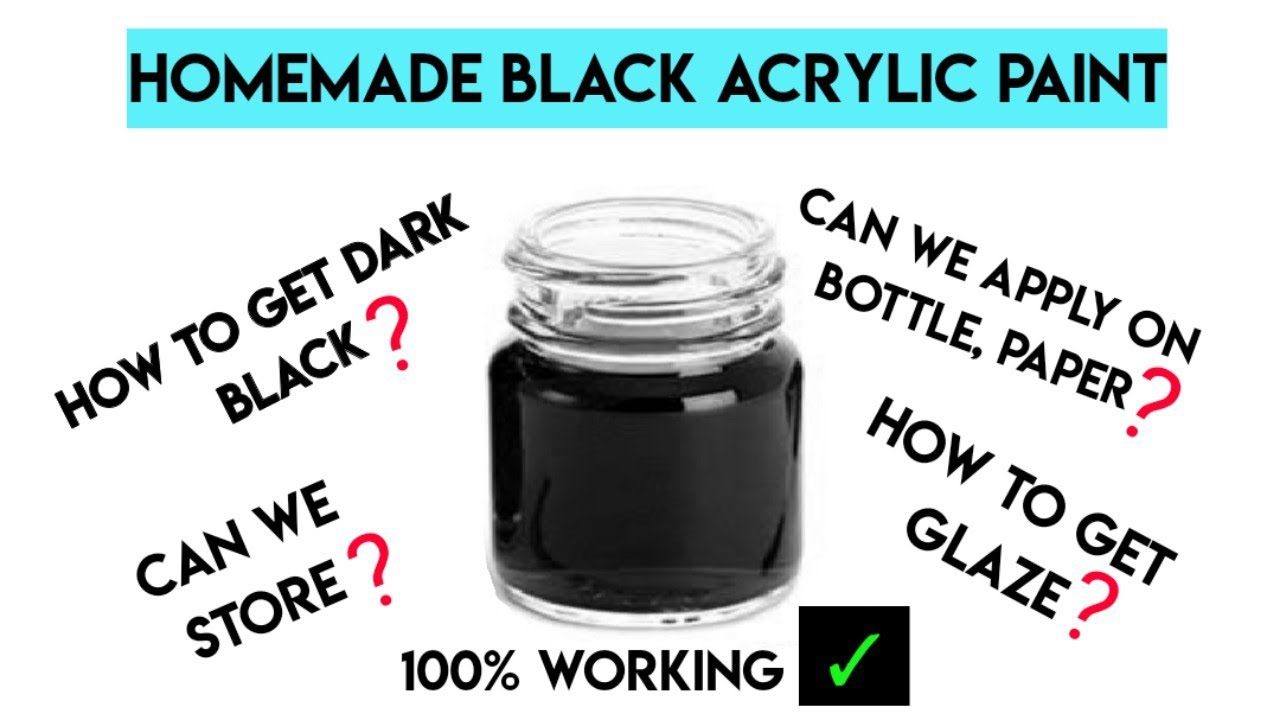
Credit: www.youtube.com
Materials Needed
Making black paint at home can be a fun and creative project. You only need a few materials to get started. This guide will help you gather the right supplies and optional additives to make the perfect black paint.
Essential Supplies
To make black paint, you will need these essential supplies:
- Pigments: Use either charcoal powder or black iron oxide.
- Binder: Choose between linseed oil, acrylic medium, or PVA glue.
- Mixing tools: Use a palette knife or a small spoon.
- Container: Have a small jar or a bowl for mixing.
- Water: Use clean water to adjust consistency.
Optional Additives
These optional additives can enhance the quality of your paint:
- Flow improver: Helps the paint spread smoothly.
- Retarder: Slows down drying time for better blending.
- Preservative: Extends the shelf life of your paint.
- Texture paste: Adds a unique texture to your paint.
With these materials ready, you are all set to create your black paint at home. Enjoy the process and experiment with different combinations!
Safety Precautions
Making black paint at home can be a fun and creative project. But safety should always come first. Taking the right precautions helps avoid any accidents or harm. Below are some essential safety tips to follow.
Protective Gear
Always wear protective gear. Start with gloves to protect your hands. Use goggles to shield your eyes from splashes. A mask can help prevent inhaling any harmful fumes or dust. Wearing old clothes or an apron can save your clothing from stains.
Safe Handling
Handle all materials with care. Store chemicals in a cool, dry place. Keep them out of reach of children and pets. Always read the labels and follow the instructions. Use a well-ventilated area to avoid breathing in fumes. Avoid mixing chemicals that you are not familiar with. Be cautious and take your time.
Preparing The Workspace
Creating black paint at home can be a fun and rewarding activity. But before diving in, it’s essential to prepare your workspace. A well-prepared workspace ensures safety, efficiency, and the best results. Let’s break down the steps to get your area ready.
Setting Up Area
Choose a well-ventilated area with good lighting. This helps you see the colors accurately and prevents inhalation of fumes. Cover your work surface with newspapers or a plastic sheet. This protects your table from stains and spills.
Keep a trash can nearby. It helps in quick disposal of waste materials. Ensure you have enough space to move around comfortably.
Organizing Tools
Gather all the tools and materials you need. Here’s a list:
- Mixing bowls
- Paint brushes
- Palette knives
- Measuring spoons
- Protective gloves
Arrange these tools within easy reach. This saves time and avoids frustration.
Set up a clean area for drying your paint. Use a drying rack or a clear shelf space.
Keep a damp cloth or paper towels handy. They are useful for quick cleanups.
Safety Considerations
Wear old clothes or an apron. This protects your clothing from stains. Use protective gloves to keep your hands clean. Ensure good ventilation to avoid inhaling any fumes.
Have a first aid kit nearby. Safety is always a priority in any DIY project.
With your workspace set up, you’re ready to start making black paint. Preparation is key to a smooth and enjoyable experience.

Credit: www.wikihow.com
Choosing Base Medium
Creating black paint at home starts with selecting the right base medium. The base medium is crucial. It determines the texture and drying time of your paint. Here, we explore two popular options: water-based and oil-based mediums.
Water-based Options
Water-based paints are easy to use and clean. They dry quickly and produce less odor. They are also non-toxic, making them safe for children. Acrylic paint is a common water-based option. It mixes well with water and other colors.
You can also use watercolors. These are great for creating lighter shades of black. Simply mix black pigment with water. Adjust the intensity by adding more or less water.
Another option is tempera paint. It is also water-based and dries to a matte finish. This makes it suitable for various surfaces like paper and cardboard.
Oil-based Options
Oil-based paints offer a rich, glossy finish. They take longer to dry, allowing more time for blending. These paints are durable and resist wear. Linseed oil is a popular choice. It mixes well with black pigments.
Another option is using poppy seed oil. It dries slower than linseed oil, ideal for detailed work. Both oils provide a smooth texture and vibrant finish.
Oil-based paints are more challenging to clean. Use turpentine or mineral spirits for cleanup. Ensure good ventilation when working with these paints. They produce strong fumes.
Mixing Primary Colors
Making black color paint at home is simple and fun. The key is understanding how to mix primary colors to get the perfect black shade. Let’s dive into the basics and explore the right proportions and ratios for a perfect mix.
Color Theory Basics
Color theory is essential when mixing paints. The primary colors are red, blue, and yellow. These colors cannot be made by mixing other colors.
When mixed together, primary colors can create any other color. To make black, you need to mix all three primary colors in the right amounts. This works because black is the absence of light, created by combining all colors.
Proportions And Ratios
Getting the right proportions is crucial for creating black paint. Follow these steps:
- Start with equal parts of red, blue, and yellow paint.
- Mix them well to see the resulting color.
- Add more blue if the color is too warm (brownish-black).
- Add more red or yellow if the color is too cool (greenish-black).
Here’s a simple table to help you remember the proportions:
| Primary Color | Initial Proportion | Adjustments |
|---|---|---|
| Red | 1 Part | Increase for warmer tones |
| Blue | 1 Part | Increase for cooler tones |
| Yellow | 1 Part | Increase for warmer tones |
Experiment with small amounts first. This way, you can perfect your black paint mix. Adjust the proportions gradually, and you’ll achieve the perfect black shade.
Achieving The Right Shade
Creating the perfect shade of black paint at home requires patience and precision. It’s not just about mixing colors. The right balance and testing are crucial. Here’s how to ensure you get the desired shade.
Adjusting Darkness
Start by mixing equal parts of red, blue, and yellow. This combination will give you a dark brown color. Gradually add more blue to darken the mixture. Keep adding blue until you achieve a near-black shade. To adjust further, follow these steps:
- Add blue for a cooler, darker tone.
- Add red for a warmer, slightly lighter black.
- Add yellow to lighten the black if it’s too dark.
Always mix small amounts at a time. It helps in avoiding wastage and ensures precision.
Testing On Surface
After adjusting the darkness, test the paint on the intended surface. Different surfaces can reflect colors differently. This step is vital to see how the color looks in real conditions.
- Apply a small amount of paint on the surface.
- Let it dry completely.
- Observe the color in different lighting conditions.
If the color isn’t right, adjust the mix and test again. Repeat this process until you achieve the desired shade.
| Action | Result |
|---|---|
| Add more blue | Darker, cooler black |
| Add more red | Warmer, reddish black |
| Add more yellow | Lighter, brownish black |
Remember, patience is key. Adjust and test until you get the perfect black paint for your project.
Storing Homemade Paint
Creating black color paint at home can be fun and economical. But it’s important to store your homemade paint properly. This ensures the paint stays fresh and usable for a long time.
Proper Containers
Use airtight containers to store your homemade paint. This prevents the paint from drying out. Glass jars with tight lids work well. Plastic containers with snap-on lids are also a good choice.
Label your containers with the date you made the paint. This helps you keep track of its age. Use a permanent marker to write the date on the container.
| Container Type | Advantages |
|---|---|
| Glass Jars | Non-reactive and see-through |
| Plastic Containers | Lightweight and durable |
Shelf Life Tips
Homemade paint does not last forever. Keep it in a cool, dark place to extend its shelf life. Heat and light can cause the paint to spoil faster.
- Keep the containers away from direct sunlight.
- Store them in a cool, dry place.
- Check the paint for any signs of mold or bad odor before use.
Use your paint within six months for the best results. If it smells bad or looks different, it’s time to make a new batch.
By storing your homemade paint properly, you can enjoy your creations longer. Happy painting!
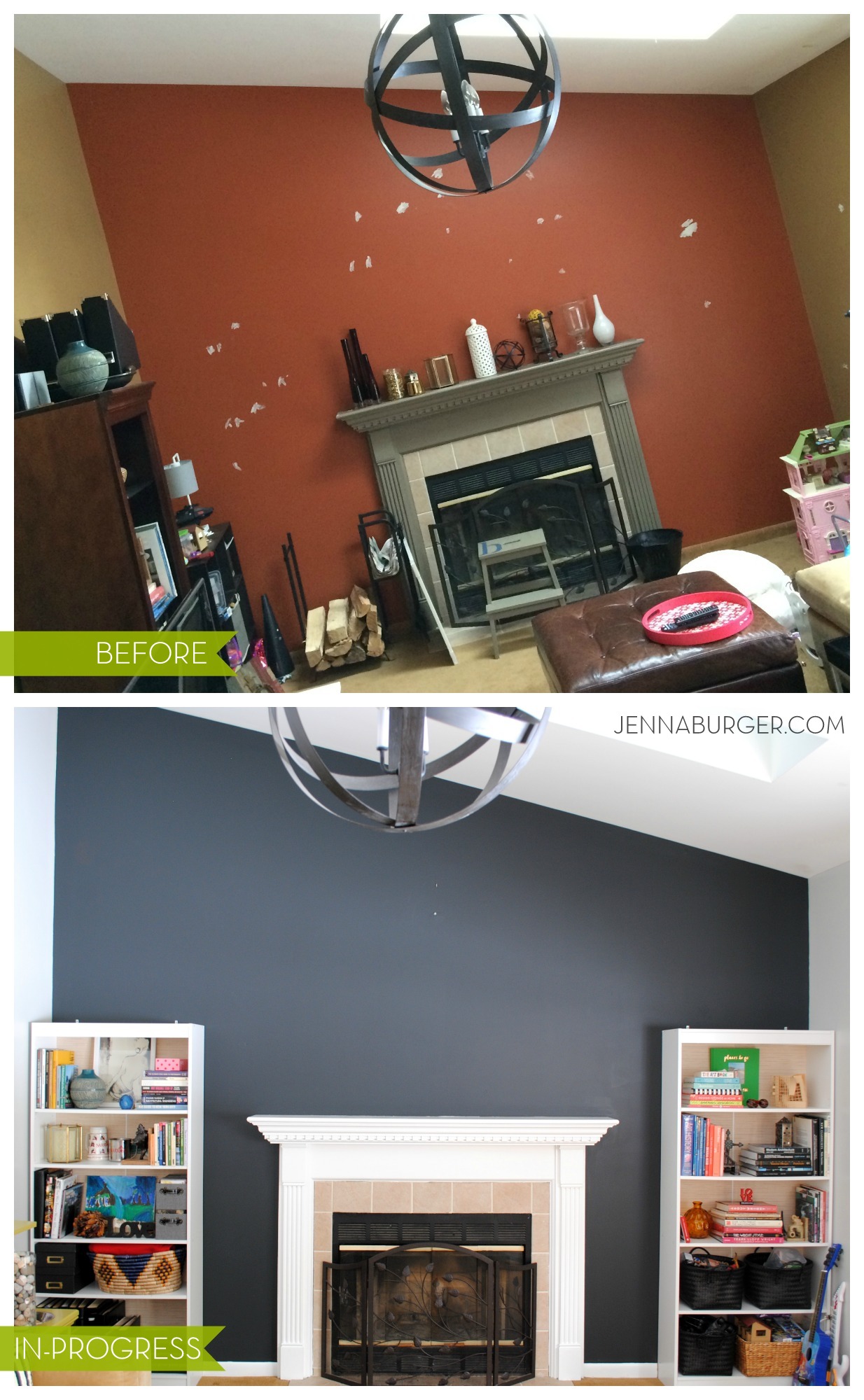
Credit: jennaburger.com
Using Homemade Black Paint
Creating your own black paint can be fun and rewarding. You can use it in various art projects. This homemade paint offers a unique touch to your creations. But, how can you make the most of it? Let’s explore some application techniques and common mistakes to avoid.
Application Techniques
Applying homemade black paint requires some basic techniques. First, ensure your surface is clean and dry. This helps the paint adhere better.
- Brushing: Use a soft brush for smooth strokes. Apply thin layers to avoid clumps.
- Sponging: For a textured effect, use a sponge. Dab lightly to create unique patterns.
- Spraying: Use a spray bottle for an even coat. Dilute the paint slightly for better sprayability.
Each method offers a different finish. Experiment with these techniques to find your favorite.
Common Mistakes
Avoid these common mistakes when using homemade black paint:
- Skipping Primer: Always prime your surface. This prevents the paint from soaking in too much.
- Overloading the Brush: Use small amounts of paint. This prevents dripping and uneven coats.
- Not Letting Layers Dry: Allow each layer to dry completely. This ensures a smooth finish.
By keeping these tips in mind, you can achieve the best results with your homemade black paint.
Frequently Asked Questions
What Ingredients Do I Need To Make Black Paint?
To make black paint at home, you’ll need charcoal powder, water, and a binder like glue. Mix these ingredients well.
Can I Use Natural Materials For Black Paint?
Yes, you can use natural materials like charcoal or soot. These provide a rich, deep black color.
How Do I Mix Black Paint Properly?
Mix charcoal powder with water and a binder. Stir until you achieve a smooth, consistent texture.
Is Homemade Black Paint Long-lasting?
Homemade black paint can be long-lasting if stored properly. Keep it in an airtight container to maintain its quality.
Conclusion
Creating black paint at home is simple and fun. You need only basic ingredients. Combine them to achieve the perfect shade. Experiment with different mixtures. Test on small surfaces first. Homemade paint can save money. Plus, it offers a personal touch.
Enjoy the process and get creative. DIY projects like this are rewarding. Soon, you’ll have custom black paint ready for your art. Happy painting!