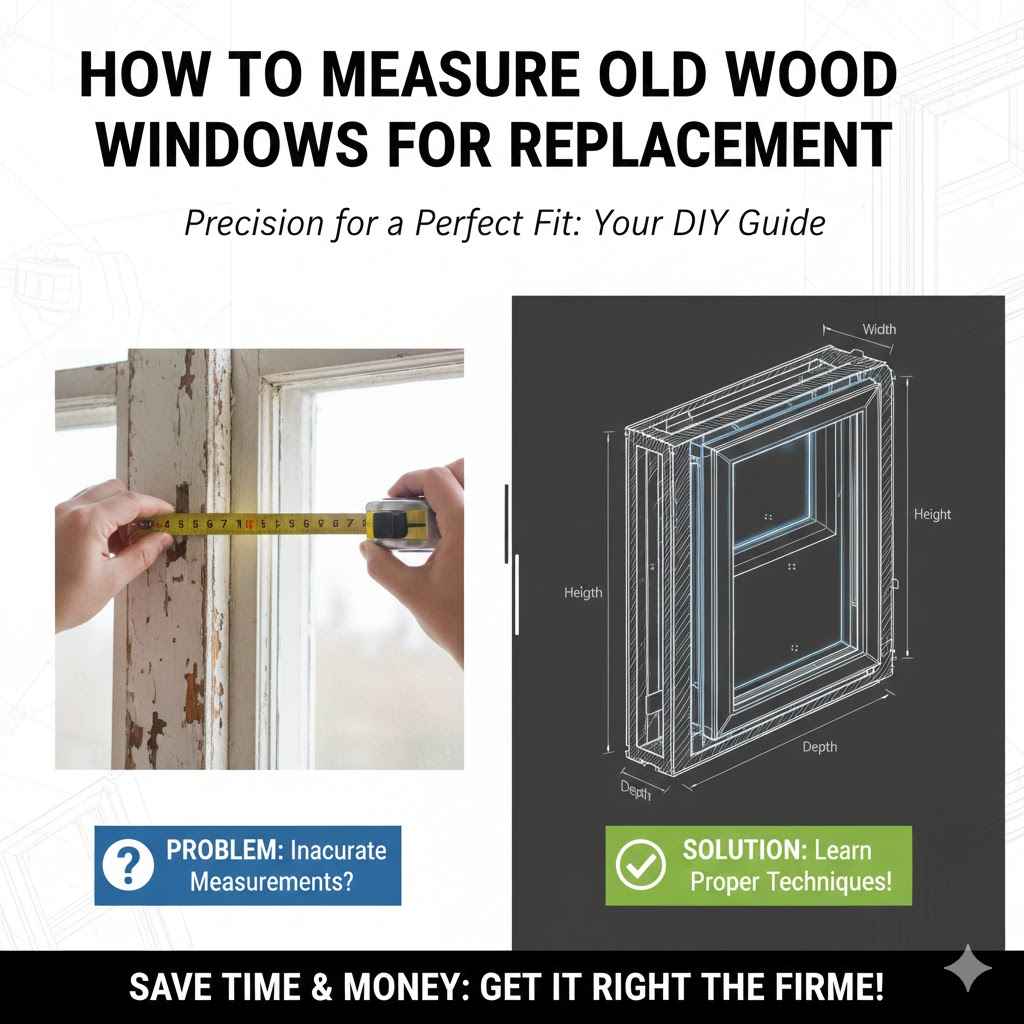
How to Measure Old Wood Windows for Replacement
Old wood windows can be beautiful, but when it’s time to replace them, figuring out the right measurements can feel tricky, especially for folks new to home improvement. It’s easy to feel a bit lost when you’re not sure where to start. But don’t worry!
This guide breaks down How to Measure Old Wood Windows for Replacement into simple, easy-to-follow steps. We’ll walk you through everything you need so you can get the perfect fit for your new windows.
Understanding Your Old Wood Windows
Before you can accurately measure, it’s helpful to know a bit about your existing windows. Old wood windows often have unique characteristics that differ from modern ones. They might be single-pane, double-hung, or casement styles, each with its own way of being constructed and installed.
Understanding these basic types will make the measurement process clearer. This section will give you a good starting point for identifying what you have.
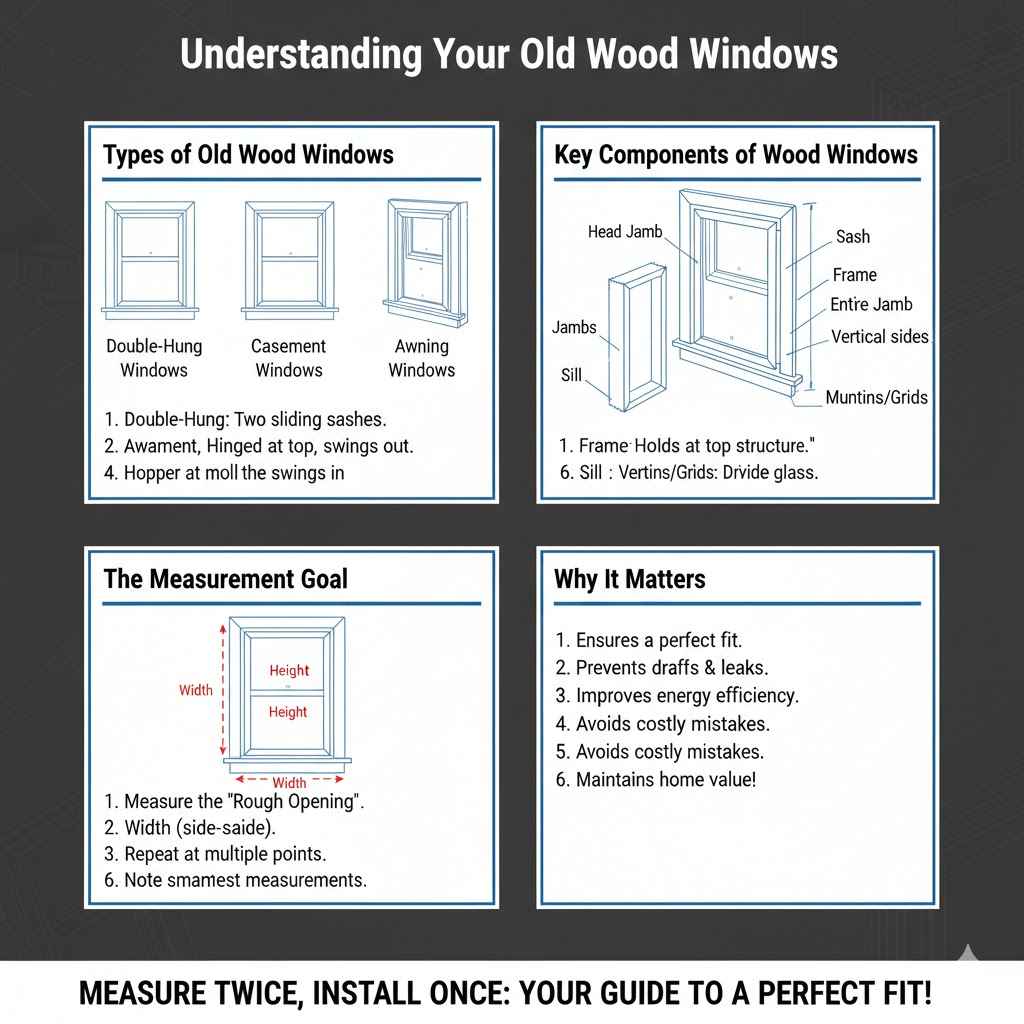
Types of Old Wood Windows
Old homes often feature several types of wooden windows. Recognizing these will help you approach the measurement process correctly. Each type has specific parts to consider.
- Double-Hung Windows These are very common in older homes. They have two sashes that slide up and down. The top sash moves down, and the bottom sash moves up. They are often balanced by weights or springs hidden within the window frame.
- Casement Windows These windows crank open outwards or inwards. They are hinged on one side and swing like a door. This design provides a clear, unobstructed view when open.
- Awning Windows Similar to casement windows, awning windows are hinged at the top and swing outward. They are good for ventilation even during light rain because they are angled to deflect water.
- Hopper Windows These are essentially awning windows turned upside down. They are hinged at the bottom and swing inward at the top. They are often found in basements.
Knowing the type of window helps you anticipate where to measure and what components are important. For example, with double-hung windows, you’ll be measuring the width and height of the opening for each sash separately if you plan to replace them individually. For casement windows, you’ll measure the overall frame dimensions.
Key Components of Wood Windows
When measuring, you’ll interact with several parts of the window. Familiarizing yourself with these terms will prevent confusion.
- Sash This is the part of the window that holds the glass. In double-hung windows, there are usually two sashes, one above the other.
- Frame This is the entire structure that surrounds the sash and is fixed to the wall. It includes the head, jambs, and sill.
- Jambs These are the vertical sides of the window frame.
- Head Jamb This is the horizontal top piece of the window frame.
- Sill This is the horizontal piece at the bottom of the window frame. It might extend outward to shed water.
- Muntins/Grids These are the strips that divide the glass into smaller panes. In many old windows, these are decorative and not functional, meaning the glass is a single pane.
For replacement purposes, you’re usually interested in the interior dimensions of the frame opening where the new window unit will sit. Sometimes, you might need to measure the exterior for a different type of replacement window, but for most interior-fit replacements, focusing on the inside dimensions is key.
How to Measure Old Wood Windows for Replacement Accurately
Getting the measurements right is the most critical step in replacing old wood windows. Incorrect measurements can lead to windows that don’t fit, causing drafts, water leaks, and a lot of extra work. This guide focuses on providing a simple, step-by-step process to ensure you get accurate dimensions for ordering new windows.
Gathering Your Tools
Before you begin measuring, make sure you have the right tools. This will make the job smoother and more accurate.
- Tape Measure A good quality, metal tape measure is essential. Make sure it’s at least 10 feet long.
- Pencil For marking measurements if needed, though it’s best to record them directly.
- Notebook or Paper To write down all your measurements.
- Screwdriver (Optional) You might need this to remove any trim or stops that are in the way of your measurements.
- Safety Glasses Always protect your eyes, especially when working with old structures.
Having these tools ready will save you time and frustration. Double-check your tape measure to ensure it’s accurate by measuring a known distance. For example, measure a standard ruler and see if the tape measure shows the same length.
Measuring the Width
Measuring the width requires taking readings at different points to account for any slight variations in the frame. Old buildings are rarely perfectly square.
To get the width, you’ll measure the inside of the window frame from jamb to jamb. It’s best to take three measurements: one at the top, one in the middle, and one at the bottom of the opening.
- Top Width Measure the distance from the inside surface of the left jamb to the inside surface of the right jamb, at the very top of the frame opening.
- Middle Width Measure the distance from the inside surface of the left jamb to the inside surface of the right jamb, in the middle of the frame opening.
- Bottom Width Measure the distance from the inside surface of the left jamb to the inside surface of the right jamb, at the very bottom of the frame opening.
Once you have these three measurements, record them. The smallest of the three measurements is typically what you’ll use for ordering purposes, as it represents the tightest fit. Window manufacturers usually build windows to be a bit smaller than the rough opening to allow for proper installation and shimming.
Always confirm the manufacturer’s specific ordering instructions.
Measuring the Height
Similar to width, height measurements should be taken in multiple places to ensure accuracy due to potential settling or structural changes in older homes.
To measure the height, you’ll measure the inside of the window frame from the head jamb to the sill. Again, it’s best to take three measurements.
- Left Height Measure the distance from the inside surface of the head jamb down to the top of the sill, on the left side of the opening.
- Middle Height Measure the distance from the inside surface of the head jamb down to the top of the sill, in the middle of the opening.
- Right Height Measure the distance from the inside surface of the head jamb down to the top of the sill, on the right side of the opening.
Record these three height measurements. As with the width, the smallest measurement is usually the one you’ll want to use when ordering your new window. This smallest dimension ensures that the window will fit into the opening without excessive force.
Measuring Depth (If Necessary)
While less common for standard replacement windows that fit into an existing frame, sometimes you might need to consider the depth of the window opening.
If you are replacing the entire frame or installing a window that requires a specific depth, measure from the interior surface of the window frame to the exterior surface of the wall. You might also need to measure the thickness of the existing wall.
This measurement is usually more straightforward. Simply measure from the front of the frame where the glass sits to the back of the frame where it meets the exterior wall. If the existing frame has multiple layers of wood or trim, you may need to remove some of these to get to the actual structural opening and wall depth.
Special Considerations for Old Wood Windows
Old wood windows can present unique challenges that require a bit of extra attention during the measurement process.
- Irregular Shapes Many old windows are not perfectly rectangular. They might have slightly curved tops or sides. If your window is significantly out of square or has an unusual shape, you may need custom-made windows.
- Obstructions Check for any hardware, such as old latches or hinges, that might interfere with a straight measurement. You might need to remove trim or stops to get accurate readings.
- Drafts and Leaks Pay attention to where drafts are coming from. This can indicate areas where the window frame is no longer sealed properly and might affect how you take your measurements.
For example, if a historic home has arched windows, you’ll need to carefully measure the arch’s radius and height, in addition to the straight sides. This often requires specialized tools like flexible measuring tapes or string to trace the curve.
Double-Checking Your Measurements
Accuracy is key. Once you have all your measurements, it’s vital to double-check them before placing an order.
Take your tape measure and measure everything again. Compare the new measurements to your initial recordings. If there are discrepancies, measure a third time to confirm the correct dimensions.
It’s better to spend a little extra time confirming than to order incorrect windows.
A common mistake is mixing up width and height measurements, or measuring from the wrong surface (e.g., exterior trim instead of the interior frame). Always ensure you’re measuring the interior opening where the new window will be installed.
Preparing for Replacement Window Installation
Once you have your accurate measurements, you’re well on your way to getting new windows. But there are a few more things to consider before the new windows arrive and installation begins.
Choosing Replacement Window Types
When you replace old wood windows, you have options. You can choose new wood windows, or you might opt for more modern materials like vinyl or composite. Each has pros and cons.
- New Wood Windows Offer the classic look and feel of original windows. They are good insulators but require regular maintenance like painting or staining.
- Vinyl Windows Are popular because they are low maintenance, energy-efficient, and affordable. They can mimic the look of wood but may not have the same historical charm.
- Composite Windows Blend wood fibers with other materials to create a durable and low-maintenance option that can resemble real wood.
The choice of window type can affect the installation process and the final appearance of your home. For example, vinyl windows are often lighter and easier to handle than heavy wood windows.
Understanding Rough Openings vs. Finishes Openings
It’s important to distinguish between the rough opening and the finished opening. The rough opening is the space in the wall structure that accommodates the window unit. The finished opening is what you see after drywall, plaster, or other wall finishes are applied.
For most window replacements, you’ll be measuring the finished opening, as this is where the new window will be installed.
A common statistic is that improperly measured windows can lead to energy loss. Studies show that gaps as small as 1/8 inch around a window can account for significant drafts. In the United States, about 30% of residential energy loss is due to air leaks through windows and doors.
Working with Contractors
If you’re not comfortable with installation, hiring a professional is a wise choice. When you get quotes, provide them with your precise measurements. They will likely double-check them themselves.
Here’s how to approach getting quotes:
- Provide Detailed Measurements Share your accurate width, height, and depth measurements for each window.
- Describe Existing Windows Mention the type of old wood windows you have (double-hung, casement, etc.) and their condition.
- Discuss Replacement Options Talk about the types of new windows you are considering (wood, vinyl, composite) and your budget.
A good contractor will inspect your existing windows and frames to ensure the measurements are correct and to identify any structural issues that might affect installation. They can also advise on the best window types for your home’s age and climate.
Common Mistakes to Avoid
Even with the best intentions, people can make mistakes when measuring old windows. Being aware of these can help you steer clear of them.
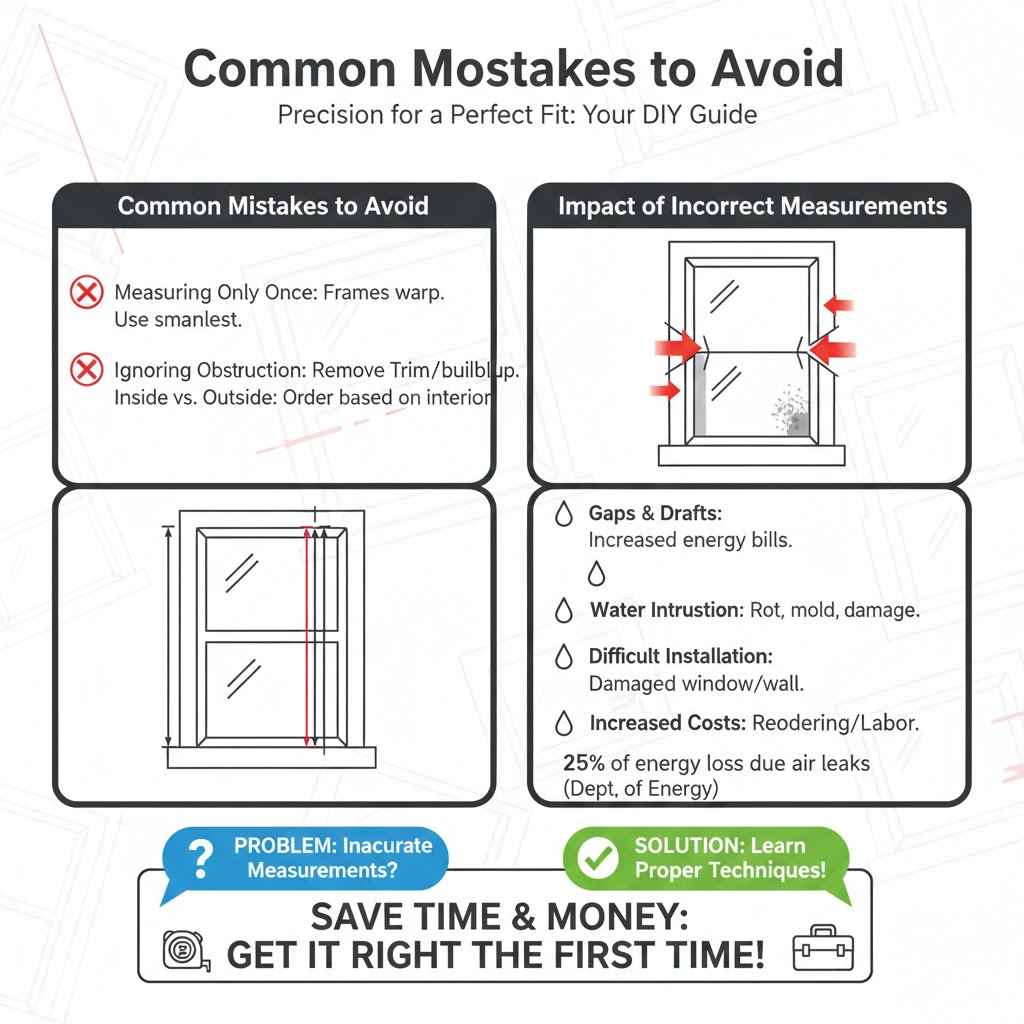
- Measuring Only Once Old homes settle, and frames can warp. Measuring in just one spot can lead to inaccurate dimensions. Always take multiple measurements and use the smallest one.
- Not Accounted for Obstructions Trim, sashes, or even paint build-up can make it seem like the opening is smaller than it is. Remove any hindrances to get to the true frame dimensions.
- Confusing Inside vs. Outside Measurements Replacement windows are usually ordered based on the interior opening dimensions. Measuring the exterior trim and calling it the opening size will result in a window that’s too large.
For instance, a homeowner might measure the width of an old casement window from the outside and get 40 inches. However, the interior opening might only be 37 inches. Ordering a 40-inch window would mean it wouldn’t fit into the wall cavity properly.
Impact of Incorrect Measurements
When measurements are wrong, the consequences can be costly and frustrating.
Incorrectly measured windows can lead to several problems:
- Gaps and Drafts A window that is too small for its opening will have gaps. These gaps let in cold air in the winter and warm air in the summer, increasing your energy bills.
- Water Intrusion Gaps can also allow rain and moisture to seep into your walls, potentially causing rot, mold, and structural damage over time.
- Difficult Installation Windows that are too large will not fit into the opening without significant force, which can damage the window, the frame, and the surrounding wall.
- Increased Costs You might have to pay for custom-made windows, which are more expensive, or pay for the removal and reinstallation if the wrong size is ordered.
In fact, according to the Department of Energy, air leaks account for as much as 25% of a home’s heating and cooling costs. Proper window installation, starting with accurate measurements, is crucial for energy efficiency.
FAQ
Frequently Asked Questions
Question: What is the most important measurement when replacing old wood windows?
Answer: The most important measurements are the interior width and height of the window frame opening. You need to take multiple measurements at different points and use the smallest one for ordering.
Question: Do I need to remove the old window sash to measure?
Answer: It is often best to remove the old sash to get to the actual frame dimensions of the rough opening. This ensures you are measuring the true space where the new window will fit.
Question: How much smaller should a replacement window be than the opening?
Answer: Replacement windows are typically ordered about 1/2 inch smaller in both width and height than the smallest frame opening measurement to allow for shimming and easy installation.
Question: Can I measure old wood windows from the outside?
Answer: You can measure from the outside to get an idea, but for ordering replacement windows that fit into an existing frame, you must measure the interior opening of the frame itself.
Question: What if my old wood windows are not square?
Answer: If your old wood windows are significantly out of square, you’ll need to take the smallest measurements you can find for both width and height. You may also need to consider custom windows or a full frame replacement.
Summary
Knowing how to measure old wood windows for replacement is key to a successful project. By taking multiple width and height readings of the interior frame opening and using the smallest dimension, you ensure a proper fit for new windows. This detailed approach prevents drafts, water leaks, and costly mistakes, leading to an energy-efficient and beautiful home.
You’re now equipped to get accurate measurements for your window replacement.