How to Prevent Dogs From Scratching Hardwood Floors: Safe
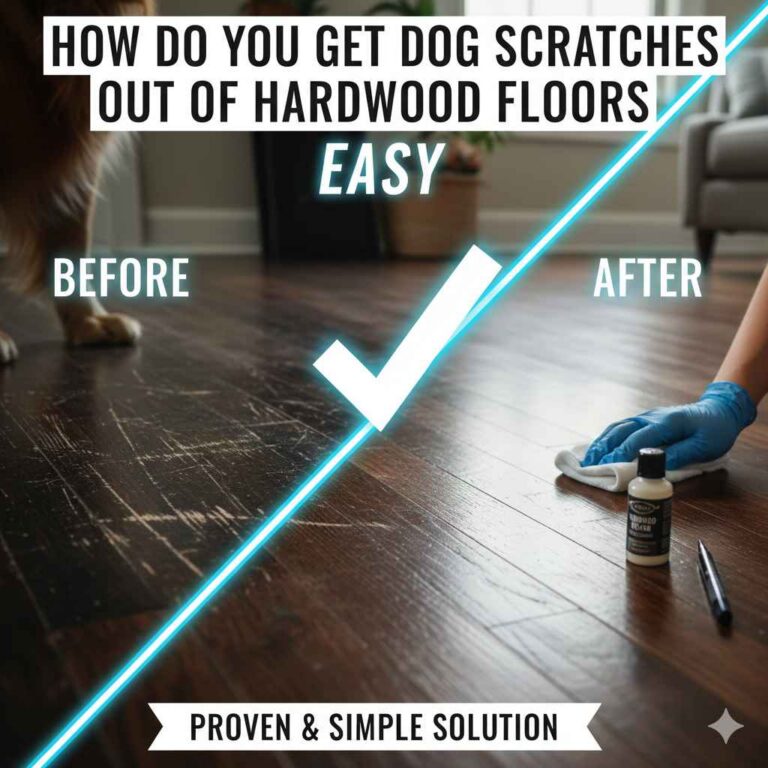
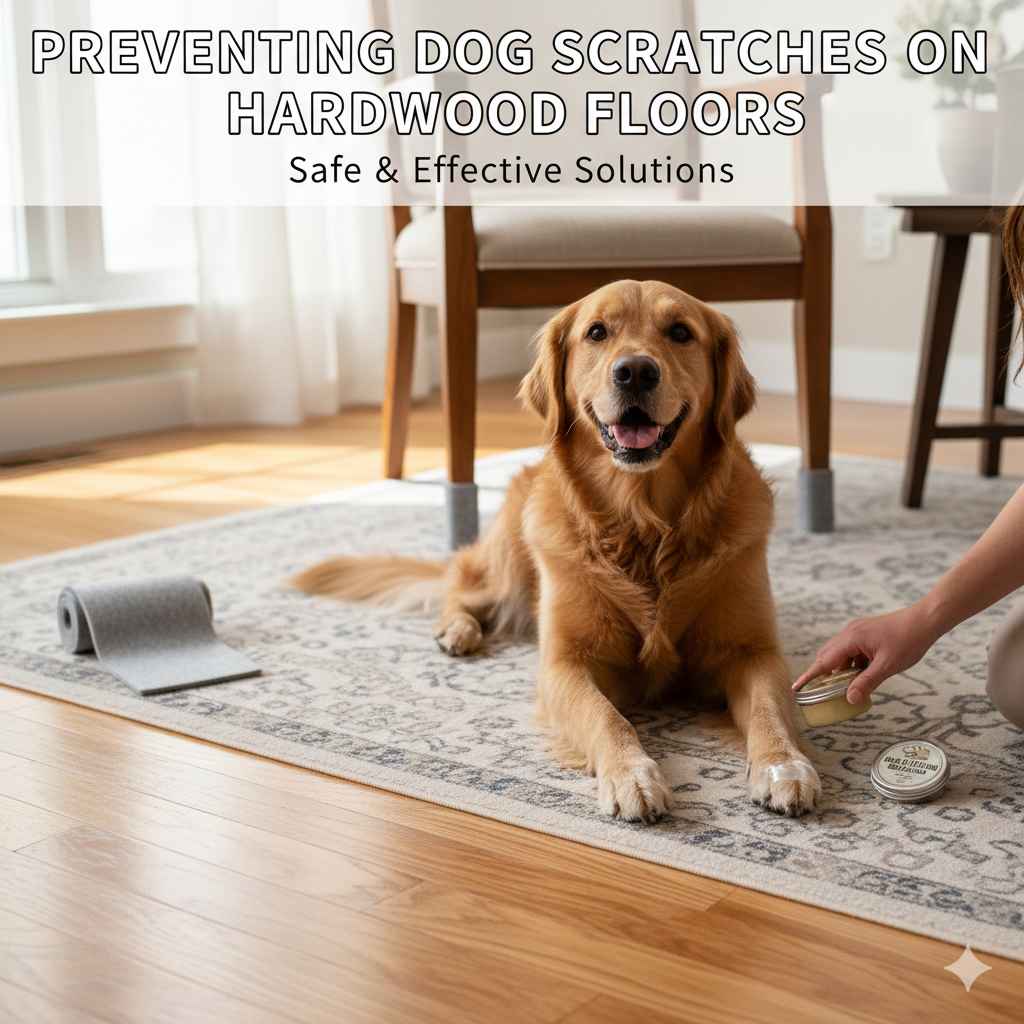
To prevent dogs from scratching hardwood floors, focus on three key areas: trim your dog’s nails regularly, use area rugs or runners in high-traffic zones, and apply a durable, dog-friendly finish like polyurethane to the wood. For extra protection, consider using dog booties or soft nail caps for a safe, scratch-free home.
Hello there! It’s Md Meraj, your friendly guide for all things home improvement. You love your dog, and you love your beautiful hardwood floors. But sometimes, those two loves don’t seem to get along. The sound of claws clicking and scraping across the wood can make any homeowner cringe. It’s a common problem, and it can feel frustrating.
But don’t worry, you’ve come to the right place. Protecting your floors doesn’t have to be a huge, complicated project. You don’t need to choose between your furry friend and a scratch-free home. With a few simple steps and smart tricks, you can keep your floors looking great. In this guide, I’ll walk you through everything you need to know, from simple paw care to floor-saving products. Let’s get started!
Why Dogs Scratch Your Floors (and How to Stop It)
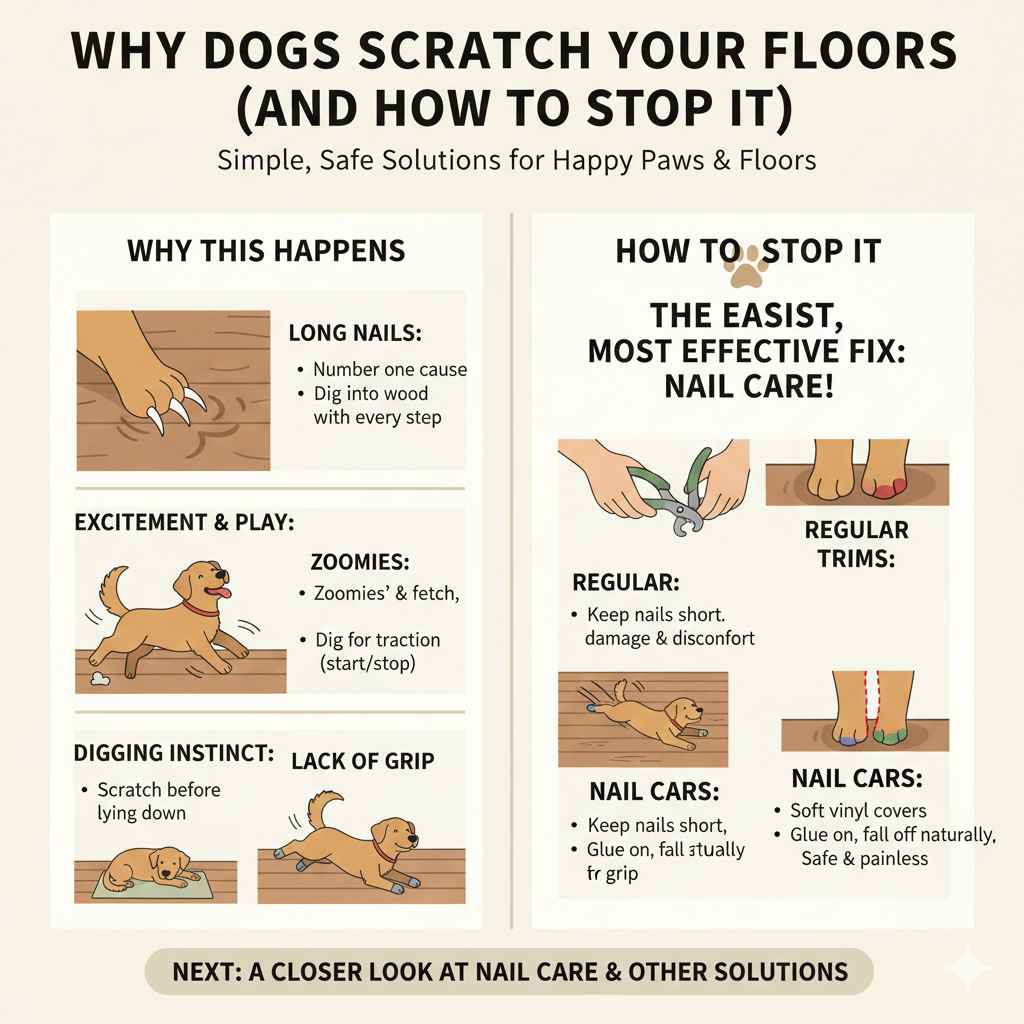
First, it helps to understand why this happens. Dogs don’t scratch your floors on purpose to cause trouble. It’s usually a side effect of their normal, happy behavior. Here are the main reasons you might see scratches:
- Long Nails: This is the number one cause. If your dog’s nails are too long, they dig into the wood with every step.
- Excitement and Play: When your dog gets the “zoomies” or plays fetch, they dig in with their paws for traction, especially when starting, stopping, or turning quickly.
- Digging Instinct: Some dogs have a natural instinct to dig, even indoors. They might scratch at a spot before lying down.
- Lack of Grip: Slippery floors can cause dogs to splay their paws out to get a better grip, which can lead to scratching.
The good news is that we can address all of these causes with some simple, safe solutions. We’ll start with the easiest and most effective fix: your dog’s nails.
Start with the Paws: Proper Nail Care is Key
Keeping your dog’s nails trimmed is the single most important thing you can do to protect your hardwood floors. When their nails are short, the soft pads of their paws make more contact with the floor, not the sharp nail tips. Think of it as preventative maintenance for both your dog’s comfort and your floor’s health.
Choosing Your Tool: Clippers vs. Grinders
You have two main options for trimming nails at home. Neither one is better than the other; it just depends on what you and your dog are comfortable with.
- Nail Clippers: These work like scissors or a guillotine. They are quick and quiet. However, you have to be careful not to cut the “quick,” which is the sensitive part of the nail with blood vessels.
- Nail Grinders: A grinder is like an electric nail file. It sands the nail down smoothly. It gives you more control and makes it less likely you’ll hit the quick. The downside is that some dogs are scared of the sound and vibration.
A Simple Guide to Trimming Your Dog’s Nails
If you’re new to this, take it slow. Your goal is to make it a positive experience for your dog. A calm dog is an easy dog to work with.
- Get Your Supplies: You’ll need your clippers or grinder, some treats, and styptic powder (just in case you accidentally cut the quick).
- Find a Comfortable Spot: Sit on the floor with your dog or have them lie down in a comfortable position. Make sure you have good lighting.
- Handle Their Paws Gently: Hold your dog’s paw firmly but gently. Separate one toe and look at the nail. If your dog has light-colored nails, you can often see the pink quick inside.
- Trim a Tiny Bit at a Time: Only trim the very tip of the nail. For clippers, make a quick, clean cut. For grinders, gently press the grinder to the nail for a second or two. It’s always better to take off too little than too much.
- Reward Your Dog: After each nail (or even just for letting you hold their paw), give them a treat and some praise. This helps them associate nail trims with good things.
- Know When to Stop: As you get closer to the quick, you’ll see a small dark circle in the center of the nail. That’s your signal to stop.
If you are not confident, that’s perfectly okay! Your veterinarian or a professional groomer can do it for you. You can also ask them to show you how to do it safely at home. For a detailed visual guide, the American Kennel Club (AKC) offers excellent resources for pet owners.
Cover Up and Protect: Using Rugs and Runners Smartly
The next line of defense is creating a physical barrier between your dog’s paws and the floor. Area rugs and runners are your best friends here. They are practical, add style to your home, and give your dog a comfortable, non-slip surface to walk and play on.
Where to Place Rugs for Maximum Protection
You don’t need to cover all of your beautiful hardwood. Just be strategic. Place rugs and runners in high-traffic and high-action areas:
- Entryways and Hallways: These are the main pathways through your home.
- Around Furniture: Dogs often jump on and off couches and beds, which can cause scratches.
- Play Areas: If your dog has a favorite spot for playing fetch, put down a large area rug there.
- At the Bottom of Stairs: This is another spot where dogs need traction to stop safely.
Pros and Cons of Using Rugs
Like any solution, rugs have their upsides and downsides. Here’s a quick breakdown to help you decide.
| Pros | Cons |
|---|---|
| Excellent floor protection from scratches. | Can trap pet hair, dander, and dirt. |
| Provides traction for your dog, reducing slips. | Requires regular cleaning and vacuuming. |
| Adds warmth, comfort, and style to a room. | Can be chewed on by some dogs. |
| Reduces noise from clicking nails. | Can slip if you don’t use a non-slip rug pad. |
When choosing a rug, look for options that are durable and easy to clean. Low-pile rugs made from synthetic materials like polypropylene or nylon are often great choices for homes with pets.
Dog-Friendly Gear for Floor Protection
If rugs aren’t enough or you want to protect your floors everywhere, there are some great products designed specifically for your dog’s paws. These solutions focus on covering the nails themselves.
Dog Booties: More Than Just for Snow
Dog booties are little shoes for your dog. While many people use them for hot pavement or icy sidewalks, they are fantastic for protecting hardwood floors. They create a soft barrier between the nails and the wood. Look for booties with soft, flexible soles that provide good grip.
Paw Wax: An Invisible Shield
Paw wax is a special balm that you rub onto your dog’s paw pads. It’s designed to protect their pads from rough surfaces, but it has a great side benefit: it can also improve their grip on slippery floors. A better grip means less scrambling and scratching. It won’t stop a long nail from scratching, but it helps reduce accidental slips that cause damage.
Nail Caps: Colorful and Effective
Nail caps are tiny, soft vinyl covers that you glue onto your dog’s trimmed nails. They effectively blunt the nail, making it impossible to scratch the floor. They are completely safe and humane, as they don’t interfere with the nail’s natural extension and retraction. They fall off naturally with nail growth, usually every 4 to 6 weeks.
Comparing Your Options
Not sure which one to try? Here’s a simple table to help you compare these paw-protection methods.
| Solution | Effectiveness | Ease of Use | Best For |
|---|---|---|---|
| Dog Booties | Very High | Medium (Some dogs need time to get used to them) | Short-term use, especially for older dogs who slip. |
| Paw Wax | Low to Medium | Very Easy | Improving grip and preventing slips, not direct scratch protection. |
| Nail Caps | Very High | Medium (Requires careful application) | Long-term, 24/7 scratch prevention. |
Training and Enrichment: A Happy Dog is a Gentle Dog
A dog’s behavior plays a big role in how they interact with your floors. A bored or anxious dog might be more prone to destructive behaviors like digging. An overly excited dog might run wildly through the house. By providing proper training and enrichment, you can encourage calmer behavior indoors.
Redirecting Energy
Ensure your dog gets plenty of exercise. A tired dog is a good dog! Regular walks, runs, and playtime can help burn off excess energy that might otherwise lead to a case of the zoomies inside. Puzzle toys and chew toys are also great for keeping their minds busy and their energy focused on something appropriate.
Teach a “Go to Place” Command
Teaching your dog to go to a specific spot, like their bed or a mat, is incredibly useful. You can use this command when guests arrive, when you’re eating dinner, or any time things get a little too rowdy. This keeps them off the hardwood floors during moments of high excitement.
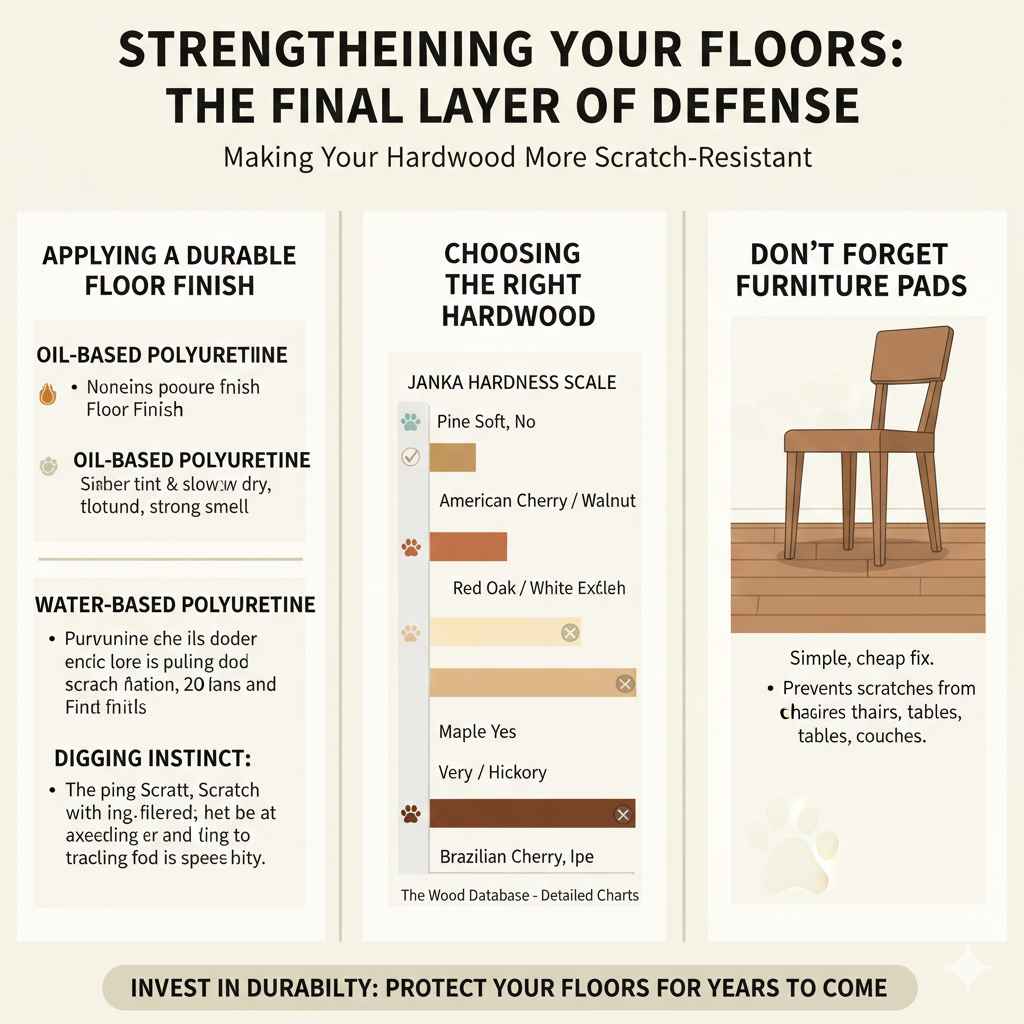
Strengthening Your Floors: The Final Layer of Defense
So far, we’ve focused on the dog. But you can also make your floors more resistant to scratches. If you’re installing new floors or planning to refinish your old ones, this is the perfect time to think about durability.
Applying a Durable Floor Finish
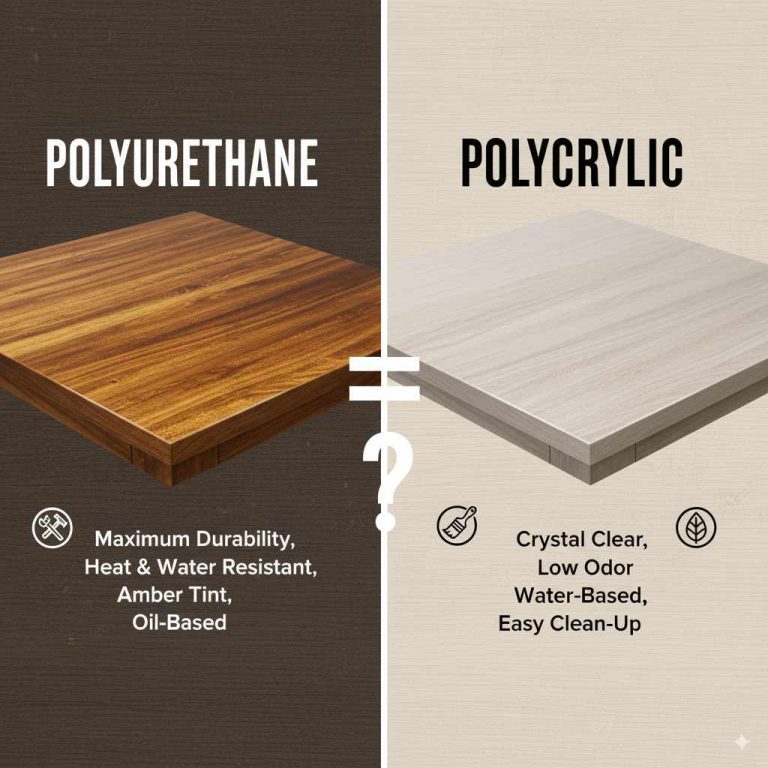
The finish is the clear coat that protects the wood. A strong finish is your floor’s armor. Polyurethane is the most common and durable option.
- Oil-Based Polyurethane: Extremely durable and resistant to scratches. It has a slight amber tint that can warm up the color of the wood. It takes longer to dry and has a stronger smell.
- Water-Based Polyurethane: Dries quickly, has a low odor, and stays clear. Modern water-based formulas are very durable, though some professionals still say oil-based is tougher.
Applying multiple coats (at least three) will give you the best protection. If your floors are looking a bit dull but aren’t deeply scratched, you might only need a screen and recoat, which is less work than a full refinishing job.
Choosing the Right Hardwood
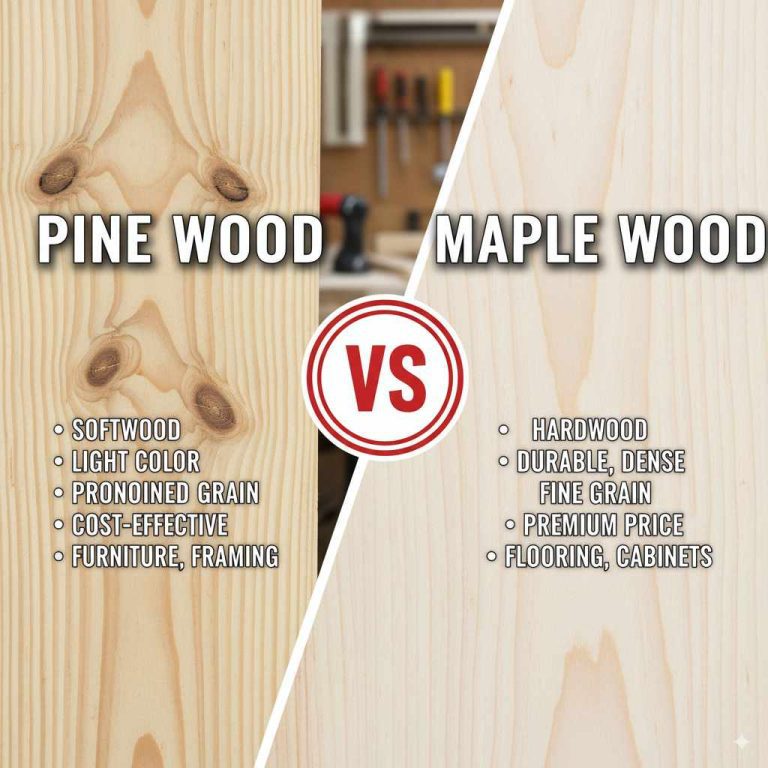
Not all woods are created equal. Some are much harder and more scratch-resistant than others. The hardness of wood is measured using the Janka Hardness Scale. The higher the number, the harder the wood.
For more on wood hardness, you can explore the detailed charts at The Wood Database, a fantastic resource for any woodworking project.
| Wood Type | Relative Hardness | Good for Homes with Dogs? |
|---|---|---|
| Pine / Fir | Very Soft | No, scratches and dents very easily. |
| American Cherry / Walnut | Soft | Not ideal, shows scratches easily. |
| Red Oak / White Oak | Hard | Yes, a good and popular choice. |
| Maple / Hickory | Very Hard | Excellent choice, very durable. |
| Brazilian Cherry / Ipe | Extremely Hard | Yes, one of the toughest options available. |
Don’t Forget Furniture Pads
This is a quick and easy tip! Sometimes we blame our dogs for scratches that were actually caused by sliding furniture. Put felt pads on the bottom of all your furniture legs—chairs, tables, couches, everything. This is a simple fix that protects your floors from a lot of potential damage.
Frequently Asked Questions
Can dog nails really scratch hard polyurethane finishes?
Yes, they can. While a strong polyurethane finish provides excellent protection, a dog’s sharp nails—especially on a heavier dog that is running or jumping—can still create fine surface scratches over time. Keeping nails trimmed is the best way to prevent this.
What is the most durable, dog-friendly hardwood floor?
Hard woods like Brazilian Walnut (Ipe), Hickory, and Hard Maple are extremely durable and stand up well to traffic from pets. Oak is also a very popular and solid choice that is more affordable. Choosing a wood with a prominent grain pattern can also help hide any minor scratches that do occur.
How often should I trim my dog’s nails?
It depends on your dog and their activity level. A good rule of thumb is to trim them every 3 to 4 weeks. If you can hear their nails clicking on the floor as they walk, it’s time for a trim.
Are nail caps for dogs safe?
Yes, when applied correctly, nail caps are perfectly safe. They are non-toxic and don’t stop the nail from growing naturally. Just make sure you follow the instructions and don’t get any adhesive on your dog’s skin or fur.
Will a good floor finish prevent all scratches?
No finish is completely scratch-proof, but a high-quality polyurethane finish with multiple coats will make your floors highly scratch-resistant. It creates a tough protective layer that can withstand most daily wear and tear from a dog.
Do runners and rugs ruin hardwood floors?
No, as long as you use the right kind of rug pad underneath. Avoid pads made of rubber or PVC, which can sometimes react with the floor finish. Instead, choose a pad made from felt or a combination of felt and a safer, non-reactive rubber grip.
Enjoy Your Beautiful Floors and Your Furry Friend
There you have it! Protecting your hardwood floors from your dog is all about taking a few small, consistent steps. It’s not about finding one single magic solution, but about combining a few simple strategies.
Start with the easiest and most important step: keeping your dog’s nails properly trimmed. Add some well-placed rugs and runners for an extra layer of defense in busy areas. And if you need more peace of mind, explore options like nail caps or booties. By being proactive, you can absolutely have it all—a happy, playful dog and gorgeous, scratch-free hardwood floors for years to come.
You’ve got this! A beautiful home and a happy pet are a wonderful combination, and with these tips, you’re well on your way to enjoying both without the worry.