How To Put In Drywall Anchors Without A Drill
Many people want to hang things on their walls but don’t have a drill. It can seem tricky to get drywall anchors to work without one. But don’t worry!
You can still get a strong hold. This guide will show you how to put in drywall anchors without a drill: easy steps. We’ll walk you through it so you can hang your pictures and shelves with confidence.
Putting Drywall Anchors In By Hand
Putting in drywall anchors without a drill is a very common need for people setting up their homes or redecorating. Not everyone owns a drill, or sometimes you just need to hang something quickly and can’t find your tools. This section will explain why this skill is important and how simple it can be to achieve secure wall hangings.
We will cover the basic principles of how drywall anchors work when installed by hand and what makes them effective for supporting weight. Understanding these basics helps build confidence for your DIY projects.
Choosing The Right Drywall Anchor
When you need to hang something on a drywall surface without a power drill, the type of anchor you choose is super important. Different anchors are made for different weights and wall types. Some work better by hand than others.
It’s like picking the right tool for a job; the right anchor makes all the difference.
-
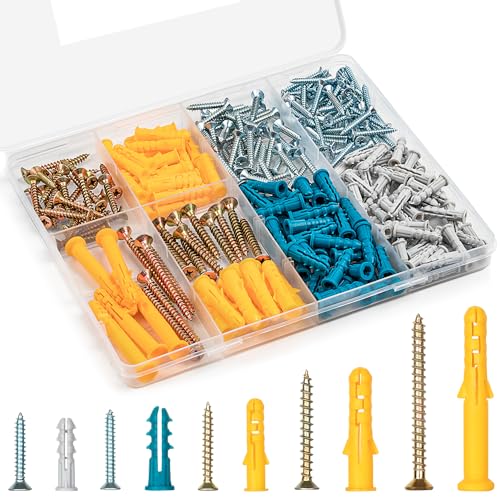
Plastic Expansion Anchors
These are probably the most common type you’ll find for screw-in applications. They are usually made of nylon or plastic. You push them into a pre-drilled hole, and when you put a screw in, the anchor expands to grip the drywall.
For installing without a drill, you’ll need to create that initial hole yourself, which can be done carefully with a sharp object like a screwdriver or an awl.
-
Self-Drilling Anchors
These anchors are designed to screw directly into the drywall without needing a pilot hole. They have a sharp tip that cuts its own way. This makes them incredibly convenient when you don’t have a drill.
You just need a screwdriver to twist them in until they are flush with the wall. They are great for lighter to medium-duty items.
-
Toggle Bolts
Toggle bolts are a bit more involved but offer very strong support. They consist of a bolt with a spring-loaded wing that folds to go through a hole. Once on the other side of the drywall, the wings spring open.
For installation without a drill, you’d need to make a slightly larger hole, then push the folded toggle through. Once the screw is tightened, the wings press against the back of the drywall. These are best for heavier items.
Tools You Will Need
Gathering the right tools makes the job much easier. You don’t need much, just a few common items you likely have around the house. Having these ready will help you get the anchors in smoothly.
-
Screwdriver
A Phillips head or flathead screwdriver is essential. You’ll use this to twist in self-drilling anchors or to drive screws into other types of anchors. Make sure it fits the screws you are using.
-
Hammer
A hammer can be useful for gently tapping in some types of plastic anchors after you’ve made a pilot hole. You want to tap them in straight and not force them too hard.
-
Utility Knife or Awl
If you are using expansion anchors that require a pilot hole, a sharp utility knife or a pointed awl can be used to carefully create that initial opening in the drywall. Be cautious when using sharp tools.
-
Measuring Tape and Pencil
You’ll need these to mark exactly where you want to place your anchor so your item hangs straight.
Step-By-Step Guide: How To Put In Drywall Anchors Without A Drill
This section provides the core instructions for installing drywall anchors when you don’t have a drill. We’ll break down each step clearly so you can follow along easily. The goal is to ensure a secure fit for whatever you plan to hang.
Preparing The Wall Surface
Before you even think about putting an anchor in, you need to get the spot on the wall ready. This means figuring out exactly where the anchor will go. Using a measuring tape and a pencil helps a lot.
You want to be sure your picture or shelf will be level and in the right place. Mark the spot clearly.
-
Measure and Mark
Decide where you want to hang your item. Use a measuring tape to find the exact spot. For a picture frame, you might measure the distance from the top of the frame to the hook on the back, then transfer that measurement to the wall.
Use a pencil to make a small, clear mark. If you’re hanging multiple items or a shelf, measure and mark each anchor point carefully to ensure everything aligns correctly.
-
Check For Obstructions
It’s a good idea to lightly tap the wall with your knuckle at the marked spot. A hollow sound usually means you’re just hitting drywall. A dull thud might indicate a stud, pipe, or electrical wire behind the wall.
If you suspect an obstruction, choose a different spot. For safety, avoid drilling or hammering in areas where you suspect wires or pipes.
Installing Different Anchor Types
Now comes the actual installation. The method depends on the kind of anchor you are using. We’ll cover the most common ones you can install by hand.
Using Plastic Expansion Anchors
These are very common. You need to make a small hole first. A screwdriver tip can often do this.
Gently push the screwdriver in and twist it a bit to make the opening. Then, take the plastic anchor and push it into the hole. If it’s a bit tight, you can gently tap it with a hammer until it’s flush with the wall.
Once it’s in, you’re ready for the screw.
-
Create a Pilot Hole
Take a sharp screwdriver or an awl and carefully press it into your marked spot on the drywall. Twist it gently to create a small hole. You want the hole to be just slightly smaller than the anchor itself, so the anchor has something to grip.
-
Insert the Anchor
Gently push the plastic expansion anchor into the hole. If it’s snug, use a hammer to lightly tap it until it sits flush against the wall surface. Avoid hitting it too hard, as this could damage the drywall.
-
Drive the Screw
Once the anchor is firmly in place, insert the appropriate screw into the anchor. Use your screwdriver to turn the screw clockwise. As you screw it in, the anchor will expand behind the drywall, creating a secure grip.
Using Self-Drilling Anchors
These are the easiest for no-drill installations. They have a pointed end that screws right into the drywall. You just need a screwdriver.
Place the tip of the anchor on your mark and start twisting. Keep turning it until the anchor’s collar is flat against the wall. Then, you can put your screw into the anchor’s hole.
-
Position the Anchor
Align the pointed tip of the self-drilling anchor with your pencil mark on the wall. Make sure it is straight.
-
Screw It In
Using your screwdriver, begin to twist the anchor into the drywall clockwise. The sharp tip will cut its own threads into the drywall. Continue screwing until the anchor’s collar is flush with the wall surface.
-
Add Your Screw
Now, take the screw that came with your anchor (or an appropriate one) and insert it into the hole in the anchor. Tighten the screw with your screwdriver until it feels secure.
Using Toggle Bolts
Toggle bolts are for when you need to hold something heavier. They have a spring-loaded wing. You need to make a hole large enough for the folded wing to pass through.
Once the bolt is through the hole, the wing springs open behind the wall. Then you tighten the bolt. This makes a very strong connection.
-
Mark and Drill a Larger Hole
Determine the correct size hole needed for your specific toggle bolt. Use a drill bit or a sharp tool to carefully create this hole at your mark. Ensure the hole is clean and large enough for the folded toggle to pass through.
-
Insert the Toggle Bolt
Fold the wings of the toggle bolt flat against the bolt. Push the bolt through the hole in the drywall. Once the wings are on the other side, they will spring open, gripping the back of the drywall.
-
Tighten the Bolt
Pull the bolt slightly to ensure the wings are flat against the drywall. Then, use your screwdriver to tighten the screw. The toggle will pull securely against the back of the wall, providing strong support.
Tips For Stronger Hangings
Getting an anchor in correctly is key, but a few extra tips can make sure your hangings stay put. These tricks help prevent common issues and ensure your decorations or shelves are secure.
-
Use the Right Size Anchor and Screw
Always check the weight rating on your anchors. Use an anchor and screw combination that can safely support the item you want to hang. If an anchor is rated for 10 pounds, don’t try to hang 20 pounds on it.
Bigger items need stronger anchors.
-
Don’t Overtighten Screws
When screwing into an anchor, stop when it feels snug. Overtightening can strip the anchor or damage the drywall, making the hold weaker. You want it firm, not cranked as hard as you can.
-
Consider the Item’s Weight Distribution
If you are hanging something heavy like a mirror or a shelf with items on it, try to use at least two anchors. Spreading the weight across multiple anchor points makes each anchor less stressed and the overall hanging much more secure. Think about how the weight will be shared.
Dealing With Different Drywall Conditions
Drywall isn’t always the same. Sometimes it’s older, or maybe it’s been patched before. These conditions can affect how well an anchor holds.
Knowing how to adapt can save you trouble.
-
Older Drywall
Older drywall can sometimes be more brittle. When installing anchors, work a bit more gently. Instead of forcing things, take your time to create the hole and insert the anchor.
If the drywall feels crumbly, you might need to use a slightly larger anchor or a toggle bolt for better grip.
-
Repaired Drywall
If the wall has been patched with joint compound, the strength of the anchor can be unpredictable. Joint compound is not as strong as drywall itself. In these areas, it’s best to use anchors that spread out more, like toggle bolts, or try to find a spot with solid drywall if possible.
Always test the hold gently before relying on it.
Common Problems And Solutions
Even with the best intentions, things can go wrong. Here are some common issues people face when installing anchors without a drill, and how to fix them. Knowing these can save you frustration.
-
Anchor Won’t Go In Straight
If an anchor is going in crooked, stop. Try to gently pull it out and re-align it. If the hole is too tight, you might need to slightly widen it with your screwdriver.
For self-drilling anchors, make sure the screwdriver is perfectly straight.
-
Anchor Spins When Screw Is Inserted
This usually means the anchor isn’t gripping the drywall. The hole might be too big, or the drywall is too soft. Try removing the anchor and adding a little bit of tissue or paper around it to make it fit tighter before re-inserting.
Alternatively, try a different type of anchor like a toggle bolt.
-
Drywall Crumbles Around The Hole
If the drywall starts to break apart, you’ve probably put too much force on it. Stop and assess. You might need to use a smaller anchor or a different method.
For minor crumbling, you can sometimes use a little bit of wood glue on the anchor before inserting it for extra hold, or try to patch the area later.
Real-Life Scenario Example
Sarah wanted to hang a new decorative mirror in her living room. She didn’t own a drill, and the wall was just standard drywall. She chose a medium-sized self-drilling anchor that came with a screw, rated for 20 pounds, and her mirror weighed about 15 pounds.
She marked the spot, used a screwdriver to carefully twist the self-drilling anchor into the wall until it was flush, and then screwed the mirror bracket into the anchor. The mirror hung perfectly straight and felt very secure.
Frequently Asked Questions
Question: Can I hang heavy items without a drill using anchors
Answer: You can hang medium-weight items using the right type of anchor, like a toggle bolt. For very heavy items, a drill is usually recommended for the strongest hold.
Question: What is the best type of anchor to use without a drill
Answer: Self-drilling anchors are often the easiest to use without a drill for lighter to medium loads. Toggle bolts offer stronger support for heavier items but require a larger hole.
Question: How do I know if I hit a stud when trying to place an anchor
Answer: If you encounter resistance that feels solid and unyielding, and you hear a dull thud when tapping the wall, you likely hit a stud. It’s best to avoid anchors in studs unless you plan to screw directly into them with appropriate hardware.
Question: Can I reuse a drywall anchor after removing it
Answer: It’s generally not recommended to reuse plastic expansion anchors or self-drilling anchors, as their grip can be compromised once removed. Toggle bolts might be reusable if the drywall is undamaged.
Question: How deep should the anchor go into the wall
Answer: For most anchors, the goal is to have them seated flush with the wall surface. The part of the anchor that grips or expands should be behind the drywall, providing support.
Summary
Learning how to put in drywall anchors without a drill: easy steps empowers you to hang things securely. You can use common tools like screwdrivers and hammers. By picking the right anchor type for your item’s weight and following these simple steps, you’ll create strong, reliable holds on your drywall.