How to Raise a Door So It Latches: A Step-by-Step Guide
Hey there! If you’ve ever struggled with a car door that just won’t latch properly, you’re not alone. I’ve been there, wrestling with a stubborn door that refuses to close securely. Whether it’s your daily driver or a project car, figuring out how to raise a door so it latches can save you time, money, and frustration. In this guide, I’ll walk you through everything I’ve learned from my own experience fixing car doors, sharing practical steps and tips to get that door aligned and latching like new.
Why Car Doors Fail to Latch
Let’s start with the basics. A car door that doesn’t latch usually has an alignment issue. Over time, doors can sag, hinges can wear out, or parts can shift due to regular use or even a minor fender bender. I remember the first time I noticed my truck’s door wouldn’t close properly—it made an annoying rattling sound every time I hit a bump. After some digging, I found that the door was sitting too low, missing the latch mechanism by just a hair.
Here’s what might be causing your door to misbehave:
- Worn hinges: Hinges take a beating over time, especially on older cars. They can loosen or wear down, causing the door to droop.
- Misaligned striker plate: The striker is the metal piece the latch grabs onto. If it’s off, the door won’t catch.
- Body panel shifts: A car’s frame or door panel can shift slightly from age, rust, or impact.
- Weatherstripping issues: Old or compressed weatherstripping can push the door out of alignment.
Understanding the root cause is key before you start tweaking anything. It’s like diagnosing a cough—you need to know what’s wrong before you grab the medicine.
Tools You’ll Need to Fix a Sagging Door
Before diving into the fix, gather your tools. I learned the hard way that having everything ready saves a ton of time. When I first tried adjusting my car door, I was running back and forth to the garage for missing tools. Here’s what you’ll need:
| Tool | Purpose |
|---|---|
| Socket wrench set | Loosening and tightening hinge bolts |
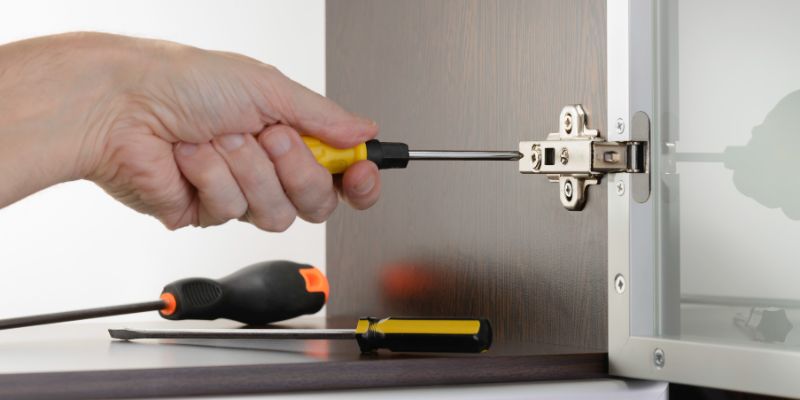
| Screwdriver (Phillips/Flathead) | Adjusting striker plate or removing panels |
| Shims (metal or plastic) | Raising the door to align with the latch |
| Torque wrench | Ensuring bolts are tightened properly |
| Lubricant (WD-40 or similar) | Freeing up sticky hinges or latches |
| Measuring tape | Checking door alignment |
| Level | Ensuring the door sits evenly |
You might also want a friend to help hold the door while you adjust it—it’s a lot easier with an extra pair of hands.
Step-by-Step Guide to Raising a Car Door
Now, let’s get to the good stuff: actually fixing the door. I’ll break this down into clear steps based on what worked for me. Follow along, and you’ll have that door latching smoothly in no time.
Step 1: Inspect the Door and Latch
First, open and close the door slowly to see what’s happening. Does it feel heavy? Does it swing too low? I noticed my door was scraping the frame slightly, which tipped me off to a hinge issue. Check the latch mechanism and the striker plate for wear or damage. Look for any gaps between the door and the car body—uneven gaps are a big clue that the door needs raising.
Step 2: Lubricate the Hinges and Latch
Sometimes, a sticky hinge or latch can make the door feel misaligned. I sprayed some WD-40 on the hinges and worked the door back and forth a few times. This loosened things up and gave me a clearer picture of whether the problem was alignment or just gunk. Don’t skip this step—it’s quick and can save you unnecessary work.
Step 3: Adjust the Hinges
Most door alignment issues come down to the hinges. Here’s how I tackled it:
- Open the door and support it with a jack or have a friend hold it steady.
- Use a socket wrench to loosen the bolts on the door-side hinges (not the body-side ones yet). You’ll usually find two or three bolts per hinge.
- Gently lift the door to see if you can raise it slightly. If it’s too heavy, use shims to prop it up.
- Tighten the bolts just enough to hold the door in place, then close it to check the latch.
I had to do this a few times to get the height just right. Be patient—small adjustments make a big difference.
Step 4: Shim the Hinges if Needed
If loosening and adjusting the hinges doesn’t raise the door enough, try adding shims. I used thin metal shims (you can buy them at an auto parts store or cut your own from a soda can). Slide the shim between the hinge and the door to push the door up slightly. This trick worked wonders on my old sedan when the hinges were too worn to adjust on their own.
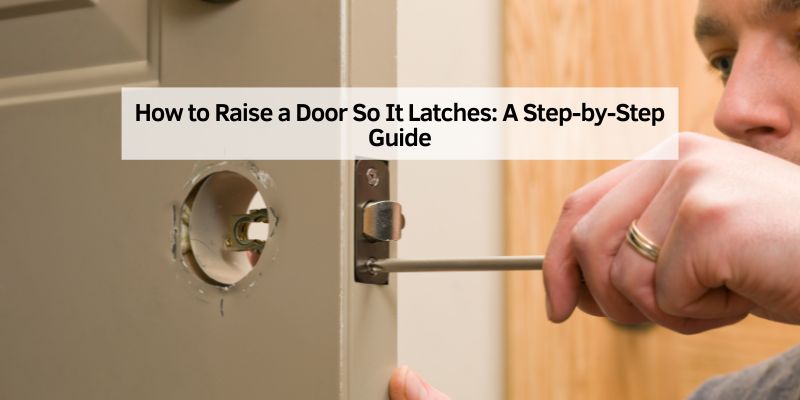
Step 5: Adjust the Striker Plate
The striker plate is that metal loop or bolt on the car’s body that the latch grabs onto. If the door is raised but still won’t latch, the striker might need tweaking. Use a screwdriver to loosen the striker plate bolts, move it up or down slightly, and tighten them again. I found that moving the striker just a millimeter up made all the difference on my truck.
Step 6: Test and Fine-Tune
Close the door gently to see if it latches securely. Open and close it a few times to make sure it feels solid. I also checked the gaps around the door with a measuring tape to ensure they were even—about 3-5 mm is typical. If the door still doesn’t latch, go back to the hinges or striker and make small tweaks. It’s a bit of trial and error, but you’ll get the hang of it.
Step 7: Tighten Everything and Clean Up
Once the door latches perfectly, use a torque wrench to tighten all bolts to the manufacturer’s specs (check your car’s manual for exact numbers). Wipe down the hinges and latch with a clean rag to remove any excess lubricant. I also gave the door a quick wash to make it look as good as it now worked.
Common Mistakes to Avoid
I’ve made my share of mistakes fixing doors, so let me save you some headaches:
- Over-tightening bolts: This can strip the threads or misalign the door further.
- Ignoring weatherstripping: If it’s worn out, replace it after aligning the door to ensure a tight seal.
- Skipping the test phase: Always test the latch before calling it done.
- Working alone on heavy doors: Trust me, a slipping door can damage your car or hurt you.
When to Call a Professional
Sometimes, the problem is bigger than a simple adjustment. If the hinges are rusted beyond repair or the car’s frame is bent, you might need a pro. I once tried fixing a door on an old convertible, only to realize the frame had shifted from years of wear. A body shop fixed it in a day, and it was worth every penny. If you’ve tried everything and the door still won’t latch, don’t be afraid to call in the experts.
Maintenance Tips to Keep Your Door Latching
Once your door is fixed, keep it that way with some simple maintenance:
- Lubricate hinges every six months with a quality spray like WD-40.
- Check the latch and striker for dirt or wear and clean them regularly.
- Inspect weatherstripping for cracks and replace it if needed.
- Tighten hinge bolts annually to prevent sagging.
I’ve found that a little upkeep goes a long way in keeping my car doors working smoothly.
Why Proper Door Alignment Matters
A door that doesn’t latch isn’t just annoying—it’s a safety issue. A loose door can fly open while driving, distract you, or let in water and noise. Plus, it can wear out other parts like the latch mechanism or weatherstripping faster. Fixing it now saves you from bigger repairs down the road. I learned this when my truck’s door started leaking during a rainstorm—don’t wait for that wake-up call!
Conclusion
Fixing a car door so it latches properly might seem daunting, but with the right tools and a bit of patience, it’s totally doable. I’ve been through the process myself, from struggling with a sagging door to celebrating that satisfying “click” when it finally latched right. Follow the steps I’ve shared, take your time, and don’t be afraid to tweak things until it’s perfect. You’ll not only save money but also gain the confidence of tackling a car repair like a pro. So grab your tools, roll up your sleeves, and get that door latching like it’s brand new!
FAQs
Why won’t my car door latch even after adjusting the hinges?
Sometimes, the latch mechanism itself is worn or damaged. Check for debris or rust inside the latch and clean it with a lubricant. If that doesn’t work, the latch or striker plate may need replacement.
Can I raise a car door without special tools?
You can try basic adjustments with a screwdriver and wrench, but tools like shims and a torque wrench make the job easier and more precise. I’ve done it with just a wrench before, but it took longer.
How do I know if my door hinges are worn out?
Look for signs like squeaking, visible wear, or the door feeling heavy when you open it. If the hinges are loose even after tightening, they might need replacing.
Will raising the door affect my car’s paint?
If you’re careful, it shouldn’t. Use a cloth to protect the door’s edge when adjusting, and avoid forcing the door into place. I’ve never scratched my paint doing this, but it’s good to be cautious.
How long does it take to raise a car door?
For me, it took about an hour the first time, but with practice, you can do it in 30-45 minutes. It depends on how misaligned the door is and whether you need shims.