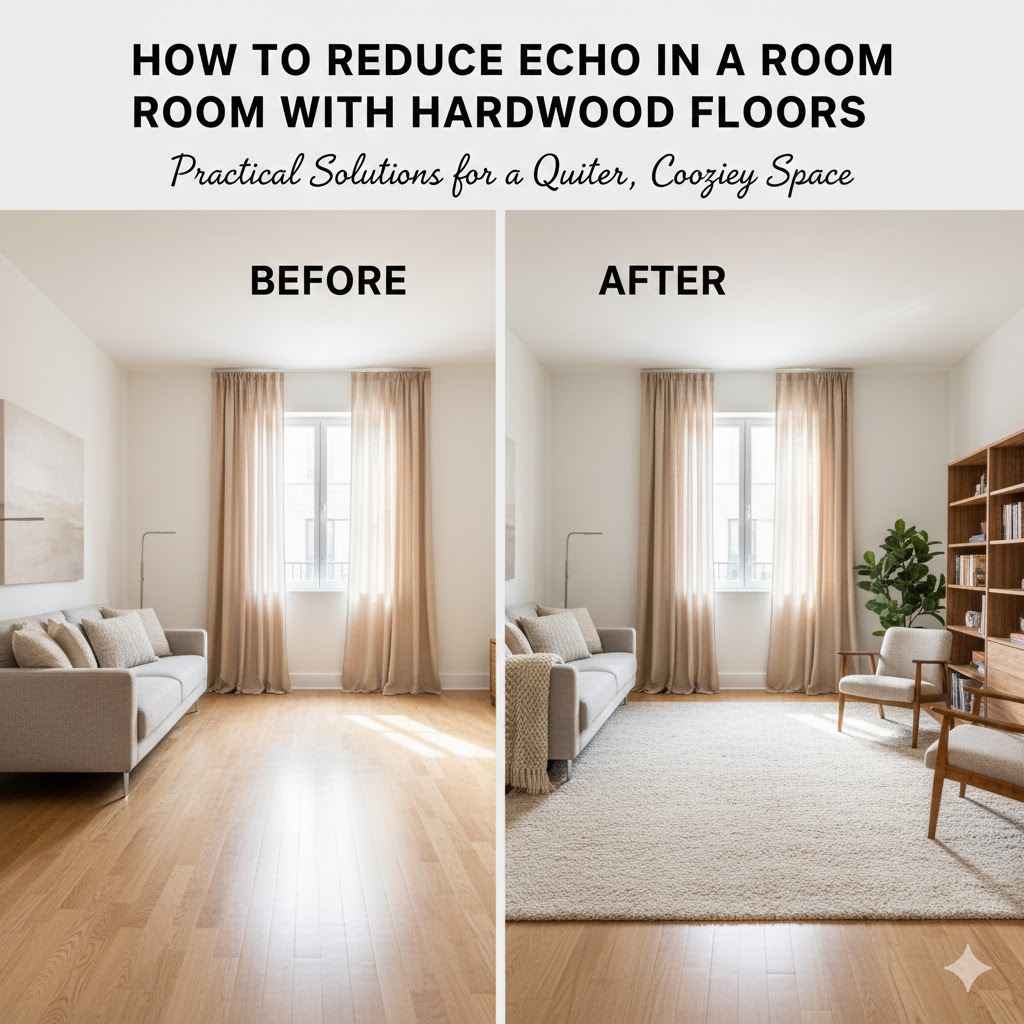
How to Reduce Echo in a Room With Hardwood Floors
Having a room with beautiful hardwood floors is a dream for many. But when your voice bounces around, it can become quite noisy. This is a common challenge, especially for folks just starting to tackle home acoustics.
Don’t worry, it’s simpler than you might think to fix. We’ll walk you through easy steps to make your room sound much better. Get ready to learn how to reduce echo in a room with hardwood floors and create a more peaceful space.
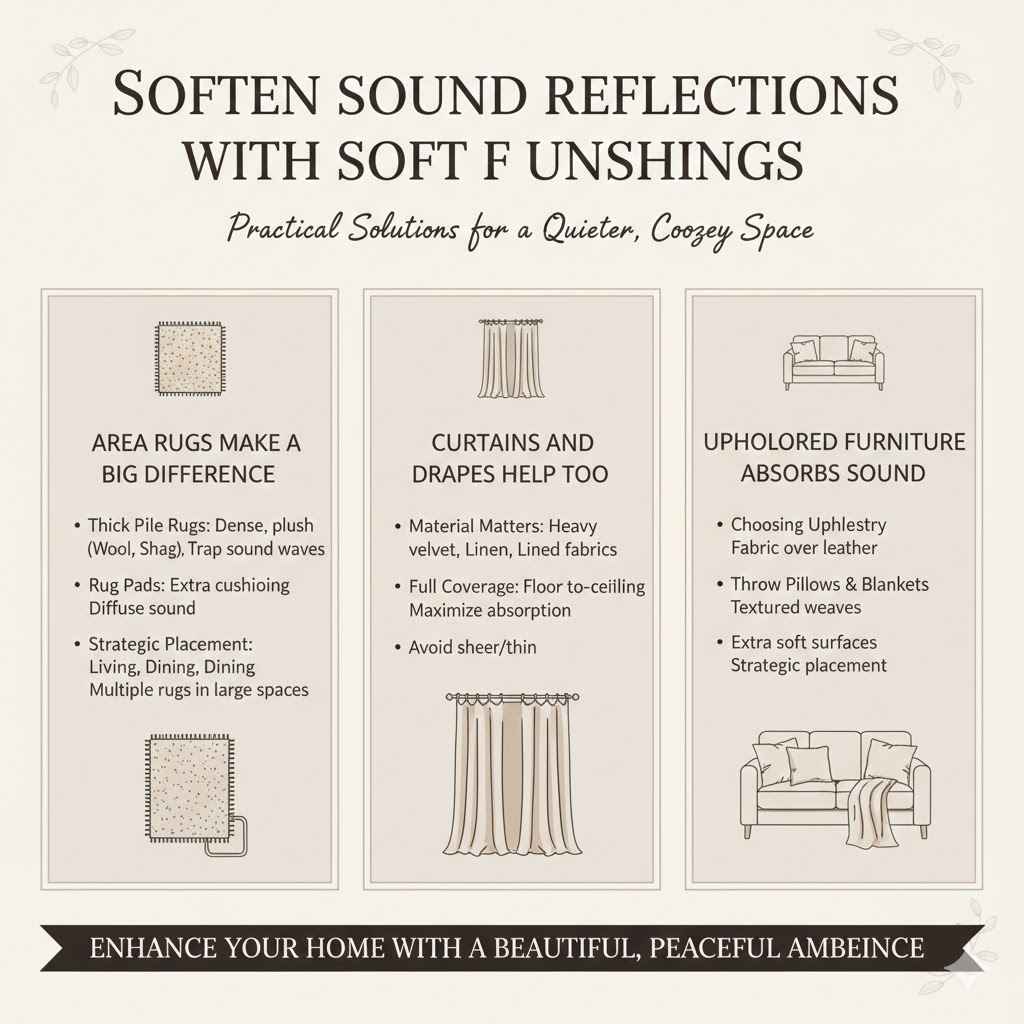
Soften Sound Reflections With Soft Furnishings
Hardwood floors are lovely, but they don’t absorb much sound. This means sound waves bounce off them easily, causing that echo effect. Adding soft items to your room is the first and often most effective way to combat this.
These items act like sponges for sound, soaking up the waves instead of letting them bounce around. This makes a big difference in how your room sounds.
Area Rugs Make a Big Difference
Area rugs are fantastic for stopping echoes on hardwood floors. They cover a large surface and their plush material is great at absorbing sound. The thicker the rug, the more sound it can soak up.
Think about the size of your room. A larger rug will have a bigger impact on reducing echo.
Thick Pile Rugs
Rugs with a dense, thick pile are the best for sound absorption. They have more material to trap sound waves. When sound hits these fibers, it gets absorbed rather than reflected.
This is why a shag rug can make a room feel much quieter than a flat weave rug. Aim for rugs made from wool or high-quality synthetic fibers for maximum effect.
Rug Pads
Adding a rug pad underneath your area rug provides an extra layer of cushioning. This not only protects your hardwood floors but also enhances the rug’s sound-absorbing abilities. The pad creates a bit of air space between the rug and the floor, which helps to diffuse sound waves.
It’s a simple addition that boosts the overall effectiveness.
Strategic Placement
Placing rugs in key areas can significantly improve sound. Put them where people sit, like in the living room or dining area. If you have a large open space, using multiple rugs can break up the reflective surfaces.
This helps manage sound more effectively across the entire room.
Curtains and Drapes Help Too
Windows are another source of sound reflection. Heavy curtains or drapes can cover these reflective surfaces and absorb sound. The thicker and more layered the fabric, the better they work.
Material Matters
Fabrics like velvet, velour, or heavy linen are excellent choices for sound absorption. These materials have a dense weave and a bit of pile that helps to trap sound. Avoid sheer or very thin curtains, as they won’t offer much acoustic benefit.
Consider adding a lining to your curtains for even more sound dampening.
Full Coverage
Make sure your curtains extend from the top of the window frame to the floor. This maximizes the surface area that can absorb sound. When curtains are drawn, they create a soft barrier that stops sound from bouncing directly off the glass.
This is especially helpful for large windows or sliding glass doors.
Upholstered Furniture Absorbs Sound
Beyond rugs and curtains, the furniture you choose plays a role. Upholstered pieces, like sofas and armchairs, are naturally good at absorbing sound. The fabric and padding help to soften acoustics.
Choosing Upholstery
Opt for furniture with fabric upholstery over leather or wood. Fabrics with a texture or a slight nap, like chenille or tweed, are better at sound absorption. The softer and more cushioned the furniture, the more sound it will soak up.
Adding Throw Pillows and Blankets
Even if your furniture is not fully upholstered, you can add throw pillows and blankets. These small additions provide extra soft surfaces for sound to land on. They are easy to move around and can be strategically placed to absorb sound in specific areas.
Incorporate Sound Absorbing Materials and Items
Beyond general soft furnishings, specific items are designed to absorb sound. These can be used to target areas where echo is most noticeable or to add an extra layer of acoustic control to your room. Using a variety of these materials can create a well-balanced sound environment.
Acoustic Panels Make a Professional Difference
Acoustic panels are specialized products made to absorb sound. They are often used in recording studios or home theaters, but they can be very effective in any room. They come in various designs and can even be decorative.
Types of Acoustic Panels
There are several types of acoustic panels. Fabric-wrapped panels are common, offering a good balance of absorption and aesthetics. Foam panels are also available, though fabric-wrapped ones usually offer better sound absorption over a wider frequency range.
Wood-slatted panels with acoustic backing combine style and function.
Placement Strategies
The best place for acoustic panels is on walls, especially on the “reflection points” where sound bounces from speakers to your ears. They can also be placed on ceilings or hung as baffles to absorb sound from above. Placing them at ear height when seated is often a good starting point.
DIY Options
You can also create your own acoustic panels using materials like rigid fiberglass or mineral wool and covering them with fabric. This can be a more budget-friendly option. Just ensure you use appropriate safety gear when working with these materials.
Hang Wall Tapestries and Art
Large fabric wall hangings or tapestries can act like curtains for your walls. They add visual interest and help to break up flat, reflective surfaces. Even framed art with fabric elements can contribute to sound dampening.
Fabric Thickness
Similar to curtains, the thicker and more textured the fabric of your tapestry, the better it will absorb sound. Heavy woven tapestries are ideal. They have more surface area and material to catch sound waves.
Strategic Art Placement
Placing a large tapestry on a wall opposite a hard surface like a window or another wall with minimal furnishings can be very effective. This creates a soft buffer where sound would otherwise bounce back into the room.
Bookshelves Add Diffusion
A well-stocked bookshelf can do more than just hold your favorite reads. The uneven surfaces of books and the shelves themselves can help to diffuse sound, meaning they scatter sound waves in different directions rather than letting them bounce back directly. This breaks up the echo.
Filling Them Up
The more books you have, and the more varied their sizes and orientations, the better the diffusion. Don’t leave large empty spaces on your shelves. Books packed together create more surfaces for sound to interact with.
Mixing Materials
Consider mixing books with decorative items on your shelves. Oddly shaped objects and textured items can further enhance sound diffusion. This adds visual appeal while improving acoustics.
Modify Room Layout and Design
Sometimes, the layout of your room and how you arrange your furniture can also impact echo. Simple adjustments can make a noticeable difference without needing to buy new items. Think about how sound travels in your space and how you can interrupt its path.
Break Up Large Open Spaces
Large, open rooms with lots of hard surfaces are prime candidates for echo. Dividing these spaces visually and acoustically can help. Furniture arrangement is key here.
Furniture Arrangement
Instead of pushing all your furniture against the walls, try creating distinct zones within your room. For example, arrange seating in a conversational group in the center of the room. This breaks up the open floor space and creates areas where sound is more likely to be absorbed by the furniture.
Room Dividers
Freestanding room dividers, especially those with fabric panels or bookshelves, can be excellent for breaking up large rooms. They physically block sound and create smaller, more acoustically manageable zones.
Consider Ceiling Treatments
The ceiling is a large, often overlooked, reflective surface. Adding sound-absorbing materials here can have a significant impact on reducing echo.
Acoustic Ceiling Tiles
These are specifically designed to absorb sound. They can be installed in a suspended grid system or glued directly to the ceiling. Many modern acoustic tiles come in attractive designs that can enhance the look of your room.
Fabric-Wrapped Ceiling Clouds or Baffles
These are decorative panels that hang from the ceiling. They are particularly effective in spaces with high ceilings. They add both sound absorption and visual interest.
They are often seen in restaurants and offices but work well in homes too.
Add Plants for Sound Diffusion
While plants might not be the primary solution for a noisy room, they can contribute to sound diffusion. Their leaves and branches have irregular surfaces that scatter sound waves.
Leafy Varieties
Larger plants with broad, textured leaves are more effective. Think of plants like fiddle-leaf figs, monsteras, or bird of paradise. Grouping several plants together can create a more significant acoustic effect.
Placement
Placing plants in corners or along walls where echo is most noticeable can help. They add a natural element to your decor while subtly improving the sound quality of the room.
Technical Solutions for Echo Reduction
If you’ve tried the softer furnishings and layout changes and still need more, there are some technical solutions you can consider. These methods are more direct in addressing sound waves and can provide a more complete soundproofing or echo reduction experience. They often require a bit more effort or investment but yield noticeable results.
Understanding Sound Absorption Coefficients
When looking at materials to reduce echo, you’ll often see something called a sound absorption coefficient. This is a number between 0 and 1 that tells you how well a material absorbs sound. A score of 0 means the material reflects all sound, like a hard mirror.
A score of 1 means it absorbs all sound, like an open window.
What the Numbers Mean
For example, a very thick carpet might have an absorption coefficient of 0.6 or higher, meaning it absorbs 60% or more of the sound hitting it. Hardwood floors typically have a coefficient close to 0.05, meaning they reflect almost all sound. The goal is to introduce materials with higher coefficients.
Frequency Dependence
It’s important to know that sound absorption varies with the frequency of the sound (low bass sounds versus high treble sounds). Some materials are better at absorbing low frequencies, while others are better at high frequencies. For general echo reduction, materials that absorb a broad range of frequencies are best.
Bass Traps for Low-Frequency Echo
While most echo is caused by sound bouncing off flat surfaces, low-frequency sounds (bass) can also create “room modes” or uneven sound pressure, which might feel like an echo or boominess. Bass traps are specialized acoustic treatments designed to absorb these low frequencies. They are often triangular and placed in corners.
How Bass Traps Work
Bass traps create a resonant chamber that absorbs the energy of low-frequency sound waves. By placing them in the corners of a room, where bass frequencies tend to build up, they help to even out the sound response. This can make music sound clearer and reduce muddiness.
Placement is Key
Corners are the most effective place for bass traps because that’s where the pressure from low-frequency sound waves is highest. Even a few well-placed bass traps can make a significant difference in the perceived clarity of sound in a room.
Diffusion vs. Absorption
It’s useful to understand the difference between sound absorption and sound diffusion. Absorption is about soaking up sound energy. Diffusion is about scattering sound waves in many directions.
Both can help reduce echo and improve room acoustics.
| Acoustic Treatment | Primary Function | Effect on Echo | Best For |
|---|---|---|---|
| Area Rugs, Curtains, Upholstery | Absorption | Reduces overall sound energy, making reflections less intense. | General echo reduction, softening harsh sounds. |
| Acoustic Panels, Bass Traps | Absorption | Targets specific frequencies or broad spectrum sound energy. | Controlling problematic frequencies, significant echo reduction. |
| Bookshelves, Textured Surfaces | Diffusion | Scatters sound waves, breaking up direct reflections and making sound feel more natural. | Preventing “flutter echo” and creating a more pleasant sound field. |
A room often benefits from a combination of both absorption and diffusion for the best results. Absorption reduces the amount of sound, while diffusion ensures the remaining sound is spread out more evenly.
Frequently Asked Questions
Question: How can I reduce echo in a room with hardwood floors without buying lots of new furniture?
Answer: You can use existing items like blankets, pillows, and books. Hang heavy curtains on windows, and place large rugs or tapestries on the floor and walls. Even rearranging your furniture to break up open spaces can help.
Plants also contribute to softening sound.
Question: Will just one area rug fix the echo problem on hardwood floors?
Answer: One large, thick area rug can make a big difference. However, for significant echo reduction, especially in larger rooms, you might need more than one rug or to combine rugs with other sound-absorbing items like curtains or wall hangings.
Question: Are acoustic panels necessary for reducing echo in a home room?
Answer: Acoustic panels are not always necessary but can be very effective for significant echo reduction or for specific sound needs like in a home theater. For general echo in a living space, soft furnishings like rugs and curtains are often sufficient.
Question: Can I use regular blankets and sheets to reduce echo?
Answer: Yes, heavier blankets and layered sheets can help. Hanging them on walls or over windows can provide temporary or decorative sound absorption. The thicker and more textured the fabric, the better they will work.
Question: What is the easiest way to reduce echo in a room with hardwood floors?
Answer: The easiest ways involve adding soft textures. Laying down a large, thick area rug is often the quickest and most impactful solution. Adding throw pillows and blankets to your seating also helps immediately.
Summary
You have learned practical ways how to reduce echo in a room with hardwood floors. Adding soft furnishings like rugs, curtains, and upholstered furniture is key. Incorporating items like acoustic panels, tapestries, and even bookshelves helps further.
Adjusting room layout and using ceiling treatments also makes a big impact. By using these simple, effective strategies, you can transform your echoey space into a much quieter and more pleasant environment.