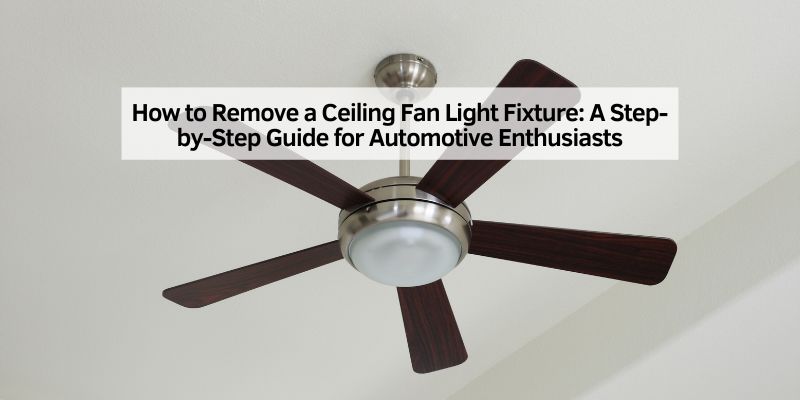
How to Remove a Ceiling Fan Light Fixture: A Step-by-Step Guide for Automotive Enthusiasts
Hey there, friend! If you’re like me, your garage is more than just a place to park your car—it’s a workshop, a hangout, and sometimes even a DIY haven. I’ve spent countless hours tinkering under my garage’s ceiling fan, but when the light fixture started flickering, I knew it was time to take action. Removing a ceiling fan light fixture might sound daunting, especially if you’re more comfortable with a wrench than a screwdriver, but I’ve done it a few times now and learned the ropes.
Whether you’re replacing a busted light, upgrading for better garage lighting, or just curious, I’m here to walk you through the process. This guide is packed with practical tips, personal stories, and easy steps to help you tackle this project with confidence. Let’s dive in and get that ceiling fan light fixture off safely!
Why You Might Need to Remove a Ceiling Fan Light Fixture
I first tackled this job when the light on my garage ceiling fan started acting up. It was dim, flickering, and making it hard to see while working on my car at night. Removing a ceiling fan light fixture is common for a few reasons. Maybe the bulb won’t stop burning out, or the fixture’s outdated, and you want a brighter LED setup. Sometimes, the glass cover breaks, or you’re swapping the whole fan for a new one.
In my case, I wanted to replace the old fixture with a shop light to better illuminate my workspace. Whatever your reason, removing the fixture is a straightforward task that can save you from calling an electrician. Plus, as car folks, we’re used to getting our hands dirty—this is just another fun project!
Tools and Supplies You’ll Need
Before you start, gather the right tools. I learned this the hard way when I climbed a ladder only to realize I forgot my screwdriver. Here’s what I keep handy:
- Screwdriver Set: A Phillips and flathead screwdriver cover most screws. I use a magnetic one to avoid dropping them.
- Ladder: A sturdy step ladder is a must. I use a 6-foot one for my garage’s 8-foot ceiling.
- Voltage Tester: This checks if the power’s off. Safety first!
- Pliers: Needle-nose pliers help with stubborn wires or small screws.
- Gloves: I wear work gloves to protect my hands from sharp edges.
- Replacement Bulbs or Fixture: If you’re swapping parts, have them ready.
- Bucket or Bag: This holds screws and small parts. I’ve lost too many to the garage floor!
Having everything ready saves time and frustration. I keep my tools in a toolbox near the ladder, so I’m not running back and forth.
Safety First: Preparing for the Job
I can’t stress this enough—safety is key. I once tried messing with a fixture without turning off the power, and let’s just say the shock wasn’t fun. Here’s how I prep now:
- Turn Off the Power: Find your circuit breaker and switch off the power to the ceiling fan. I label my breaker box to make this easy.
- Test the Fixture: Use a voltage tester to confirm the power is off. I touch the wires to make sure there’s no current.
- Set Up Your Ladder: Place it on a flat, stable surface. My garage floor is concrete, so I check for wobbles.
- Clear the Area: Move cars, tools, or anything under the fan. I once dropped a screw into my car’s engine bay—nightmare!
- Wear Safety Gear: Gloves and safety glasses protect you from dust or flying bits.
Taking these steps keeps you safe and makes the job smoother. I always double-check the power with my tester—it’s a habit that’s saved me from trouble.
Identifying Your Ceiling Fan Light Fixture Type
Not all ceiling fan light fixtures are the same, and I’ve learned this matters. My garage fan had a single bulb with a glass globe, but my buddy’s had a multi-light setup. Here’s what I’ve seen:
- Single Bulb Fixture: A simple light with one bulb, often covered by a glass globe. Easy to remove but fragile.
- Multi-Light Fixture: Multiple bulbs, sometimes with separate shades. These have more screws and wires.
- Integrated Fixture: Built into the fan, with no separate light kit. Trickier to remove, as it’s part of the fan housing.
- Pull-Chain Fixture: Controlled by a chain, common in older fans. Usually straightforward to detach.
Check your fan’s manual or look at the fixture to figure out its type. I didn’t have a manual, so I took a photo and compared it online. Knowing the type helps you plan the removal process.
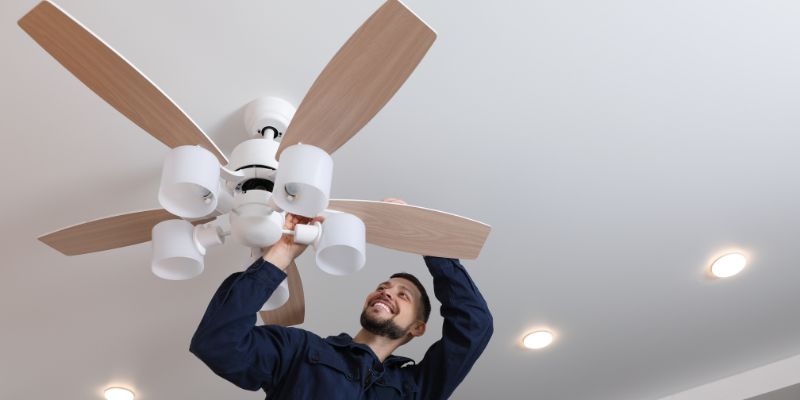
Step-by-Step Guide to Removing the Light Fixture
Here’s how I remove a ceiling fan light fixture, based on my experience with a single-bulb setup. Adjust as needed for your fan:
- Remove the Glass Cover: Most covers are held by screws or clips. I unscrew them with a Phillips screwdriver, holding the globe so it doesn’t fall. If it’s stuck, I gently twist it.
- Take Out the Bulb: Unscrew the bulb and set it aside. I check if it’s burned out—sometimes a new bulb fixes the issue.
- Locate the Fixture Screws: Look for screws attaching the light kit to the fan. Mine had three small screws around the base. I use a magnetic screwdriver to catch them.
- Disconnect the Wires: You’ll see wires connected with plastic caps (wire nuts). I twist off the caps and separate the wires, noting which ones connect where. A photo helps here.
- Remove the Fixture: Once screws and wires are detached, the fixture should come off. I hold it firmly to avoid dropping it.
- Cap Exposed Wires: If you’re not replacing the fixture right away, cover exposed wires with wire nuts and electrical tape. I learned this after leaving wires bare and sparking a scare.
Take your time, especially with wires. I rushed once and crossed wires, causing a short when I flipped the power back on. Slow and steady wins this race.
Handling Different Fixture Types
If your fixture isn’t a simple single-bulb setup, here’s how I’ve tackled others:
- Multi-Light Fixtures: These have multiple bulbs and shades. I remove each shade first, then unscrew the base. More wires mean more care—label them with tape for reconnection.
- Integrated Fixtures: These are built into the fan, so you might need to remove part of the fan housing. I check the manual or online videos for my fan model.
- Pull-Chain Fixtures: These often have a chain mechanism attached. I detach the chain first, then follow the same steps as a single-bulb fixture.
Each type has quirks, but the basics—power off, screws out, wires disconnected—stay the same. I always keep a bucket for parts, as multi-light setups have tons of tiny screws.
What to Do After Removing the Fixture
Once the fixture’s off, you’ve got options. I’ve been through all of these, depending on my goal:
- Replace the Bulb: If the issue was a burnt-out bulb, screw in a new one. I switched to LEDs for brighter, longer-lasting light in my garage.
- Install a New Fixture: If you’re upgrading, connect the new fixture’s wires to the fan’s, matching colors (black to black, white to white). Secure with wire nuts and screw it in place.
- Leave It Off: If you’re removing the light permanently, cap the wires and cover the exposed area with a blank plate. I did this when I replaced my fan with a shop light.
- Replace the Fan: If the whole fan’s going, you’ll need to remove it entirely. That’s a bigger job, but I’ve done it by following similar steps.
I always test the new setup before cleaning up. Flip the breaker back on and check if the light or fan works. If it doesn’t, I recheck the wiring—usually a loose connection.
| Fixture Type | Removal Steps | Tools Needed | Common Challenges |
|---|---|---|---|
| Single Bulb | Remove globe, bulb, screws, wires | Screwdriver, pliers | Fragile globe, stuck screws |
| Multi-Light | Remove shades, bulbs, base, wires | Screwdriver, tape | Multiple wires, small parts |
| Integrated | Remove housing, disconnect wires | Screwdriver, manual | Complex fan design |
| Pull-Chain | Detach chain, remove screws, wires | Screwdriver, pliers | Chain mechanism tangles |
Common Mistakes to Avoid
I’ve made plenty of blunders, so let me save you some trouble. Here are mistakes I’ve learned to avoid:
- Not Turning Off Power: Always shut off the breaker. I got a shock once and never forgot it.
- Dropping Parts: Use a magnetic screwdriver and a bucket for screws. I’ve spent hours searching for lost ones.
- Forgetting Wire Connections: Take a photo before disconnecting wires. I mixed up wires once and spent an hour fixing it.
- Using a Shaky Ladder: A wobbly ladder is dangerous. I check mine for stability every time.
- Rushing the Job: Hurrying leads to mistakes. I set aside an hour to focus and avoid shortcuts.
These lessons have made my projects smoother and safer. Take your time, and you’ll nail it.
Upgrading Your Garage Lighting
As an automotive guy, good lighting is a game-changer. After removing my old fixture, I upgraded to a 4-foot LED shop light. It’s bright enough to spot every bolt on my car. If you’re removing a fixture, consider these upgrades:
- LED Bulbs: They’re energy-efficient and last for years. I use 60-watt equivalent LEDs for clear, bright light.
- Shop Lights: These are perfect for garages. I mounted one above my workbench for detailing work.
- Motion Sensors: I added a motion-sensor light to save power when I’m not in the garage.
- Extra Outlets: Some fans have outlet kits. I considered one for plugging in tools, but stuck with lighting.
Measure your space and think about what you need—bright light for wrenching or softer for a chill vibe. I love my new setup; it makes late-night car projects so much easier.
Maintaining Your Ceiling Fan After Removal
Once the fixture’s off, check the fan itself. I’ve found that removing the light gives you a chance to clean and inspect. Here’s what I do:
- Clean the Blades: Dust builds up fast. I wipe blades with a damp cloth and mild soap.
- Tighten Screws: Check the fan’s mounting screws. I found a loose one that was causing a wobble.
- Lubricate the Motor: Some fans need oil. I check the manual and add a drop if needed.
- Inspect Wiring: Look for frayed wires in the fan housing. I tape up any wear to prevent shorts.
A quick maintenance session keeps your fan running smoothly, whether you’re adding a new light or leaving it off.
Why This Skill Is Great for Automotive Enthusiasts
As car people, we’re no strangers to DIY projects, and removing a ceiling fan light fixture fits right in. It’s like swapping a car part—methodical, hands-on, and rewarding. I love the feeling of fixing something myself, whether it’s a carburetor or a garage light. This skill saves you money, improves your workspace, and gives you confidence for other home projects. Plus, better lighting means better visibility for detailing your ride or spotting that one bolt you dropped. It’s a win-win for any gearhead.
Tips for Success
Here’s my hard-earned advice for a smooth job:
- Work in Daylight: Natural light helps you see wires and screws. I do these projects in the morning.
- Take Breaks: If you’re frustrated, step away. I’ve stripped screws by pushing too hard.
- Keep a Flashlight Handy: A headlamp or flashlight is great for seeing inside the fan housing.
- Ask for Help: If wires confuse you, grab a friend who knows electrical work. I’ve called my electrician buddy for advice.
- Test Everything: Always test the fan or new light before cleaning up. It saves rework.
These tips have turned me from a nervous DIYer to a confident one. You’ll get there too with a little practice.
Conclusion
Removing a ceiling fan light fixture has been one of the most satisfying projects in my garage. From fixing a flickering light to upgrading my workspace, I’ve learned it’s a job any automotive enthusiast can tackle. With the right tools, a focus on safety, and a bit of patience, you can take down that fixture like a pro. I’ve shared my mistakes and successes to help you avoid pitfalls and get it done right.
Whether you’re brightening your garage for late-night wrenching or swapping out an old fan, this skill is a game-changer. So, grab your screwdriver, turn off the power, and take control of your space. Here’s to a brighter garage and more time enjoying your ride!
FAQs
Do I need to turn off the power to remove a ceiling fan light fixture?
Yes, always turn off the power at the breaker. Use a voltage tester to confirm it’s off to avoid shocks.
What tools do I need to remove a ceiling fan light fixture?
You’ll need a screwdriver, ladder, voltage tester, pliers, gloves, and a bucket for screws.
Can I remove just the light fixture and keep the fan?
Yes, you can remove the light kit and leave the fan. Cap the wires and add a blank plate for safety.
How do I know what type of fixture my ceiling fan has?
Check the fan’s manual or look at the fixture. Single-bulb, multi-light, or integrated types are common.
What if the glass cover is stuck on my fixture?
Gently twist or tap the cover. If it’s screwed on, check for hidden screws or clips.
Can I replace the fixture with a different type of light?
Yes, as long as the wiring matches and the fan supports the weight. LEDs or shop lights are great upgrades.
Is it safe to do this without an electrician?
Yes, if you follow safety steps—turn off power, test wires, and work carefully. Call a pro if you’re unsure about wiring.