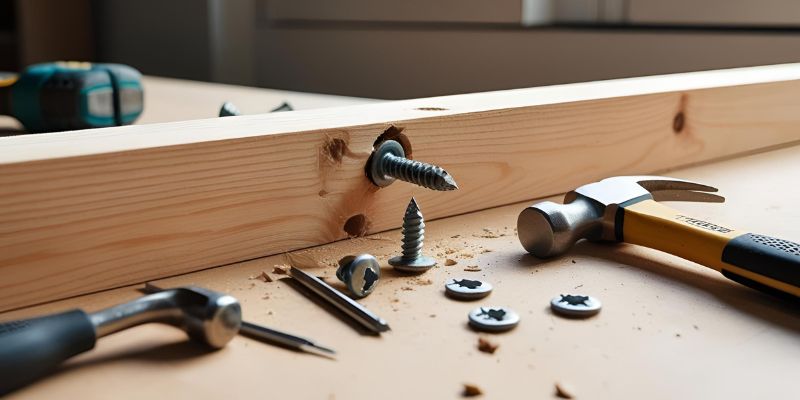
How To Remove A Screw With No Head From Wood: Easy Tips
In woodworking and construction, encountering a screw with a stripped head can present a significant challenge, complicating repair or assembly tasks. The absence of a detectable socket on the screw’s head necessitates innovative strategies for extraction without exacerbating damage to the surrounding material. Various techniques, from utilizing specialized tools to employing friction-enhancing methods, can transform a seemingly insurmountable problem into a manageable solution.
Understanding the properties of both the screw and the wood substrate is essential for an effective removal process. Dive deeper into the methodologies and discover how to remove a screw with no head from wood with finesse and precision.
How To Remove A Screw With No Head From Wood: A Guide
Removing a screw with no head from wood can be a frustrating task, but various techniques can make it manageable. This briefing highlights effective methods, including using specialized tools like extraction bits and pliers, as well as DIY hacks involving rubber bands or drilling. Understanding the right approach can save time and prevent damage to the surrounding wood. Equipped with the right techniques, even the most stubborn screw can be extracted efficiently and safely, ensuring your project remains on track.
Understanding the Problem
Importance of addressing a stripped screw. Common causes of screw head damage.
Dealing with a stripped screw is important. Ignoring it can lead to bigger problems, like damaged wood or broken items. Understanding why screws get damaged helps prevent future issues. Common causes of stripped screw heads include:
- Using the wrong screwdriver
- Over-tightening screws
- Wear and tear on old screws
- Corrosion and rust from weather
Each of these reasons shows why it’s essential to address the issue quickly.
Taking care of it prevents further damage and makes repairs easier.
Tools You Will Need
List of essential tools for screw removal. Optional tools for enhanced efficiency.
To remove a screw with no head, you’ll need some important tools. Here’s a list of essentials:
- Pliers: Use these to grip and twist the screw.
- Screw extractor: This special tool can help pull out stubborn screws.
- Drill: A power drill can make removal easier if you need to create a new hole.
- Rubber band: Place it over the screw for better grip.
If you want to make the task smoother, consider these optional tools:
- Heat gun: Helps loosen tight screws.
- Wood glue: Can fill gaps for better grip with pliers.
Method 1: Using Pliers
Stepbystep guide on leveraging pliers. Tips for maximizing grip and leverage.
Using pliers can help you remove a screw with no head from wood. Follow these easy steps:
- Grip the pliers tightly around the screw stub.
- Twist slowly to loosen the screw.
- Pull straight out while twisting for better grip.
For maximum grip, try using locking pliers or channel-lock pliers. Hold the handles firmly to gain more leverage. If the screw is stubborn, gently wiggle the pliers to help it come out.
Method 3: Drilling Through the Screw
How to safely drill into the screw. Precautions to take to avoid damage to surrounding wood.
Drilling into a screw can be tricky, but it’s like being a dental hygienist for your wood! First, use a drill with a bit slightly smaller than the screw. This ensures you don’t accidentally enlarge the hole. Remember to wear safety goggles—protect those peepers!
Also, keep a slow and steady pace to avoid splintering the wood. You want to be a gentle giant, not a lumberjack on caffeine!
| Precaution | Tip |
|---|---|
| Wear Safety Goggles | Protect your eyes from flying debris! |
| Use the Right Drill Bit | A smaller bit prevents damage. |
| Drill Slowly | Gentle pressure keeps the wood intact. |
Method 4: Applying Heat
Explanation of how heat can loosen a screw. Best practices for using heat safely.
Want to give that stubborn screw a warm hug? Heat can work wonders by expanding the metal and making it easier to twist free. Just like how we all feel more relaxed after a cozy blanket!
However, be careful not to burn your house down! Use a heat gun or a soldering iron, keeping it away from flammable materials. And never forget to wear gloves; it’s not cool to get burnt!
| Best Practices for Using Heat Safely |
|---|
| Use heat tools at a safe distance. |
| Wear protective gloves. |
| Keep flammable items away. |
With a little warmth, that pesky screw won’t stand a chance!
Preventive Measures for Future Projects
Tips for selecting and installing the correct screws. Techniques to avoid stripping screw heads.
Choosing the right screws makes your projects easier. Here are some tips to help you:
- Select the right size: Use screws that fit the thickness of the wood.
- Use quality screws: Strong screws are less likely to strip.
- Pre-drill holes: Create a guide for the screw to prevent stripping.
- Apply even pressure: Use a steady hand when driving screws in.
These simple steps can protect your screws and keep your projects on track!
When to Seek Professional Help
Signs that a DIY attempt might not be advisable. What to expect from professional services.
Sometimes, tackling a tricky screw can feel like trying to catch a slippery fish. If you notice things getting messy, that’s a sign to call in the experts. Look out for splintered wood, stripped threads, or if you’re holding a power tool with sweaty palms!
Professionals have the right tools and skills to make magic happen, saving you time and a potential trip to the emergency room.
| Signs When to Seek Help | What Professionals Provide |
|---|---|
| Wood damage appears | Special tools |
| Screw won’t budge | Expert techniques |
| You feel frustrated | Peace of mind |
Conclusion
In conclusion, removing a screw with no head from wood may seem daunting, but with the right techniques and tools, it can be accomplished effectively. Techniques such as using pliers, drilling, or applying heat can help extract the stubborn screw. By following these steps, you can restore the integrity of your wood project and ensure a smooth, clean finish.
FAQs
What Tools Are Best For Gripping And Removing A Screw With No Head From Wood?
To remove a screw with no head from wood, the best tools to use include a screw extractor set, which can grip and extract screws effectively. A pair of locking pliers, like Vise-Grips, can also provide a strong grip to turn the exposed part of the screw if any is visible. Another option is to use a drill with a left-handed bit, which can sometimes grip the screw as it drills. Lastly, applying heat with a soldering iron can help loosen the screw, making removal easier.
How Can I Use A Rubber Band To Increase Grip On A Screw Without A Head?
You can use a rubber band to increase grip on a screw without a head by placing the rubber band over the screw’s shaft. Then, use a screwdriver or pliers to grip both the rubber band and the screw. The rubber band will provide extra friction and grip, making it easier to turn the screw. This method effectively helps in loosening or tightening screws that are difficult to handle.
What Are Some Alternative Methods For Extracting A Screw With No Head If Regular Tools Fail?
If regular tools fail to extract a screw with no head, one alternative method is to use a screw extractor, which is designed specifically for this purpose. Another option is to drill a hole into the center of the screw and then use a left-handed drill bit to potentially loosen it as it drills. Additionally, you can try using pliers or locking pliers to grip the shaft of the screw if any part is exposed. Finally, applying heat to the surrounding material may help expand it and release the screw.
Is It Possible To Remove A Screw Without A Head By Drilling It Out, And What Precautions Should I Take?
Yes, it is possible to remove a screw without a head by drilling it out. To do this safely, use a drill bit slightly larger than the screw shaft, and drill carefully to avoid damaging the surrounding material. Ensure you wear safety goggles and use a center punch to keep the drill bit steady. Additionally, be cautious to drill straight down to minimize the risk of breaking the drill bit.
How Can I Prevent Screws From Breaking Off And Losing Their Heads In The Future?
To prevent screws from breaking off and losing their heads, ensure you’re using the correct size and type of screw for your application. Pre-drill pilot holes to reduce stress on the screw and avoid over-tightening, which can lead to breakage. Use a quality screwdriver or drill bit that fits snugly to prevent stripping the head. Additionally, consider using screws made from stronger materials or those designed for specific tasks.