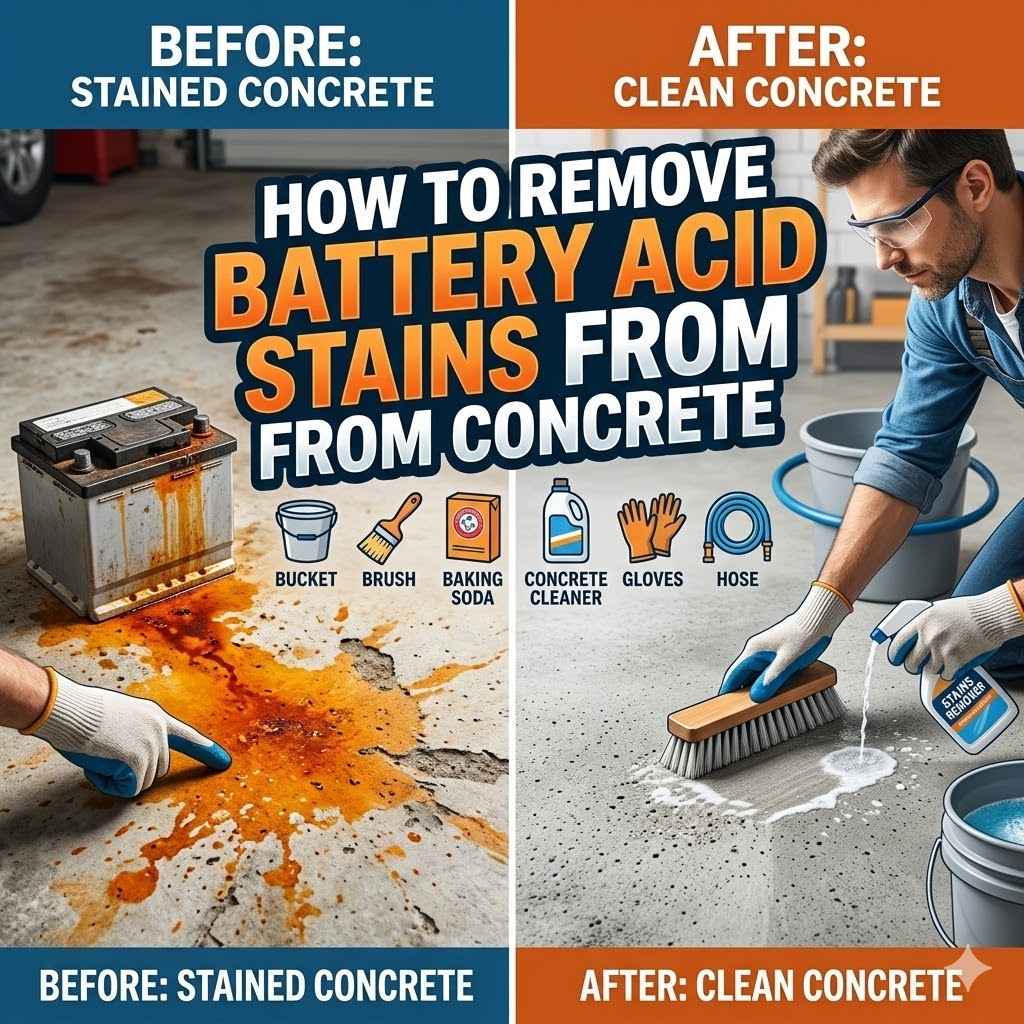
How To Remove Battery Acid Stains From Concrete
Accidents happen, and sometimes battery acid can spill onto your concrete driveway or garage floor. It’s a common problem that can look tough to fix, especially if you’re new to cleaning concrete. Don’t worry, though.
You can tackle these stubborn stains with simple steps. We’ll show you exactly how to get rid of that corrosive mess and make your concrete look good again.
Dealing With Battery Acid Spills On Concrete
Battery acid can be a real headache for homeowners. When it spills, it doesn’t just look bad; it can actually damage the concrete surface over time if left untreated. This section will walk you through the immediate steps you need to take the moment you discover a battery acid spill.
Acting fast is key to minimizing damage and making the cleaning process much easier. We will cover safety precautions and the initial cleanup of the spill itself before we get into stain removal techniques.
Safety First When Cleaning Battery Acid
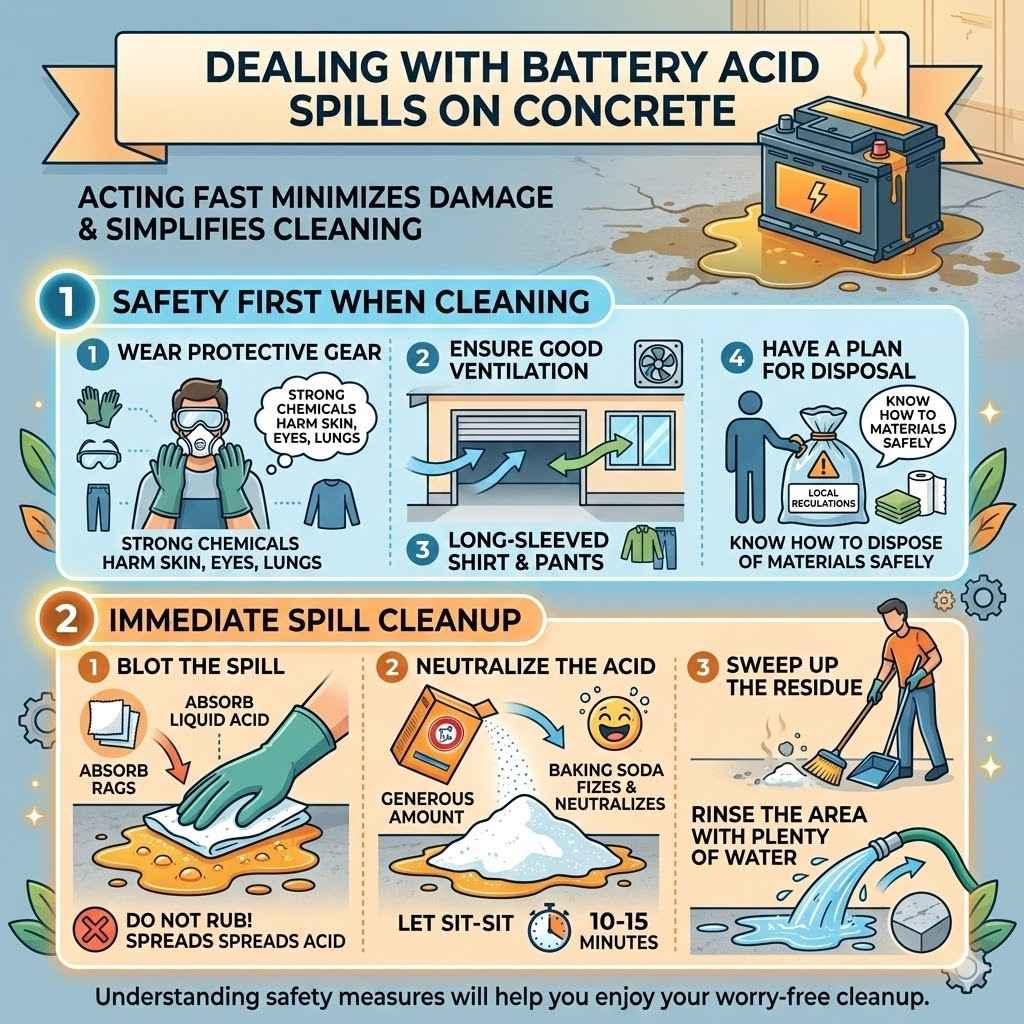
Before you even think about cleaning, safety is the most important thing. Battery acid is a strong chemical that can harm your skin, eyes, and lungs. You absolutely must protect yourself.
- Wear protective gear. This means thick rubber gloves and safety goggles or glasses to shield your eyes from any splashes. A long-sleeved shirt and pants are also a good idea to cover your skin.
- Ensure good ventilation. If the spill happened in a garage or enclosed space, open any doors or windows. You want fresh air to circulate freely to prevent inhaling fumes. Good airflow makes the cleaning process safer and more comfortable.
- Have a plan for disposal. Once you clean up the spill, you’ll have contaminated materials like rags or paper towels. You need to know how to dispose of them safely and responsibly according to local regulations.
Immediate Spill Cleanup
The first step after ensuring your safety is to absorb as much of the liquid acid as possible. The less acid that soaks into the concrete, the easier the stain will be to remove.
- Blot the spill. Use old rags or paper towels to carefully blot up the liquid acid. Do not rub it, as this can spread the acid and push it deeper into the concrete pores. Gently press down to soak up the moisture.
- Neutralize the acid. Baking soda is your best friend here. Sprinkle a generous amount of baking soda over the entire spill area. You’ll see it fizz as it reacts with the acid. This reaction neutralizes the acid, making it less harmful. Let it sit for about 10-15 minutes.
- Sweep up the residue. Once the fizzing stops, sweep up the baking soda and any absorbed acid. You can then rinse the area with plenty of water to wash away any remaining residue.
How To Remove Battery Acid Stains from Concrete
Now that the immediate spill is handled, it’s time to tackle the stain that has likely formed. Battery acid leaves behind a white, chalky residue and can etch the concrete, creating a dull spot. This section focuses on various methods to lift these unsightly marks.
We’ll explore different cleaning agents and techniques that are effective against battery acid damage, ensuring you can restore your concrete’s appearance.
Understanding Concrete and Acid Stains
Concrete is a porous material, meaning it has tiny holes and spaces within its structure. When battery acid spills, it seeps into these pores. The acid is corrosive and reacts with the calcium hydroxide in the concrete, creating calcium sulfate.
This reaction is what causes the white, powdery residue you often see and can etch or pit the surface. The longer the acid sits, the deeper it penetrates and the more damage it causes. Understanding this porosity is key to choosing the right cleaning method.
Using Baking Soda And Water Paste
Baking soda is a mild alkali that can help neutralize any remaining acid and lift stains. It’s a safe and effective first step for less severe stains.
- Create a paste. Mix baking soda with a small amount of water to form a thick paste, similar to toothpaste. This consistency helps it cling to the stain.
- Apply the paste. Spread the paste generously over the stained area. Make sure the entire stain is covered.
- Let it work. Allow the paste to sit on the stain for at least 30 minutes, or even a few hours for tougher stains. The baking soda will draw out the stain from the concrete.
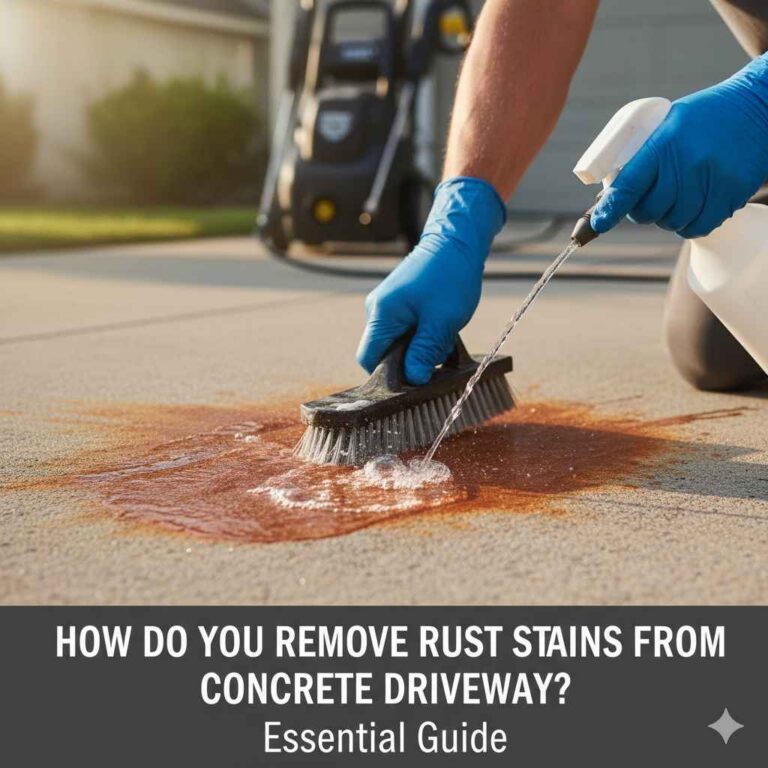
- Scrub and rinse. Use a stiff brush or broom to scrub the paste into the stain. Then, rinse the area thoroughly with water. You may need to repeat this process a few times for best results.
Vinegar As A Mild Acidic Cleaner
Vinegar is an acid itself, but a much milder one than battery acid. It can help break down the alkaline residue left by the battery acid and lift the stain.
Pour undiluted white vinegar directly onto the stain. Let it soak for about 10 to 20 minutes. You should see some reaction, though not as vigorous as with baking soda.
After letting it sit, scrub the area with a stiff brush. Then, rinse the concrete thoroughly with clean water. Be sure to rinse well to remove all traces of vinegar.
Household Ammonia Solution
Ammonia is another effective cleaner that can help break down grease and grime, which sometimes accompany battery acid spills. It also acts as a mild alkali.
- Mix the solution. Combine one cup of household ammonia with one gallon of water. Always work in a well-ventilated area when using ammonia.
- Apply and scrub. Pour the ammonia solution over the stained concrete and use a stiff brush to scrub the area.
- Rinse thoroughly. After scrubbing, rinse the concrete completely with clean water. It’s crucial to rinse away all the ammonia to avoid leaving any residue.
Commercial Concrete Cleaners
For stubborn stains, specialized concrete cleaners can be very effective. These products are formulated to tackle tough stains like oil, grease, and chemical spills.
Always choose a cleaner designed for concrete and specifically for acid stains or general chemical stains. Read the product label carefully.
Follow the manufacturer’s instructions precisely. This usually involves applying the cleaner, letting it dwell for a specific time, scrubbing, and then rinsing. Some may require dilution.
Pressure Washing For Tough Stains
Once you’ve applied and scrubbed with a cleaning solution, a pressure washer can be an excellent tool to finish the job. The high-pressure water can help lift stubborn residue and clean the pores of the concrete.
Use the appropriate nozzle for concrete cleaning. Start with a wider spray pattern and a moderate pressure setting. Test it in an inconspicuous area first.
Work in steady, overlapping passes across the stained area. Be careful not to hold the wand too close to the concrete, as excessive pressure can damage the surface.
Advanced Cleaning And Restoration Techniques
Sometimes, battery acid can leave behind more than just a surface stain. It can etch the concrete, leaving a rough or pitted texture. This section explores methods to deal with these deeper issues and restore the concrete’s surface to a smoother finish.
We’ll look at poultices, which draw out stains from deep within, and consider resealing the concrete to prevent future damage.
Poultice For Deep Stains
A poultice is a paste applied to a stain that draws it out of a porous material as it dries. It’s especially useful for stains that have penetrated deeply into the concrete.
- Choose your absorbent material. Common choices include diatomaceous earth, fuller’s earth, or even plain white paper towels.
- Mix with a cleaning agent. Combine the absorbent material with a cleaning liquid. For battery acid stains, a mild alkali like ammonia or a commercial concrete degreaser works well. You want a thick, peanut-butter-like consistency.
- Apply the poultice. Spread the paste over the stained area, extending slightly beyond the stain’s edges. The layer should be about 1/4 to 1/2 inch thick.
- Cover and let dry. Cover the poultice with plastic wrap and tape down the edges. This slows down drying and allows the cleaner to work longer. Let it dry completely, which can take 24 to 48 hours. As it dries, it pulls the stain out.
- Remove and rinse. Once dry, carefully scrape away the hardened poultice. Brush the area and rinse thoroughly with water. You might need to repeat this for very stubborn, deep stains.
Neutralizing Etched Concrete
When battery acid etches concrete, it creates a rough texture. While you can’t always reverse deep etching without resurfacing, you can help smooth the immediate area.
After cleaning and rinsing, you can apply a concrete etching solution or a mild acid solution (like diluted muriatic acid, used with extreme caution and proper safety gear) to very lightly etch the entire surface of the affected area. This can help create a more uniform texture.
This step is advanced and requires careful handling of chemicals. Always wear full protective gear, ensure extreme ventilation, and follow all safety warnings. After etching, you must neutralize the acid and rinse thoroughly.
Sealing Concrete After Cleaning
Once your concrete is clean and dry, especially after an acid spill, it’s a good idea to seal it. Sealing creates a protective barrier that prevents future stains from penetrating as deeply and makes cleaning easier.
Choose a high-quality concrete sealer appropriate for exterior or garage floors. There are various types, including water-based and solvent-based sealers, each offering different levels of protection and finish.
Ensure the concrete is completely dry before applying the sealer. Follow the product’s application instructions, which usually involve applying one or two thin coats with a roller or sprayer. Allow adequate drying and curing time before allowing traffic on the area.
Preventing Future Battery Acid Stains
Prevention is always better than cure. Understanding how to avoid battery acid spills in the first place can save you a lot of cleaning and potential damage to your concrete. This section will offer practical tips to minimize the risk of future accidents.
We’ll discuss proper battery storage and handling.
Proper Battery Storage
The best way to prevent spills is to store batteries correctly. If you have batteries that are not currently in use, especially car batteries or larger industrial batteries, they should be kept in a secure, stable location.
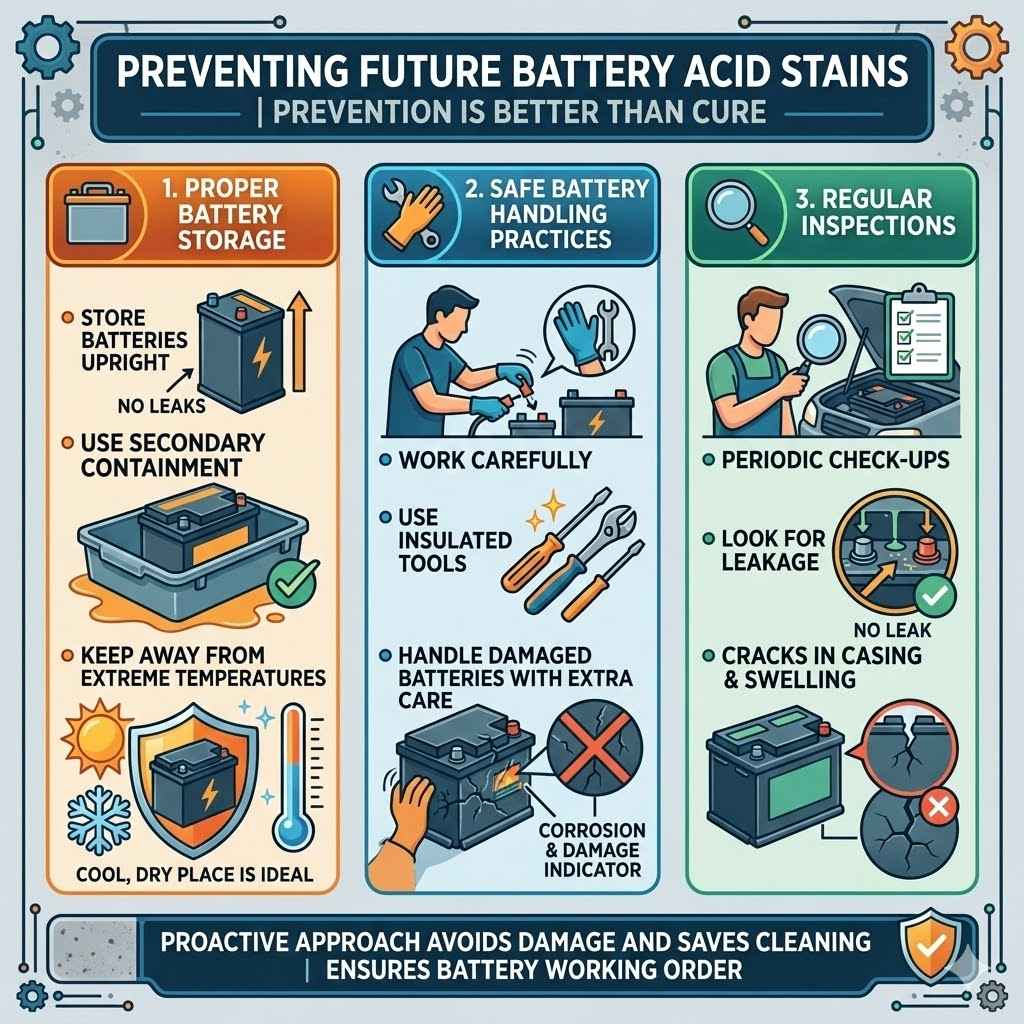
- Store batteries upright. Always store batteries in an upright position. This prevents any residual acid from leaking out of the vents or terminals.
- Use secondary containment. For larger batteries, consider placing them in a sturdy plastic tray or container. This tray acts as a secondary barrier, catching any leaks or spills.
- Keep them away from extreme temperatures. Batteries can degrade faster and become more prone to leaks when exposed to extreme heat or cold. A cool, dry place is ideal.
Safe Battery Handling Practices
When you are working with batteries, whether it’s in a vehicle or replacing one, taking extra precautions can prevent spills.
When disconnecting or connecting battery terminals, do so carefully. Avoid jarring the battery. Always use insulated tools to prevent accidental short circuits, which can cause sparks and potentially damage the battery casing.
If you notice any corrosion or damage on a battery, handle it with extra care or replace it. Damaged batteries are more likely to leak acid.
Regular Inspections
Making a habit of regularly checking your batteries can help you spot potential problems before they lead to a spill.
Periodically inspect your car battery, for instance. Look for any signs of leakage around the terminals, cracks in the battery case, or unusual swelling. If you see any of these issues, it’s best to address them promptly by cleaning the terminals or considering battery replacement.
This proactive approach not only helps prevent acid stains but also ensures your battery is in good working order.
Frequently Asked Questions
Question: What is the quickest way to remove a fresh battery acid stain?
Answer: For a fresh spill, quickly blot up as much liquid as possible with rags. Then, generously sprinkle baking soda over the area to neutralize the acid. Let it fizz, then sweep it up and rinse with water.
This immediate action is key.
Question: Can battery acid permanently damage concrete?
Answer: Yes, if left untreated for a long time, battery acid can etch and pit the concrete surface. The longer it soaks in, the more damage it causes. Prompt cleaning and neutralization help prevent permanent damage.
Question: Is it safe to use bleach to clean battery acid stains?
Answer: No, it is not recommended to use bleach. Bleach is a strong chemical and can react with acid in unpredictable and potentially dangerous ways. Stick to recommended neutralizers like baking soda or vinegar.
Question: How do I know if I’ve neutralized the battery acid completely?
Answer: The most common sign of neutralization is the cessation of fizzing when you apply baking soda or another alkaline substance to the spill. A pH test strip can also confirm if the area is no longer acidic.
Question: Should I be worried about fumes from cleaning battery acid?
Answer: Yes, battery acid can release fumes, especially when reacting. Always ensure good ventilation by opening doors and windows. Wear a mask if you are particularly sensitive or working in a confined space.
Summary
Removing battery acid stains from concrete involves quick action, neutralization, and effective cleaning. By following these steps, you can tackle spills and etched marks. Always prioritize safety and choose the right cleaning methods for the best results.