How to Remove Black Spots from Hardwood Floors
Dealing with black spots on your beautiful hardwood floors can be frustrating. Many homeowners find that figuring out How to Remove Black Spots from Hardwood Floors is a bit of a puzzle, especially when they first notice them. These marks can make even the most elegant room look unkempt.
But don’t worry! It’s often easier to fix than you might think. This guide will walk you through simple steps to get those spots gone and your floors looking their best again.
Understanding Black Spots on Hardwood Floors
Black spots on hardwood floors are a common concern for many homeowners. They can appear suddenly and detract from the natural beauty of your wood. Understanding what causes these spots is the first step in knowing how to deal with them effectively.
This section will explore the primary reasons for their appearance and what they signify about your floor’s condition. This knowledge helps you tackle the problem directly and prevent future occurrences.
Common Causes of Black Spots
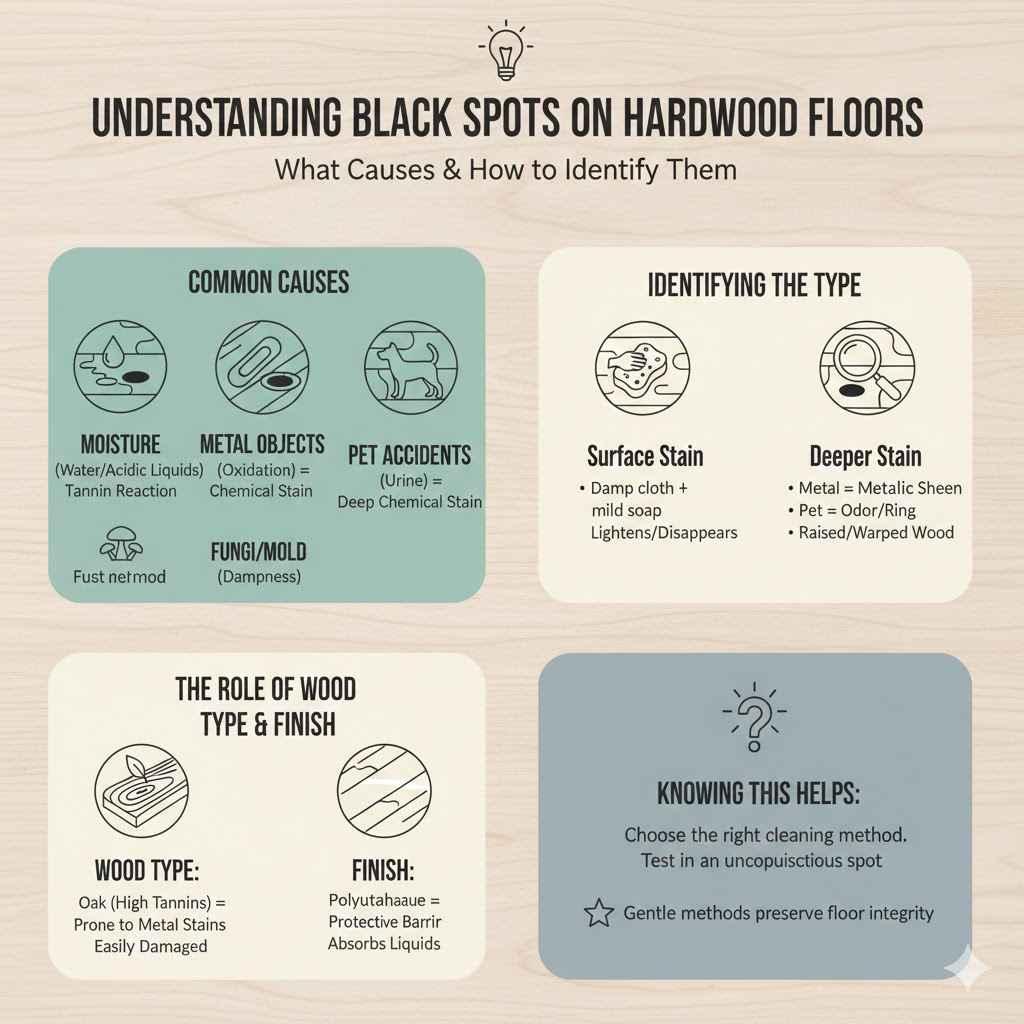
Several factors can lead to those unsightly black marks on your hardwood. One of the most frequent culprits is moisture. When water or other liquids seep into the wood and sit for too long, they can cause discoloration.
This is especially true if the liquid contains minerals or is acidic. The wood’s tannins react with these substances, leading to a dark stain that penetrates the surface.
Another common cause is metal objects left on the floor. Even small metal items like paperclips, furniture legs, or screws can react with the wood’s natural oils and finish. This reaction creates a chemical stain that appears black.
It’s a type of oxidation that can be stubborn to remove if left unattended.
Pet accidents are also notorious for causing black spots. Urine contains ammonia and other chemicals that can damage wood finishes and the wood itself. If not cleaned up immediately, these accidents can lead to deep, dark stains that are difficult to lift.
The longer the urine sits, the more it will penetrate and stain the wood.
Finally, certain types of fungi or mold can grow on wood, especially in damp environments. While less common indoors on finished floors, it can occur in areas with persistent high humidity or water damage. These can manifest as dark spots or patches.
Identifying the Type of Black Spot
It’s important to try and identify the type of black spot before you begin cleaning. Surface stains are usually easier to deal with than those that have penetrated deep into the wood. A quick test can help.
Gently try to clean the spot with a damp cloth and a mild soap. If it lightens or disappears, it was likely a surface stain from dirt or a mild spill.
If the spot remains, it might be a deeper stain. Metal-based stains often have a distinct metallic sheen if you look closely. Pet stains might have a slight odor or a visible ring around them.
Water stains can sometimes have a slightly raised or warped appearance to the wood around them. Knowing this helps you choose the right cleaning method.
The type of finish on your hardwood floor also matters. Some finishes are more durable and resistant to stains than others. Older, wax-based finishes are more porous and can absorb liquids more readily, leading to deeper stains.
Modern polyurethane finishes are generally more protective.
The Role of Wood Type and Finish
Different wood species have varying levels of natural oils and density, which can affect how they react to stains. For instance, woods high in tannins, like oak, are more prone to reacting with iron or other metals, causing dark stains. Softer woods might be more easily damaged by moisture or physical impact.
The type of finish applied to your hardwood floors plays a significant role in stain prevention and removal. A well-maintained polyurethane finish offers a strong protective barrier. However, if the finish is worn or damaged, the wood underneath is vulnerable.
Wax finishes, while offering a warm sheen, are less protective and can be easily penetrated by liquids.
Knowing your floor’s wood type and finish can guide your cleaning approach. For instance, aggressive cleaning methods might damage a delicate finish or a softer wood. Gentle methods are usually preferred to preserve the integrity of the floor.
Effective Methods for Removing Black Spots
Now that you understand why black spots appear, let’s explore the best ways to get rid of them. The key is to use the right technique for the type of stain and your floor’s finish. We will cover several methods, starting with the gentlest and progressing to more intensive solutions.
Always test any cleaning method on an inconspicuous area first to ensure it doesn’t damage your floor.
Gentle Cleaning for Surface Stains
For many minor black spots, a simple cleaning solution is all you need. This approach is safe for most hardwood finishes and is a good starting point. It tackles dirt buildup and light spills that might have begun to darken.
Mild Soap and Water Solution: Mix a few drops of mild dish soap with a bucket of warm water. Dip a soft cloth into the solution, wring it out thoroughly so it’s only damp, not wet. Gently wipe the black spot. Dry the area immediately with a clean, dry cloth. This is effective for recent, light marks.
Wood Floor Cleaner: Use a pH-neutral wood floor cleaner designed for your specific finish. Follow the product’s instructions carefully. Most require spraying a small amount onto a cloth and wiping the affected area, then buffing dry. Avoid cleaners with ammonia or vinegar, as they can damage the finish.
Baking Soda Paste: For slightly tougher surface stains, a paste of baking soda and water can work. Mix baking soda with just enough water to form a paste. Apply the paste to the spot and let it sit for 5-10 minutes. Gently rub with a soft cloth, then wipe clean with a damp cloth and dry immediately. Baking soda is a mild abrasive.
These gentle methods are ideal for everyday cleaning and for tackling the earliest stages of a spot. The goal is to lift the discoloration without stripping the floor’s protective layer. Always remember to use minimal moisture.
Excess water is the enemy of hardwood floors.
Tackling Deeper Stains with Household Items
When gentle cleaning doesn’t quite do the trick, you might need to use a slightly stronger approach. These methods often involve common household items that can help lift more stubborn stains. It’s still important to be cautious and test first.
Mineral Oil or Olive Oil: For oil-based or greasy black marks, mineral oil or olive oil can be effective. Apply a small amount of oil to a soft cloth. Gently rub the stain in a circular motion. The oil can help dissolve and lift the grime. Wipe away any excess oil and buff the area dry with a clean cloth.
Toothpaste (Non-Gel White Paste): White, non-gel toothpaste can act as a mild abrasive and cleaning agent. Apply a small dab of toothpaste directly to the black spot. Gently rub with a soft cloth or a soft-bristled toothbrush. Wipe clean with a damp cloth and dry thoroughly. Avoid colored toothpastes that could stain.
Rubbing Alcohol (Isopropyl Alcohol): For certain types of non-water-based stains or residues, rubbing alcohol can be useful. Lightly dampen a cotton ball or soft cloth with rubbing alcohol. Dab the stain gently. Do not rub aggressively, as alcohol can damage some finishes. Wipe the area with a damp cloth and dry immediately. Use sparingly and with caution.
These methods leverage the properties of common substances to break down or lift stains. They are a step up in intensity from basic soap and water. If these still don’t fully remove the spot, it might indicate a stain that has penetrated the wood more deeply.
Advanced Stain Removal Techniques
For really stubborn black spots, especially those caused by metal marks or deep-set pet stains, you might need to employ more specialized techniques. These methods can be very effective but require more care to avoid damaging the wood or its finish.
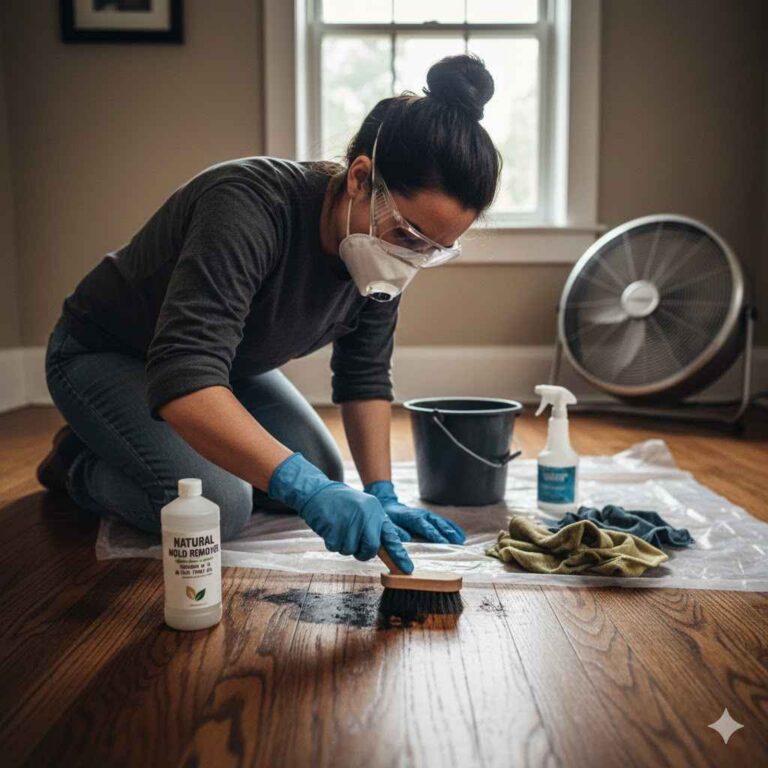
Oxalic Acid (Wood Bleach): Oxalic acid is a common wood bleach that is particularly effective at removing dark stains caused by iron, water, or certain tannins. It’s crucial to wear gloves and eye protection. Mix oxalic acid crystals with water according to the product instructions. Apply the solution to the stained area with a brush or cloth. Let it work for the recommended time, then neutralize it with a solution of baking soda and water. Rinse the area thoroughly with clean water and allow it to dry completely. This process will likely lighten the wood, and you may need to reapply the stain and finish to the treated area.
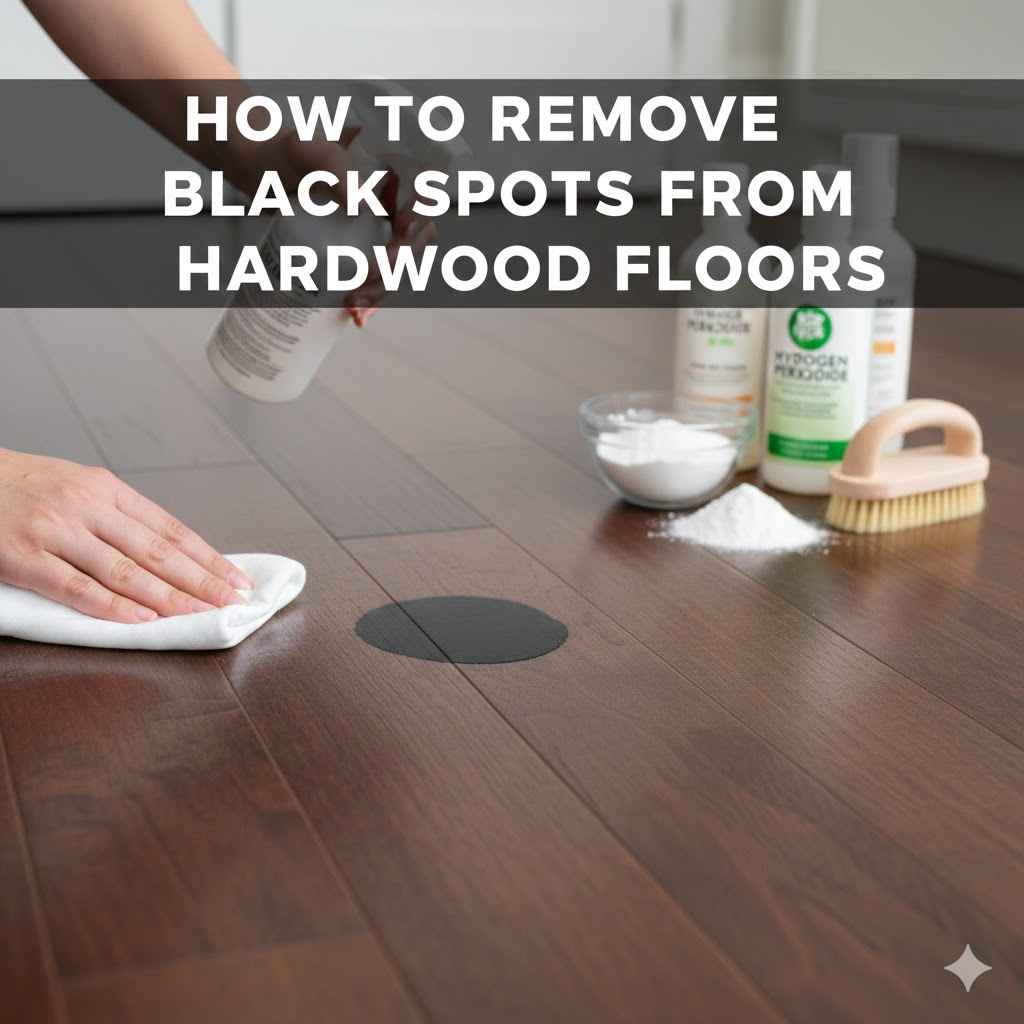
Hydrogen Peroxide for Lightening: For certain types of stains, a diluted solution of hydrogen peroxide can help lighten the wood. Mix hydrogen peroxide with a small amount of baking soda to create a paste. Apply this paste to the stain and let it sit for a short period (e.g., 30 minutes to an hour). Gently wipe away the paste and rinse the area with a damp cloth. Dry thoroughly. Like oxalic acid, this can lighten the wood, potentially requiring touch-up finishing.
Sanding and Refinishing: If the stain has penetrated deeply into the wood and cannot be lifted by other means, sanding and refinishing the affected area or the entire floor may be the only solution. This involves using sandpaper to remove the damaged wood layer. You’ll start with coarser grit sandpaper and move to finer grits to smooth the surface. After sanding, you’ll need to reapply stain to match the rest of your floor and then seal it with a protective finish. This is a more involved process that might be best left to professionals if you’re not experienced.
These advanced techniques can bring your floor back to its former glory. However, they also carry the highest risk of altering the appearance of your floor if not done correctly. Always proceed with caution and consider professional help for large or particularly difficult issues.
Preventing Future Black Spots
The best way to deal with black spots is to prevent them from happening in the first place. Implementing good habits and maintenance routines can save you a lot of trouble down the line. Prevention is always easier than removal.
Immediate Spill Cleanup: This is the golden rule. Wipe up spills immediately with a soft, absorbent cloth. Don’t let liquids sit on the floor, even for a few minutes. This is especially important for acidic liquids like juice or wine, and for pet accidents.
Use Floor Mats and Rugs: Place doormats at all entrances to trap dirt, sand, and moisture before they reach your hardwood floors. Use rugs in high-traffic areas and under furniture where spills are more likely. Ensure rubber-backed mats are not used on hardwood, as they can sometimes damage finishes.
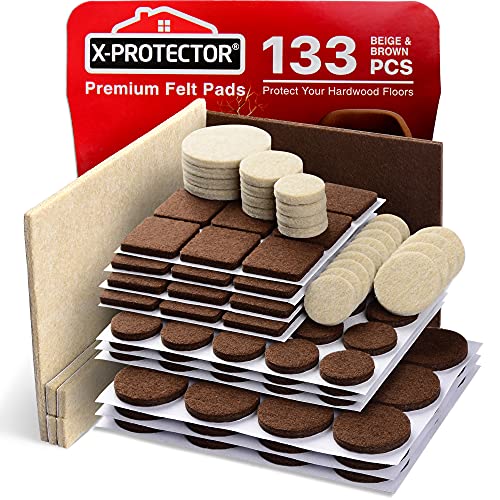
Furniture Protection: Use felt pads on the legs of all furniture, chairs, and tables. This prevents scratches and can stop metal legs from causing stains if something spills. Regularly check and replace worn-out pads.
Control Humidity Levels: Maintain consistent humidity levels in your home. High humidity can make wood more susceptible to moisture damage and mold growth. Use a dehumidifier in damp areas or during humid seasons.
Regular Cleaning and Maintenance: Sweep or vacuum your floors regularly to remove abrasive grit that can scratch the finish. When cleaning, use only recommended hardwood floor cleaners and a damp mop. Avoid steam mops, as the heat and moisture can damage wood.
A little bit of preventative care goes a long way in keeping your hardwood floors looking beautiful for years to come. These simple steps significantly reduce the chances of encountering those frustrating black spots.
Special Considerations for Different Floor Types
While the core principles of removing black spots remain similar, some specific considerations can apply depending on the type of hardwood floor you have. Whether it’s engineered wood, a specific finish, or an older floor, these details can make a difference in your approach.
Engineered Hardwood Floors
Engineered hardwood floors have a real wood veneer on top of layers of plywood or HDF. This construction makes them more stable but also means the top wood layer is thinner than solid hardwood. This is a crucial point when dealing with stains.
Surface Layer Thickness: The key difference with engineered wood is the thinness of the top veneer. Aggressive sanding, as might be used on solid hardwood, can go through this layer and reach the underlying material, causing irreversible damage. Therefore, methods involving deep sanding are generally not recommended for engineered wood.
Moisture Sensitivity: While more stable than solid wood, engineered hardwood can still be damaged by prolonged exposure to moisture. Stains that are water-based should be addressed quickly to prevent the veneer from swelling or delaminating.
Cleaning Products: Always use cleaners specifically designed for engineered hardwood or general hardwood floors. Avoid harsh chemicals or excessive water. A slightly damp mop and immediate drying are essential. For black spots, start with the gentlest methods. If a stain is deep, it might be best to consult a professional rather than risk damaging the veneer.
Think of engineered wood as having a protective, beautiful skin. You want to clean that skin without peeling it off or damaging what’s underneath. Careful and gentle cleaning is paramount.
Waxed vs. Finished Floors
The finish on your hardwood floor is critical. Floors with a surface finish like polyurethane are different from those with a penetrating wax finish or an oil finish.
Polyurethane or Urethane Finishes: These are the most common modern finishes. They create a durable barrier on top of the wood. Most mild to moderate black spots can be cleaned using the methods described earlier. If a stain penetrates the finish, you might need to spot-repair the finish after stain removal. Avoid abrasive cleaners that can scratch the polyurethane.
Wax Finishes: Waxed floors are more traditional and have a softer sheen. The wax itself acts as a protective layer, but it’s more porous and less resistant to liquid penetration than polyurethane. Stains can soak into the wax and the wood underneath more easily. For black spots on waxed floors, try to remove the wax in the affected area first using a wax stripper. Then, clean the wood. You will likely need to reapply wax to the area to restore protection and shine.
Oil Finishes: Oil finishes penetrate the wood, enhancing its natural grain and feel. They offer a more natural look and can be easier to spot-repair. For black spots on oiled floors, you might be able to use a product specifically for oiled wood floors. Sometimes, a light sanding and reapplication of the oil finish can resolve the issue. It’s vital to use products compatible with oil finishes.
The finish dictates the tools and treatments you can use. Using the wrong product could strip the finish, lift the wax, or ruin the oil. Always identify your floor’s finish before attempting any stain removal.
Older and Antique Hardwood Floors
Older floors often have a history and may be more delicate. They might have unique wood types, finishes, or construction methods that require extra care.
Wood Type and Age: Antique floors can be made from woods no longer commonly used or might have been subjected to different treatments over the years. The wood itself might be more brittle or prone to damage. It’s wise to research the potential wood type and age of your floor if possible.
Original Finishes: Many older floors retain their original finishes, which could be shellac, varnish, or early types of lacquer. These are often less durable than modern finishes and can be sensitive to solvents. Always test any cleaning solution in a hidden spot.
Professional Consultation: For valuable antique floors or deeply ingrained stains, consulting a professional floor restorer is highly recommended. They have specialized knowledge and products to deal with historical materials without causing damage. They can often identify the cause of the stain and its best removal method, preserving the floor’s historical integrity.
Treating older floors with respect and a gentle hand is key. Sometimes, minor imperfections are part of their charm and history. Focus on preservation over aggressive removal if the history is valuable.
Tools and Materials You’ll Need
Having the right tools and materials on hand makes the process of removing black spots much smoother. Having these items ready will allow you to act quickly when a spot appears or to tackle it when you have time.
Soft Cloths and Microfiber Towels: You’ll need plenty of soft, lint-free cloths for applying cleaners, wiping, and drying. Microfiber towels are excellent for absorbing moisture and polishing.
Soft Bristled Brushes or Toothbrushes: For gently scrubbing stains, a soft-bristled brush or an old toothbrush can be very effective without scratching.
Buckets: Have at least two buckets – one for your cleaning solution and one for rinse water. This prevents spreading dirt.
Mild Soap or pH-Neutral Wood Cleaner: Your primary cleaning agent. Choose a product specifically for hardwood floors.
Baking Soda: A versatile mild abrasive and cleaning booster.
Mineral Oil or Olive Oil: Useful for certain types of greasy stains.
White Non-Gel Toothpaste: Effective as a mild cleaning paste.
Rubbing Alcohol (Isopropyl Alcohol): For spot cleaning of certain residues. Use with caution.
Oxalic Acid Crystals and Water: For tougher, iron-based, or water stains (use with protective gear).
Hydrogen Peroxide and Baking Soda: For lightening certain stains.
Protective Gear: Gloves and eye protection are essential when using stronger chemicals like oxalic acid.
Sanding Supplies (if needed): Sandpaper in various grits and a sanding block or orbital sander if you plan to sand and refinish.
Wood Stain and Finish (if refinishing): To match your existing floor color and protect the wood after sanding.
Gathering these items beforehand ensures you’re prepared for most common black spot issues. It’s always better to have them and not need them than to need them and not have them.
Step-by-Step Guide to Removing Black Spots
Here is a comprehensive, step-by-step guide to help you remove black spots from your hardwood floors. Always remember to start with the gentlest method and work your way up if needed. Patience and caution are key.
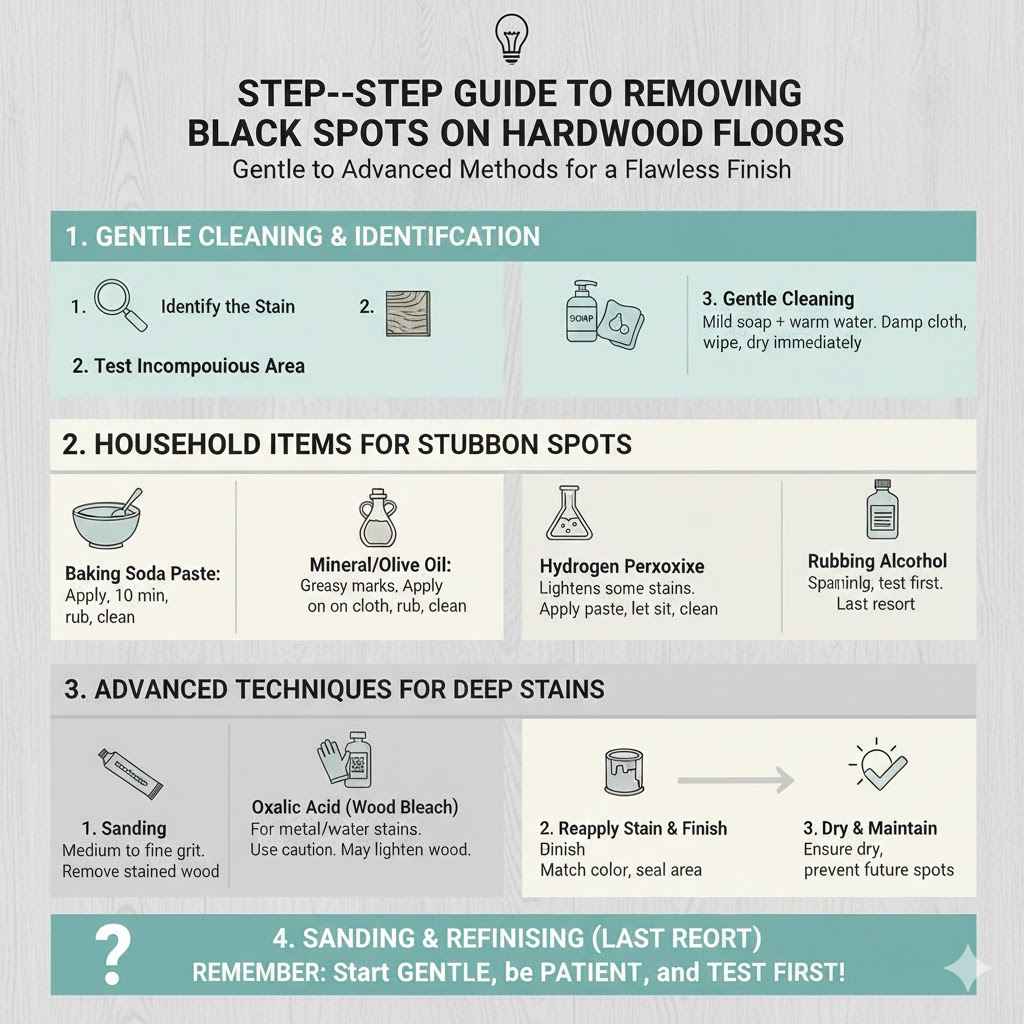
Identify the Stain: Look closely at the black spot. Does it appear to be dirt, a liquid spill, a metal mark, or something else? This will help you choose the best starting method.
Test an Inconspicuous Area: Before applying any cleaning solution to the visible stain, test it on a hidden spot of your floor (like in a closet or under a rug) to ensure it doesn’t damage the finish or color.
Start with Gentle Cleaning:
Mix a few drops of mild dish soap with warm water. Dampen a soft cloth (wring it out well).
Gently wipe the black spot.
Immediately dry the area with a clean, dry cloth.
If this doesn’t work, try a recommended hardwood floor cleaner.
Try Household Items for Stubborn Spots:
If gentle cleaning fails, try a paste of baking soda and water. Apply, let sit for 10 minutes, gently rub, and wipe clean.
For greasy marks, apply a small amount of mineral oil or olive oil to a cloth, rub gently, and wipe clean.
White, non-gel toothpaste can also be used as a mild abrasive. Apply, gently rub, and clean.
Use rubbing alcohol very sparingly with a dab on a cloth, only if other methods fail, and test it first.
Employ Advanced Techniques for Deep Stains:
If the spot persists, consider oxalic acid (wood bleach) for metal or water stains. Wear gloves and eye protection. Mix, apply, neutralize, rinse, and dry thoroughly. Be aware this may lighten the wood.
Diluted hydrogen peroxide can also lighten some stains. Make a paste, apply, let sit, and clean.
Address Deep Penetration with Sanding (if necessary):
If the stain is deep and cannot be removed by cleaning or bleaching, sanding the affected area may be required. This should be a last resort, especially for engineered wood.
Start with medium-grit sandpaper and work your way to finer grits until the stained wood is removed.
Clean the dust thoroughly.
Reapply wood stain to match your floor’s color.
Apply a protective top coat of finish to seal the area.
Dry Thoroughly: No matter the method, always ensure the area is completely dry afterward to prevent further moisture damage.
Inspect and Maintain: Once the spot is gone, monitor the area for a few days. Continue with regular floor maintenance to prevent future issues.
This systematic approach ensures you address the problem effectively while minimizing the risk of damaging your valuable hardwood floors.
Frequently Asked Questions
Question: Can I use bleach to remove black spots from hardwood floors
Answer: Generally, chlorine bleach is not recommended for hardwood floors as it can be too harsh and may damage the finish or discolor the wood. Oxalic acid or diluted hydrogen peroxide are safer alternatives for specific types of stains.
Question: How do I know if a black spot is too deep to remove
Answer: If a black spot does not lighten after trying several cleaning methods, or if the wood appears to be physically damaged or warped around the spot, it may be too deep to remove without sanding and refinishing.
Question: Are DIY methods safe for my hardwood floors
Answer: Most DIY methods using mild soap, baking soda, or oil are safe if done carefully and with minimal moisture. However, stronger chemicals or aggressive scrubbing can damage your floor. Always test in an inconspicuous area first.
Question: How can I prevent pet stains from causing black spots
Answer: Clean up pet accidents immediately using an enzymatic cleaner designed for pet stains. Avoid allowing pets to have accidents on the floor. Ensure your pet has regular vet check-ups to address any underlying health issues.
Question: Should I call a professional for black spots
Answer: If you are unsure about the cause of the stain, hesitant about using certain cleaning products, or have valuable or antique hardwood floors, it’s always a good idea to consult a professional floor cleaning or restoration service.
Summary
You’ve learned How to Remove Black Spots from Hardwood Floors by identifying causes and applying the right methods. From gentle cleaning with soap and water to advanced techniques like oxalic acid and even sanding, you have a clear plan. Remember to protect your floors with mats and quick spill cleanups.
Your beautiful hardwood can look its best again.