How To Remove Citristrip: Effective Techniques Explained
Effective removal of Citristrip, a widely used paint and varnish stripper, can be pivotal in restoration and renovation projects. This biodegradable formulation harnesses the power of citrus terpenes for a more natural approach to paint stripping, offering an eco-friendly alternative to traditional solvents. However, its effective application and subsequent remediation require a detailed understanding of chemical interactions and surface preparation techniques. Additionally, safety precautions and proper disposal methods are crucial to ensure a seamless process.
For those tackling stubborn layers of paint and finish, mastering the intricacies of how to remove Citristrip could be the key to a successful outcome.
How To Remove Citristrip: A Step-By-Step Guide
Before delving into the specifics, it’s essential to understand the process of how to remove Citristrip effectively. This powerful paint and varnish remover can be a go-to solution for DIY enthusiasts, but its application must be approached with care. Key techniques, safety precautions, and recommended tools will be outlined, ensuring a smooth and efficient removal process. Whether tackling furniture or other surfaces, mastering these steps will help achieve the desired results with minimal hassle.
Understanding Citristrip
What is Citristrip?. Common uses and applications of Citristrip. Potential hazards and safety precautions.
Citristrip is a popular paint and varnish remover. It uses natural ingredients, mainly citrus terpenes, to break down tough finishes. People often use it for:
- Removing old paint from wood furniture.
- Stripping varnish off cabinets.
- Cleaning surfaces before refinishing.
However, it can be dangerous. Vapors may irritate your eyes and skin.
Always wear gloves and work in a well-ventilated area. Following safety precautions helps avoid accidents while using Citristrip.
Preparing for Citristrip Removal
Essential tools and materials needed. Workspace setup and safety measures. Testing a small area before full application.
First, gather your essential tools for the task. You’ll need gloves, safety goggles, a paintbrush, and some old rags. Don’t forget a drop cloth; you don’t want to turn your floor into a slip ‘n slide!
Next, set up your workspace. Choose a well-ventilated area, because fresh air is your best friend. Make sure to clear the area of anything that could get splattered. It’s important to keep your space tidy unless you want to create a masterpiece in chaos.
Always test a small area before diving in. A little spot can tell you if it’s smooth sailing or a bumpy ride! This way, you can avoid a disaster that turns your project into a comedy show.
| Tools & Materials | Safety Measures |
|---|---|
| Gloves | Ventilate the area |
| Safety goggles | Wear protective clothing |
| Paintbrush | Keep a first-aid kit handy |
| Old rags | Test in a small area |
Step-by-Step Guide to Removing Citristrip
How to apply Citristrip correctly. Recommended waiting times for optimal results. Techniques for scraping off Citristrip effectively.
To apply Citristrip correctly, follow these steps:
- Wear gloves for safety.
- Use a brush to spread a thick layer evenly on the surface.
- Allow it to sit for the recommended time, usually 30 minutes to 24 hours, depending on the paint thickness.
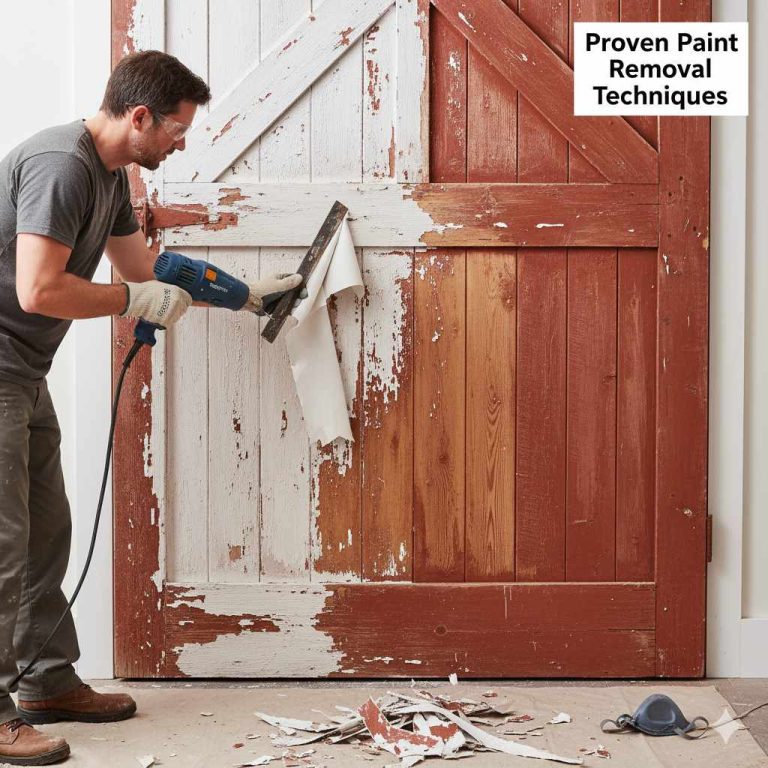
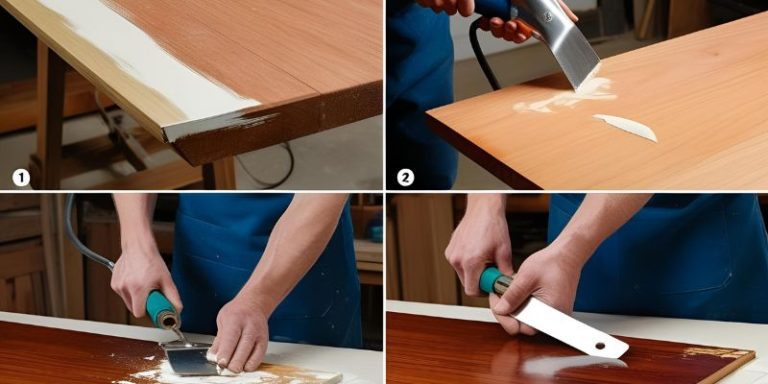
After waiting, use a scraping tool at a 45-degree angle. Apply gentle pressure to lift off the softened paint. For stubborn spots, reapply Citristrip and wait longer.
Alternative Methods for Citristrip Removal
Comparing Citristrip with other paint and varnish removers. Pros and cons of using heat guns or sanding. Ecofriendly alternatives to Citristrip.
When you’re thinking about getting rid of tough paint, Citristrip isn’t your only option. Other removers pack a punch but might stink up the place. Let’s compare:
| Method | Pros | Cons |
|---|---|---|
| Heat Guns | Quick and effective | Can burn surfaces |
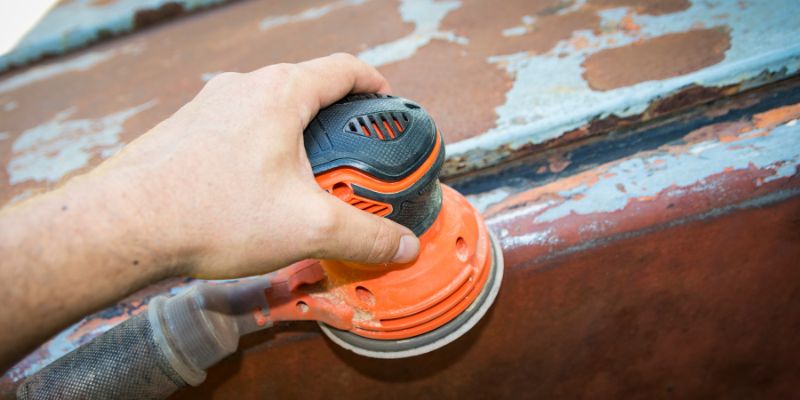
| Sanding | Good for small areas | Time-consuming and messy |
| Ecofriendly Options | Safe for the environment | May take longer |
Heat guns can melt paint faster than you can say “uh-oh,” but don’t set your chair on fire! Sanding can feel like a workout, while eco-friendly methods are good for Mother Earth, albeit a bit slow.
Choose wisely or face the wrath of your furniture!
Handling Residue and Cleanup
Best practices for cleaning residual Citristrip. Proper disposal of Citristrip and its container. How to maintain tools after use.
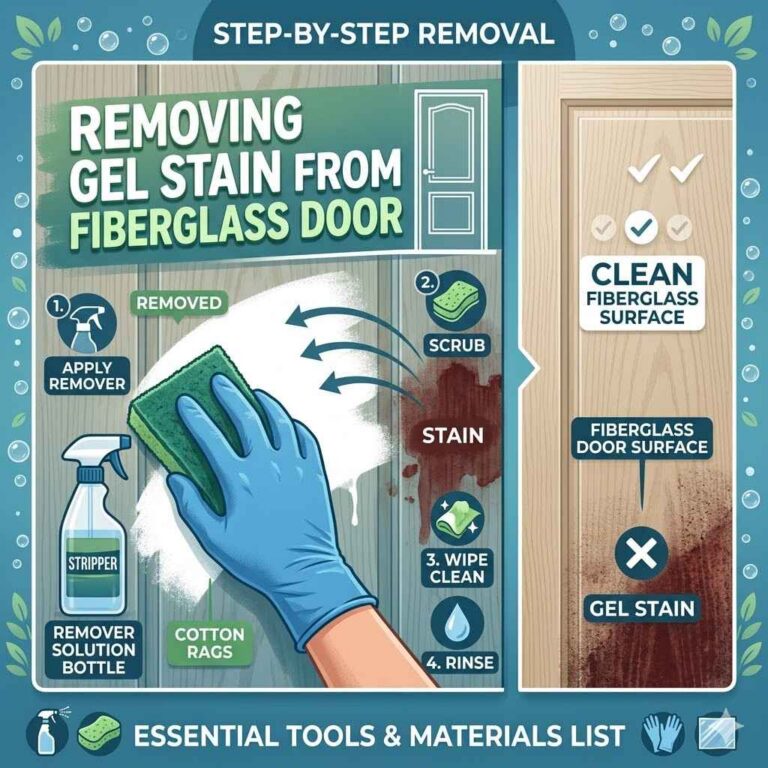
After using Citristrip, cleaning up is crucial. First, tackle any leftover residue. Use a damp cloth to wipe down surfaces and your tools.
A little elbow grease never hurt anyone, right? You can also soak stubborn spots in warm, soapy water!
Next, dispose of Citristrip properly. Check local guidelines for hazardous waste.
Don’t toss it in the regular trash, or you might end up in a pickle!
Finally, maintaining your tools is key. Rinse them with water and scrub off any residue.
Store them in a dry place. If tools could talk, they’d say, “Thank you!”
| Task | Best Practice |
|---|---|
| Cleaning Residue | Use damp cloths and warm soapy water. |
| Disposal | Follow local hazardous waste guidelines. |
| Tool Maintenance | Rinse and dry, store safely. |
Dealing with Common Problems
Troubleshooting issues during the removal process. Skin contact and environmental considerations. Tips for restoring surfaces after Citristrip application.
Removing Citristrip can sometimes feel like a tricky game of hide and seek. Some common issues can pop up, like if the product doesn’t work as expected. This might be because it’s too cold or the surface isn’t clean. Avoiding skin contact is key—wear gloves or you might end up looking like a zebra!
For the planet’s sake, always work in a well-ventilated area. Once you’re done, restoring surfaces is a breeze. A little sanding and a coat of finish can bring that wood back to life like a superhero!
| Common Problems | Solutions |
|---|---|
| Product Doesn’t Work | Check temperature & clean surface. |
| Skin Contact | Always wear gloves! |
| Environmental Concerns | Work in ventilated areas. |
| Restoring Surfaces | Sand and apply finish. |
Conclusion
In conclusion, effectively removing Citristrip requires careful preparation and the right techniques. By following the steps outlined—applying the stripper, allowing adequate dwell time, and using appropriate tools—users can achieve optimal results. Always prioritize safety and ensure proper ventilation during the process. With patience and attention to detail, you can successfully eliminate Citristrip and restore your surfaces to their original condition.
FAQs
What Are The Best Methods For Removing Citristrip From Wood Surfaces?
The best methods for removing Citristrip from wood surfaces include using a plastic scraper to gently lift the residue without damaging the wood. After scraping, you can apply mineral spirits or denatured alcohol to a clean cloth to wipe away any remaining Citristrip. It’s also effective to use a soft-bristle brush to scrub stubborn spots. Always ensure proper ventilation and wear protective gear while working with these chemicals.
How Can I Safely Dispose Of Citristrip After Using It?
To safely dispose of Citristrip, first check your local regulations regarding hazardous waste disposal, as it contains chemicals that may be considered hazardous. If it’s allowed, seal the used product in its original container and take it to a designated hazardous waste collection site. Alternatively, if the product is still usable, consider sealing it for future use or giving it to someone who can use it. Avoid pouring it down the drain or throwing it in the regular trash to prevent environmental contamination.
What Precautions Should I Take While Using Citristrip For Paint Removal?
When using Citristrip for paint removal, ensure you work in a well-ventilated area to avoid inhaling fumes. Wear gloves and safety goggles to protect your skin and eyes from potential irritation. It’s also important to cover surfaces and floors to prevent mess and dispose of any waste materials properly. Lastly, always follow the manufacturer’s instructions for safe and effective use.
Are There Any Alternative Products To Citristrip For Removing Paint Or Finish?
Yes, there are several alternative products to Citristrip for removing paint or finish. Some popular options include Klean-Strip, especially their Paint Stripper and Premium Stripper formulations, as well as Smart Strip, which is known for its eco-friendly properties. Additionally, common household options like vinegar or baking soda can be effective for lighter tasks. Always ensure to read labels and use appropriate safety precautions when using any paint removal products.
What Steps Should I Follow To Clean Up Citristrip Spills Effectively?
To clean up Citristrip spills effectively, first, ensure you are wearing protective gloves and goggles. Use absorbent materials like paper towels or rags to blot up as much of the spill as possible, avoiding spreading it further. Clean the affected area with warm soapy water to remove any remaining residue, and dispose of the used materials according to local hazardous waste guidelines. Finally, ventilate the area well to help dissipate any lingering fumes.