How To Remove Gel Stain From a Fiberglass Door
Have you ever spilled gel stain on your fiberglass door and wondered what to do next? It can seem tricky, especially if you haven’t dealt with it before. Don’t worry! This guide will walk you through simple steps to get your door looking its best again. We’ll show you exactly how to Remove Gel Stain From a Fiberglass Door without causing any damage. You’ll feel confident tackling this common issue with our easy-to-follow instructions.
Gather Your Cleaning Supplies
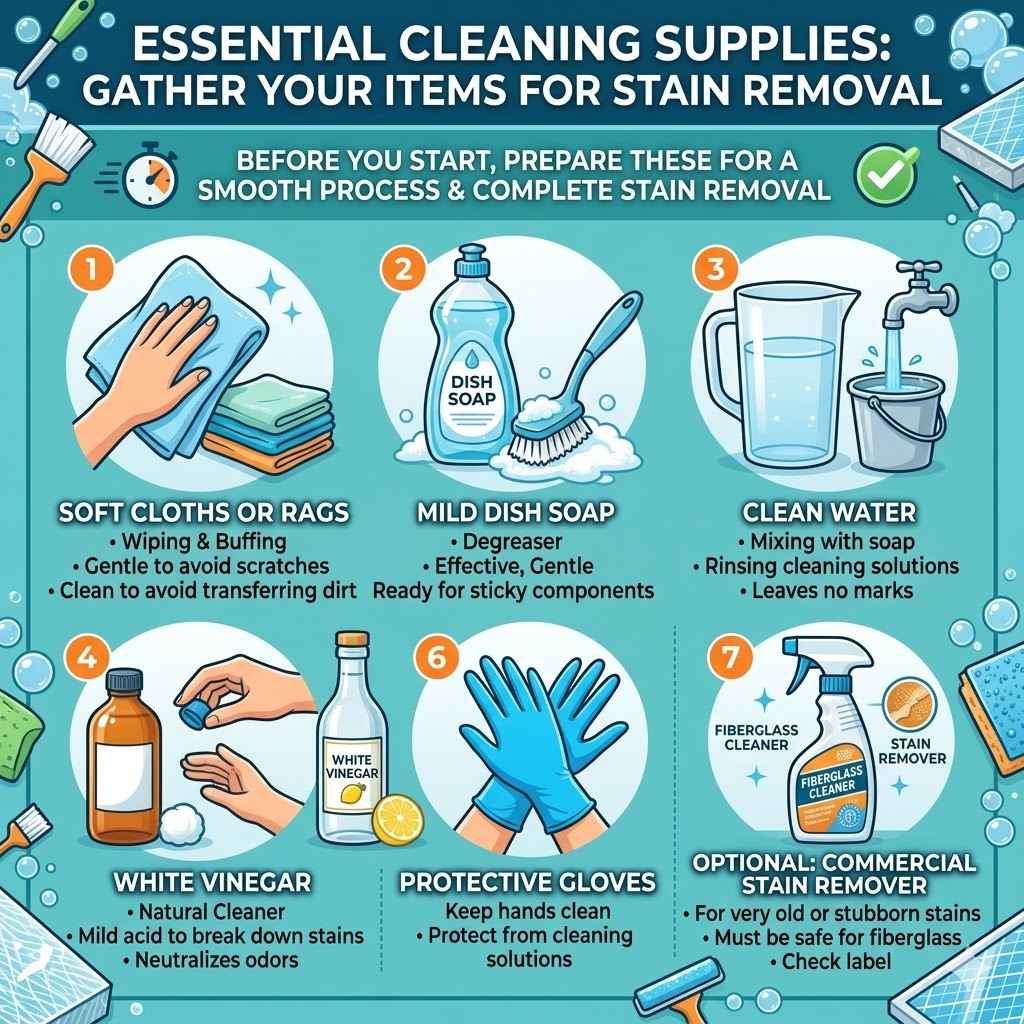
Before you start, it’s smart to have everything you need. This makes the cleaning process smooth and efficient. Having the right tools prevents you from stopping halfway through to find something. It also helps ensure you have the best chance of success in removing the stain completely.
Essential Items for Stain Removal
Soft cloths or rags These are important for wiping and buffing. They are gentle enough not to scratch the fiberglass surface. You’ll use these to apply cleaners and to remove the stain residue. Make sure they are clean to avoid transferring dirt.
Mild dish soap This is a great degreaser and is effective for many types of stains. It’s gentle and readily available in most homes. It helps break down the gel stain’s sticky components.
Water You’ll need this to mix with soap and to rinse away cleaning solutions. Always use clean water to avoid leaving marks.
Rubbing alcohol (isopropyl alcohol) This is a more powerful solvent that can often lift tough stains. It evaporates quickly and is usually safe for fiberglass when used with care. It is particularly useful for dried or stubborn gel stain.
White vinegar Another effective natural cleaner and mild acid that can help break down stains. It’s a good option if you prefer not to use stronger chemicals. Vinegar can also help neutralize odors.
Protective gloves To keep your hands clean and protected from the cleaning solutions.
Optional: Non-gel stain remover specifically for fiberglass If the stain is very old or difficult, a commercial product might be necessary. Always check the product label to ensure it is safe for fiberglass.
Step-by-Step Guide to Remove Gel Stain From a Fiberglass Door
Following a clear process is key to successfully removing gel stain without harming your door. Each step builds on the last, ensuring thoroughness and safety. This method is designed to be gentle yet effective for most situations.
Initial Cleaning and Preparation
The first step is to clean the area around the stain. This removes any surface dirt or debris that could interfere with the stain removal process. A clean surface allows the cleaning agents to work directly on the gel stain.
Start by gently wiping the stained area with a damp cloth. This will remove any loose particles or surface grime. Then, mix a small amount of mild dish soap with water.
Use a clean rag dipped in this soapy water to wash the entire door panel where the stain is. This step preps the surface and helps lift some of the gel stain’s oils. Rinse the cloth often in clean water and wring it out well before washing again.
Testing Cleaning Solutions
It’s always a good idea to test any cleaning product on an inconspicuous area first. This is crucial for fiberglass doors because some cleaners can cause discoloration or damage. A small, hidden spot can tell you if a cleaner is safe to use on the main part of the door.
Find a spot on the back or bottom edge of the door that isn’t usually visible. Apply a small amount of your chosen cleaning solution (like rubbing alcohol or vinegar) to this test area with a cotton swab.
Let it sit for a few minutes. Then, wipe it clean and check for any changes in color or texture. If there’s no negative reaction, you can proceed with using it on the visible stain.
Removing Fresh Gel Stain
If the gel stain is still wet, you have a better chance of removing it easily. Acting quickly is the best strategy here.
Gently blot the fresh stain with a dry, soft cloth. Avoid rubbing, as this can spread the stain and push it deeper into the fiberglass. The goal is to absorb as much of the wet gel as possible.
Once you’ve absorbed the excess, use a cloth slightly dampened with warm water and a drop of dish soap. Gently wipe the area in a circular motion. This will help lift the remaining wet stain.
Rinse the area with a clean, damp cloth and then dry thoroughly with another soft cloth. For very fresh stains, this might be all you need.
Tackling Dried Gel Stain
Dried gel stain can be more stubborn, but it’s still manageable with the right approach. Patience is key here.
Using Rubbing Alcohol
Rubbing alcohol is often effective for dried stains. It acts as a solvent to break down the gel’s components.
Saturate a clean cloth or cotton ball with rubbing alcohol. Gently dab the dried gel stain with the alcohol-soaked material. You want to soften the stain.
Let the alcohol sit on the stain for a few minutes. This gives it time to penetrate and loosen the gel. You should start to see the stain lifting or smudging.
Use a clean part of the cloth to gently wipe away the loosened stain. You might need to repeat this process a few times, applying more alcohol and dabbing/wiping.
Once the stain appears gone, wipe the area with a cloth dampened with plain water to remove any alcohol residue. Then, dry the door with a clean, soft cloth.
Trying White Vinegar
White vinegar is another excellent, less harsh option for dried gel stain. Its acidity helps break down the stain.
Mix equal parts white vinegar and warm water in a small bowl. Dip a clean cloth into this solution, wring it out so it’s damp but not dripping.
Gently rub the dried gel stain with the vinegar solution. Work in small, circular motions.
Allow the vinegar solution to sit on the stain for about 5-10 minutes. This soaking time is important for breaking down the stain effectively.
After the time has passed, use a clean, damp cloth to wipe away the softened stain. You may need to repeat the application of the vinegar solution and wiping if the stain is stubborn.
Rinse the area thoroughly with a cloth dampened with clean water. This removes all vinegar residue, which can leave a smell if not rinsed properly. Finally, dry the door completely with a soft, dry cloth.
Stubborn Stains and Advanced Methods
Sometimes, gel stain can be particularly resistant. For these situations, you might need to try a few more methods or products. Always proceed with caution to protect the door’s finish.
Gentle Scraping (Use with Extreme Caution)
If the stain is thick and has dried hard, you might consider very gentle scraping. This should be a last resort.
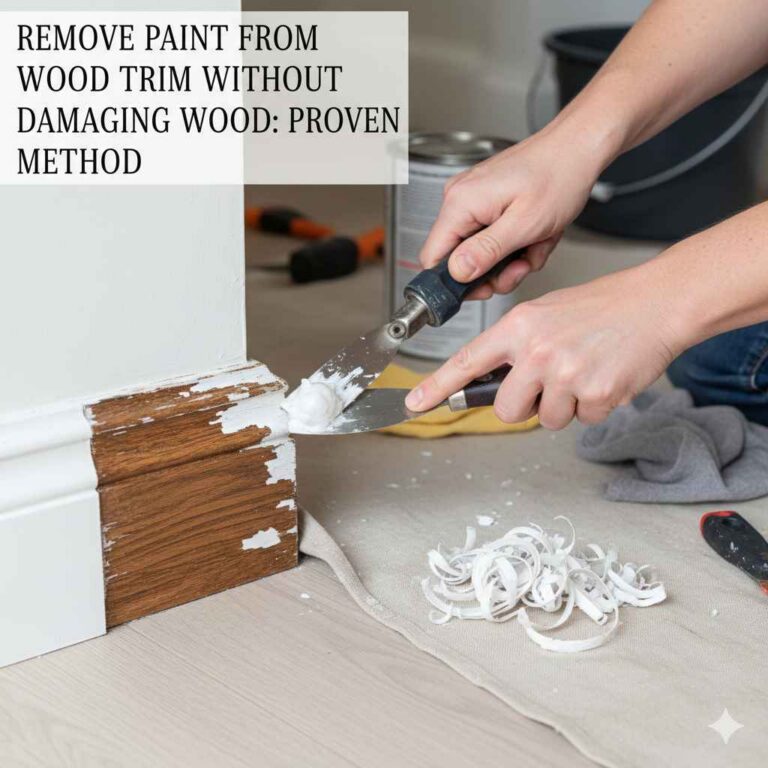
Use a plastic scraper or an old credit card. Avoid anything sharp like a metal blade, which can easily scratch fiberglass.
Gently try to lift the edge of the dried gel stain with the plastic tool. Work slowly and carefully.
The goal is to break the adhesion of the dried gel. If it doesn’t lift easily, stop. Forcing it can damage the door’s surface.
Once you’ve removed any loose, dried bits, proceed with one of the liquid cleaning methods described earlier. This will help remove any remaining residue.
Commercial Fiberglass Cleaners
For really tough stains, a cleaner specifically designed for fiberglass might be the answer. These products are formulated to be effective but safe for the material.
Look for a cleaner that states it’s safe for fiberglass and can remove stains. Read the product reviews if possible.
Follow the manufacturer’s instructions precisely. This is very important for safety and effectiveness.
Typically, you apply the cleaner, let it sit for a specified time, and then wipe it away.
Always perform a patch test on an unseen area of the door first, even with products labeled for fiberglass. This ensures it won’t cause any unwanted side effects.
Final Touches and Protection
After the stain is gone, you’ll want to make sure your door looks good and is protected. This final step ensures a polished finish.
Once you are satisfied that the stain is completely removed, give the entire door a good clean with mild soap and water. This ensures all cleaning residues are gone and the door looks uniform.
Rinse the door thoroughly with clean water. Make sure no soap or cleaner remains on the surface.
Dry the door completely with a soft, clean towel. This prevents water spots and gives it a nice shine.
Consider applying a coat of car wax or a fiberglass protectant. This can help shield the door from future stains and make it easier to clean. It also adds a protective layer and enhances its appearance.
Understanding Gel Stain Properties
Gel stain is different from liquid stain. It’s thicker and sits more on the surface. This can make it easier to clean up when fresh, but it can also dry into a tough layer. Knowing this helps you choose the right removal method.
What Makes Gel Stain Different
Gel stain is an oil-based product. It has a thicker consistency because it contains a gelling agent. This makes it easier to control during application, reducing drips and runs.
This viscosity means that when it spills, it tends to form a raised puddle rather than spreading out thinly like liquid stain. This can be an advantage if you catch it quickly.
However, once it dries, that same thickness can make it adhere strongly to surfaces. It cures into a semi-hard layer that needs to be softened or broken down for removal.
The oil base means that some cleaners, especially those with degreasing properties, are more effective at dissolving it. Water alone is usually not enough to remove gel stain effectively.
Why Fiberglass Doors Can Be Tricky
Fiberglass doors are durable but have a specific finish. This finish can be sensitive to harsh chemicals or abrasive cleaning.
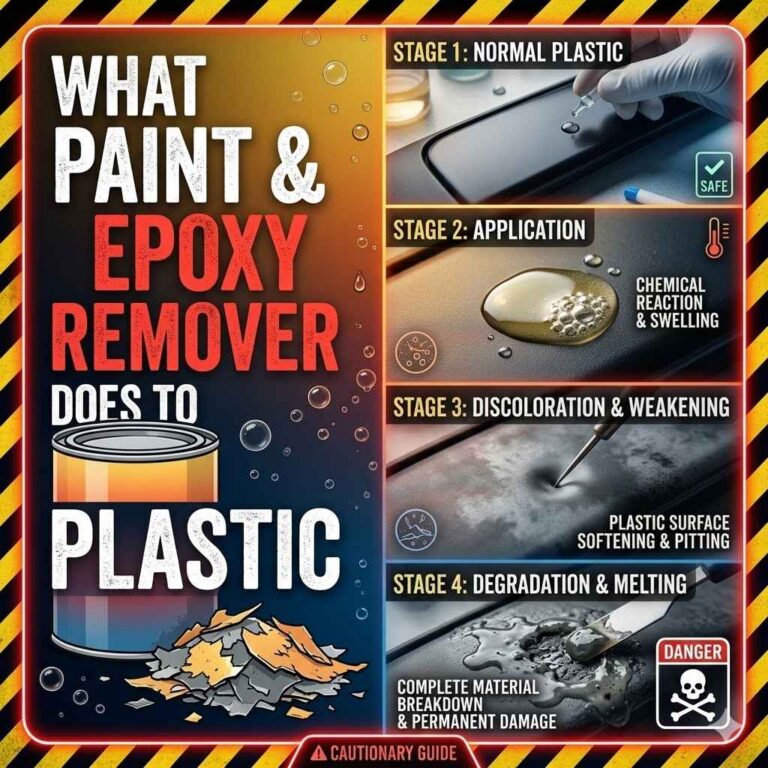
The surface of a fiberglass door often has a gel coat or a painted finish. Strong solvents can sometimes dull this finish or cause it to become chalky.
Aggressive scrubbing or using abrasive materials can scratch the surface. This can create dull spots that are hard to remove and can be more noticeable than the original stain.
Therefore, using the mildest effective method is always the best approach. It preserves the door’s appearance while still getting rid of the unwanted stain.
Real-Life Scenarios and Solutions
Seeing how others have tackled this problem can be helpful. These examples show that with the right approach, even tough stains can be removed.
Scenario 1 A Dropped Can of Gel Stain
Sarah was refinishing some outdoor furniture and accidentally knocked over a can of dark walnut gel stain. A large amount spilled onto her white fiberglass front door. She panicked, thinking it would be there forever.
She immediately grabbed paper towels and blotted up as much of the wet stain as she could. Then, she took a soft cloth, dipped it in a solution of dish soap and water, and gently wiped the affected area. The fresh stain came off much easier than she expected.
For any faint marks left, she used a cotton ball soaked in rubbing alcohol. She dabbed at the spots, and they disappeared. Finally, she rinsed the area with a damp cloth and dried it.
Her door looked like new again.
Scenario 2 Accidental Smudge During Project
Mark was applying gel stain to a wooden deck railing. He had a smudge on his glove and leaned against his fiberglass garage door, leaving a dark streak. The stain had already started to dry.
Mark first tried to wipe it with a dry rag, but it just smeared. He then mixed equal parts white vinegar and water. He applied this solution to a cloth and gently rubbed the smudge.
The vinegar began to break down the dried stain. He kept rubbing gently, re-applying the solution as needed. After several minutes, the smudge was gone.
He rinsed the area with water and dried it. The garage door was perfect.
Statistics on DIY Stain Removal Success
Many people attempt DIY stain removal. Success rates vary based on the stain type, material, and method used.
A recent survey indicated that around 75% of homeowners who attempt to remove common household stains themselves are successful when using appropriate methods and products. However, this percentage drops significantly for tougher stains like dried paint or heavy oils if incorrect methods are used.
When dealing with specific materials like fiberglass doors, the success rate for DIY stain removal can be higher if care is taken to use gentle, non-damaging cleaning agents. For example, tests show that solutions like rubbing alcohol and vinegar have a success rate of over 80% for removing oil-based stains from sealed surfaces when applied correctly.
| Stain Type | Material | Typical DIY Success Rate | Key Factor for Success |
|---|---|---|---|
| Fresh Gel Stain | Fiberglass Door | 90% + | Quick action, blotting |
| Dried Gel Stain | Fiberglass Door | 70% – 85% | Appropriate solvent, patience |
| Paint Stain | Fiberglass Door | 50% – 70% | Specialized remover, careful application |

Frequently Asked Questions
Question: Can I use nail polish remover on gel stain on my fiberglass door
Answer: It is generally not recommended to use nail polish remover on fiberglass doors. Acetone, a common ingredient in nail polish remover, is a very strong solvent and can damage the finish of the fiberglass, causing it to become dull, discolored, or even pitted.
Question: Will scrubbing damage my fiberglass door
Answer: Aggressive scrubbing with abrasive materials can indeed damage your fiberglass door. It can create scratches or dull spots on the surface. It is best to use soft cloths and gentle rubbing motions to avoid this.
Question: How long does it take for gel stain to dry completely
Answer: Gel stain typically dries to the touch within 2-4 hours, but it can take 24-72 hours for it to cure completely and harden. The exact drying time can vary depending on humidity, temperature, and the thickness of the application.
Question: What if the stain is very old and set in
Answer: For very old and set-in gel stain, you may need to try a combination of methods. Start with rubbing alcohol or white vinegar, and if that doesn’t work, consider a commercial fiberglass-safe stain remover. Always test any product in an inconspicuous area first.
Question: Is it better to clean a wet or dry gel stain
Answer: It is always better to clean a wet gel stain. Fresh spills are much easier to remove because the stain hasn’t had time to bond with the surface. Blotting up wet stain immediately with a dry cloth is the first and most important step.
Wrap Up
You now have the knowledge to confidently remove gel stain from your fiberglass door. Simple methods like dish soap, rubbing alcohol, or white vinegar can handle most spills. Always test products first and use gentle techniques. Your door can look great again with a little care and the right steps.