How to Remove Stains from Dry Clean Only Clothes
It can be tricky when your favorite shirt or dress says “Dry Clean Only” and then, oh no, a stain appears. Many people worry about ruining these special garments, which is totally understandable! The good news is, you don’t always have to rush to the dry cleaner.
We’ll walk you through simple ways to tackle those tough spots. You’ll learn How to Remove Stains from Dry Clean Only Clothes without causing damage. Let’s get those delicate fabrics looking great again!
Caring for Dry Clean Only Fabrics
Understanding the care label on your “dry clean only” items is the first step to keeping them in good shape. These labels are there for a reason, pointing to fabrics that might shrink, lose their color, or get damaged if washed with water or regular laundry methods. This section will help you get a handle on why these items need special attention and what you should be aware of before you even think about treating a stain.
We’ll cover common fabrics and their unique needs so you can be more confident in your garment care.
Common Dry Clean Only Fabrics and Their Properties
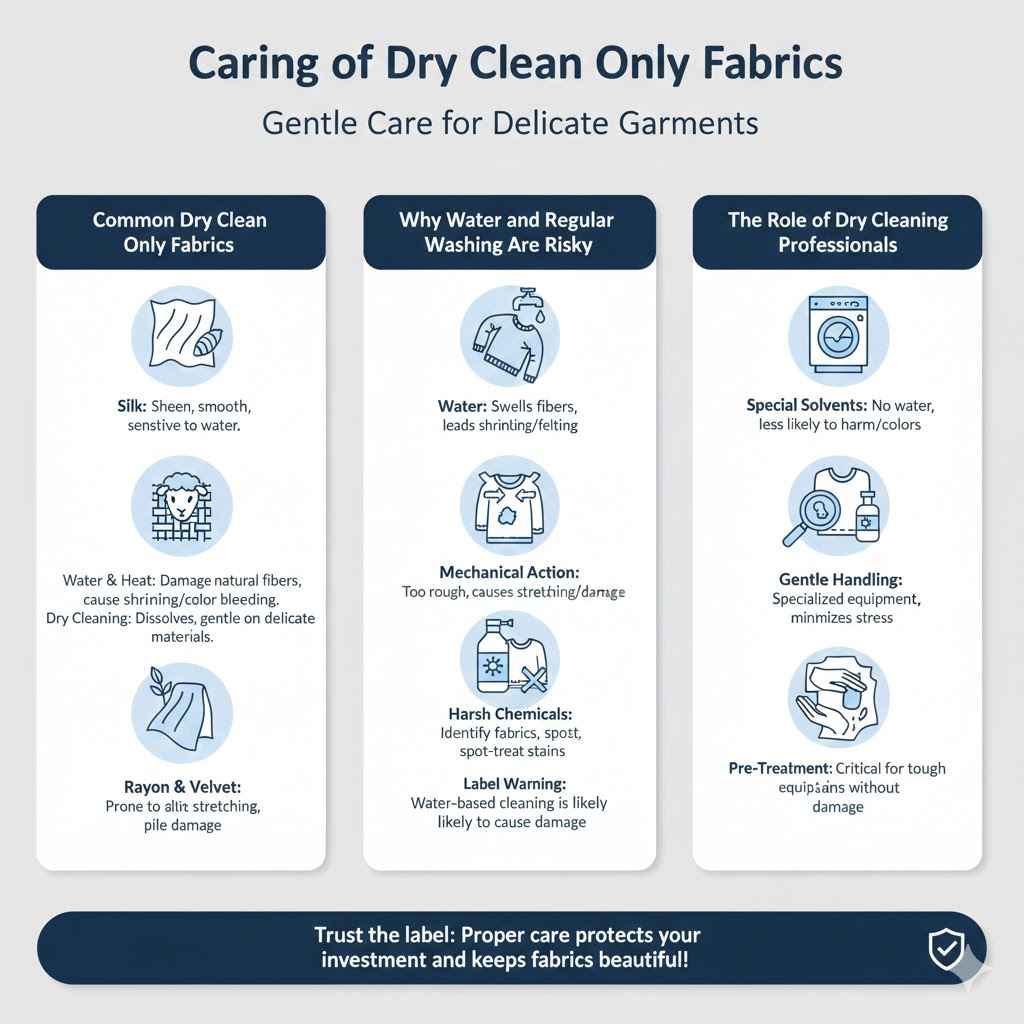
Many delicate and luxurious materials fall under the “dry clean only” umbrella. Think of silk, wool, rayon, and velvet. Silk is a natural protein fiber known for its beautiful sheen and smooth feel.
However, it’s sensitive to water, which can cause it to lose its luster or develop water spots. Wool, another protein fiber, can shrink and felt if agitated too much in water or exposed to heat. Rayon, though often made from wood pulp, can be prone to stretching and losing its shape when wet.
Velvet’s pile can be crushed or distorted by water and harsh scrubbing.
These fabrics require gentle handling. Water can break down the natural fibers or cause them to swell unevenly, leading to permanent damage. Heat also poses a significant risk.
It can cause dyes to bleed, fibers to shrink, or fabrics to become brittle. The chemicals used in dry cleaning are specifically designed to clean these materials without causing these issues. They work by dissolving grease and oils, which water cannot do effectively, and are generally less harsh on delicate fibers.
Why Water and Regular Washing Are Risky
Water is a universal solvent, but for certain fabrics, it’s a real problem. When fabrics like silk or wool get wet, their fibers can swell. If they are then agitated or dried improperly, these fibers can get matted together, leading to shrinking or a change in texture.
This is called felting in wool. Water can also lift dyes from the fabric, causing colors to fade or transfer to other parts of the garment or even to other clothes.
Regular washing machines and detergents are formulated for sturdy fabrics like cotton or polyester. The mechanical action of washing machines – the tumbling, spinning, and wringing – can be too rough for delicate dry clean only materials. The strong chemicals in regular detergents can strip natural oils from fibers like wool and silk, making them dry and brittle, or they can cause discoloration.
This is why the “dry clean only” label is a warning that water-based cleaning methods are likely to cause damage.
The Role of Dry Cleaning Professionals
Dry cleaners use a special process that doesn’t involve water. Instead, they use chemical solvents like perchloroethylene (perc) or newer, more environmentally friendly alternatives. These solvents are effective at removing stains, especially oily ones, and are less likely to harm delicate fibers or cause colors to run.
The process involves soaking the garments in the solvent, followed by a gentle cleaning and extraction cycle, and then careful drying.
Professionals also have the expertise to identify different fabric types and stains. They can then select the most appropriate cleaning method and solvent. They are trained to spot-treat stains before the main cleaning process, using specialized chemicals and techniques.
This pre-treatment is critical for tackling tough stains effectively without damaging the fabric. Their equipment is also designed for gentle handling, minimizing stress on the garment.
Spotting and Pre-Treating Stains on Dry Clean Only Items
Learning how to identify and tackle stains early is key for “dry clean only” garments. The sooner you act, the better your chances of success. This section focuses on how to approach a stain on these special fabrics before you try any cleaning method.
We’ll discuss common stain types and the gentle steps you can take right away to prevent the stain from setting in. This careful pre-treatment can make a big difference before the garment even needs a professional clean.
Identifying the Type of Stain
The first crucial step in dealing with any stain, especially on delicate fabrics, is to figure out what caused it. Different types of stains respond best to different treatments. For example, an oil-based stain, like from salad dressing or makeup, needs something that can break down grease.
A water-based stain, like from coffee or juice, might require a different approach. Protein stains, such as blood or egg, often need cool water and specific enzymes.
Knowing the source helps you choose the right cleaning agent and method. If you’re unsure, it’s often best to treat it as if it were an oil-based stain, as many gentle spot removers are formulated for this. However, some stains, like ink or nail polish, are very difficult and might require professional attention immediately.
Always try to act quickly; the longer a stain sits, the harder it is to remove.
Gentle Blotting Techniques
When you spot a stain on your dry clean only item, resist the urge to rub! Rubbing can spread the stain and damage the fabric fibers. Instead, gentle blotting is your best friend.
Take a clean, white cloth or paper towel and lightly press it onto the stained area. The goal is to lift the stain from the fabric fibers onto the cloth. Work from the outside of the stain towards the center.
This technique prevents the stain from spreading further and pushing it deeper into the fabric. If you are using a cleaning solution, apply it to the cloth first, not directly to the garment, and then blot. This gives you more control and helps prevent oversaturation, which can lead to water spots or damage on delicate materials.
Always use a white cloth to avoid transferring any dye from the cloth to your garment.
Using Specialized Spot Removers
For “dry clean only” clothes, you need to be extra careful with spot removers. Not all household stain removers are suitable. Look for products specifically designed for delicate fabrics or for “dry clean only” garments.
These are often available at your local dry cleaner or in specialty laundry sections of stores. They are formulated to be gentle and effective without using harsh chemicals that could damage the material.
When using a spot remover, always test it first on an inconspicuous area of the garment. This might be an inside seam or the hem. Apply a small amount and let it sit for a few minutes, then blot.
Check for any color change, fabric damage, or water spotting. If the test area looks good, you can proceed to treat the actual stain, always following the product’s instructions carefully and continuing with gentle blotting.
DIY Stain Removal for Select Dry Clean Only Items
While many “dry clean only” items are best left to the professionals, there are some situations and fabrics where a careful at-home approach can work wonders. This part of the guide focuses on how to carefully attempt stain removal yourself, using common household items and techniques, while emphasizing the importance of caution. We’ll look at what you can try and when it’s absolutely essential to seek professional help to keep your cherished garments looking their best.
Testing DIY Solutions on an Inconspicuous Area
Before you apply any DIY cleaning solution to a visible stain on your “dry clean only” garment, you must do a patch test. Find a hidden spot on the garment, like an inside seam, the hem, or under a collar. Apply a tiny amount of the solution you plan to use.
Let it sit for the same amount of time you would treat the stain, then blot it with a clean cloth.
Allow the test area to air dry completely. Once dry, examine it closely for any changes in color, texture, or damage to the fabric. If there’s any adverse reaction, do not proceed with using that solution on the stain.
This simple step is your best defense against accidentally ruining a valuable garment. It ensures the cleaning agent won’t cause permanent harm to the material.
Using Mild Detergents for Water-Based Stains
For water-based stains on fabrics that can tolerate a little moisture, like some silks or rayons, a very mild detergent might be an option. You’ll want to use a detergent specifically made for delicates or hand-washing. Mix a tiny amount of this detergent with cool water.
Then, apply the solution to a clean, white cloth.
Gently blot the stained area with the damp cloth. Avoid saturating the fabric. The idea is to lift the stain using the mild detergent.
After blotting, use another clean cloth dampened only with cool water to gently blot the area again, rinsing away the detergent. Finally, blot the area with a dry cloth to absorb excess moisture. Air dry the garment completely.
Cornstarch or Talcum Powder for Grease Stains
Grease and oil stains are common and can be tricky, but a simple household powder can help. Cornstarch or talcum powder (unscented is best) are excellent for absorbing oil. For a fresh grease stain, gently blot away any excess oil with a paper towel.
Then, generously sprinkle the powder directly onto the stain.
Let the powder sit for at least 30 minutes, or preferably a few hours, to absorb the oil. You may see the powder clump up as it draws out the grease. After it has had time to work, gently brush off the powder.
For tougher stains, you might need to repeat this process. If a slight mark remains, you can try applying a tiny amount of a dry cleaning solvent designed for home use to a cloth and gently blotting the area.
When to Call the Dry Cleaner
Despite your best efforts, some stains are just too stubborn or the fabric is too delicate for DIY treatment. If you have a large or set-in stain, or if the garment is made of a very fragile material like antique lace, fine wool, or heavily embellished fabric, it’s safest to take it to a professional dry cleaner. They have the specialized knowledge, equipment, and chemicals to handle these challenging situations.
Also, if your DIY attempts don’t completely remove the stain or if you notice any adverse effects on the fabric, stop immediately and consult a professional. It’s better to pay for professional cleaning than to risk permanent damage through an amateur attempt. Always point out the stain and explain what you’ve already tried to the dry cleaner; this helps them choose the most effective treatment.
Professional Dry Cleaning: The Safest Bet
When you’re faced with a stain on a treasured “dry clean only” item, sometimes the most effective and safest solution is to entrust it to the experts. This section explains why professional dry cleaning is often the best choice, especially for valuable or delicate garments. We’ll highlight the advantages of professional services and what to expect when you hand over your garments for their specialized care, ensuring you get the best possible results.
Advantages of Professional Dry Cleaning
Professional dry cleaners possess the specialized equipment and chemical expertise to handle a wide variety of fabrics and stains. They use solvents that are tailored to different materials, ensuring that the cleaning process is effective without damaging the fibers, colors, or texture of your garments. This controlled environment minimizes the risks associated with water-based cleaning, such as shrinkage, color bleeding, or warping of the fabric.
Dry cleaners are trained to identify different types of stains and pre-treat them with appropriate agents before the main cleaning process. This targeted approach is crucial for removing stubborn marks that might be impossible to tackle at home. They also have systems in place to inspect garments for damage and to ensure they are returned to you in their best possible condition, often looking and feeling like new.
What to Expect from Your Dry Cleaner
When you take your “dry clean only” item to a professional cleaner, they will typically inspect the garment carefully. They’ll look for stains, tears, loose buttons, or any other issues. You should point out any stains you’ve noticed and let them know if you’ve already attempted to treat them at home.
This information is vital for them to select the most effective cleaning strategy.
The cleaning process itself usually involves a solvent bath, followed by extraction and a drying phase. Afterward, garments are often pressed or steamed to restore their shape and smoothness. You can expect your item to be returned to you clean, fresh, and usually in a protective garment bag.
Reputable dry cleaners stand behind their work and will often offer to re-clean an item if you are not satisfied.
Cost vs. Value of Professional Cleaning
While professional dry cleaning does incur a cost, it’s important to consider the value it provides. For delicate, expensive, or sentimental garments, the cost of professional cleaning is often a worthwhile investment. It helps maintain the integrity and appearance of the clothing, extending its lifespan.
Attempting to clean such items at home without proper knowledge can lead to irreversible damage, making the garment unwearable and rendering the initial cost of the item a total loss.
For example, a silk blouse that cost $150 might cost $10-$20 to dry clean. If you try to wash it at home and it shrinks or gets water spots, you’ve lost the $150. The dry cleaner’s fee, in this case, represents a fraction of the garment’s value, safeguarding your investment.
Many dry cleaners also offer package deals or loyalty programs that can make regular cleaning more affordable.
Preventing Stains on Dry Clean Only Clothes
The best way to deal with stains on “dry clean only” items is to prevent them from happening in the first place. This section offers simple, practical tips to help you protect your delicate garments from spills and marks. By adopting a few careful habits, you can significantly reduce the chances of needing to tackle tough stains and keep your wardrobe looking its best for longer.
Mindful Eating and Drinking
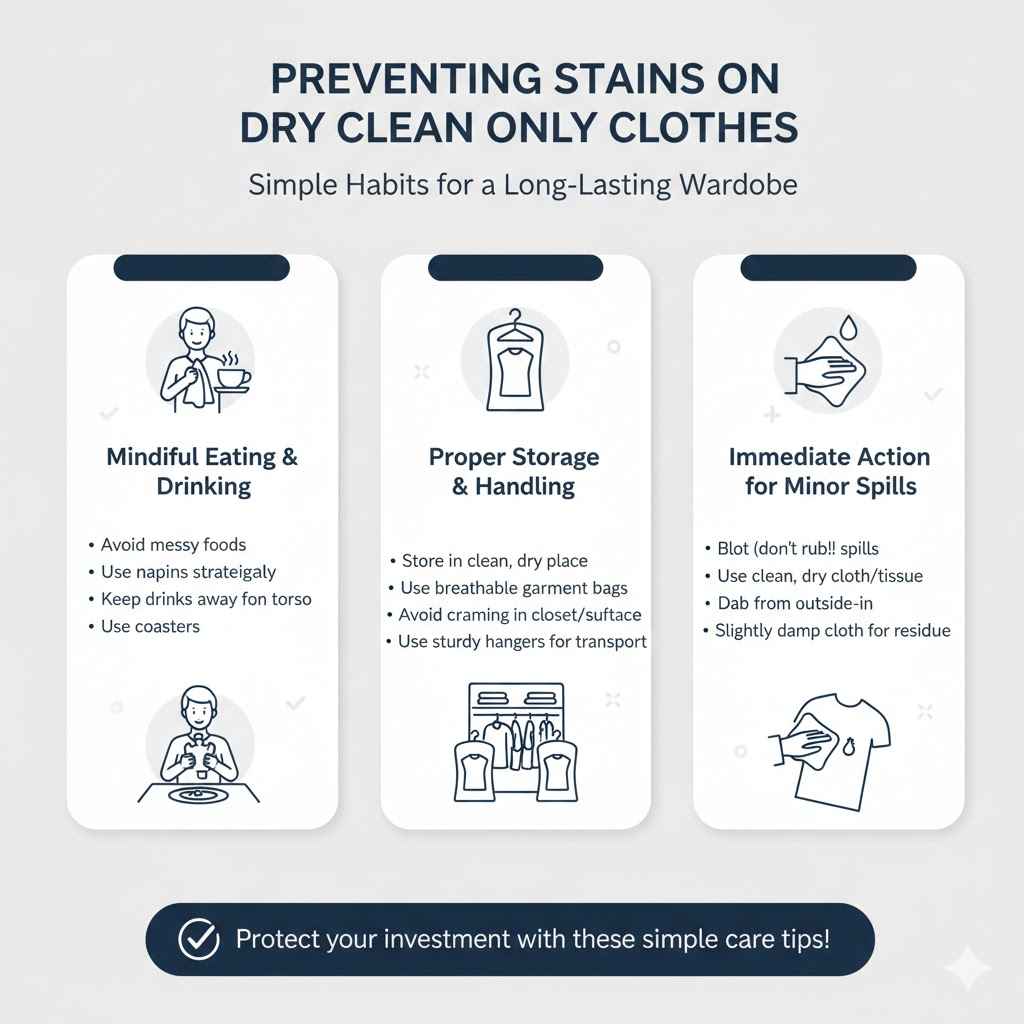
This might sound obvious, but being conscious of where and how you eat and drink can make a huge difference. When wearing your “dry clean only” clothes, try to avoid eating messy foods, especially those that are oily or brightly colored. If you do enjoy a meal or a drink, consider doing so in a less formal setting or using a napkin strategically placed over your lap.
Keep drinks away from your torso, and if you’re having coffee or red wine, be extra cautious. Using a coaster for your drinks when you’re sitting down can also prevent accidental spills onto your lap or nearby surfaces that could then transfer to your clothing. Simple awareness during meal times is a powerful preventative measure.
Proper Storage and Handling
How you store and handle your dry clean only garments also plays a role in preventing stains. Avoid storing them in areas where they might come into contact with dust, dirt, or potential contaminants. For instance, don’t hang them near areas where cooking odors might accumulate.
Ensure they are stored in a clean, dry place, ideally in breathable garment bags to protect them from dust and light, which can fade colors.
When transporting these items, use sturdy hangers and garment bags to prevent creasing and potential snagging. Make sure they are not crammed tightly into a closet or suitcase, as this can lead to abrasion and damage that might make them more susceptible to stains or wear and tear.
Immediate Action for Minor Spills
Even with the best precautions, accidents happen. The key to preventing minor spills from becoming major stains is immediate action. If you spill something small, like a drop of water or a tiny speck of food, gently blot it up right away with a clean, dry cloth or a tissue.
For a slightly more significant spill, you can try dabbing it with a slightly damp (with water only) clean cloth, working from the outside in.
The goal here is to remove as much of the offending substance as possible before it has a chance to soak into the fabric fibers. This quick response can often prevent a stain from setting permanently, saving you the trouble and cost of professional cleaning or difficult stain removal attempts later on.
Frequently Asked Questions
Question: Can I spot clean my dry clean only clothes at home?
Answer: Sometimes, yes. For very fresh, minor stains on durable dry clean only fabrics, you might be able to spot clean gently using specific products or methods discussed in this guide. Always test on an inconspicuous area first.
Question: What is the best way to remove a fresh grease stain from silk?
Answer: For a fresh grease stain on silk, gently blot away excess grease. Then, generously sprinkle cornstarch or talcum powder over the stain. Let it sit for several hours to absorb the oil, then brush it off.
Repeat if necessary.
Question: Will using club soda help remove stains from dry clean only items?
Answer: Club soda can sometimes help with certain water-based stains because of its carbonation, but it can also leave residue or water spots on delicate fabrics. It’s generally safer to use specialized removers or professional cleaning.
Question: How do I know if a DIY stain removal method is safe for my garment?
Answer: Always test any cleaning solution on an inconspicuous area of the garment first. Let it dry completely and check for any color change, fabric damage, or texture alteration before treating the visible stain.
Question: Is it okay to iron my dry clean only clothes if there’s a slight wrinkle?
Answer: Some “dry clean only” items can be ironed, but always check the care label for specific instructions. Use the lowest heat setting and often an ironing cloth to protect the fabric. If unsure, steaming is a safer alternative.
Conclusion
Keeping your “dry clean only” clothes looking their best is manageable. By understanding fabric care, acting quickly on fresh spills, and knowing when to use gentle DIY methods or call the professionals, you can successfully tackle most stains. Remember to always test treatments in hidden spots and prioritize the fabric’s integrity.