How to Remove Stains from Plastic Containers
So you’ve got some tough stains on your plastic containers. Maybe it’s tomato sauce from last night’s dinner or some brightly colored curry. It happens to everyone, and it can be frustrating when those unsightly marks just won’t budge.
For many people, figuring out how to remove stains from plastic containers feels like a challenge they can’t quite crack. But don’t worry! This guide will walk you through simple, step-by-step methods that really work, getting your containers looking fresh again without much fuss.
We’ll explore easy ways to tackle these common messes.
Easy Ways How to Remove Stains from Plastic Containers
This section is all about giving you straightforward, practical methods to make those stubborn stains on your plastic containers disappear. We’ll cover common household items you can use, explain why they work, and provide clear instructions. You’ll learn how to get your containers looking like new again with minimal effort and without harsh chemicals that might damage the plastic or your health.
We aim to make this process simple and effective for everyone.
Using Common Household Cleaners
Sometimes, the best solutions are hiding in your pantry or under your sink. Many everyday items can break down the pigments causing those tough stains on plastic. These methods are gentle on the plastic and safe to use.
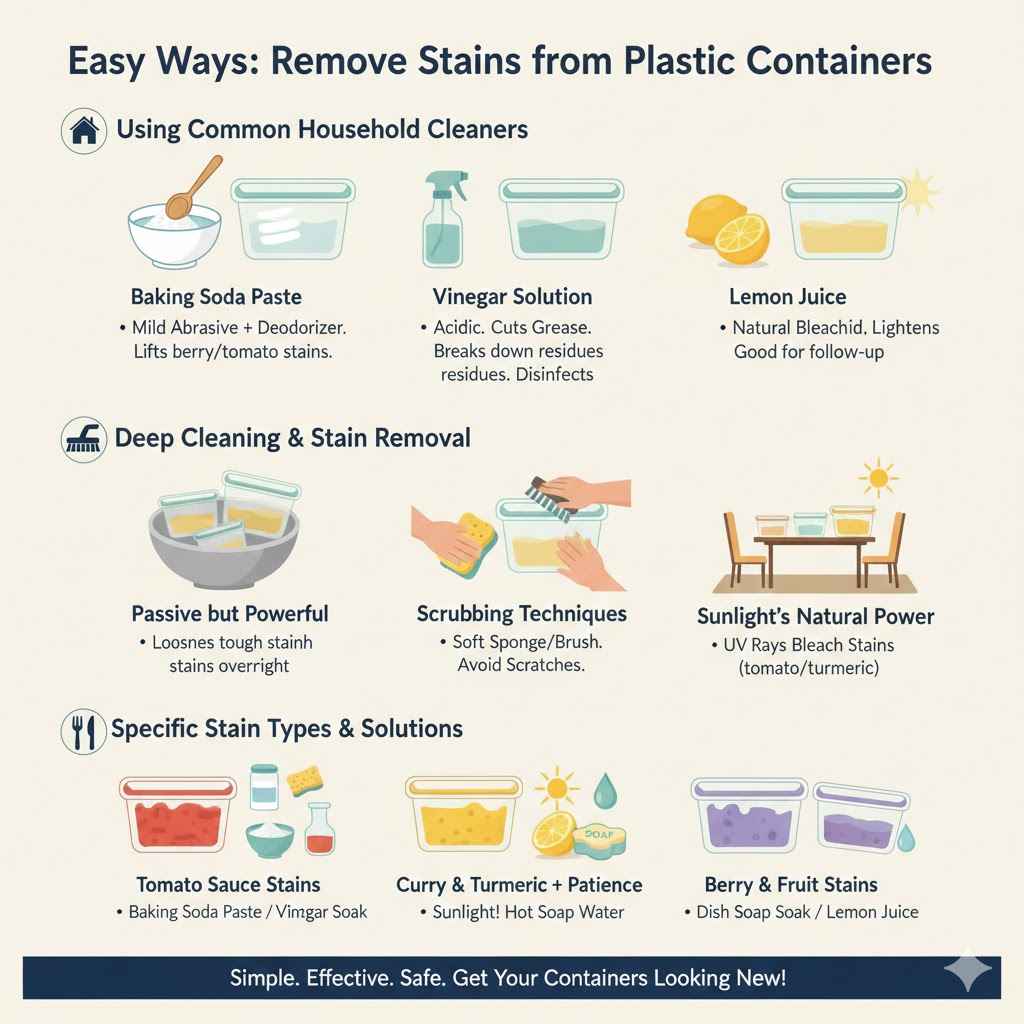
Baking Soda Paste
Baking soda is a mild abrasive and a natural deodorizer. When mixed with water, it forms a paste that can scrub away stains without scratching the plastic. It’s great for lifting discoloration from foods like berries or tomato sauce.
The gentle scrubbing action helps lift the stain particles from the surface of the plastic, making them easier to wipe away.
Vinegar Solution
Vinegar is acidic, which makes it excellent at cutting through grease and breaking down food residues. Soaking stained containers in a vinegar and water mixture can help loosen and lift the discolored particles. It also has disinfectant properties, which is a nice bonus.
The acetic acid in vinegar reacts with the staining compounds, making them less likely to adhere to the plastic.
Lemon Juice
Lemon juice is a natural bleaching agent. The citric acid in lemon juice can help to lighten stains over time. It’s particularly effective for lighter stains or as a follow-up treatment after other methods.
It works by a process similar to other mild acids, helping to break down the chemical bonds in the staining pigment.
Deep Cleaning and Stain Removal Techniques
For stains that are more set in, you might need to step up your cleaning game a bit. These techniques involve a bit more time or a slightly stronger approach, but they are still designed to be safe and effective for your plastic food storage.
Soaking Method
Sometimes, all a stain needs is a good soak. Letting your containers sit in a cleaning solution for a few hours or overnight can significantly loosen tough stains. This method allows the cleaning agents to penetrate the stain and break it down without you needing to scrub too hard.
It’s a passive but powerful way to tackle persistent marks.
Scrubbing Techniques
Gentle scrubbing is key. Using a soft sponge or cloth is important so you don’t scratch the plastic. For tougher stains, a non-abrasive scrub brush can be very helpful.
The friction helps to dislodge the stain particles from the container’s surface. Always work in a circular motion to ensure even cleaning and to avoid creating visible scrub marks.
Sunlight’s Natural Power
Did you know the sun can help? Leaving stained plastic containers in direct sunlight for a day or two can naturally bleach out many common food stains. UV rays from the sun have a natural bleaching effect that can fade discoloration, especially from things like tomato sauce or turmeric.
It’s an eco-friendly and free method that often yields surprising results.
Specific Stain Types and Solutions
Different foods leave different types of stains. Knowing what you’re dealing with helps you choose the best cleaning method. Here’s a look at how to tackle common culprits.
Tomato Sauce Stains
Tomato-based products are notorious for staining plastic. Their vibrant red color and acidity can really set in. A baking soda paste or a soak in diluted vinegar are often the most effective treatments for these.
The mild abrasion from baking soda helps lift the pigments, while the acid in vinegar breaks them down.
Curry and Turmeric Stains
The bright yellow of turmeric and the rich colors of curry spices can be very persistent. These stains often require a bit more patience. Try a baking soda paste left on the stain for a few hours, or a soak in a mixture of dish soap and hot water.
Sunlight is also particularly good at fading these types of stubborn yellow and orange hues.
Berry and Fruit Stains
Berries and some fruits can leave colorful marks. These often respond well to a soak in water with a bit of dish soap or a dilute bleach solution (used with caution and proper ventilation). Lemon juice can also help to naturally lighten these kinds of fruit-based discolorations.
How to Remove Stains from Plastic Containers with Simple Ingredients
This section focuses on the most accessible and gentle methods for removing stains from your plastic containers. We’ll explore how common kitchen staples can work wonders without the need for harsh chemicals. These are great starting points for any stain you encounter.
The Magic of Baking Soda
Baking soda is a star player when it comes to cleaning plastic. Its fine, crystalline structure acts as a gentle abrasive that can lift stains without scratching the surface of your containers. It also helps to neutralize odors, making your containers smell fresh.
Creating a Baking Soda Paste
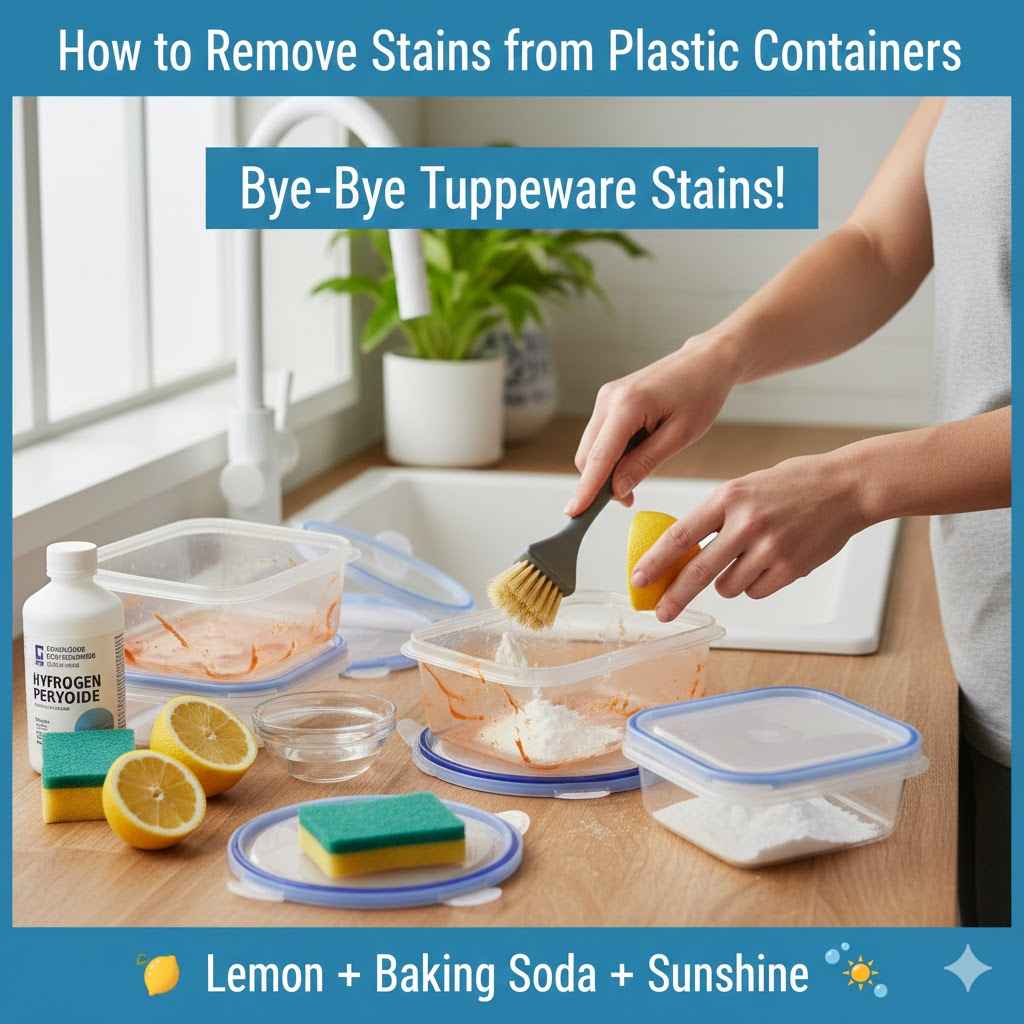
To make a Baking Soda Paste, simply mix baking soda with a small amount of water until it forms a thick, spreadable consistency, similar to toothpaste. Apply this paste directly to the stained areas of the plastic container. Let it sit for at least 15-30 minutes, or even longer for tougher stains.
Scrubbing with the Paste
After the paste has had time to work, gently scrub the stained area with a soft cloth, sponge, or a soft-bristled brush. Use circular motions. You should start to see the stain lifting.
Rinse the container thoroughly with warm water. If the stain persists, you can repeat the process or leave the paste on for an extended period.
Baking Soda and Dish Soap Combo
For extra cleaning power, you can combine baking soda with a few drops of your regular dish soap. This creates a more potent cleaning solution that tackles both stains and any greasy residue. Apply this mixture, let it sit, and then scrub as usual.
The soap helps to emulsify grease, allowing the baking soda to work more effectively on the stain.
Vinegar’s Cleaning Power
Vinegar, specifically white distilled vinegar, is another kitchen essential that’s fantastic for cleaning. Its acetic acid content is what makes it effective at breaking down food residues and lifting discoloration from plastic.
Vinegar and Water Soak
A simple soak can do wonders. Mix equal parts white vinegar and water in a sink or basin. Submerge the stained plastic containers in this solution and let them soak for at least an hour, or overnight for stubborn stains.
The vinegar will work on loosening the stain particles from the plastic.
Applying Undiluted Vinegar
For very tough stains, you might try applying undiluted white vinegar directly to the stained spot. Let it sit for about 30 minutes, then scrub gently with a soft cloth or sponge. Rinse thoroughly with water afterwards.
Be sure to ventilate the area well when using vinegar, as its smell can be strong.
Vinegar and Baking Soda Reaction
You can also use vinegar and baking soda together for a fizzy cleaning action. Sprinkle baking soda over the stain, then spray or pour vinegar over it. The fizzing action can help lift the stain.
Let it bubble and work for a few minutes, then scrub gently. This combination is powerful but still safe for most plastics.
Lemon Juice as a Natural Bleach
Lemon juice is a gentle, natural bleaching agent that can help to lighten stains on plastic. Its citric acid is effective at breaking down some types of discolorations, especially those that aren’t too deep-set.
Direct Application of Lemon Juice
Cut a lemon in half and rub the cut side directly onto the stained areas of the plastic container. Let the juice sit on the stain for at least 30 minutes, or even a couple of hours for more stubborn marks. The natural acids in the lemon juice will start to work on the discoloration.
Lemon Juice and Sunlight
For an extra boost, after applying lemon juice, place the container in direct sunlight. The sun’s UV rays, combined with the lemon juice, can create a powerful natural bleaching effect. This is a fantastic, chemical-free method for fading those yellowing or colored stains.
Lemon Juice Paste
You can also create a paste by mixing lemon juice with a bit of baking soda. This combines the gentle bleaching power of lemon juice with the mild abrasive action of baking soda. Apply the paste to the stains, let it sit, and then gently scrub.
Advanced Techniques How to Remove Stains from Plastic Containers
When common methods aren’t quite cutting it, or for those deeply embedded stains, these advanced techniques can be your next step. They involve a bit more time or slightly more specialized approaches but are still focused on being effective and safe for your plastic storage.
The Power of Hydrogen Peroxide
Hydrogen peroxide is a mild disinfectant and a bleaching agent that can be very effective at removing tough stains from plastic. It works by releasing oxygen molecules that break down the chromophores (the part of a molecule responsible for its color) in the stain. Always use 3% hydrogen peroxide, which is readily available in most drugstores.
Soaking with Hydrogen Peroxide
Pour enough 3% hydrogen peroxide into the stained container to cover the stained areas. Let it soak for several hours or overnight. You should see the stain gradually fade.
The peroxide works as it sits, breaking down the colored compounds. Rinse thoroughly with water afterwards.
Hydrogen Peroxide and Baking Soda Paste
For a targeted approach, you can create a paste using 3% hydrogen peroxide and baking soda. Mix them to form a thick paste and apply it directly to the stain. Let it sit for about 30 minutes to an hour.
Gently scrub with a soft brush or cloth, then rinse well. This combination is excellent for lifting set-in discoloration.
Safety Precautions with Hydrogen Peroxide
While 3% hydrogen peroxide is generally safe for plastic, it’s always a good idea to test it on an inconspicuous area first. Wear gloves when handling hydrogen peroxide, as it can irritate skin. Ensure good ventilation when using it, and avoid mixing it with other cleaning chemicals, especially ammonia or vinegar, as this can create dangerous fumes.
Using Cream of Tartar
Cream of tartar is an acid derived from grapes and is often used in baking. It’s also a surprisingly effective stain remover for plastics because it’s a mild acid that can help lift food coloring and grease.
Cream of Tartar Paste
Mix cream of tartar with a small amount of water to create a paste. Apply this paste to the stained areas of your plastic containers. Let it sit for about 30 minutes.
The mild acidity will begin to break down the stain. Gently scrub with a soft cloth or sponge, then rinse thoroughly.
Cream of Tartar and Vinegar Soak
For more persistent stains, you can combine cream of tartar with vinegar. Mix a tablespoon or two of cream of tartar with enough white vinegar to form a paste. Apply this to the stain, let it sit for at least an hour, then scrub gently and rinse.
This potent combination is very effective.
Where to Find Cream of Tartar
Cream of tartar can typically be found in the baking aisle of most supermarkets. It’s usually sold in small jars or packets. A little goes a long way, so a single container should last you a while for your cleaning needs.
Dishwasher Tablets or Powder
Dishwasher detergents are formulated to tackle tough food residues and grease, making them surprisingly effective for pre-treating tough stains on plastic containers. They contain enzymes and surfactants that break down food particles.
Dishwasher Detergent Soak
Fill a sink or basin with hot water and dissolve one dishwasher tablet or a tablespoon of dishwasher powder in it. Submerge your stained plastic containers and let them soak for several hours or overnight. The detergent will work to lift the stains from the plastic.
Making a Paste with Dishwasher Detergent
For stubborn spots, you can make a paste by mixing a bit of dishwasher powder with a small amount of water. Apply this paste directly to the stain and let it sit for about 30 minutes. Gently scrub with a soft brush or sponge, then rinse thoroughly.
Important Considerations
Always ensure the dishwasher detergent is fully dissolved and rinse containers extremely well after using this method to remove any residue. Dishwasher detergents are concentrated, so avoid prolonged contact with your skin. Test in an inconspicuous area first if you are concerned about the finish of your plastic containers.
Preventing Future Stains on Plastic Containers
Once you’ve got your containers looking clean, you’ll want to keep them that way. Preventing stains before they happen is the easiest approach. Small habits can make a big difference in maintaining your plastic storage.
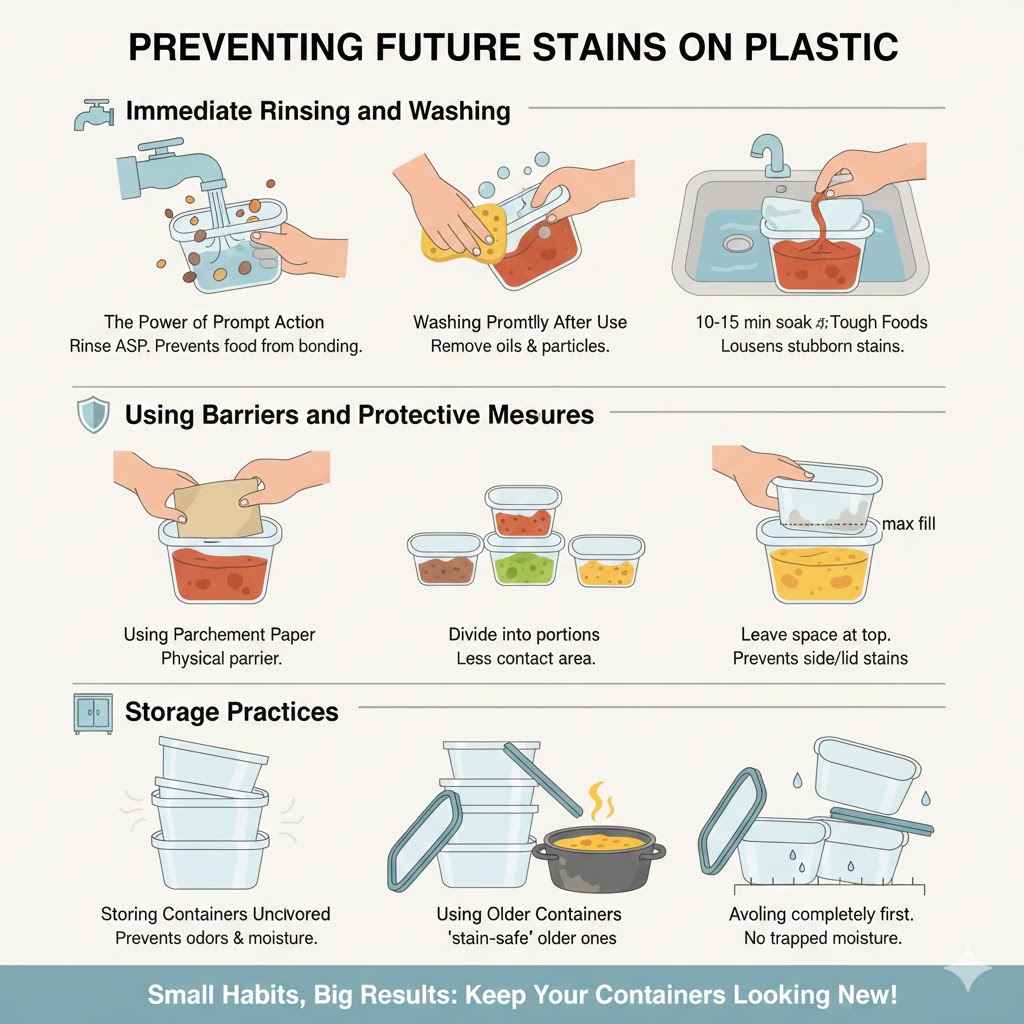
Immediate Rinsing and Washing
The longer food sits on plastic, the more likely it is to stain. Rinsing containers as soon as you empty them can significantly reduce the chances of a stain setting in.
The Power of Prompt Action
Don’t let food remnants dry and harden in your containers. A quick rinse under the tap with warm water can wash away most residues before they have a chance to bond with the plastic. This simple step is probably the most effective way to prevent most common stains.
Washing Promptly After Use
Ideally, wash your containers shortly after rinsing them. Using warm, soapy water and a soft sponge will remove any remaining food particles and oils that could contribute to staining. This is especially important for containers used for strongly colored foods like tomato sauce, curry, or berries.
Pre-Soaking for Tough Foods
If you know you’ve used a particularly staining food, like a rich tomato sauce or a brightly colored soup, consider pre-soaking the container in plain water for 10-15 minutes before washing. This can loosen the food particles enough for them to be washed away easily.
Using Barriers and Protective Measures
Sometimes, you can create a barrier between the staining food and the plastic to prevent contact altogether.
Using Parchment Paper or Wax Paper
For foods that are known stainers, like certain pasta sauces or fruit purees, you can line the bottom of the plastic container with a piece of parchment paper or wax paper before adding the food. This acts as a physical barrier, preventing direct contact between the food and the plastic.
Portioning Staining Foods
If you’re storing a particularly staining food, consider dividing it into smaller portions. This means you’re only dealing with a smaller surface area of plastic coming into contact with the staining agent, making it easier to clean later. It also helps with portion control.
Avoiding Overfilling
When filling containers with foods that tend to stain, avoid overfilling them. This ensures that the food doesn’t come into contact with the sides or lid of the container where stains are harder to remove. Leaving a little space at the top can prevent messes and make cleaning easier.
Storage Practices
How you store your containers can also play a role in preventing and managing stains.
Storing Containers Uncovered When Empty
When plastic containers are empty and clean, store them with their lids off or slightly ajar. This allows for air circulation, which can help prevent moisture from getting trapped inside and potentially leading to mildew or a stale smell, and it ensures they are fully dry before stacking.
Using Older Containers for Staining Foods
If you have older plastic containers that may already have some light staining or wear, consider dedicating them to storing foods that are known to stain. This way, if they do get stained, it won’t be as noticeable, and your newer containers will remain pristine.
Avoiding Stacking Immediately After Washing
Make sure your containers are completely dry before stacking them. Stacking wet containers can trap moisture, which can lead to odors and potential mold growth. It also prevents the potential for stains to transfer between containers when they are still damp.
Frequently Asked Questions
Question: What is the quickest way to remove a fresh stain from plastic?
Answer: For a fresh stain, try wiping it immediately with a damp cloth and a bit of dish soap. If that doesn’t work, a paste of baking soda and water applied for 15 minutes then scrubbed can often do the trick quickly.
Question: Can I use bleach on all plastic containers?
Answer: While diluted bleach can be effective, it’s best to use it with caution and only on certain types of plastic, as it can sometimes damage or discolor some plastics. Always test in a small, hidden area first and rinse very thoroughly.
Question: Will these methods work on old, set-in stains?
Answer: These methods are very effective, but for very old or deep stains, you might need to repeat a process or try a combination of methods. Patience is key for set-in stains.
Question: Are these cleaning methods safe for microwave-safe plastic containers?
Answer: Yes, the methods using baking soda, vinegar, lemon juice, and hydrogen peroxide are generally safe for microwave-safe plastic. Always ensure containers are thoroughly rinsed to remove any cleaning residue before microwaving food.
Question: How can I prevent plastic containers from smelling like food?
Answer: Prompt washing, drying containers completely, and storing them with lids slightly ajar or off can prevent lingering food smells. Baking soda is also excellent for absorbing odors.
Wrap Up
You’ve learned how to remove stains from plastic containers using simple, effective methods. From baking soda pastes to vinegar soaks and even sunlight, these techniques tackle common food discolorations. You can restore your containers to their former glory without harsh chemicals.
With these tips, you can confidently clean and maintain your plastic storage, keeping it looking fresh and ready for your next meal.