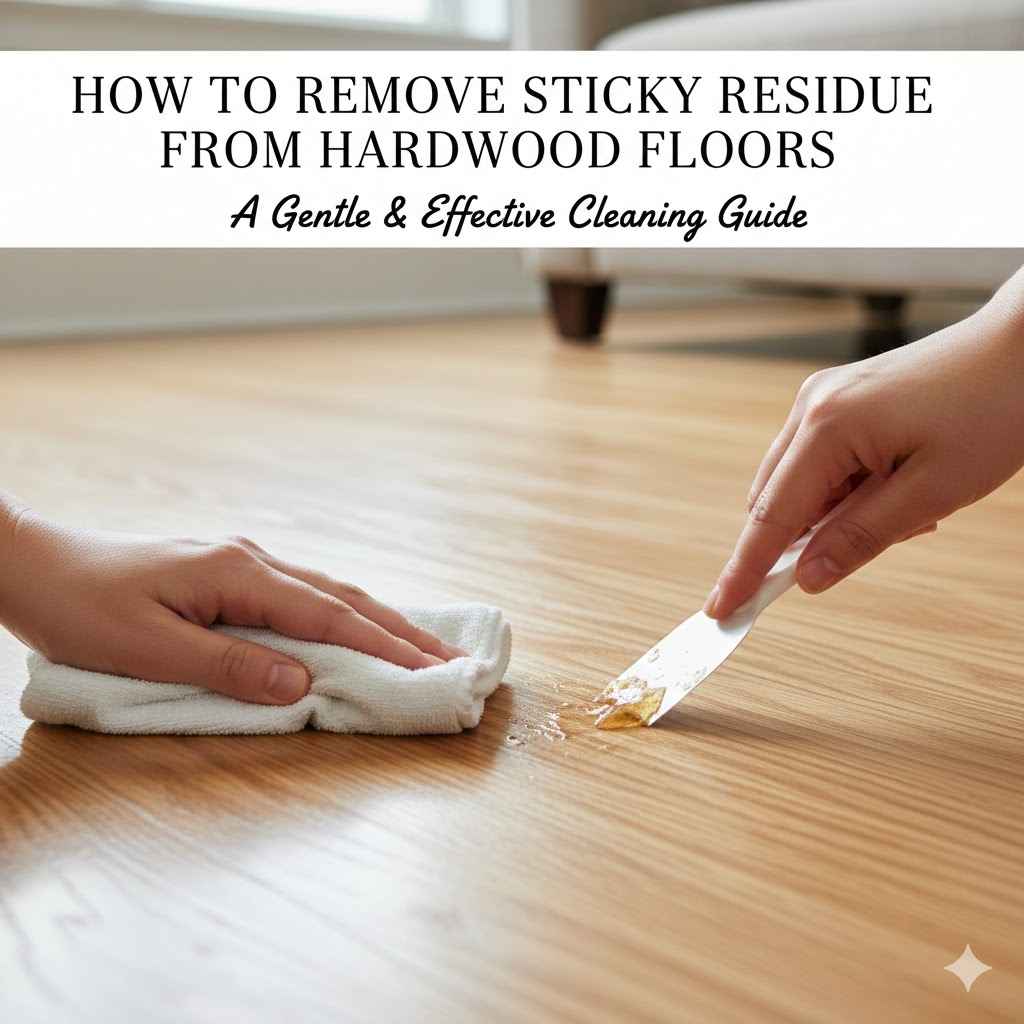
How To Remove Sticky Residue From Hardwood Floors
Having sticky spots on your beautiful hardwood floors can be frustrating, especially for newcomers. You might wonder if it’s tricky to get them clean without causing damage. Well, good news! Learning how to remove sticky residue from hardwood floors easily is simpler than you think. We will walk you through the best ways to tackle these messes step-by-step, so your floors look great again.
Gentle Solutions for Sticky Residue
Dealing with sticky residue on hardwood floors can feel like a puzzle. Many people worry about scratching or damaging their floors while trying to clean up spills or adhesive marks. This guide will show you safe and effective methods that work wonders for common sticky problems. We’ll cover what to do for everyday messes and more stubborn spots, helping you achieve a clean, beautiful finish.
Understanding Sticky Residue
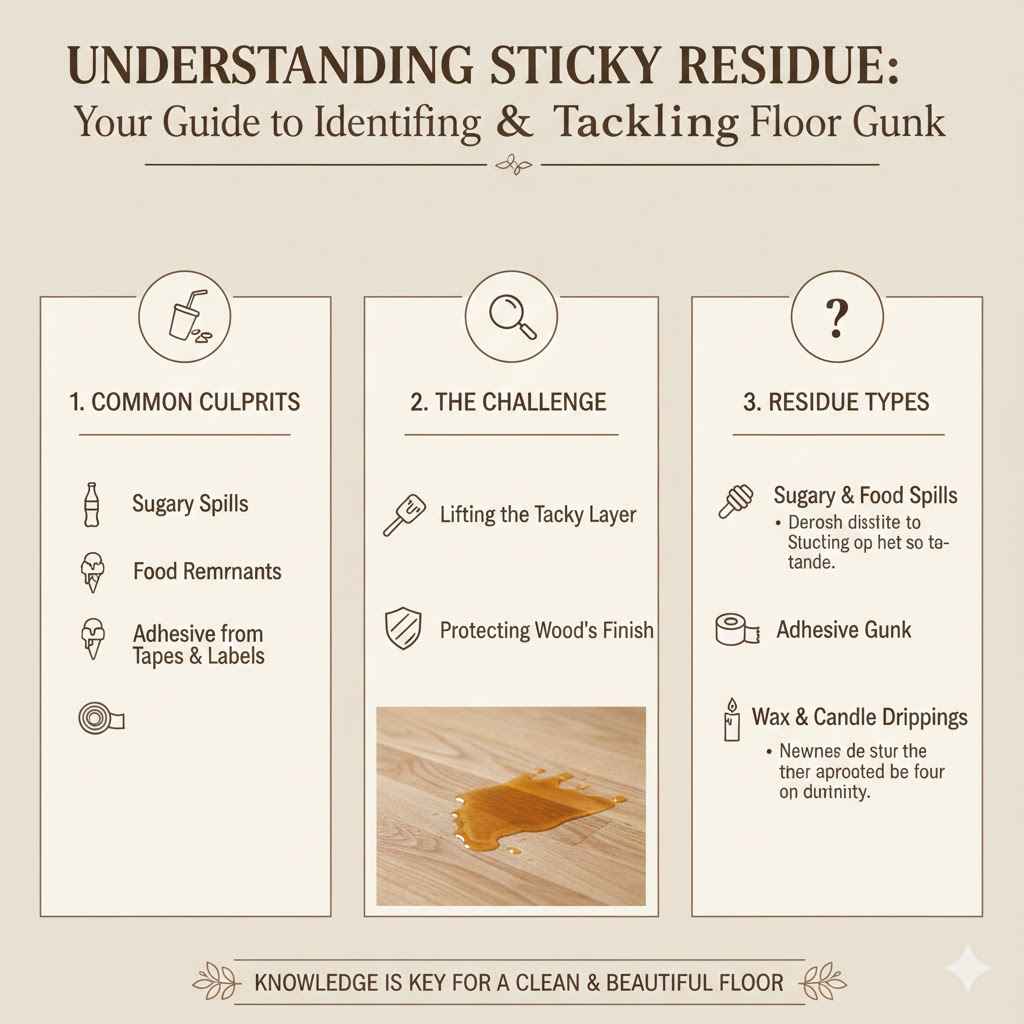
Sticky residue can appear on hardwood floors for various reasons. It might be from spilled drinks, food drips, or even adhesive left behind by temporary floor coverings or stickers. Understanding the cause helps in choosing the right cleaning method. Different types of sticky substances require slightly different approaches to ensure effective removal without harming the wood’s finish.
Sticky residue is essentially any substance that leaves a tacky or gummy surface. This can range from sugary spills that harden over time to the adhesive from tapes and labels. The key challenge is to lift this sticky layer without dissolving the wood’s protective coating or embedding the stickiness deeper into the grain.
Sugary spills and food remnants
These are common culprits. When liquids like juice, soda, or honey spill and dry, they become incredibly sticky. Heat can sometimes bake these substances onto the floor, making them harder to remove. Gentle scraping and a mild cleaning solution are often needed.
Adhesive from tapes and labels
Packing tape, masking tape, or labels can leave behind a gummy adhesive. This type of residue is often oil-based. It requires specific solvents or cleaning agents that can break down the adhesive.
Wax and candle drippings
Dropped candles can leave a waxy residue. This needs to be hardened first, often by cooling, before it can be carefully removed.
Common Household Cleaners That Work
Before reaching for harsh chemicals, it’s often best to start with items you already have at home. Many common household products are surprisingly effective at breaking down sticky residues without being damaging to your hardwood floors. Using these first can save you time and money.
Some readily available items can tackle sticky messes. Baking soda, vinegar, and even dish soap are often cited as useful. The trick is to use them correctly and in moderation.
Baking soda paste
A paste made from baking soda and a little water can act as a gentle abrasive. It helps to lift sticky grime.
Baking soda is a mild alkali. When mixed with water, it forms a paste that can gently scrub away sticky substances. It’s not as harsh as commercial abrasives, making it safer for finished wood. Always test this paste on an inconspicuous area first to ensure it doesn’t affect your floor’s finish. The gritty texture can help dislodge stubborn residue.
White vinegar solution
A diluted solution of white vinegar and water can break down many sticky substances. Vinegar is acidic, which helps to dissolve sugars and other residues.
White vinegar’s acidity makes it effective at cutting through sticky film. Mix one part white vinegar with two parts water. This dilution is important; a stronger solution might dull or damage certain wood finishes. Apply with a soft cloth and wipe gently. The vinegar smell dissipates quickly as it dries.
Dish soap and warm water
A few drops of mild dish soap in warm water can often lift sticky messes. Dish soap is designed to cut through grease and grime, which can be effective on many types of sticky residue.
Mild dish soap is a surfactant, meaning it helps to lower the surface tension of water. This allows the water to spread out and penetrate the sticky residue more effectively. Use only a small amount of soap to avoid leaving a soapy film on your floors. Always use a damp cloth, not a soaking wet one, to protect the wood.
This section focuses on practical steps for tackling sticky situations. We’ll explore techniques for both fresh spills and dried-on messes. Each method aims for effectiveness while prioritizing the safety of your hardwood flooring.
Discover proven techniques to make your floors gleam again. From simple wipes to more targeted approaches, you will find clear instructions. These methods are designed for ease of use, even for those new to floor care.
Dealing with Fresh Spills
Timing is key when dealing with fresh spills. The sooner you act, the less likely the sticky substance is to bond with the floor’s finish. Quick action often means a much easier cleanup.
Immediate attention prevents sticky messes from becoming permanent stains or difficult-to-remove patches. Blotting is usually the first step.
Blotting with a clean cloth
For any liquid spill, start by blotting up as much of the liquid as possible. Use a clean, absorbent cloth or paper towels. Do not rub, as this can spread the stickiness.
Blotting is crucial because it absorbs the spill without pushing it into the wood grain. A clean cloth is essential to avoid transferring dirt. For sticky liquids like juice or soda, blotting helps remove the sugar before it dries and hardens.
Using warm water and a microfiber cloth
After blotting, a simple wipe with a damp microfiber cloth can often remove fresh sticky residue. Ensure the cloth is only damp, not wet, to avoid water damage.
Microfiber cloths are excellent for this task because they are highly absorbent and can trap dirt and residue effectively. Warm water helps to slightly loosen the sticky substance, making it easier to wipe away. This is a gentle first step that works for many types of spills.
Tackling Dried-On and Stubborn Residue
Sometimes spills dry or sticky patches are left for a while. These require a bit more effort. Fortunately, there are still simple ways to lift them without causing harm.
For tougher spots, you might need to let a cleaning solution work for a few moments. Patience is also a virtue here.
The Goo Gone or similar adhesive remover method
Products like Goo Gone are specifically designed to break down adhesives and sticky residues. They are generally safe for finished hardwood floors when used as directed.
Adhesive removers work by dissolving the sticky bonds of the residue. They often contain citrus-based solvents or similar agents. Apply a small amount to a cloth, not directly to the floor, and then gently rub the sticky spot. Always follow the product’s instructions and test in a hidden area first. These are often very effective for sticker goo.
Rubbing alcohol for sticky spots
Rubbing alcohol (isopropyl alcohol) can be very effective for breaking down sticky residue, especially from labels. Use it sparingly.
Rubbing alcohol is a solvent that can dissolve many sticky adhesives. Dampen a cotton ball or the corner of a soft cloth with rubbing alcohol. Gently rub the sticky area. It evaporates quickly. Be cautious not to over-saturate the wood, as excessive alcohol could potentially dull the finish over time.
The oil method for sticker residue
For stubborn sticker residue, a little bit of cooking oil or mineral oil can sometimes help. Apply a small amount to the residue and let it sit for a few minutes.
Oils can help to loosen the adhesive by breaking down its stickiness. This is a gentle method that doesn’t involve harsh chemicals. After letting the oil work, gently scrape away the residue with a plastic scraper or wipe it off with a cloth. Be sure to clean the area with a mild soap and water solution afterward to remove any oily film.
Real-life example
Sarah had guests over, and someone accidentally spilled a sticky caramel sauce on her oak floors. She tried wiping it immediately, but some had dried. She decided to try the oil method. She dabbed a tiny bit of vegetable oil onto the dried caramel. After letting it sit for five minutes, the caramel softened. She then carefully scraped it off with a plastic spatula. A quick wipe with a damp cloth and a final polish left the floor looking perfect, with no damage.
How to Remove Sticky Residue from Hardwood Floors Easily Without Damage
Protecting your hardwood floors is paramount. Even gentle cleaning can cause damage if done incorrectly. This section emphasizes techniques that prioritize the floor’s finish.
You will learn to clean effectively while preserving your floor’s natural beauty and protective coating. Safety first is the guiding principle here.
Testing in an inconspicuous area
Before applying any cleaning solution to a visible part of your floor, always test it in a hidden spot. This could be under a rug or in a corner.
Testing ensures the cleaner won’t discolor or damage your floor’s finish. Wait to see the results before proceeding with the main cleaning. This small step can prevent costly mistakes and widespread damage.
Using soft cloths and gentle pressure
Always use soft, non-abrasive cloths like microfiber. Avoid sponges with rough sides or paper towels that can scratch. Apply only gentle pressure when cleaning.
Soft cloths prevent scratches and scuffs. Gentle pressure is enough to lift most sticky residues without working it into the wood. Over-scrubbing can damage the finish.
Avoiding excessive moisture
Hardwood floors can be damaged by too much water. Always use a cloth that is only damp, not wet. Wring out cloths thoroughly before wiping.
Excessive moisture can seep into the wood, causing it to swell, warp, or even develop mold and mildew. It can also break down the adhesive holding floorboards together. A damp cloth ensures the surface is cleaned without saturating the wood.
Sample scenario
A homeowner wanted to remove a sticky ring left by a glass of iced tea. They grabbed their regular kitchen sponge, thinking it would be quick. Unfortunately, the rough side of the sponge left tiny scratches. They then realized they should have used a soft microfiber cloth and gentle dabbing.
Choosing pH-neutral cleaners when possible
Many wood floor manufacturers recommend pH-neutral cleaners. These are less likely to strip or damage the protective finish of the hardwood.
pH-neutral cleaners maintain a balanced pH level, similar to water. This means they are less aggressive than acidic or alkaline cleaners. They can effectively clean without compromising the floor’s sealant or finish, which is crucial for long-term durability.
Advanced Techniques and Tools
For particularly tough or widespread sticky residue, a few more specialized methods can be employed. These are usually for situations where simpler solutions haven’t fully worked.
These techniques offer powerful solutions for challenging cleaning jobs. They require a bit more care but can restore your floors to their former glory.
Plastic scrapers and spatulas
A plastic scraper or spatula can be very useful for gently lifting thicker, dried-on sticky substances. Always ensure it’s plastic, not metal, to avoid scratching the floor.
Plastic tools are designed to be firm enough to scrape but flexible enough not to gouder the wood’s finish. They are ideal for removing dried spills or adhesive that have hardened. Use a gentle, pushing motion.
Using a steam mop carefully
Some steam mops can be used on hardwood floors, but with extreme caution. Check your flooring manufacturer’s guidelines. Use low steam settings and ensure the mop head is not overly wet.
Steam mops use heat and a small amount of moisture to loosen dirt and grime. The heat can help break down sticky residues. However, excessive steam can damage the finish or warp the wood. Always use a mop designed for hardwood or follow specific instructions.
Statistic
According to a survey by the National Wood Flooring Association, over 60% of homeowners incorrectly clean their hardwood floors, often using too much water or abrasive cleaners. This highlights the importance of following proper cleaning methods for longevity.
Specialized hardwood floor cleaners
There are many commercial cleaners made specifically for hardwood floors. Look for products labeled as safe for finished hardwood and designed for sticky residue or adhesive removal.
These cleaners are formulated to be effective against common floor messes while being safe for wood finishes. They often contain mild solvents or emulsifiers that lift grime without harming the protective layer. Reading labels and following instructions is key.
Real-life example
Mark noticed a sticky, waxy residue from a candle on his maple hardwood floor. He tried dish soap, but it didn’t fully remove it. He then purchased a specialized hardwood cleaner recommended for sticky spots. He followed the instructions, applying it to a cloth and gently wiping the waxy area. The residue lifted easily, and his floor looked like new again, without any damage to the finish.
Maintaining Clean Hardwood Floors
Preventing sticky residue is easier than cleaning it. Simple maintenance habits can keep your hardwood floors looking their best for years to come. This involves regular cleaning and prompt attention to spills.
A little preventative care goes a long way in keeping your floors beautiful. Let’s explore some easy tips.
Regular Cleaning Routines
Establish a regular cleaning schedule. This prevents dirt and spills from building up and becoming difficult to remove. Daily or weekly attention makes a big difference.
Consistent cleaning is your best defense against tough sticky spots. It keeps surfaces clear and easy to manage.
Daily sweeping or dusting
Sweep or dust your hardwood floors daily or every other day. This removes loose dirt and debris that can scratch the surface. It also picks up small spills before they dry.
Daily sweeping with a soft-bristle broom or a dust mop prevents grit from accumulating. Grit acts like sandpaper underfoot, dulling the finish and potentially causing scratches. Removing it quickly means less chance for spills to adhere.
Weekly damp mopping
Once a week, give your floors a light damp mopping. Use a pH-neutral cleaner and a microfiber mop. Ensure the mop is only slightly damp.
Weekly damp mopping removes grime that sweeping misses. It refreshes the floor’s appearance and helps maintain its shine. By using a suitable cleaner and minimal moisture, you keep the wood safe and clean.
Prompt Spill Response
The most critical rule for preventing sticky residue is to clean up spills immediately. Don’t let them sit and dry. Even a few minutes can make a difference.
Your quick action is the best strategy. Be ready to tackle spills the moment they happen.
Keeping a cleaning kit handy
Have a small cleaning kit readily available for quick spill cleanup. This should include soft cloths, paper towels, and maybe a small spray bottle with water.
A readily accessible kit means you can respond to spills instantly. This prevents sticky liquids from setting in and becoming a chore to remove later. It’s a simple way to be prepared.
Blotting spills thoroughly
Always blot spills, never rub. Blotting absorbs the liquid without spreading it. This is especially important for sugary or oily substances that can be very sticky.
Thorough blotting is key to removing the bulk of the spill. It minimizes the amount of sticky substance left behind. For very sticky liquids, this step alone can often prevent further issues.
Statistic
A 2023 home maintenance survey indicated that 70% of homeowners admit to letting spills sit on their floors for more than an hour. This leads to increased difficulty in cleaning and potential damage to finishes.
Protecting Your Floors
Beyond cleaning, simple protective measures can prevent sticky messes from happening in the first place. Consider these strategies.
Your floor’s protection involves more than just cleaning. Simple habits can save you a lot of work.
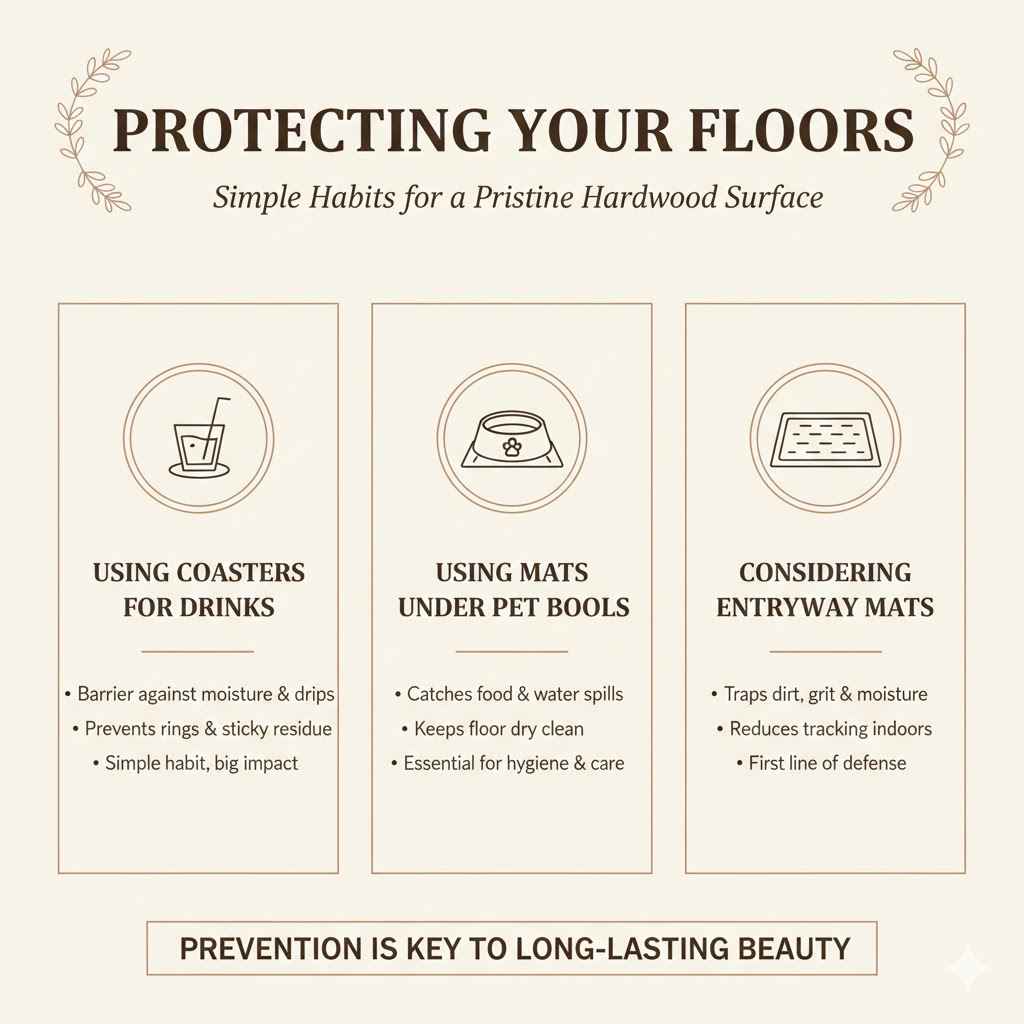
Using coasters for drinks
Always use coasters under glasses and mugs, especially those with condensation. This prevents rings and sticky residue from forming directly on the wood.
Coasters are a simple barrier. They absorb moisture and catch drips, protecting the floor from both water damage and sticky spills. It’s a small habit that makes a big impact.
Using mats under pet bowls
If you have pets, place mats under their food and water bowls. This catches spills and drips from the bowls, preventing them from reaching the hardwood.
Pet feeding areas can be prone to spills. Mats create a protective zone, keeping the hardwood floor dry and clean. This is essential for hygiene and floor care.
Considering entryway mats
Place doormats both inside and outside your main entrances. These trap dirt, grit, and moisture from shoes, reducing what gets tracked onto your floors.
Entryway mats act as the first line of defense against dirt and debris. Less dirt means less scratching and a cleaner surface overall. This also reduces the chance of sticky substances being tracked in.
Frequently Asked Questions
Question: What is the safest way to remove sticky residue from hardwood floors
Answer: The safest way involves using gentle, diluted solutions like a mild dish soap and water mixture or a diluted white vinegar solution. Always test in an inconspicuous area first, use soft cloths, and avoid excessive moisture.
Question: Can I use a magic eraser on sticky residue on hardwood floors
Answer: It’s generally not recommended to use magic erasers on finished hardwood floors. They can be too abrasive and may remove or dull the protective finish, causing damage.
Question: How do I remove sticker residue from hardwood floors
Answer: For sticker residue, try dabbing the area with a small amount of cooking oil or rubbing alcohol on a soft cloth. Let it sit for a few minutes, then gently rub and wipe clean. Always test first.
Question: My child spilled juice on the hardwood. What should I do
Answer: Blot up the spill immediately with a clean cloth. Then, wipe the area with a damp (not wet) microfiber cloth and a very mild, pH-neutral cleaner or just water. Dry the area thoroughly.
Question: Is it okay to use furniture polish to clean sticky spots
Answer: While some furniture polishes can help remove sticky residue, it’s best to use them sparingly and ensure they are safe for finished hardwood floors. Many contain silicones or waxes that can build up over time. Stick to simple, water-based cleaning methods first.
Conclusion
You now have the knowledge to tackle sticky situations on your hardwood floors with confidence. Simple, safe methods using common household items or specialized cleaners can restore your floors’ beauty. Remember to always test any cleaning solution first and use minimal moisture to protect your wood. With a little care and the right approach, keeping your hardwood floors looking their best is achievable for anyone.