How to Remove Sticky Residue From Wood Furniture
Sticky spots on your nice wood furniture can be really annoying. It happens when labels, tape, or even spilled drinks leave behind a gooey mess. For folks new to furniture care, figuring out how to remove sticky residue from wood furniture without causing damage can seem tricky.
But don’t worry! We’ve got some easy ways to get rid of those sticky problems. This guide will walk you through simple steps to make your wood shine again.
Understanding Sticky Residue and Wood
Sticky residue on wood furniture is a common problem that many homeowners encounter. This often results from the breakdown of adhesives found in tapes, labels, or even from spilled sugary drinks that dry and harden. Wood is a porous material, meaning it can absorb substances, and adhesives can bond with its surface over time.
Beginners might find this challenging because they fear using the wrong cleaning agent could damage the wood’s finish or color, leading to permanent marks. Understanding the nature of the sticky mess and the wood’s properties is the first step to a successful clean. This section will cover what makes residue sticky and why wood needs gentle treatment.
What Causes Sticky Residue
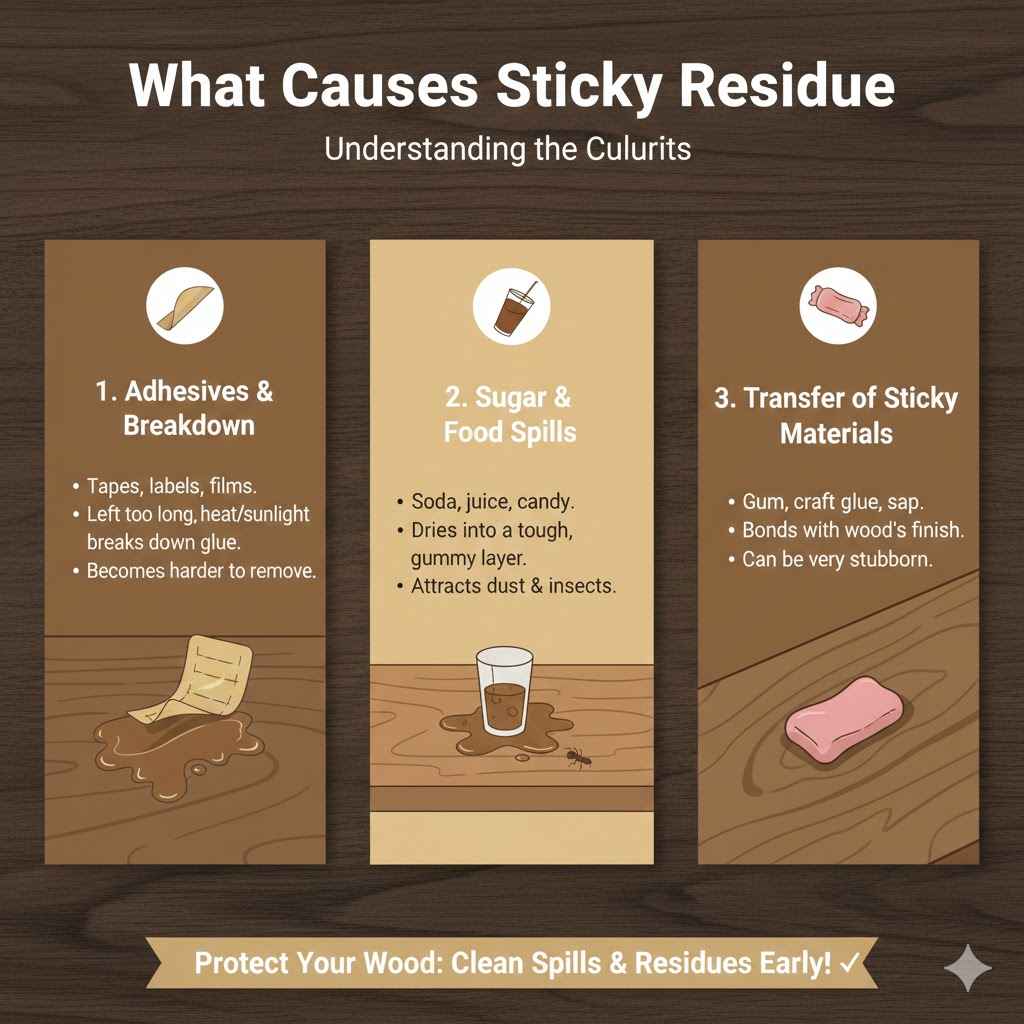
Sticky residue is typically caused by the adhesive used in tapes, labels, or protective films. When these are removed, a portion of the adhesive often remains stuck to the surface. Over time, dust and dirt can cling to this sticky layer, making it even harder to remove and more noticeable.
The type of adhesive plays a big role in how difficult it is to clean. Some adhesives are water-based and easier to dissolve, while others are solvent-based and require specific cleaners.
- Adhesive Breakdown When tapes or labels are left on wood for extended periods, especially in varying temperatures, the adhesive can start to break down. This process can cause it to become more fluid and spread, making it harder to contain and remove. Sunlight and heat can accelerate this breakdown, turning a small sticker residue into a larger, stickier problem.
- Sugar and Food Spills Liquids containing sugar, like soda or juice, can leave a sticky film when they dry. These sugary residues can attract insects and also harden into a tough, gummy layer that is difficult to wipe away with just water. The sugar molecules create a sticky bond with the wood surface.
- Transfer of Sticky Materials Sometimes, sticky items like gum or certain types of craft materials can transfer their stickiness to the wood. These can be particularly stubborn because the sticky substance might have bonded with the wood’s finish.
Why Wood Furniture Needs Gentle Cleaning
Wood furniture, especially if it has a polished or varnished finish, is sensitive to harsh chemicals and abrasive scrubbing. Using the wrong cleaner can strip away the protective coating, leaving the wood dull or discolored. Aggressive scrubbing can also create scratches that are impossible to remove without refinishing.
It’s crucial to use products that are specifically designed for wood or are known to be gentle. The goal is to lift the sticky residue without compromising the integrity and beauty of the wood itself.
- Finish Protection The finish on wood furniture, whether it’s varnish, lacquer, or polyurethane, acts as a protective barrier. Many common household cleaners contain solvents or abrasives that can degrade or scratch this finish. This leaves the underlying wood exposed and vulnerable to damage from moisture and everyday wear and tear.
- Natural Wood Properties Wood itself is a natural material that can react to moisture and certain chemicals. Excessive water can cause wood to swell, and some cleaners can alter its natural color or grain. Always test cleaning solutions in an inconspicuous area first to ensure they don’t cause any adverse reactions.
- Avoiding Scratches and Swirls Applying too much pressure or using abrasive cleaning tools can lead to unsightly scratches and swirl marks on the wood surface. These imperfections are often permanent and detract from the furniture’s appearance. Gentle techniques are key to maintaining a smooth, polished look.
Effective Methods for Removing Sticky Residue
Dealing with sticky residue on wood doesn’t require harsh chemicals or complicated procedures. There are several effective methods that use common household items or readily available products. The key is to start with the gentlest approach and escalate only if necessary.
We will explore various techniques, from simple soap and water to using natural oils and specialized removers, ensuring you have options for different types of sticky messes and wood finishes.
Using Mild Soap and Water
For fresh or less stubborn sticky spots, a simple solution of mild dish soap and warm water can be surprisingly effective. This is often the first and best approach for any wood surface because it’s gentle and readily available. The soap helps to break down the stickiness, while the water rinses it away.
Always use a soft cloth and avoid soaking the wood, as excess moisture can damage it.
- Preparation Mix a few drops of mild dish soap into a bowl of warm water. Stir gently to create suds but avoid making the water overly soapy. The idea is to use the soap’s degreasing properties without leaving behind a soap residue itself.
- Application Dip a soft, lint-free cloth into the soapy water. Wring it out thoroughly so the cloth is damp, not wet. Gently wipe the sticky area. You should start to see the residue lifting off the surface.
- Rinsing and Drying After removing the residue, dip a clean cloth in plain water and wring it out well. Wipe the area again to remove any soap traces. Immediately dry the spot with a dry, soft cloth to prevent water from sitting on the wood.
Natural Oil Solutions
Certain natural oils can act as fantastic solvents for sticky residue without harming the wood’s finish. Oils like olive oil, vegetable oil, or even mineral oil can help to break down the adhesive bonds. This method is particularly useful for delicate wood finishes as it’s very gentle and can also help condition the wood.
- Olive Oil or Vegetable Oil Method Apply a small amount of olive oil or vegetable oil directly to the sticky residue. Let it sit for about 15-30 minutes. The oil will penetrate the adhesive, making it less sticky.
- Rubbing Action Use a soft cloth to gently rub the area. The oil should help lift the residue. You might need to apply a little more oil and repeat the rubbing process.
- Cleaning Up Oil Residue Once the sticky residue is gone, clean the area with a damp cloth to remove excess oil. Then, dry thoroughly with a clean, soft cloth. You can then apply a wood polish to restore the shine.
Using Rubbing Alcohol (Isopropyl Alcohol) Sparingly
Rubbing alcohol, or isopropyl alcohol, is a common household item that can effectively dissolve many types of adhesives. However, it can be drying to wood finishes, so it must be used with caution and in moderation. Always test it on an inconspicuous spot first to ensure it doesn’t damage the finish.
- Dilution is Key For most wood finishes, it’s best to dilute rubbing alcohol with an equal part of water. This creates a milder solution that is less likely to strip the finish. For very stubborn residues, a slightly stronger solution might be tested carefully.
- Damp Cloth Application Apply the diluted alcohol solution to a soft cloth, not directly to the wood. Wring out the cloth so it’s just damp. Gently dab and then lightly rub the sticky residue.
- Quick Action and Neutralization Work quickly to avoid letting the alcohol sit on the wood for too long. Once the residue is gone, immediately wipe the area with a cloth dampened with plain water to neutralize any remaining alcohol. Dry the area completely with a soft, dry cloth.
Specialized Adhesive Removers
When natural methods don’t quite cut it, specialized adhesive removers are available. These products are formulated to break down sticky substances efficiently. It’s important to choose a remover that is safe for wood finishes and to follow the manufacturer’s instructions precisely.
- Product Selection Look for removers specifically labeled as safe for wood furniture or with citrus-based ingredients, as these are often gentler. Read reviews and product descriptions carefully. Some common brands include Goo Gone or WD-40 (used very sparingly and cautiously on wood).
- Patch Test First Before applying any commercial remover to the visible area, test it on a hidden spot of the furniture, like the underside of a table or the back of a chair leg. This will help you see how the wood finish reacts to the product.
- Application and Removal Apply a small amount of the remover to a cloth or cotton ball, not directly to the furniture. Gently dab and rub the sticky residue. Allow the product to work for the time recommended by the manufacturer. Wipe away the residue and then clean the area with a damp cloth and dry it thoroughly.
Dealing with Tougher Sticky Situations
Sometimes, the sticky residue has been on the wood for a long time, or it’s a particularly stubborn type of adhesive. These tougher situations might require a bit more patience and a combination of techniques. We’ll cover methods that are effective for hardened, old, or very persistent sticky spots, always keeping the wood’s safety in mind.
The Heat Method (with Caution)
Applying gentle heat can sometimes soften stubborn adhesives, making them easier to remove. This method is best used for stickers or tape residue. You must be very careful not to overheat the wood, as this can damage the finish.
- Use a Hair Dryer Set a hair dryer to a low or medium heat setting. Hold it a few inches away from the sticky residue. Move the hair dryer back and forth constantly to avoid concentrating heat on one spot.
- Peel Gently As the residue softens, try to gently peel it away with your fingernail or a plastic scraper. If it’s still sticky, apply a little more heat.
- Clean Up Once the bulk of the residue is removed, you can use one of the milder cleaning methods, like mild soap and water or a natural oil, to remove any remaining stickiness. Always dry the area thoroughly.
Using Baking Soda Paste
Baking soda is a mild abrasive that, when mixed with water or oil to form a paste, can help scrub away sticky residue without being too harsh on most finishes. It’s a natural cleaner that is often effective for lifting grime and residue.
- Create the Paste Mix baking soda with a small amount of water or a suitable oil (like vegetable oil) to create a thick paste. The consistency should be like toothpaste.
- Gentle Application Apply the paste to the sticky area with a soft cloth or your finger. Gently rub the paste in a circular motion. The mild abrasive action of the baking soda will help dislodge the sticky film.
- Wipe and Rinse Use a clean, damp cloth to wipe away the baking soda paste and the loosened residue. Rinse the cloth and wipe the area again to ensure all paste is removed. Dry the wood surface completely with a soft, dry cloth.
Eraser and Scraping Techniques
Sometimes, a simple pencil eraser or a plastic scraper can do wonders for lifting residue. These tools provide a physical way to remove the sticky layer, but they must be used carefully to avoid scratching the wood.
- Pencil Eraser For small, dry residue spots, a clean, soft pencil eraser can sometimes “erase” the stickiness away. Rub gently back and forth. This works best on residue that is already starting to dry out or become flaky.
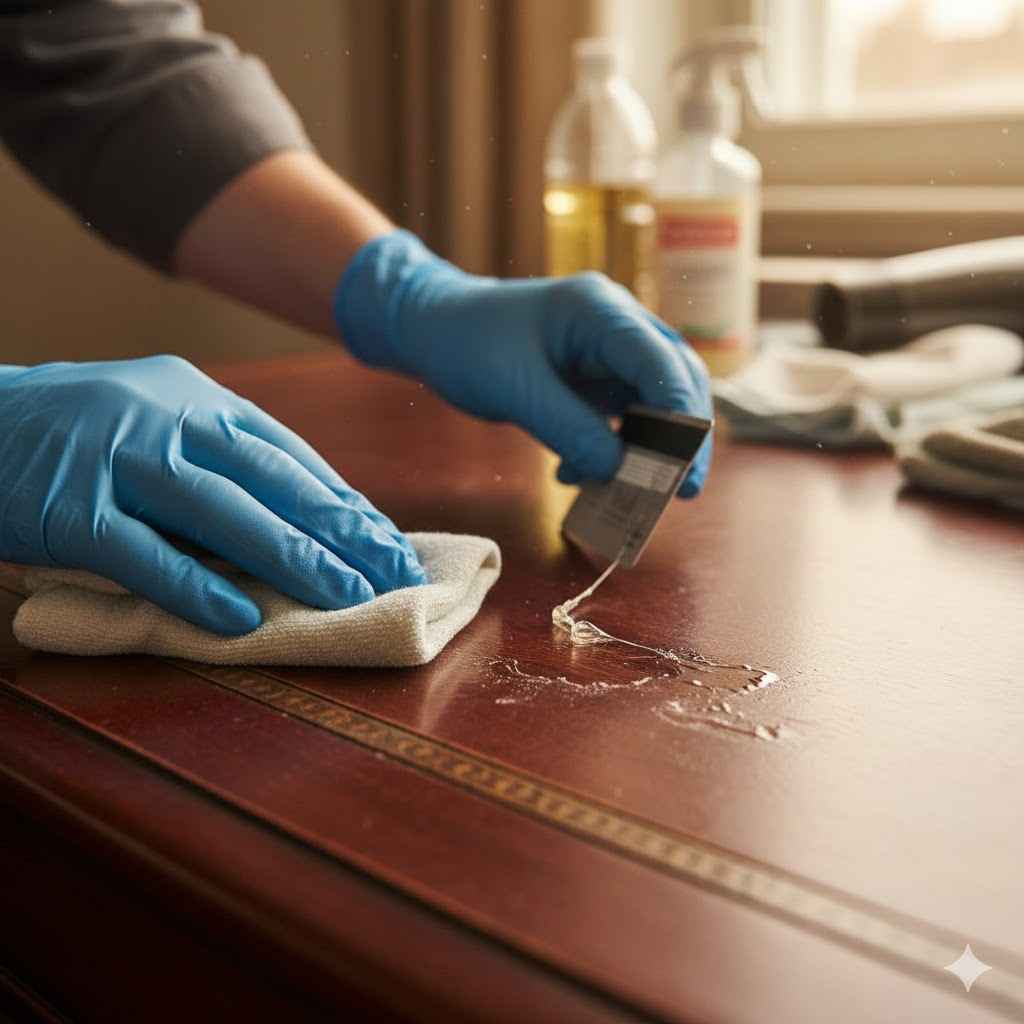
- Plastic Scraper or Old Credit Card For thicker, more stubborn residue, a plastic scraper, the edge of an old credit card, or even a plastic putty knife can be used. Hold the tool at a low angle to the wood and gently push or scrape under the edge of the residue. Be very careful not to dig into the wood.
- Combined Approach Often, a combination of gentle heat or an oil-based solvent followed by careful scraping with a plastic tool is the most effective way to remove very tough, old sticky residue.
Protecting Your Wood Furniture Afterwards
Once you’ve successfully removed sticky residue from your wood furniture, it’s important to take steps to protect the surface and maintain its appearance. Proper care will help prevent future issues and keep your furniture looking its best for years to come. This section will cover cleaning up, conditioning, and protecting your wood.
Final Cleaning and Polishing
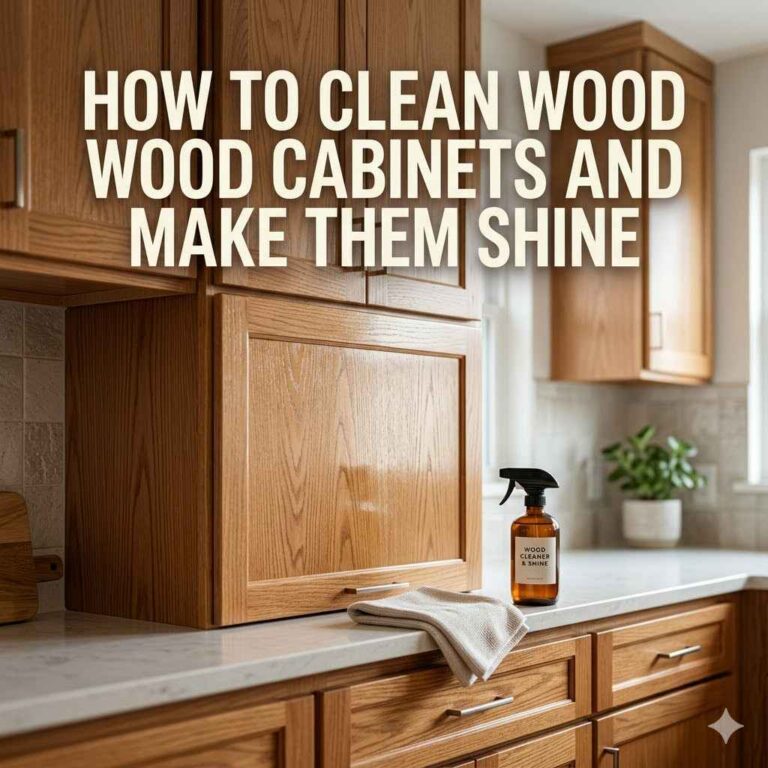
After all the sticky residue is gone, a final cleaning and polishing step will restore the wood’s natural luster and provide a protective layer. This is crucial to ensure the area you cleaned blends in seamlessly with the rest of the furniture.
- Gentle Wipe Down Use a soft, dry cloth to wipe down the entire area where you worked. This removes any lingering cleaning agent traces or dust.
- Wood Polish or Wax Apply a small amount of good quality wood polish or furniture wax to a clean, soft cloth. Buff it gently into the wood in the direction of the grain. This will help to restore the sheen and provide a protective barrier.
- Allow to Cure Let the polish or wax cure for the time recommended by the product manufacturer before placing items on the surface or dusting. This ensures the protective layer is fully effective.
Regular Maintenance and Prevention
Preventing sticky residue from forming in the first place is easier than removing it. Regular dusting and prompt cleanup of spills are key. For furniture that is frequently exposed to direct sunlight or is in a high-traffic area, consider using protective covers or coasters.
- Routine Dusting Dust your wood furniture regularly with a soft, dry microfiber cloth. This prevents dust and grime from accumulating, which can make surfaces sticky over time, especially in humid environments.
- Immediate Spill Cleanup If you spill anything on your wood furniture, wipe it up immediately with a clean, dry cloth. For sticky liquids, use a slightly damp cloth followed by a dry one. Quick action prevents spills from drying and becoming hard-to-remove stains or sticky spots.
- Use Coasters and Mats For drinks, place coasters on tables. Use placemats for meals. This simple habit prevents rings from condensation and protects the wood from spills and scratches, reducing the chance of sticky residue forming.
When to Call a Professional
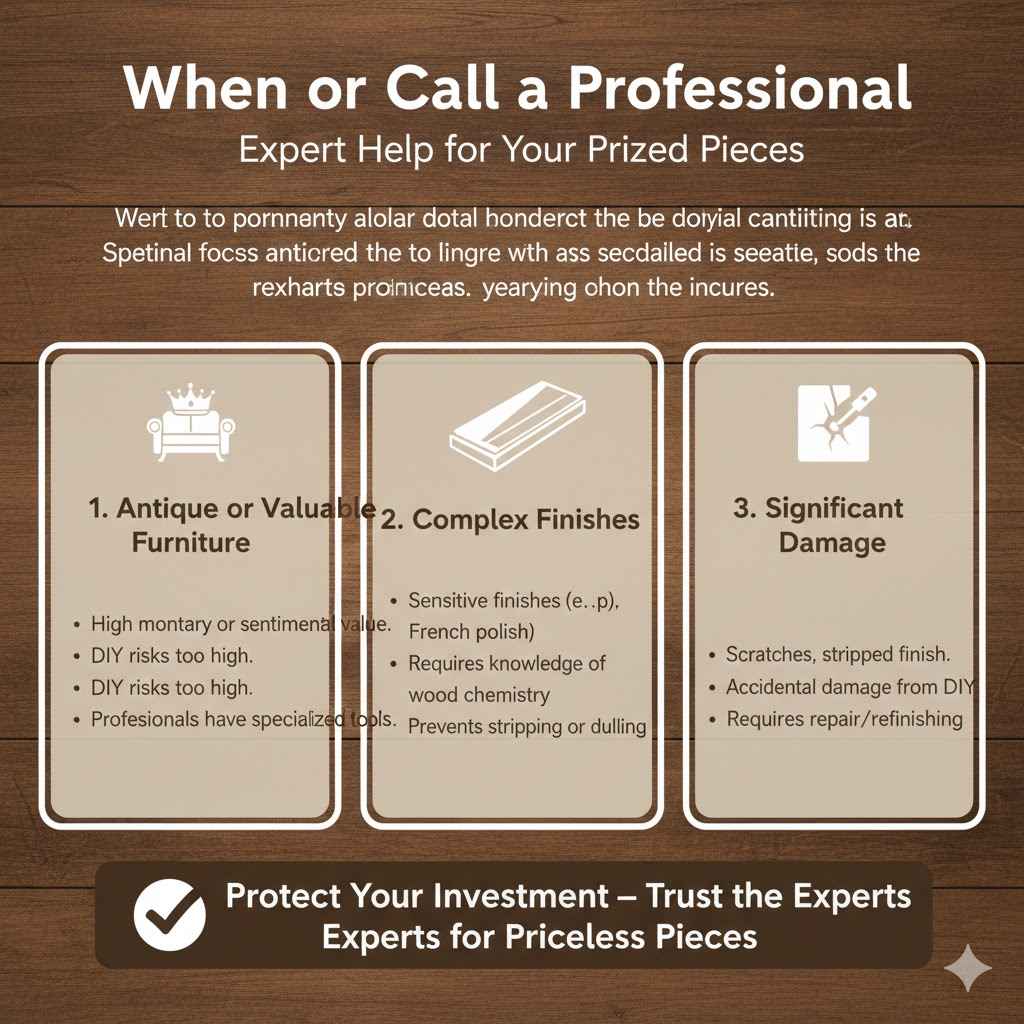
While most sticky residue issues can be handled with home remedies, there are times when it’s best to seek professional help. If your furniture is an antique, has a delicate or unique finish, or if you’ve accidentally caused damage during the cleaning process, a professional restorer can provide expert advice and services.
- Antique or Valuable Furniture For antique pieces or furniture with a high monetary or sentimental value, the risk of causing damage with DIY methods might be too high. Professionals have the knowledge and specialized tools to handle these items safely.
- Complex Finishes Some furniture pieces have intricate finishes like French polish or hand-rubbed oils that are very sensitive to cleaning agents. A professional woodworker or restorer understands how to clean and maintain these finishes without causing harm.
- Significant Damage If you’ve tried to remove residue and ended up scratching or stripping the finish, a professional can assess the damage and recommend appropriate repair or refinishing services to restore your furniture’s appearance.
Frequently Asked Questions
Question: What is the safest way to remove sticker residue from wood furniture?
Answer: The safest way usually starts with the gentlest methods. Try using mild dish soap and water on a damp cloth first. If that doesn’t work, a natural oil like olive oil applied for a bit can help soften the residue for easier removal.
Always rub gently and dry the wood immediately.
Question: Can I use nail polish remover on sticky residue on wood?
Answer: Nail polish remover typically contains strong solvents like acetone, which can easily damage and strip the finish from wood furniture. It is not recommended for removing sticky residue. Stick to gentler methods to avoid harming your furniture.
Question: How long should I let oil sit on sticky residue?
Answer: For most natural oils like olive or vegetable oil, letting it sit for about 15 to 30 minutes is usually sufficient. This gives the oil time to penetrate and break down the adhesive. For very stubborn residue, you might leave it a little longer, but check periodically.
Question: Will heat damage my wood furniture when removing stickers?
Answer: Heat can damage wood furniture if applied too intensely or for too long. When using a hairdryer, always use a low to medium setting and keep the dryer moving constantly a few inches from the surface. Avoid direct, prolonged heat to prevent warping or finish damage.
Question: How do I remove sticky residue from a painted wood surface?
Answer: For painted wood, start with mild soap and water. If that doesn’t work, try a very diluted solution of rubbing alcohol (1 part alcohol to 4 parts water) applied to a cloth, not directly to the paint. Test in an inconspicuous area first, as some paints can be sensitive to alcohol.
Wrap Up
You now know how to remove sticky residue from wood furniture. Gentle methods like soap and water or natural oils work well for most messes. For tougher spots, baking soda paste or careful heat application can be effective.
Always test first and work gently to protect your wood. Keeping furniture clean and using coasters helps prevent future sticky problems. Your furniture can look great again!