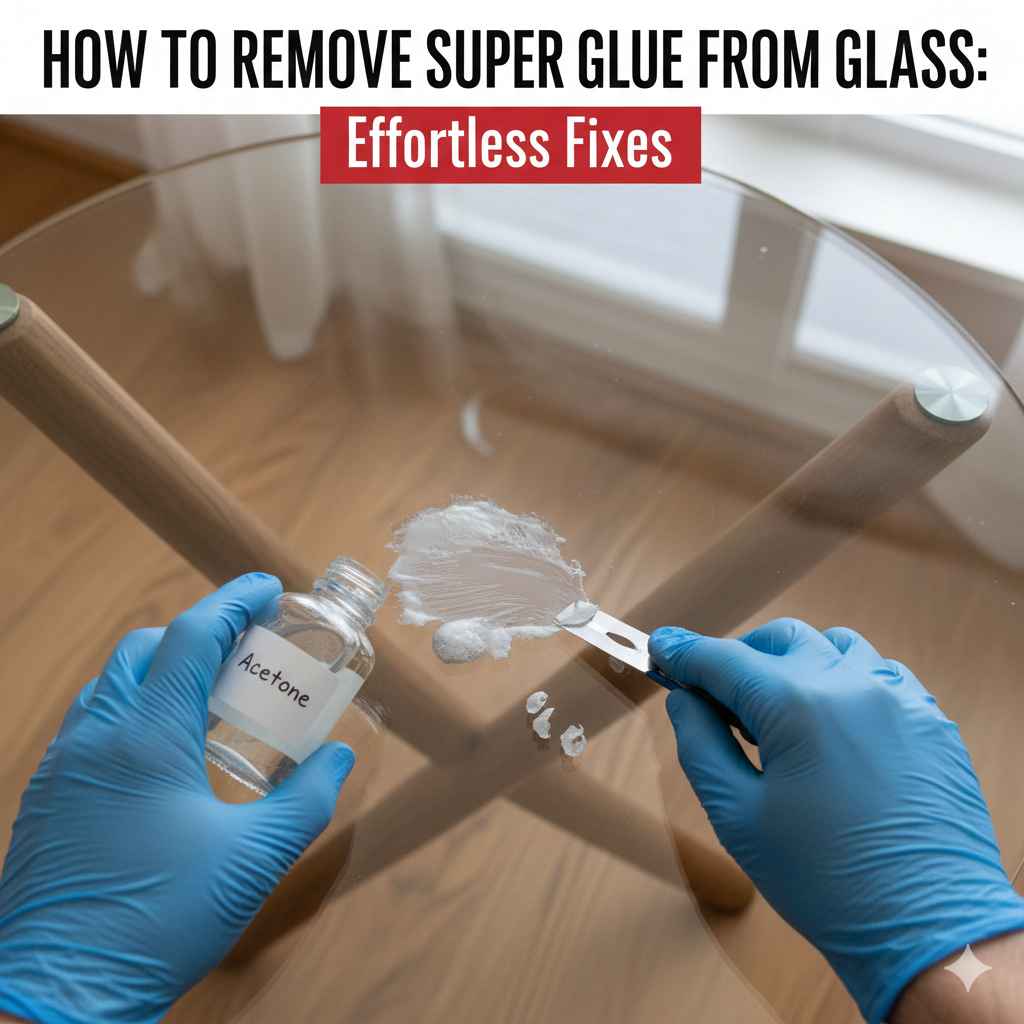
How To Remove Super Glue From Glass: Effortless Fixes
To effortlessly remove super glue from glass without acetone, gently scrape off the bulk with a plastic razor blade or credit card, then soak the area in warm, soapy water. For tougher spots, carefully apply mineral oil or rubbing alcohol, allowing time to soften the adhesive before wiping clean. Always test sensitive areas first.
We’ve all been there. You’re working on a quick home repair, maybe setting a decorative piece or mending a broken trinet, and a tiny blob of super glue lands right on a nearby glass pane, tabletop, or window. Don’t panic! That powerful, instant bond feels permanent, but I promise you, it’s not. Super glue, or cyanoacrylate, is strong, but glass is tough, and we have safe, common household items that can gently persuade that sticky mess to let go.
As your woodworking and home improvement guide, I believe that every DIY challenge has a straightforward, non-stressful solution. We are going to walk through the best, easiest methods, step-by-step, focusing on techniques that keep your glass scratch-free and your hands safe. Get ready to see that smudge disappear! Let’s dive into the simple tools and trusted techniques that will restore your glass surfaces perfectly.
Understanding Super Glue and Glass
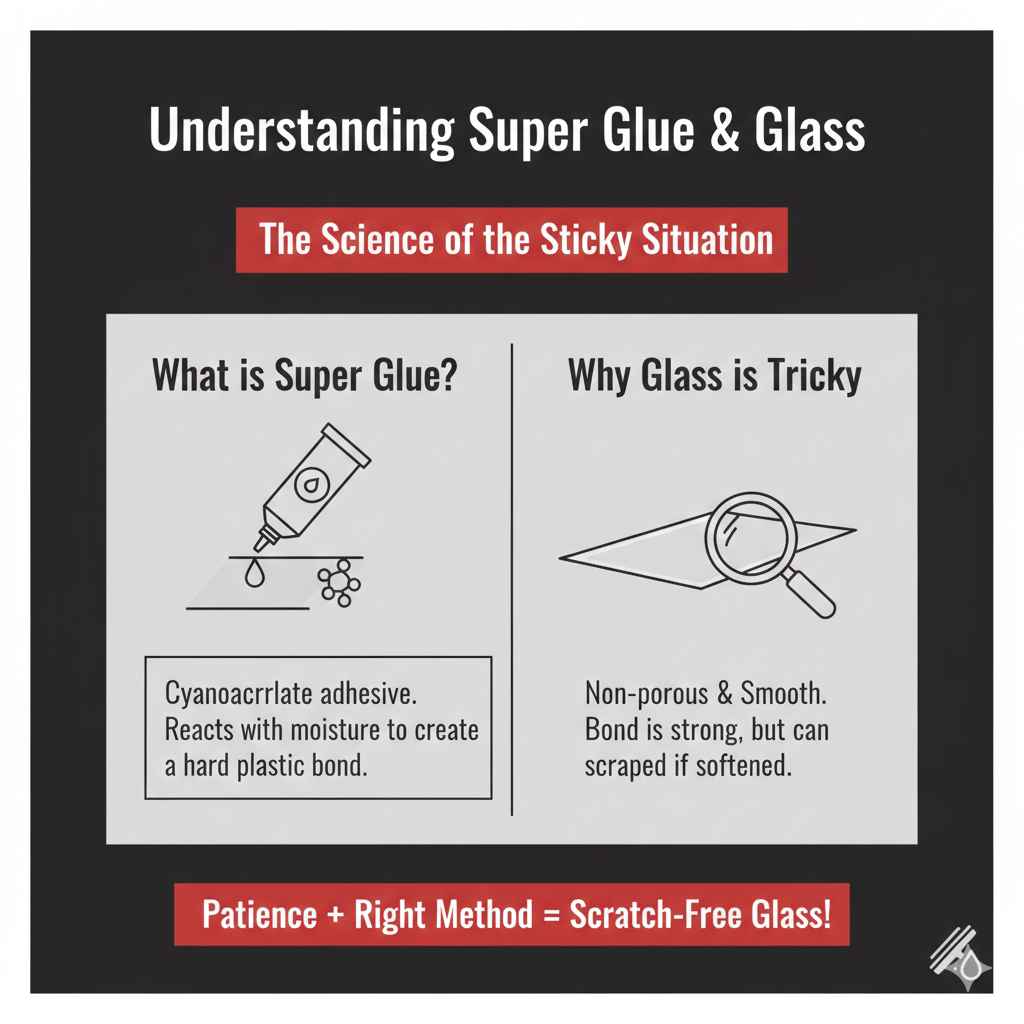
Before grabbing harsh chemicals, it helps to know what we are fighting. Super glue (cyanoacrylate adhesive) works by reacting instantly with trace amounts of moisture on the surfaces it touches. This creates a very strong, hard plastic bond. Glass, on the other hand, is non-porous and very smooth, which actually makes the bond hard to break down chemically, but easy to scrape off once softened.
The key is patience and using the right kind of gentle force or solvent. Because glass is non-reactive, it can handle most of the mild treatments we use, but we must protect it from scratching.
Safety First: Preparing for Glue Removal
Even simple fixes require simple safety steps. Since we are dealing with chemicals and sharp edges (even plastic ones!), preparation is key to a happy result.
Essential Safety Tips
- Ventilation: If you choose to use solvents like rubbing alcohol (isopropyl) or mineral spirits, always work in a well-ventilated area.
- Gloves: Wear simple rubber gloves to protect your skin from solvents and to keep oils from your hands getting onto the freshly cleaned glass.
- Test Area: Always test your chosen method—especially if the glass has a coating, tint, or is near a painted surface—on a small, inconspicuous spot first.
Step 1: The Gentle Physical Removal (The Best First Approach)
The easiest way to get most of the glue off, especially thick blobs, is through gentle physical removal. This works best when the glue is relatively new or has a defined edge.
Tools You Will Need for Scraping
Forget metal scrapers for now! We need items that are harder than the glue but softer than the glass.
- Plastic razor blade (ideal for windows and large flat surfaces)
- Old credit card or gift card (great for quick scrapes)
- A plastic putty knife
- A non-scratch scrub pad (the white or blue ones, not the green scourer)
How to Scrape the Dried Glue
- Soften First (Optional but Helpful): Run the glue area under very warm water for about a minute. Heat can slightly soften the cyanoacrylate bond, making it brittle and easier to lift. Dry the area thoroughly afterward.
- Angle the Scraper: Hold your plastic razor blade or credit card at a very shallow angle—about 15 to 20 degrees—against the glass surface. You want to get under the edge of the glue, not dig straight down into the glass.
- Push, Don’t Dig: Apply light, steady pressure and gently push the scraper along the glass surface toward the thickest part of the glue spot. You should feel the dried glue start to flake or peel up.
- Repeat: Work slowly around the edges of the blob, peeling up layers until only a thin residue remains.
Step 2: The Power of Soapy Water (The Beginner’s Go-To Method)
For delicate glass items, painted surfaces nearby, or just as a very gentle starting point, hot, soapy water does wonders. This method works because prolonged soaking helps break the adhesive’s bond, much like a slow-acting chemical bath.
Instructions for Soaking
This is ideal for glass items you can submerge, like drinking glasses, picture frames, or decorative bottles.
- Prepare the Bath: Fill a sink or basin with very hot water (as hot as your tap will safely go). Add a generous squirt of strong dish soap—the kind designed to cut grease works best.
- Soak It: Submerge the glass item completely. For best results, let it soak for at least 30 minutes. For very tough glue spots, you might let it sit for several hours.
- Test and Scrape: After soaking, try rubbing the glue spot with your finger or a soft cloth. If it’s loose, it should wipe away. If residue remains, use the plastic scraper method described in Step 1 while the glass is still warm and damp.
- Rinse and Dry: Wash the item normally and dry with a lint-free cloth.
Step 3: Tackling Stubborn Residue with Household Solvents
If scraping and soaking leave behind a cloudy film or small hard spots, we need a safe solvent. Many people immediately think of acetone (nail polish remover), but we will explore gentler, often more effective alternatives, especially if you are trying to remove super glue from glass without acetone.
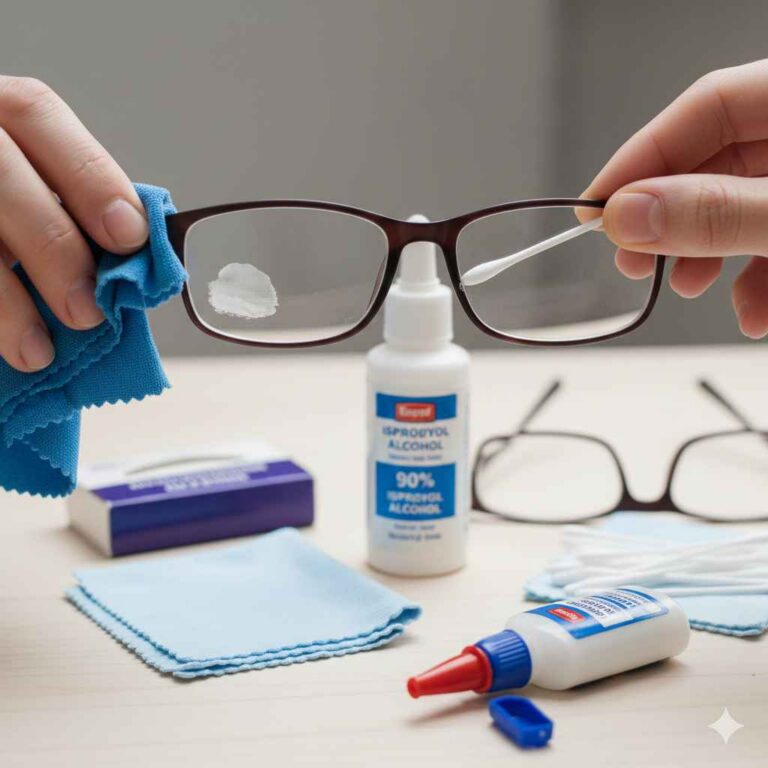
Method A: Rubbing Alcohol (Isopropyl Alcohol)
Rubbing alcohol is a fantastic, readily available solvent for cyanoacrylate. It often works faster than water and evaporates cleanly, leaving no residue.
When to use this: Small splatters or thin films on large glass panes where soaking isn’t possible.
- Gather Supplies: You need 90% or higher Isopropyl Alcohol, cotton balls, or a clean microfiber cloth.
- Apply Liberally: Dampen the cotton ball completely with the alcohol. Do not pour it directly onto the glass, as it could run onto surrounding materials.
- Dwell Time is Key: Press the alcohol-soaked cotton ball directly onto the glue spot and hold it there for 3 to 5 minutes. This gives the alcohol time to penetrate and weaken the bond.
- Wipe Away: Gently rub the area with the cotton ball in a circular motion. The glue should start to pill up and roll off.
- Clean Up: Wipe the area one last time with clean glass cleaner to remove any alcohol residue.
Method B: Oils and Fats (Mineral Oil or Cooking Oil)
Fats and oils work by lubricating the bond and chemically interfering with the adhesive over time. This is incredibly gentle and is perfect for vintage or antique glass where you worry about any potential etching from stronger chemicals.
Note: This method requires the longest waiting time but is the safest for the glass surface.
- Mineral Oil (recommended for a cleaner finish)
- Vegetable Oil or Olive Oil (use only if mineral oil isn’t available)
- Saturate the Spot: Generously apply your chosen oil directly onto the glue residue until the area is well-coated.
- Wait Patiently: Let the oil sit for several hours—ideally 4 to 6 hours, or even overnight if possible. This waiting period is crucial for the oil to penetrate the bond.
- Scrape Softened Glue: After the dwell time, the glue should feel significantly softer and gummy. Use your plastic scraper or a fingernail to gently lift the softened mass.
- Degrease: Because you used oil, you must clean the area thoroughly afterward with strong dish soap and hot water to remove all the greasy residue before moving on to window cleaner.
Step 4: The Acetone Option (When All Else Fails)
While the goal was to avoid acetone (found in many nail polish removers), it is the most aggressive and effective solvent for breaking down cyanoacrylate bonds quickly. Use this method only on solid, thick glass, and proceed with extreme caution.
A Word of Caution on Acetone
Acetone can damage many surfaces besides glass. It can melt plastics, dissolve paint, ruin varnishes, and strip finishes. If your glass item is near any plastic trim or painted wood, skip this step entirely. For guidance on safe chemical handling, resources like the National Safety Council provide general guidelines, though home use requires common sense care.
Using Acetone Safely on Glass
- Protect Surroundings: Place a thin towel or sheet of plastic wrap around the glass area if the glue spot is near wood or plastic.
- Apply to a Q-tip: Dampen a cotton swab or the tip of a clean cloth with acetone. Do not soak it heavily.
- Dab and Wait: Dab the acetone directly onto the glue spot. Wait only 30 seconds—acetone works fast.
- Wipe or Scrape: Immediately try to wipe the softened glue away with the swab or a plastic scraper.
- Rinse Immediately: Once the glue is gone, immediately wipe the area with a clean cloth dampened with plain water to neutralize the acetone, and then dry.
Comparison of Glue Removal Techniques
Choosing the right method upfront saves time and frustration. Here is a quick breakdown of when to use each technique.
| Method | Best For | Pros | Cons/Caution |
|---|---|---|---|
| Physical Scraping | Thick, fresh blobs of glue | Fastest method; requires no chemicals | Risk of scratching if done incorrectly |
| Soapy Water Soak | Submersible glass items | Very gentle; uses common items | Slow; only works for fully immersible items |
| Rubbing Alcohol | Thin films or dried splatters | Effective solvent; evaporates cleanly | Requires 3-5 minutes of dwell time |
| Mineral Oil | Delicate or coated glass | Extremely safe for the surface | Requires many hours of waiting; leaves an oily mess |
| Acetone | Thick, old, extremely hard glue | Fastest chemical solvent | Can damage adjacent plastics, paints, or finishes |
Troubleshooting Common Issues
Sometimes, the glue resists even the best methods. Here are answers to common sticking points.
Issue 1: The Glue Keeps Re-Hardenining
If you apply a solvent, wipe the glue off, and it immediately seems to harden again, this usually means two things:
- The initial solvent application wasn’t long enough to fully break down the entire bond.
- You didn’t remove all the softened material, and the remaining tiny bit is re-curing against the glass.
Fix: Go back to the soaking or solvent application (Step 3), and ensure you remove every trace of the softened material before you let the glass dry completely.
Issue 2: The Glass Has a Slight Cloudiness After Cleaning
This cloudiness is often either residue from the oil you used (if you chose Method B) or a slight film left by the solvent.
Fix: Clean the entire glass surface with a proper, commercial glass cleaner (like a vinegar-based one) applied with a clean, lint-free cloth or newspaper. This final polish should clear up any lingering haze.
Issue 3: The Glue Is Near a Plastic Frame That Can’t Handle Solvents
This is where the physical method and the oil method truly shine. If acetone or alcohol would damage the adjacent frame, you must rely on mechanical removal combined with gentle softening.
Fix: Perform a long, hot soapy soak (if possible) or apply mineral oil for many hours. Use your plastic scraper with extreme care, focusing only on the glue line directly touching the glass. Work slowly, focusing on lifting the glue mass away from the plastic edge.
Pro Tips for a Scratch-Free Finish
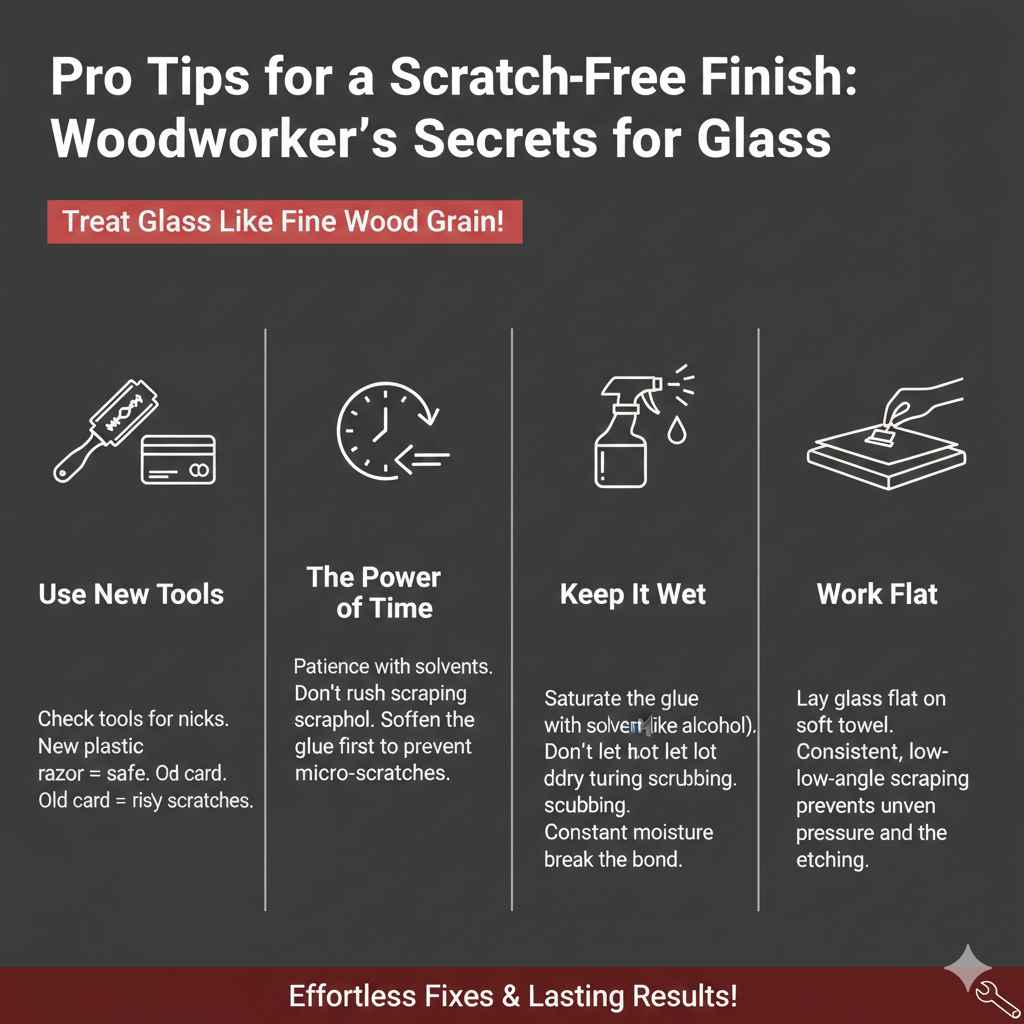
As a woodworker, I see beautiful finishes ruined by rushing tiny details. Treating glass with the same respect you give fine wood grain prevents frustration.
- Use New Tools: If you use an old credit card, check it for nicks or rough edges that could etch the glass. A new plastic razor blade is worth the small investment.
- The Power of Time: Most methods work better with patience. If you scrape too hard before the solvent has done its job, you’ll just create micro-scratches.
- Keep It Wet: When using a solvent like alcohol, keep the area wet with the solvent during the scrubbing process. Don’t let it dry out mid-scrub.
- Work Flat: If possible, lay the glass piece flat on a sturdy workbench covered with a soft towel so you can maintain that gentle, low scraping angle consistently.
Frequently Asked Questions (FAQ) About Glue Removal
Q1: Can I use WD-40 to get super glue off glass?
Yes, WD-40 can work similarly to mineral oil because it is oil-based. Apply a small amount, let it sit for about an hour, and then gently wipe or scrape the softened glue away. Remember to clean the WD-40 residue well afterward.
Q2: Is it safe to use a razor blade meant for paint scraping on glass?
Only use metal razor blades on glass if they are brand new and you hold them at an extremely shallow angle (less than 10 degrees). For beginners, I highly recommend sticking to plastic scrapers or credit cards to eliminate the risk of scratching, especially on tempered or coated glass.
Q3: How long does super glue need to dry before I can try to remove it?
Cyanoacrylate bonds almost instantly, achieving significant strength within minutes. While you can try to scrape off a very fresh spill immediately, you will have much better luck if you let it cure completely—about 24 hours—before attempting any chemical or softening removal.
Q4: Does boiling water work better than very hot tap water for soaking?
Very hot tap water is usually sufficient when combined with soap. Boiling water poses a risk of cracking the glass, especially if the glass is cold beforehand or if it is thin or tempered. Stick to hot, not boiling, water for soaking.
Q5: Why is the glue turning white or chalky when I wipe it?
This is a common sign that your solvent (likely alcohol) is starting to work. The white appearance means the adhesive is breaking down into a powdery or flaky substance. Keep wiping or gently scraping; this chalky material should come right off.
Q6: What if the glue is on tinted car window glass?
If the glue is on the inside surface of tinted glass, avoid acetone and harsh alcohols, as these can ruin the tint film. Use the warm, soapy water soak (if possible) or the gentle mineral oil method, followed by a plastic scraper, to protect the tint layer.
Conclusion: Confidence in Clean Up
Dealing with super glue on glass can feel intimidating, but as you now see, you don’t need aggressive chemicals to fix it. By starting with the gentlest methods—soaking and light scraping—and only escalating to safe solvents like rubbing alcohol if necessary, you can restore your beautiful glass surface perfectly. Remember, every successful fix builds your DIY confidence. Keep those plastic scrapers handy, use patience as your best tool, and enjoy the clean results. You’ve got this!