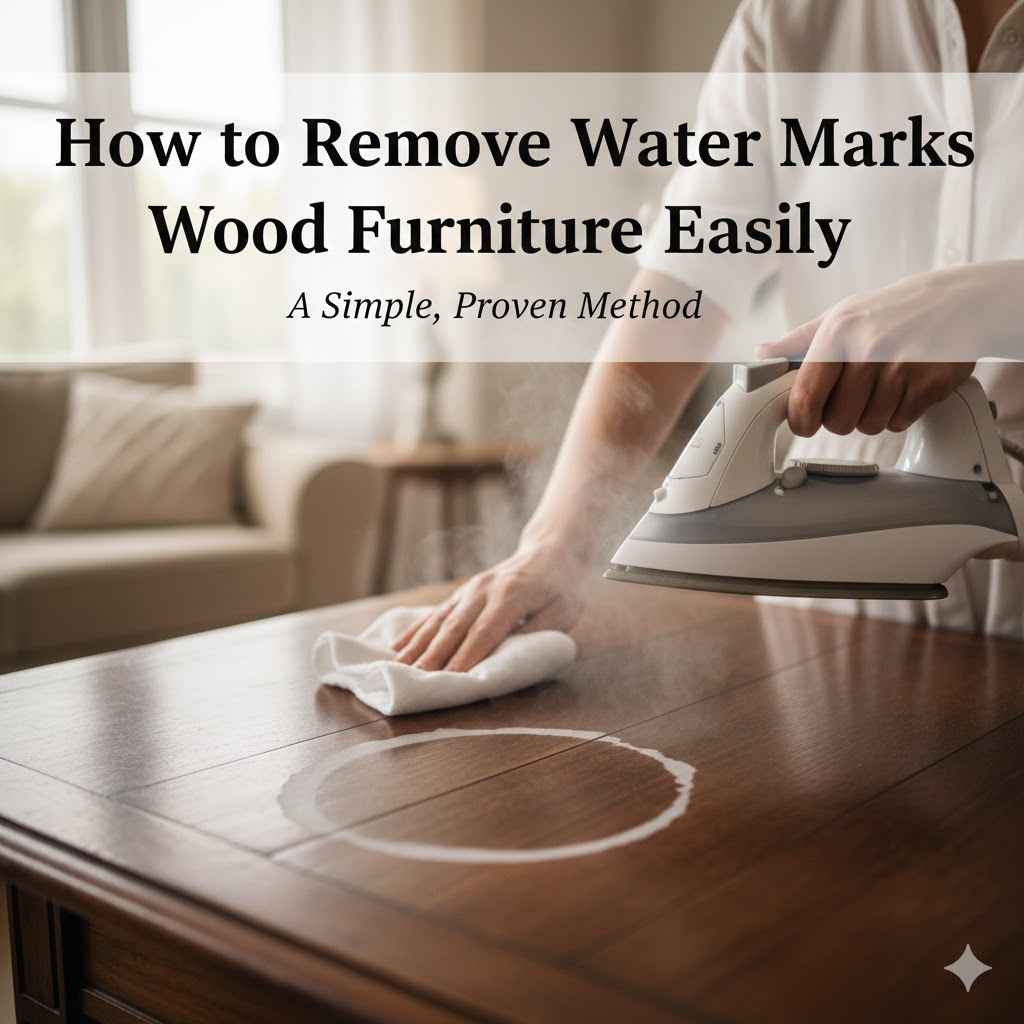
How to Remove Water Marks From Wood Furniture Easily
Water marks on your favorite wood furniture can be frustrating. They happen easily, especially if you’re new to furniture care. Sometimes a wet glass or a spilled drink leaves a white or dark spot.
Many people find it tricky to fix these without damaging the wood. But don’t worry! We’ve got a simple, step-by-step guide that anyone can follow to make those marks disappear.
Get ready to learn the secrets to restoring your wood furniture’s beauty.
Understanding Wood Furniture Water Marks
Water marks on wood furniture are a common problem that can seem daunting at first. These unsightly blemishes appear when moisture seeps into the finish of the wood. The type of mark, whether white or dark, often tells you how deep the damage is.
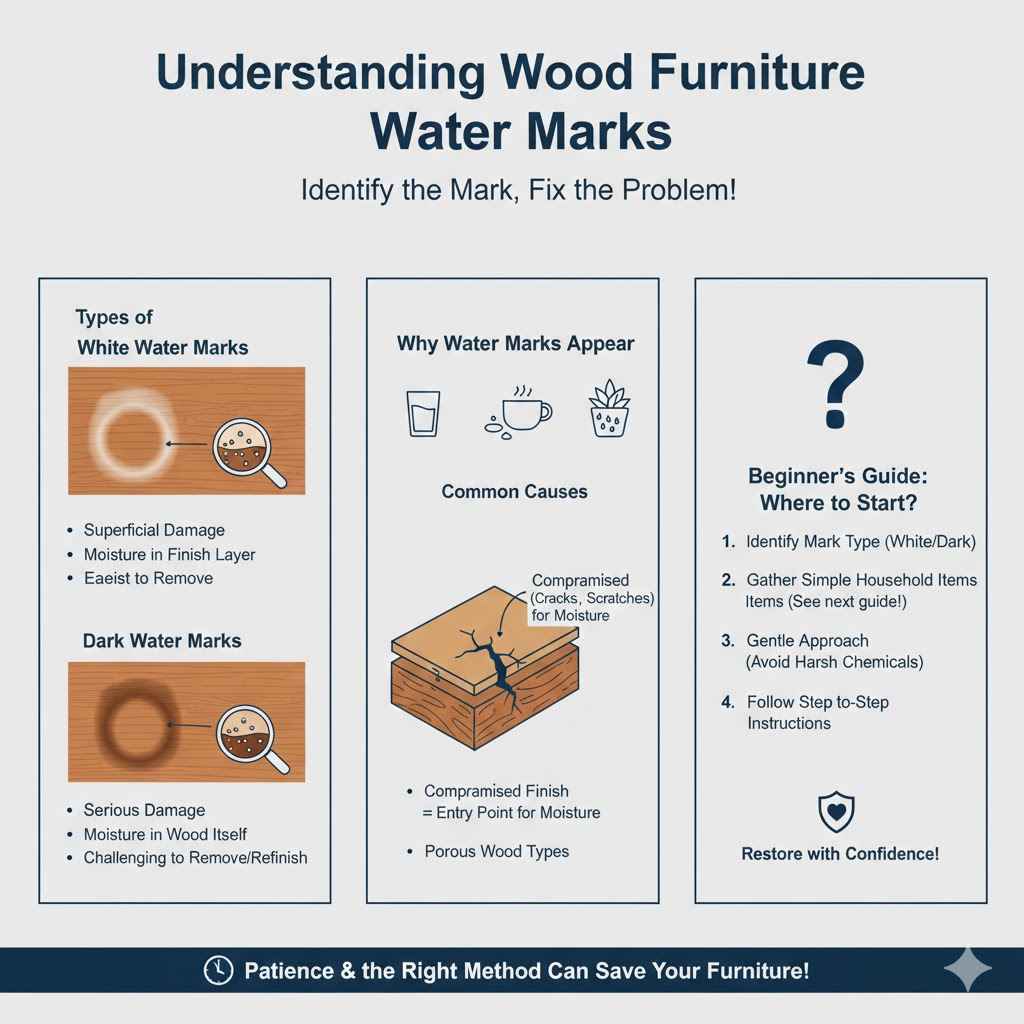
White marks usually mean the water has only affected the top layer of the finish, trapping air. Dark marks suggest the water has gone deeper, potentially reaching the wood itself. Learning to identify the type of mark is the first step in effectively tackling How to Remove Water Marks from Wood Furniture.
Many beginners are unsure where to start when they see these marks. They worry about making the problem worse or damaging the furniture’s finish. The good news is that most common water marks are fixable with simple household items and a gentle approach.
This guide will walk you through the process so you can restore your furniture with confidence.
Types of Water Marks on Wood Furniture
When moisture interacts with wood furniture, it can leave behind different kinds of marks. These marks are generally categorized into two main types: white marks and dark marks. Each type requires a slightly different approach to removal, based on how deeply the water has penetrated the wood’s finish.
White Water Marks
White water marks are the most common and usually the easiest to remove. They occur when moisture gets trapped between the top layers of the wood finish, like varnish, lacquer, or shellac. The water causes the finish to cloud up, creating a white or hazy appearance.
This is essentially an emulsion, where tiny water droplets are dispersed in the finish.
The good news is that these marks are superficial. They haven’t damaged the wood itself. The moisture is only in the finishing layer.
Because of this, they can often be lifted out or the finish can be restored to its original clarity without permanent damage. The key is to draw the moisture out or re-emulsify the finish gently.
Dark Water Marks
Dark water marks are more serious and indicate that the moisture has penetrated beyond the finish and into the wood itself. This often happens when the finish is worn, scratched, or compromised. When water reaches the wood fibers, it can cause them to swell and stain the wood.
Sometimes, this staining is due to tannins within the wood itself reacting with the water.
Removing dark water marks can be more challenging and may require more aggressive methods, sometimes even involving refinishing the affected area. The deeper the mark, the more effort will likely be needed. It’s important to be patient and cautious when dealing with dark marks to avoid causing further damage.
Why Water Marks Appear
Understanding why water marks appear on wood furniture helps in prevention. The most obvious cause is direct contact with moisture. This can come from a variety of everyday situations.
- Condensation from glasses or bottles is a frequent culprit.
- Spills from drinks or food can leave moisture behind.
- Overwatering houseplants placed on furniture can lead to drips.
- Humidity can also play a role, especially in damp environments, though this usually causes more general dulling rather than distinct marks.
The finish on wood furniture acts as a protective barrier. However, this barrier is not impenetrable. If the finish is cracked, scratched, or very thin, water can more easily seep through.
Older furniture or pieces that have seen a lot of use might be more susceptible to water damage. Even a small chip in the finish can create an entry point for moisture.
The type of wood and its natural oils can also influence how it reacts to moisture. Some woods are more porous than others. Understanding these factors can help you take better care of your furniture and prevent future water marks.
Methods for Removing White Water Marks from Wood Furniture
White water marks are often the easiest to tackle, and many common household items can be effective. These methods focus on drawing out the trapped moisture or gently re-emulsifying the finish without causing further harm.
Using Household Staples
Many items you already have in your kitchen or bathroom can work wonders on white water marks. These are generally gentle and safe for most furniture finishes.
- Toothpaste: Non-gel toothpaste, especially the white paste kind, can act as a mild abrasive.
- Baking Soda: Mixed with water or oil, baking soda can create a paste that gently lifts stains.
- Mayonnaise or Petroleum Jelly: The oils in these can help to displace the trapped moisture.
- Hair Dryer: Low heat can help to evaporate the moisture.
Toothpaste Method
Non-gel white toothpaste is a popular and often effective remedy for white water marks. It works by gently buffing out the cloudy finish without being too abrasive.
Here’s how to use it:
- Ensure the area around the mark is clean and dry.
- Apply a small amount of non-gel white toothpaste directly onto the white mark.
- Using a soft, clean cloth (like microfiber), gently rub the toothpaste into the mark in a circular motion. Work with the grain of the wood if possible.
- Don’t scrub too hard, as excessive force can damage the finish.
- Wipe away the toothpaste residue with a clean, slightly damp cloth.
- Dry the area thoroughly with another clean, dry cloth.
- Inspect the area. You may need to repeat the process a few times for stubborn marks.
This method is especially useful for lighter white rings and smudges. It’s important to use only non-gel white toothpaste. Gel or colored toothpastes can contain dyes or other ingredients that might stain the wood or its finish.
Baking Soda and Oil Paste Method
Baking soda is a mild abrasive that can help lift stains. When combined with a suitable oil, it becomes a gentle cleaning paste that can draw out moisture.
Steps to follow:
- Mix baking soda with a small amount of water or a furniture-friendly oil (like mineral oil or olive oil) to create a thick paste. The consistency should be like toothpaste.
- Apply the paste to the white water mark using a soft cloth.
- Gently rub the paste into the mark, following the grain of the wood.
- Let the paste sit on the mark for about 5-10 minutes.
- Wipe away the paste with a clean, damp cloth.
- Dry the area completely with a soft, dry cloth.
- Repeat if necessary.
This method is effective because the baking soda acts as a mild scrub, and the oil helps to recondition the finish and displace moisture. It’s a good alternative if toothpaste doesn’t yield the desired results.
Mayonnaise or Petroleum Jelly Method
The oils in mayonnaise or petroleum jelly can sometimes penetrate the cloudy finish and help to displace the trapped moisture, bringing clarity back to the wood.
How to do it:
- Apply a dollop of full-fat mayonnaise or a thin layer of petroleum jelly directly onto the white water mark.
- Let it sit for at least an hour, or even overnight for tougher marks.
- Wipe away the mayonnaise or petroleum jelly with a clean, soft cloth.
- Buff the area with a dry cloth.
- You may need to clean the area with a mild wood cleaner afterward to remove any oily residue.
This method works on the principle that oil can sometimes “push out” water. It’s a very gentle approach that relies on the oil’s properties to restore the finish. It’s particularly good for very light marks where the finish is only slightly clouded.
Hair Dryer Method
A gentle application of heat can sometimes evaporate the trapped moisture, clearing up white water marks.
Instructions:
- Set your hair dryer to its lowest heat and speed setting.
- Hold the hair dryer about 6-8 inches away from the water mark.
- Gently move the hair dryer back and forth over the mark.
- Do not concentrate the heat on one spot for too long, as this could damage the finish.
- As you heat the area, you may notice the white mark starting to disappear.
- Once the mark is gone, turn off the dryer and let the furniture cool.
- Buff the area with a soft cloth.
This is a quick and often effective method for fresh, light white rings. The key is to use very low heat and keep the dryer moving to prevent overheating the wood finish. If the finish feels hot to the touch, move the dryer further away.
Using Commercial Products
For stubborn white marks or if you prefer dedicated products, there are commercial solutions available.
- Furniture Polishes and Cleaners: Many polishes contain oils and silicones that can help restore the finish.
- Specialized Water Mark Removers: Products specifically designed for removing water marks can be very effective.
Furniture Polishes and Cleaners
Regular use of a good quality furniture polish can help prevent water marks. If a white mark appears, a polish containing oils or solvents can sometimes lift the mark by re-emulsifying the finish.
Application:
- Clean the surface of the furniture to remove any dust or debris.
- Apply a small amount of furniture polish to a soft cloth.
- Gently rub the polish into the white mark, following the wood grain.
- Buff the area with a clean, dry cloth until the shine is restored.
Choose a polish that is appropriate for your furniture’s finish. Some polishes are designed for specific wood types or finishes (like high gloss vs. matte).
Always test a polish in an inconspicuous area first to ensure compatibility.
Specialized Water Mark Removers
The market offers products specifically formulated to tackle water stains on wood. These often contain mild solvents or conditioners designed to lift moisture from the finish without damage.
Using a commercial remover:
- Read the product instructions carefully.
- Apply a small amount of the remover to a soft cloth.
- Gently rub the affected area.
- Wipe away any residue with a clean cloth.
- Buff the surface.
These products can be very effective, but it’s crucial to follow the directions precisely. Some can be quite strong, and improper use could potentially damage the finish. Always test in a hidden spot first.
Methods for Removing Dark Water Marks from Wood Furniture
Dark water marks are tougher because the water has penetrated the wood itself. These usually require more involved techniques, sometimes even light sanding or refinishing.
Identifying the Depth of the Mark
Before you start, it’s important to gauge how deep the dark mark goes. This will dictate the best removal method.
- Surface Stains: If the wood looks discolored but not deeply damaged, it might be a surface issue.
- Deep Stains: If the wood appears darkened, warped, or feels rough, the water has likely caused structural damage.
Using Mild Abrasives and Solvents
For less severe dark marks, gentle abrasion or mild solvents can sometimes lift the stain. Caution is key here, as you don’t want to remove too much of the original finish or wood.
Steel Wool and Mineral Oil Method
Fine-grade steel wool (#0000) combined with mineral oil can be used to gently scrub away surface stains.
Steps:
- Ensure the furniture surface is clean.
- Dampen a small pad of #0000 steel wool with mineral oil.
- Gently rub the dark mark in the direction of the wood grain. Use light pressure and check your progress frequently.
- Wipe away the residue with a clean cloth.
- If the mark is lightened, apply a furniture polish or wax to protect the area.
This method works by lightly abrading the stained layer of the finish and the very top of the wood. The mineral oil lubricates the steel wool and helps to lift the stain. It’s crucial to use the finest grade steel wool and be very gentle to avoid scratching the wood.
Oxalic Acid (Wood Bleach)
For deeper, stubborn dark stains caused by water damage, oxalic acid, often sold as “wood bleach,” is a common solution. This is a more advanced method and requires careful handling.
Safety First:
Oxalic acid is a chemical and can be harmful if not used properly. Always wear gloves, eye protection, and work in a well-ventilated area. Read and follow all manufacturer instructions.
If you are not comfortable with chemicals, consider a professional.
Process:
- Prepare the oxalic acid solution according to the product’s instructions. This usually involves dissolving crystals in hot water.
- Apply the solution to the stained area using a brush or cloth.
- Let it work on the stain for the time recommended by the product, often several hours or until dry.
- You may need to repeat the process for deep stains.
- After the stain is lifted, it is crucial to neutralize the acid. Typically, this is done with a solution of baking soda and water.
- Rinse the area thoroughly with clean water.
- Allow the wood to dry completely.
- You will likely need to reapply a finish (stain, varnish, or oil) to the treated area to match the rest of the furniture.
Oxalic acid is effective because it chemically reacts with the iron in the wood fibers that causes dark staining. It essentially bleaches the wood. It’s a powerful tool but should be used with extreme caution.
It can lighten the wood, so re-staining might be necessary.
Sanding and Refinishing
When dark water marks are deep and resistant to other methods, sanding and refinishing are often the only way to fully restore the wood.
Light Sanding
If the stain is not too deep, a light sanding might be enough to remove the discolored wood fibers.
Method:
- Start with medium-grit sandpaper (e.g., 120-grit) and progress to finer grits (e.g., 180-grit, then 220-grit).
- Sand only the affected area, following the direction of the wood grain.
- Apply gentle, even pressure.
- Wipe away dust frequently with a tack cloth or a vacuum brush attachment.
- Once the stain is gone, you’ll need to refinish the spot.
Sanding removes a thin layer of wood. This means the sanded area might look lighter than the surrounding wood. You will need to reapply a stain that matches the original color, followed by a protective topcoat (like varnish or polyurethane) to blend it in.
This can be tricky to get a perfect match.
Complete Refinishing
In cases of severe damage, a full refinish of the piece or at least the entire surface might be necessary. This is a more labor-intensive process.
Steps for a full refinish:
- Strip off the old finish using a chemical stripper or by sanding.
- Sand the entire piece smooth, starting with coarser grits and moving to finer ones.
- Apply wood filler if there are any deep gouges or imperfections.
- Apply stain if desired, making sure to achieve an even color.
- Apply several coats of a protective finish (varnish, lacquer, polyurethane), allowing each coat to dry and lightly sanding between coats.
This is the most effective method for completely removing deep dark water marks and restoring the furniture to its original condition. It requires time, patience, and the right materials. If the piece is valuable or you’re unsure, consider hiring a professional furniture restorer.
Preventing Future Water Marks on Wood Furniture
Prevention is always better than cure. Taking simple steps can save your wood furniture from unsightly water marks.
Using Coasters and Mats
The most straightforward way to prevent water marks is to use barriers between drinks and your furniture. Coasters are essential for glasses and cups. Placemats are great for serving food and can catch spills.
- Always have coasters readily available near seating areas.
- Encourage guests and family members to use them.
- Consider larger, absorbent coasters for humid environments.
- Use a mat under plants that are kept on wood surfaces.
Coasters don’t have to be purely functional; they can also add to your home’s decor. Look for sets made of absorbent materials like cork, ceramic, or stone. They are a small investment that can save your furniture from significant damage.
Wiping Up Spills Immediately
Accidents happen, but prompt action can make all the difference. If a spill occurs, address it as quickly as possible.
- Use a clean, dry cloth to absorb as much liquid as possible.
- Then, use a slightly damp cloth to wipe the area clean.
- Immediately dry the spot thoroughly with a soft, dry cloth.
This quick response prevents moisture from lingering and having a chance to soak into the finish or wood. Even a few minutes can be enough time for a mark to start forming, especially on unfinished or poorly finished wood.
Maintaining Wood Furniture’s Finish
A well-maintained finish is your furniture’s best defense against moisture.
- Regular Polishing: Use a good quality furniture polish or wax regularly. This helps to keep the finish in good condition and can fill in minor scratches.
- Avoid Harsh Cleaners: Never use abrasive cleaners or harsh chemicals on your wood furniture, as they can strip away the protective finish.
- Monitor Humidity: High humidity can weaken finishes over time. Using a dehumidifier in very damp rooms can help.
The protective topcoat on your furniture is its primary shield. When this layer is strong and intact, water has a much harder time penetrating. Regular care ensures this shield remains effective, protecting your investment for years to come.
When to Call a Professional
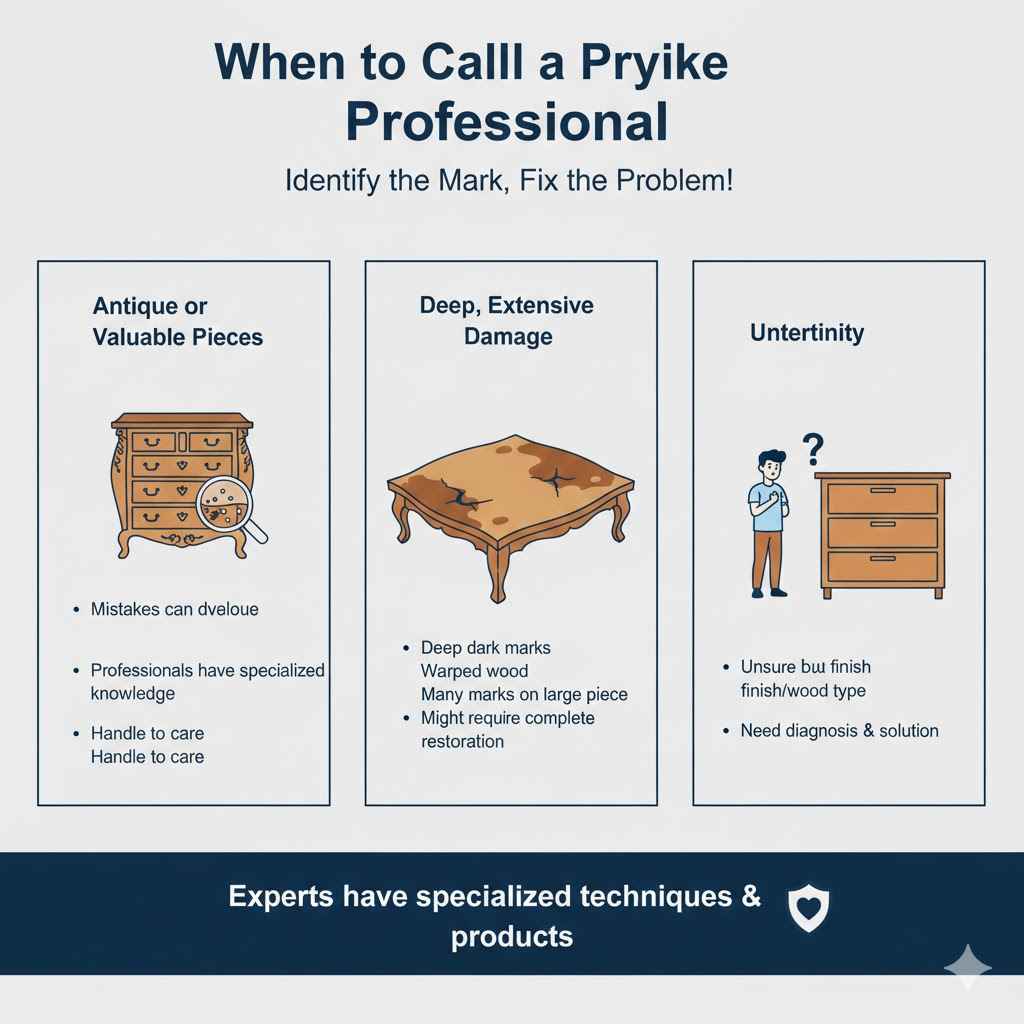
While many water marks can be fixed at home, some situations call for expert help. If the furniture is antique, highly valuable, or the damage is extensive, it’s often best to consult a professional restorer.
- Antique or Valuable Pieces: Mistakes can significantly devalue rare or antique furniture. Professionals have the knowledge and tools to handle such items with care.
- Deep, Extensive Damage: If dark marks are deep, the wood is warped, or there are many such marks across a large piece, a professional can assess the best course of action, which might involve complete restoration.
- Uncertainty: If you are unsure about the type of finish, wood, or the best method to use, a professional can provide a diagnosis and solution.
Professionals have specialized techniques and products, and their experience means they can often achieve results that are difficult for a DIYer. They can also advise on the best long-term care for your specific piece.
Frequently Asked Questions
Question: Can I use rubbing alcohol to remove water marks from wood furniture?
Answer: Rubbing alcohol can be effective for some white water marks, as it can help to re-emulsify the finish. However, it’s very drying and can potentially damage or dull some finishes if used incorrectly or too often. Always test in an inconspicuous area first and use very sparingly.
Question: How do I know if the water mark is white or dark?
Answer: White or hazy marks usually mean the water has only affected the top finish layer. Dark marks indicate the water has penetrated deeper, reaching the wood itself, and caused staining. White marks are generally easier to remove.
Question: What if the water mark is a combination of white and dark?
Answer: A combination often means the initial water contact caused a white mark, and then subsequent or prolonged exposure led to deeper staining, creating the dark color. You might need to address the white mark first, then treat the dark stain using appropriate methods.
Question: Can I use bleach on wood furniture to remove water marks?
Answer: Household bleach (chlorine bleach) is generally not recommended for wood furniture as it can damage the wood fibers and lighten the wood unevenly. Oxalic acid, often sold as wood bleach, is specifically designed for wood stains and is a safer, more effective choice for deep dark stains.
Question: My furniture has a wax finish. How do I remove water marks?
Answer: For wax finishes, you might find success by gently buffing with a very fine steel wool (#0000) and furniture wax. Sometimes, reapplying a fresh coat of wax after cleaning can help to blend and hide minor marks.
Summary
Learning how to remove water marks from wood furniture is an essential skill for any homeowner. From simple white rings to deeper dark stains, effective solutions exist. By understanding the cause and type of mark, you can choose the right method, whether it’s using household staples like toothpaste or specialized products.
Regular maintenance and preventative measures like coasters are key to keeping your wood furniture looking its best for years to come.