How To Remove White Spots From Wood Table Top Easily
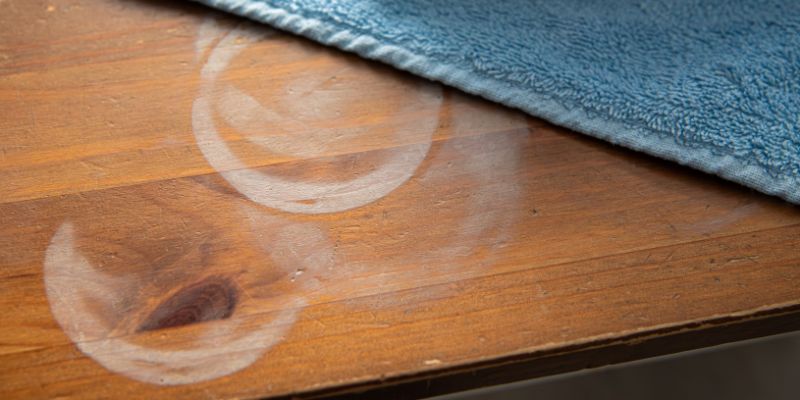
The presence of unsightly white spots on a wooden tabletop can often be attributed to moisture infiltration or heat exposure, both of which disrupt the integrity of the wood’s finish. These blemishes not only diminish the aesthetic value of collectible furniture but can also signal deeper issues related to care and maintenance. Understanding the underlying causes and exploring various techniques—ranging from chemical treatments to natural remedies—can provide a pathway to restore the tabletop’s pristine condition.
Delving into the nuances of wood treatment and refinishing will unveil effective strategies for rejuvenation. Discover the essential methods on how to remove white spots from wood table tops in the following sections.
How To Remove White Spots From Wood Table Top: A Guide
White spots on wood table tops can be unsightly and may arise from moisture, heat, or improper cleaning. Addressing these blemishes not only restores the table’s aesthetic appeal but also prolongs its lifespan. Various methods and household items can effectively tackle these marks, providing practical solutions for both minor and more significant damage. Whether you’re dealing with water rings or heat stains, understanding how to remove white spots from wood table tops will empower you to maintain your furniture beautifully.
Identifying the Type of Finish on Your Table
Different finishes (wax, varnish, polyurethane) and their characteristics. How to test the finish type before removing white spots.
To remove white spots safely, first identify the type of finish on your wood table. Different finishes will react differently to cleaning methods. Here are some common types:
- Wax: Soft and can be scratched easily. It feels greasy when touched.
- Varnish: Hard and glossy. It often has a shiny appearance and can resist water.
- Polyurethane: Very strong and durable.It does not scratch easily and often has a plastic-like feel.
Test the finish by rubbing a small, hidden area with a cloth and a little water. If the spot swells, it might be wax.
If not, it could be varnish or polyurethane.
Essential Tools and Materials Needed
List of tools (sandpaper, cloth, etc.). Recommended cleaning solutions for different types of finishes.
To tackle those pesky white spots, you’ll need a few handy tools. First, grab some sandpaper for smoothing the surface. A soft cloth is essential for buffing afterward—you know, to make it shine!
You might also need cleaning solutions, but choose wisely; different wood finishes require different care. Here’s a quick look at some options:
| Finish Type | Recommended Cleaning Solution |
|---|---|
| Oil Finish | Mineral spirits or a mix of vinegar and water. |
| Polyurethane | Warm soapy water or a specialized cleaner. |
| Lacquer | Lacquer thinner or a mild detergent. |
With these tools and cleaners, your table will be back to looking great. Plus, it’s a perfect excuse to show off your newfound woodworking skills! Who knew cleaning could be so fun?
Step-by-Step Methods to Remove White Spots
Method 1: Using Heat for Waxbased Finishes. Method 2: Applying Vinegar and Olive Oil for Other Finishes. Method 3: Sanding and Refinishing for Severe Cases.
Got white spots on your wood table? Don’t panic! Try these fun methods.
Method 1 involves using heat for wax-based finishes. Simply grab a cloth, heat it up with an iron, and gently dab the spot. Voila! For Method 2, mix vinegar and olive oil.
Rub it on the table to bring back that shine. And for the tough cases, Method 3 asks for some light sanding and refinishing. Just remember, too much sanding could make your table feel like it’s getting a spa day!
| Method | Steps |
|---|---|
| Heat | Use a warm cloth and iron to dab the white spots. |
| Vinegar & Olive Oil | Mix and rub on the spots for a shiny finish. |
| Sanding | Gently sand the area and refinish for severe cases. |
Preventive Measures to Avoid Future White Spots
Best practices for protecting wood furniture. Recommended maintenance routines for wood table tops.
To keep your wood table looking great, follow these simple practices:
- Use coasters to protect surfaces from drinks and moisture.
- Wipe spills quickly to prevent stains and white spots.
- Dust regularly with a soft cloth to avoid scratches.
- Apply a wood polish every few months for a protective layer.
- Avoid direct sunlight to minimize fading and discoloration.
Routine care will help keep your wood table in excellent shape for years!
When to Seek Professional Help
Signs that indicate the need for expert intervention. Options for professional restoration services.
Sometimes, white spots on your wood table might need a superhero, and that superhero is a professional! If you notice that the spots just won’t budge, it’s time to call for help. Other signs include deep scratches or stains that look more like a permanent tattoo than a minor blemish. Professional restorers have special tools and magic potions (called chemicals) to make your table shine again!
| Signs You Need Help | Restoration Options |
|---|---|
| White spots won’t come off | Furniture restoration service |
| Deep scratches | Wood refinishing expert |
| Stains seem permanent | Professional cleaning service |
So, don’t fret over those pesky spots! Just remember, even the strongest of tables need a little TLC sometimes.
Conclusion
In conclusion, removing white spots from your wood table top can be achieved effectively with the right techniques, such as using heat, baking soda, or specialized wood cleaners. By following these methods carefully, you can restore your table’s beauty and prolong its life. Regular maintenance will help prevent similar issues in the future, ensuring your furniture remains stunning for years to come.
FAQs
What Are The Common Causes Of White Spots On A Wood Table Top?
Common causes of white spots on a wood tabletop include moisture trapped under a finish, often from spilled liquids, and heat exposure from hot items placed directly on the surface. Other potential causes may include wax buildup or damaged varnish. White spots can sometimes be a sign of mold or mildew, especially in humid environments. Proper care and prompt cleaning can help prevent and address these issues.
What Home Remedies Can Effectively Remove White Spots From Wood Furniture?
To remove white spots from wood furniture, you can try using a mixture of equal parts vinegar and olive oil, which can help restore the wood’s finish. Another effective remedy is to apply a paste of baking soda and water, gently rubbing it in with a soft cloth. You can also use a hair dryer on a low setting to gently heat the spot, which may help evaporate any trapped moisture. Always test any remedy on an inconspicuous area first to ensure it doesn’t damage the finish.
Is It Safe To Use Vinegar Or Baking Soda For Removing White Spots From A Wood Table?
Using vinegar or baking soda to remove white spots from a wood table can be risky, as both can damage the finish or wood itself. Vinegar is acidic and may strip the protective coating, while baking soda’s abrasiveness can scratch the surface. It’s often better to use specialized wood cleaners or gently rub the spot with a soft cloth and a little furniture polish. Always test any cleaning method on a small, inconspicuous area first.
How Can I Prevent White Spots From Forming On My Wood Table In The Future?
To prevent white spots from forming on your wood table in the future, use coasters and place mats to protect the surface from moisture and heat. Regularly apply a quality wood polish or wax to maintain the finish and create a barrier against spills. Keep the table away from direct sunlight to minimize fading and damage. Lastly, promptly clean any spills with a soft, dry cloth to prevent moisture from penetrating the wood.
When Should I Consider Refinishing My Wood Table Instead Of Removing White Spots?
You should consider refinishing your wood table if the white spots are extensive or if the wood has become damaged beneath the surface. Refinishing can restore the table’s overall appearance and protect it from further wear. If the table has sentimental value or is a significant piece, refinishing can enhance its durability and aesthetic appeal. However, if the spots are minimal and only affect the finish, you might successfully remove them with a specialized product instead.