How To Remove White Spots From Wood Tables Fast
White spots on your wooden table can be frustrating, especially when you want to fix them quickly. Many people worry about damaging their furniture when trying to get rid of these marks. It might seem tricky, but there are simple ways to tackle this problem.
We’ll walk you through easy steps to make your table look great again.
Understanding White Spots On Wood Tables
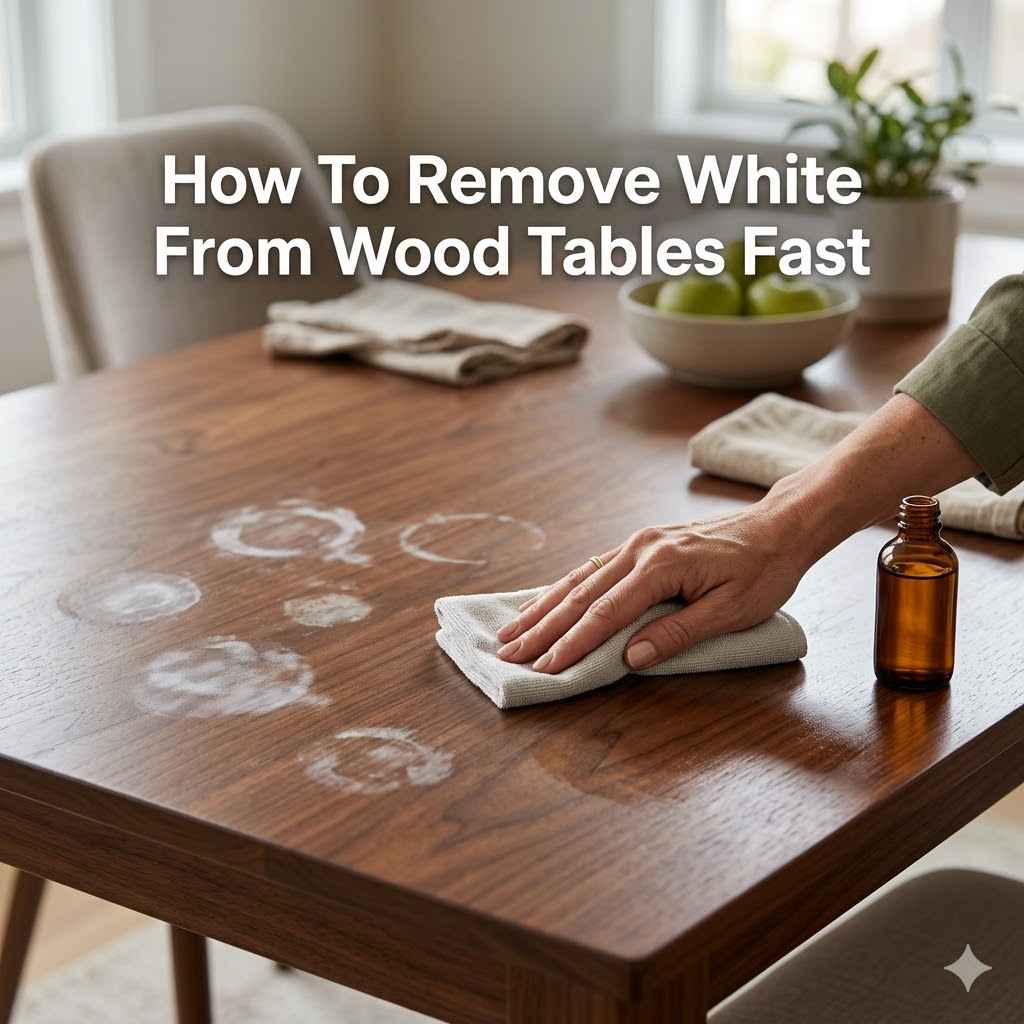
White spots are a common issue for wooden furniture, particularly tables. These marks usually happen when moisture or heat comes into contact with the wood’s finish. The finish itself is often a protective layer, like varnish or lacquer, that shields the wood underneath.
When something hot or wet sits on the surface for too long, it can disturb this finish. This disturbance causes the finish to become cloudy or opaque, creating that white appearance.
For beginners, identifying the cause of the white spot is the first step. It helps determine the best removal method. The good news is that most of these spots are not permanent damage to the wood itself.
They are typically surface-level issues with the protective coating. This makes them much easier to fix than deeper stains or scratches.
Common Causes of White Spots
The most frequent culprit behind white spots on wood tables is moisture. Condensation from cold drinks, spills from glasses, or even damp cloths left on the surface can all introduce moisture. This moisture gets trapped under the finish, causing it to turn white.
Heat is another major cause. Placing hot dishes, mugs, or appliances directly on the wood without protection can scorch or damage the finish. This heat can cause the finish to bloom or cloud over, leading to those tell-tale white marks.
Sometimes, certain cleaning products can also cause white spots. Harsh chemicals might strip away the finish or react with it in a way that causes cloudiness. It’s always best to use wood-specific cleaners or mild solutions.
Understanding these common causes helps prevent future spots. It also guides you on which removal methods will be most effective. For example, a moisture-related spot might respond well to gentle drying, while a heat-related spot might need a slightly different approach.
Types Of Wood Finishes
The type of finish on your wood table plays a big role in how it reacts to moisture and heat, and how you can fix it. Different finishes have different strengths and weaknesses. Knowing what you’re dealing with makes the repair process smoother.
Varnishes are common and provide a hard, protective layer. They are generally durable but can sometimes be susceptible to heat damage.
Lacquer finishes are also popular. They dry quickly and give a smooth, shiny appearance. Lacquer can be sensitive to alcohol and extreme heat, which can cause white marks.
Polyurethane is a very tough and water-resistant finish. It’s often used for tables that see a lot of use. Polyurethane is less likely to get white spots but can still be affected by prolonged heat or moisture.
Oil finishes soak into the wood, offering a more natural look and feel. They don’t form a hard surface layer like varnish or lacquer. Oil finishes are more prone to water rings and stains that might appear as white marks if the oil is disturbed.
Identifying your table’s finish helps you choose the right products and techniques. For instance, a more delicate finish might require gentler methods than a robust polyurethane. If you’re unsure, test a small, hidden area first.
Quick And Easy Home Remedies
When faced with white spots, the good news is that many effective solutions are likely already in your home. These methods are simple and require minimal effort, perfect for anyone looking to fix their table fast. They work by gently interacting with the damaged finish to restore its clarity.
These remedies often involve common household items. They are chosen for their mild abrasive or solvent properties that can help lift the moisture or heat damage from the finish without harming the wood itself.
Using A Hair Dryer
A hair dryer can be surprisingly effective for removing white spots caused by moisture. The gentle heat helps to evaporate the trapped moisture from within the finish. This process can often reverse the cloudiness.
How to do it:
- Set your hair dryer to the lowest heat setting.
- Hold the dryer about 6-8 inches away from the white spot.
- Move the dryer constantly over the affected area. Do not hold it in one spot for too long, as excessive heat can damage the finish.
- Continue for a few minutes, observing the spot. As the moisture evaporates, the white mark should gradually disappear.
- Once the spot is gone, let the area cool completely.
- You can then apply a coat of furniture polish to restore shine.
This method is great because it’s non-abrasive and uses readily available tools. It’s particularly useful for fresh, light white marks caused by condensation.
Mayonnaise Or Petroleum Jelly
Believe it or not, the oils in mayonnaise or petroleum jelly can help to restore the finish. These oily substances can penetrate the cloudy layer of the finish and displace the trapped moisture or gently buff out the mark.
How to do it:
- Apply a small amount of mayonnaise or petroleum jelly directly onto the white spot.
- Let it sit on the spot for at least an hour, or even overnight for stubborn marks.
- Wipe away the excess with a soft, clean cloth.
- Buff the area gently with another clean, dry cloth.
- Repeat if necessary for deeper marks.
This technique is safe for most finishes and works by rehydrating and restoring the finish’s clarity. It’s a very gentle approach that often yields good results for minor moisture rings.
Toothpaste Method
Non-gel, white toothpaste can act as a very mild abrasive. It helps to gently buff out the damaged finish, lifting away the cloudy layer and revealing the clear finish underneath. It’s important to use plain white toothpaste and not a colored or gel variety.
How to do it:
- Squeeze a small amount of white toothpaste onto a soft cloth.
- Gently rub the toothpaste into the white spot using a circular motion.
- Work on the spot for about 30 seconds to a minute.
- Wipe away the toothpaste residue with a damp cloth.
- Immediately dry the area with a clean, dry cloth.
- If the spot is still visible, repeat the process, but be careful not to rub too hard.
- Once the spot is gone, you may want to apply furniture polish.
This method is effective for slightly more ingrained white marks. The mild abrasiveness helps to polish out the blemish. Always test on an inconspicuous area first.
Steel Wool And Oil
For more stubborn white spots, a combination of fine-grade steel wool (0000 grade is usually best) and a suitable oil can be used. The steel wool acts as a fine abrasive to remove the damaged layer of finish, while the oil lubricates and helps to lift the mark.
How to do it:
- Dip a small piece of 0000-grade steel wool into furniture polish or mineral oil.
- Gently rub the steel wool over the white spot, following the grain of the wood.
- Use very light pressure. The goal is to remove the damaged finish, not to scratch the wood.
- Wipe away the residue with a soft cloth.
- Inspect the spot. If it’s still there, repeat the process with fresh oil and steel wool, increasing pressure very slightly if needed.
- Once the spot is removed, clean the entire area with a damp cloth and dry thoroughly.
- Apply a coat of furniture polish to protect the restored finish.
This method is more aggressive and should be used with caution. It’s best for finishes that can handle a bit more abrasion. The key is to use the finest steel wool and minimal pressure.
Advanced Techniques For Difficult Spots
When common household remedies don’t quite do the trick, or if the white spots are deeper or more widespread, a few more advanced techniques can be employed. These methods involve specific products designed for wood refinishing and require a bit more care.
These techniques are best reserved for when the simpler methods have failed. They might involve applying new finish or using stronger solvents. It’s crucial to follow instructions carefully and to protect yourself and your surrounding area.
Using Denatured Alcohol
Denatured alcohol is a solvent that can sometimes lift white marks, especially those caused by heat. It works by slightly softening the finish, allowing the trapped moisture or damage to dissipate. However, it can also damage or remove some finishes if used improperly.
How to do it:
- Dampen a clean, soft cloth with denatured alcohol. Do not soak the cloth.
- Gently dab the white spot with the dampened cloth.
- Work quickly and do not rub aggressively, as this can remove the finish.
- Wipe the area immediately with a dry cloth.
- Inspect the spot. If it’s improving, repeat with a light touch.
- If the finish starts to look hazy or dull, stop immediately.
- After the spot is removed, apply a good quality furniture polish or wax.
This method is effective but carries a risk. It’s best for older finishes or those you’re willing to touch up afterward. Always work in a well-ventilated area.
Applying A New Finish Sectionally
If the white spot has deeply penetrated the finish and other methods haven’t worked, you might need to reapply a layer of finish to that specific area. This is a more involved process but can restore the table’s appearance.
How to do it:
- Lightly sand the affected area with very fine-grit sandpaper (e.g., 220-grit). The goal is to create a smooth surface for the new finish.
- Clean the sanded area thoroughly to remove all dust.
- Using a high-quality furniture polish or a small amount of matching finish (varnish, lacquer, or polyurethane), apply a thin, even coat to the spot.
- Allow the finish to dry completely according to the product instructions.
- You may need to apply 2-3 thin coats, allowing drying time between each.
- Once dry, gently buff the area to blend it with the surrounding finish.
This requires precision to match the existing finish. If you’re unsure about the exact type of finish, it might be better to consult a professional. A mismatch in finish can create a new problem.
Using Commercial Wood Stain Removers
There are specialized commercial products available for removing white rings and spots from wood furniture. These products are formulated to be effective yet safe for most wood finishes. They often contain mild solvents and conditioning agents.
How to do it:
- Read the product instructions carefully before use.
- Apply a small amount of the remover to a clean, soft cloth.
- Gently rub the product into the white spot.
- Follow the product’s recommended dwell time, if any.
- Wipe away any residue with a clean cloth.
- Buff the area to restore shine.
These products can be a good option when you want a reliable solution without guessing. They are designed to tackle common wood finish issues. Always test in an inconspicuous area first to ensure compatibility with your table’s finish.
Preventing Future White Spots
The best way to deal with white spots is to prevent them from happening in the first place. A little bit of preventative care can save you a lot of time and effort later on. Keeping your wooden table looking its best is all about consistent protection and mindful use.
Prevention involves simple habits and the use of protective accessories. These measures ensure the long-term beauty and integrity of your wood furniture.
Using Coasters And Placemats
This is the simplest and most effective way to prevent moisture and heat damage. Always use coasters under drinks, especially cold ones that sweat condensation. Placemats protect the table from spills and hot dishes.
These items create a barrier between the table surface and potential sources of damage. They come in various materials like cork, wood, fabric, and silicone, offering both protection and decorative options.
Wiping Spills Immediately
Accidents happen, but how you react to them makes a big difference. If you spill anything on your table, wipe it up immediately with a soft, absorbent cloth. Don’t let liquids sit on the surface, as they can seep into the finish and cause damage.
Quick action prevents moisture from lingering and causing those dreaded white rings or spots. This habit is crucial for maintaining the wood’s condition.
Regular Cleaning And Polishing
Regularly cleaning and polishing your wood table helps maintain its protective finish. Use wood-specific cleaners and polishes that replenish the finish and add a layer of protection.
Furniture polish not only makes the table shine but also creates a barrier against minor spills and scratches. It’s a good practice to polish your table every few months or as needed.
Avoiding Direct Heat And Sunlight
Try to avoid placing very hot items directly on the table surface, even with coasters. For instance, a steaming pot might still transfer heat through a coaster. Consider using trivets for hot cookware.
Also, prolonged exposure to direct sunlight can fade and damage the wood finish over time. If your table is in a sunny spot, consider using curtains or blinds to filter the light.
Frequently Asked Questions
Question: What is the fastest way to remove white spots from a wood table
Answer: For most white spots, using a hair dryer on a low heat setting is the fastest method. Move it back and forth over the spot to evaporate trapped moisture.
Question: Can toothpaste really remove white spots
Answer: Yes, plain white toothpaste can work because it has mild abrasive qualities that gently buff out the damaged finish without scratching.
Question: What if the white spot is old and deep
Answer: Older, deeper spots might require more advanced methods like using a fine steel wool (0000 grade) with oil, or in some cases, a section reapplication of the finish.
Question: How do I know if my wood finish is damaged permanently
Answer: If the spot is dark, has a burnt smell, or the wood grain itself looks discolored or damaged, it might be a deeper issue than a simple white spot.
Question: Should I test any removal method first
Answer: Absolutely. Always test any cleaning or removal method on an inconspicuous area of the table, like the underside or a leg, to ensure it doesn’t damage the finish.
Summary
Fixing white spots on your wood table is achievable with simple methods. You can use household items like hair dryers, mayonnaise, or toothpaste for quick fixes. For tougher spots, consider steel wool with oil or commercial removers.
Prevention through coasters, prompt spill cleanup, and regular polishing keeps your table looking great.