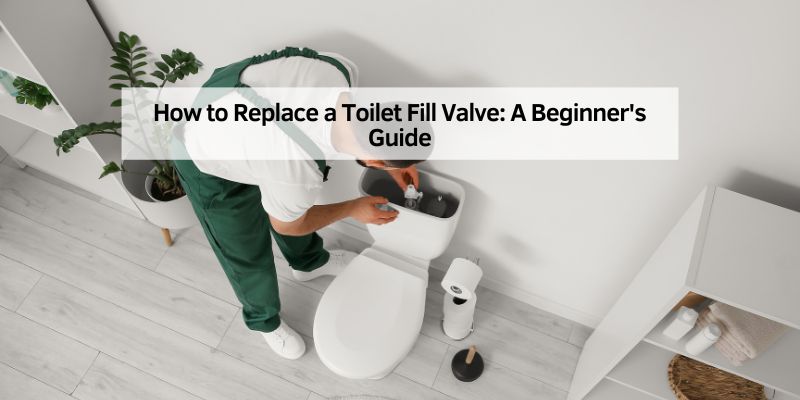
How to Replace a Toilet Fill Valve: A Beginner’s Guide
I’ll never forget the first time I tried to fix a toilet. It was making this annoying hissing sound, like a snake hiding in the tank! Turns out, the fill valve was the culprit. Replacing a toilet fill valve is a simple DIY job that saves water and money. This guide walks you through every step, shares easy tips, and helps you avoid my rookie mistakes. Whether you’re a beginner or a seasoned DIYer, you’ll find clear instructions, tools, and tricks to make your toilet work like new.
What Is a Toilet Fill Valve?
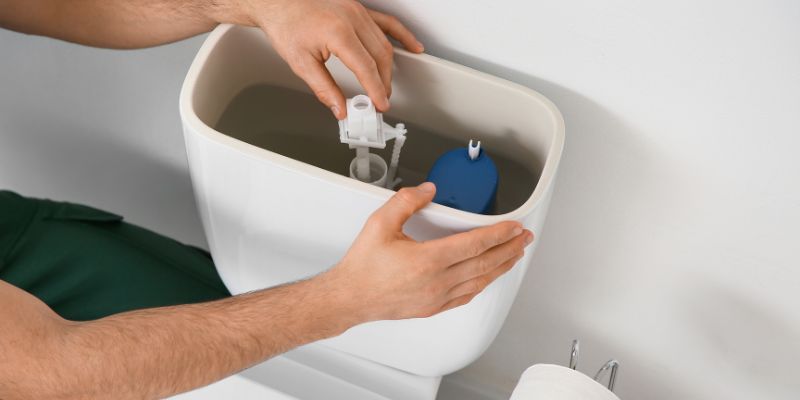
A toilet fill valve is a small device inside your toilet tank. It controls water flow to refill the tank after a flush. Think of it as the gatekeeper for your toilet’s water. If it’s faulty, your toilet might run constantly, fill slowly, or leak. Replacing it is a quick fix that anyone can do with a few tools. It’s like swapping a light bulb but with a bit more water involved!
Why Replace a Toilet Fill Valve?
A bad fill valve wastes water and spikes your bill. I once ignored a running toilet, and my water bill jumped $20 in a month! Here are signs you need a new one:
- Constant running: Your toilet hisses or refills non-stop.
- Slow filling: The tank takes forever to fill after a flush.
- Leaks: Water seeps from the tank or supply line.
Fixing it yourself is cheaper than calling a plumber. Plus, it’s satisfying to say, “I fixed that!”
Tools and Materials You’ll Need
You don’t need a fancy toolbox. Here’s what I used:
- Adjustable wrench or pliers: To loosen nuts.
- New fill valve: Universal ones like Fluidmaster work for most toilets.
- Bucket or towel: To catch drips.
- Sponge: To soak up leftover water.
- Optional: A small cup or milk jug (cut in half) to catch water.
Table 1: Tool Costs and Where to Find Them
| Tool/Material | Approx. Cost | Where to Buy |
|---|---|---|
| Adjustable wrench | $10–$20 | Home Depot, Lowe’s |
| Universal fill valve | $8–$15 | Hardware stores, Amazon |
| Sponge | $1–$3 | Grocery stores |
Caption: Basic tools for replacing a toilet fill valve are affordable and easy to find.
Step-by-Step Guide to Replace a Toilet Fill Valve
Here’s how I replaced my fill valve. It’s a piece of cake if you follow these steps:
- Turn off the water: Find the shutoff valve behind the toilet. Turn it clockwise until it stops. If it’s stuck, don’t force it—call a plumber to avoid a leak.
- Flush the toilet: Hold the flush lever down to empty the tank. Some water will stay at the bottom.
- Soak up leftover water: Use a sponge or towel to dry the tank. I used an old kitchen sponge—it worked great!
- Disconnect the supply line: Place a bucket under the tank. Use a wrench to loosen the nut where the water line connects to the tank. Turn counterclockwise.
- Remove the old fill valve: Find the locknut under the tank holding the valve. Loosen it counterclockwise with a wrench. Lift the old valve out.
- Install the new fill valve: Slide the new valve into the tank’s hole. Hand-tighten the locknut under the tank, then give it a quarter-turn with a wrench.
- Adjust the valve height: Follow the package instructions. The top of the valve should be 1 inch above the overflow tube. Twist or clip to adjust.
- Connect the supply line: Reattach the water line to the new valve. Hand-tighten, then add a quarter-turn with a wrench.
- Attach the refill tube: Clip the small tube from the fill valve to the overflow pipe inside the tank.
- Turn on the water: Open the shutoff valve. Watch the tank fill. Check for leaks.
- Adjust the float: The water should stop 1–2 inches below the overflow tube. Adjust the float screw or clip until it’s perfect.
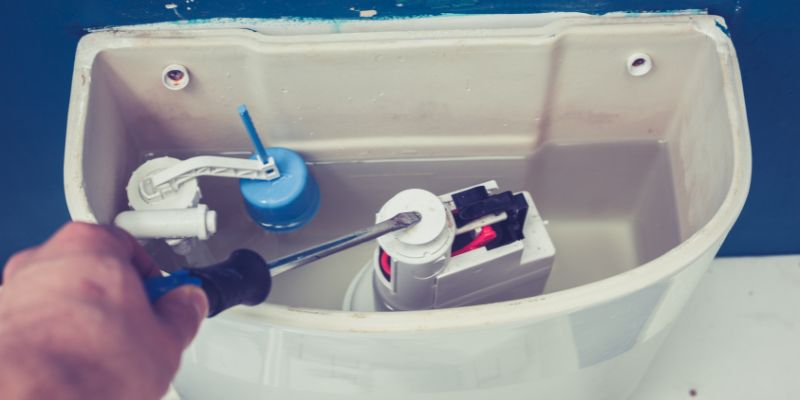
Visual Idea: A diagram showing the fill valve, overflow tube, and float inside the tank would help beginners see where everything goes.
Common Mistakes to Avoid
I messed up my first try, so learn from me! Here are pitfalls to dodge:
- Not turning off the water: This leads to a wet floor. Always check the shutoff valve first.
- Over-tightening nuts: Plastic parts can crack. Hand-tighten, then add a slight turn.
- Wrong valve size: Check your toilet’s brand or take the old valve to the store to match it.
Benefits and Drawbacks of Replacing a Fill Valve
Benefits:
- Saves water and lowers bills.
- Quiets a noisy toilet.
- Takes less than 30 minutes.
Drawbacks:
- Tight spaces can make it tricky.
- Older toilets may need special valves.
- Risk of leaks if not installed right.
Table 2: Fill Valve Types Compared
| Type | Pros | Cons | Best For |
|---|---|---|---|
| Plunger-style | Quiet, durable | Harder to find | Older toilets |
| Diaphragm | Anti-siphon, reliable | Plastic can wear out | Modern toilets |
| Floatless | Compact, budget-friendly | Less adjustable | Low-profile tanks |
Caption: Choose the right fill valve for your toilet to ensure a smooth replacement.
My Top Tips for Success
After fixing a few toilets, I’ve learned some tricks:
- Buy a universal valve: Brands like Fluidmaster fit most toilets, so you can’t go wrong.
- Check for leaks twice: After turning the water on, wait 5 minutes and check again.
- Keep a towel handy: Spills happen, even to pros!
- Test the flush: Flush a few times to ensure the tank fills correctly.
Visual Idea: A checklist graphic with these tips would be a handy reference for beginners.
Alternative Approaches
If replacing the valve sounds daunting, you can try cleaning it first. Soak the valve in vinegar to remove mineral buildup. But if it’s over 5 years old, replacing it is better. Another option is a dual-flush valve for water savings, but it’s pricier ($20–$30). For tough cases, a plumber might be worth the $100–$150 cost, especially for older toilets.
Cost-Saving Ideas
- Shop around: Check Amazon or local hardware stores for deals on fill valves.
- Reuse the supply line: If it’s not damaged, you don’t need a new one.
- DIY to save: Plumbers charge $100+, but a valve costs $10–$15.
Table 3: Cost Comparison
| Option | Cost | Time Needed |
|---|---|---|
| DIY fill valve | $10–$15 | 20–30 minutes |
| Plumber | $100–$150 | 1–2 hours |
| New toilet | $100–$500 | 2–4 hours |
Caption: DIY replacement is the cheapest and fastest way to fix a faulty fill valve.
Safety Tips
- Turn off the water: Double-check the shutoff valve to avoid flooding.
- Use a bucket: Catch drips to keep your floor dry.
- Don’t force parts: If a nut won’t budge, apply penetrating oil and wait 10 minutes.
Visual Idea: A simple flowchart showing the steps with safety checks would guide beginners.
Frequently Asked Questions
How Do I Know If My Fill Valve Is Bad?
A bad fill valve causes constant running, slow filling, or leaks. Add a few drops of food coloring to the tank. If color leaks into the bowl after an hour, replace the valve.
Can I Replace a Fill Valve Without a Plumber?
Yes, it’s a simple DIY job. You need a wrench, a new valve, and 20 minutes. Follow my steps, and you’ll save $100–$150 on plumber fees.
What Type of Fill Valve Should I Buy?
Get a universal valve like Fluidmaster for $10–$15. It fits most toilets. Take your old valve to the store to match it if you’re unsure.
How Often Should I Replace a Fill Valve?
Replace it every 5–7 years for regular maintenance. Older valves wear out and waste water, so don’t wait for a leak.
What If the Locknut Won’t Budge?
Apply penetrating oil and wait 10 minutes. Use a wrench or prybar carefully. If it’s still stuck, consider calling a plumber to avoid cracking the tank.
Can I Clean the Fill Valve Instead?
Yes, soak it in vinegar to remove buildup. But if it’s old or damaged, replacing it is more reliable and costs less than $15.
Why Does My New Valve Leak?
Check the locknut and supply line for tightness. Hand-tighten, then add a quarter-turn. Ensure the rubber washer is seated properly to prevent leaks.
Conclusion
Replacing a toilet fill valve is easier than it sounds. With a few tools and 20 minutes, you can stop that annoying hiss and save water. My first try was messy, but now I feel like a plumbing pro! Grab a new valve, follow these steps, and give it a shot. You’ll be amazed at how simple it is. Got a toilet tip or a funny DIY story? Share it in the comments—I’d love to hear! For more plumbing advice, check out Fluidmaster’s Repair Guide, The Home Depot’s DIY Tips, or Family Handyman’s Guide. Happy fixing!