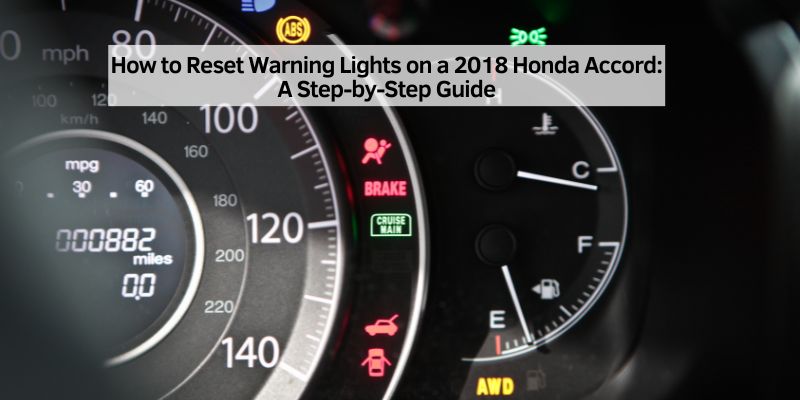
How to Reset Warning Lights on a 2018 Honda Accord: A Step-by-Step Guide
Hey there! If you’re driving a 2018 Honda Accord and suddenly notice your dashboard lighting up like a Christmas tree, don’t panic. Those warning lights can be unsettling, but I’ve been through this myself, and I’m here to help you figure it out. Whether it’s the check engine light, tire pressure warning, or a whole bunch of alerts flashing at once, I’ve explored the ins and outs of resetting them.
In this guide, I’ll walk you through why these lights come on, how to reset them, and what to do if they keep popping back up. Let’s dive in and get your Accord’s dashboard back to normal.
Why Warning Lights Come On in Your 2018 Honda Accord
Picture this: you’re cruising along, enjoying your drive, and out of nowhere, your dashboard starts glowing with warning lights. It’s enough to make anyone’s heart skip a beat. When I first saw this on my 2018 Honda Accord, I thought something major was wrong. But here’s the thing—warning lights are your car’s way of talking to you. They’re like little messengers letting you know something needs attention.
In the 2018 Honda Accord, warning lights can pop up for all sorts of reasons. A loose gas cap might trigger the check engine light. A weak battery could cause a cascade of alerts, from the brake system to the adaptive cruise control. Even something as wild as rodent damage to wiring (yep, it happens!) can make every light on your dashboard go haywire.
Other common culprits include faulty sensors, like the oxygen sensor or throttle position sensor, low coolant levels, or even a blown head gasket in some cases. My Accord once threw a fit after sitting unused for a month, and it turned out the battery was just low on charge.
Understanding why these lights appear is the first step. Some are minor, like a tire pressure issue, while others, like the brake system warning, demand immediate attention. The Accord uses a color-coded system: green means a system is active, yellow suggests caution, and red screams “stop and check this now.” Knowing this helped me stay calm when I saw those lights.
Common Warning Lights on the 2018 Honda Accord
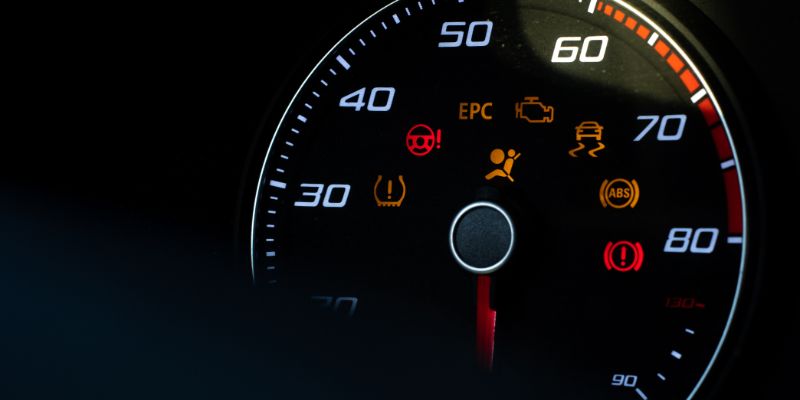
Before we get to resetting, let’s talk about the warning lights you might see. When my Accord’s dashboard lit up, I was overwhelmed by the number of alerts. Here’s a quick rundown of the most common ones and what they mean:
When I saw half of these lights on at once, I was tempted to drive straight to the dealership. But I learned that many issues, like a loose gas cap or low tire pressure, can be fixed at home. Others, like a bad sensor, might need a mechanic’s touch. The key is to diagnose the problem before trying to reset anything.
How to Diagnose the Problem Before Resetting
Here’s a lesson I learned the hard way: resetting the warning lights without fixing the underlying issue is like putting a Band-Aid on a broken leg. The lights will just come back on. When my Accord’s dashboard went crazy, I started by checking the basics.
First, I tightened the gas cap. A loose cap can trick the system into thinking there’s an emissions problem. Next, I checked my tire pressure with a gauge—sure enough, one tire was low after a cold snap. I also popped the hood to inspect the battery terminals for corrosion or loose connections. If you’re not sure what’s wrong, an OBD-II scanner is your best friend. I bought a cheap one online for about $30, plugged it into the port under the dashboard, and it gave me error codes that pointed to a faulty oxygen sensor.
If your car is driving fine but the lights are on, it might be a minor issue like a sensor glitch. But if you notice problems like rough idling, loss of power, or weird noises, don’t ignore them. My Accord once went into “limp mode” (super slow driving) when the lights came on, and it turned out to be a misfire in one of the cylinders. A quick trip to my mechanic fixed it, but I wish I’d checked sooner.
Step-by-Step Guide to Reset Warning Lights on a 2018 Honda Accord
Now, let’s get to the good stuff—how to reset those warning lights. I’ve tried a few methods, and I’ll share the ones that worked for me. Before you start, make sure you’ve addressed any underlying issues, like low tire pressure or a loose gas cap. Here are the main ways to reset the lights:
Method 1: Using the Information Display
This is the easiest method if you’re dealing with a maintenance light, like the oil life or wrench icon. I used this after an oil change when the maintenance light wouldn’t go away. Here’s how to do it:
- Turn on the Ignition: Sit in your Accord and turn the key to the “On” position, but don’t start the engine. You’ll see the dashboard light up.
- Access the Menu: Look at the steering wheel. There’s a “Home” button or a set of controls for the information display. Press it to bring up the main menu.
- Navigate to Settings: Use the scroll buttons to find the “Settings” option. Select it.
- Find Maintenance Reset: Scroll to “Vehicle,” then “Maintenance,” and finally “Oil Life.” You might see a percentage, like “10% oil life remaining.”
- Reset the Light: Press and hold the “Reset” or “Enter” button. The display might blink. Keep holding for about 10 seconds until it resets to 100% or the light turns off.
- Check the Dashboard: Turn off the ignition, then turn it back on to make sure the light is gone.
This worked like a charm for my maintenance light. It’s quick, and you don’t need any tools. But it won’t work for all warning lights, like the check engine light.
Method 2: Using an OBD-II Scanner
When my check engine light came on, I grabbed my OBD-II scanner. It’s a small device that plugs into your car’s diagnostic port. Here’s what I did:
- Locate the OBD-II Port: It’s usually under the dashboard, near the steering wheel. It looks like a small rectangular plug.
- Plug in the Scanner: Turn off the ignition, then plug the scanner into the port.
- Turn on the Ignition: Switch the ignition to “On” without starting the engine.
- Read the Codes: Follow the scanner’s instructions to read the error codes. Mine showed a P0172 code, which meant the system was running too rich.
- Erase the Codes: Use the scanner’s “Erase” or “Clear” function to reset the codes. This should turn off the check engine light.
- Test Drive: Start the car and drive for a few minutes. Check if the light stays off.
I love this method because it tells you exactly what’s wrong. If the light comes back on, the scanner will give you the same or new codes, which you can share with your mechanic.
Method 3: Disconnecting the Battery
This is the old-school way, and I tried it when my Accord’s lights went nuts after sitting for weeks. It’s like rebooting your car’s computer. Here’s how:
- Turn Off the Car: Make sure the ignition is off and the keys are out.
- Pop the Hood: Find the battery under the hood. It’s usually on the right side.
- Disconnect the Negative Terminal: Use a wrench to loosen the nut on the negative (–) terminal. It’s usually marked with a black cap. Pull the cable off and set it aside.
- Wait 15 Minutes: This gives the car’s computer time to reset. Some folks suggest touching the positive and negative cables together to drain any residual charge, but I didn’t need to do that.
- Reconnect the Terminal: Put the negative cable back on and tighten the nut.
- Start the Car: Turn on the ignition and check the dashboard. The lights should be gone.
This method worked for me when my battery was low and caused a bunch of random warnings. But it’s not foolproof—if the problem isn’t fixed, the lights will come back.
What to Do If the Warning Lights Come Back
Here’s where I hit a snag. After resetting my Accord’s lights, they came back a week later. It was frustrating! If this happens to you, don’t give up. It means there’s still an issue that needs fixing. Here’s what I did:
- Check the Battery Again: A weak battery can cause all sorts of warnings. I had mine tested at an auto parts store, and it turned out it was on its last legs, even though it was only three years old.
- Scan for Codes: If you have an OBD-II scanner, use it to see if new codes popped up. My second scan showed a misfire in cylinder 3, which led me to a mechanic.
- Visit a Professional: If you can’t figure it out, take your Accord to a trusted mechanic or dealership. I paid $100 for a diagnostic at my local shop, and they found a faulty oxygen sensor that was triggering multiple lights.
- Look for Recalls: Some 2018 Accords had issues with fuel pumps or head gaskets. Check your VIN on Honda’s website to see if your car is part of a recall.
When my lights kept coming back, I felt like throwing in the towel. But taking it step-by-step helped me avoid costly repairs I didn’t need.
Preventing Warning Lights in the Future
Once I got my Accord’s dashboard under control, I wanted to keep it that way. Here are some tips I’ve picked up to prevent those lights from coming back:
- Regular Maintenance: Stick to your Accord’s maintenance schedule. Oil changes, tire rotations, and fluid checks can prevent many issues. I set reminders on my phone to stay on top of it.
- Check Your Battery: Honda batteries aren’t known for lasting forever. Get yours tested every couple of years, especially if it’s the original one.
- Keep Sensors Clean: The 2018 Accord has sensors for things like lane assist and adaptive cruise control. Dirt or snow can mess them up. I wipe mine down with a microfiber cloth every few months.
- Drive Regularly: If your car sits for weeks, the battery can drain, causing warning lights. I take my Accord for a short drive every week, even if I don’t need to go anywhere.
- Use Quality Parts: When replacing things like spark plugs or sensors, stick with OEM (original equipment manufacturer) parts. Cheap aftermarket parts caused me headaches in the past.
These habits have kept my dashboard clear for months now, and I feel much more confident driving my Accord.
When to Seek Professional Help
Sometimes, you just can’t fix it yourself. I tried resetting my lights a few times, but when they kept coming back, I knew it was time to call in the pros. Here’s when you should take your Accord to a mechanic or dealership:
- Red Warning Lights: If you see a red light, like the brake system or oil pressure warning, stop driving as soon as it’s safe. These are serious issues that could damage your car or make it unsafe.
- Flashing Lights: A flashing check engine light means a major problem, like a misfire. I had this once, and it was a bad ignition coil. Don’t ignore it.
- Performance Issues: If your car feels sluggish, stalls, or goes into limp mode, get it checked out. My Accord’s misfire made it feel like it was limping along.
- Recurring Lights: If you reset the lights and they keep coming back, there’s an underlying issue. A mechanic can run a full diagnostic to find the root cause.
I took my Accord to a local shop instead of the dealership to save some money. They were honest, quick, and didn’t try to upsell me on unnecessary repairs.
My Personal Experience and Lessons Learned
When I first dealt with warning lights on my 2018 Honda Accord, I was overwhelmed. The dashboard looked like a warning light festival, and I didn’t know where to start. But after some trial and error, I learned a few things. First, don’t panic—most issues are fixable. Second, an OBD-II scanner is worth its weight in gold. It saved me from guessing what was wrong. Third, regular maintenance is key. I used to skip oil changes by a few months, thinking it wasn’t a big deal, but that likely contributed to some of my issues.
The biggest lesson? Listen to your car. Those warning lights are there for a reason. By addressing them early, I avoided bigger problems and kept my Accord running smoothly. Now, when a light pops up, I feel prepared to handle it.
Conclusion
Dealing with warning lights on your 2018 Honda Accord can feel like a daunting task, but it doesn’t have to be. I’ve been there, staring at a glowing dashboard and wondering what to do next. By understanding why the lights come on, diagnosing the problem, and using simple reset methods like the information display, an OBD-II scanner, or a battery disconnect, you can get your Accord back to normal.
If the lights persist, don’t hesitate to seek professional help—sometimes it’s the smartest move. With regular maintenance and a little know-how, you can keep those pesky lights at bay and enjoy your drive worry-free. So, next time your dashboard lights up, take a deep breath, follow these steps, and you’ll be back on the road in no time.
Frequently Asked Questions
Why do all the warning lights come on at once in my 2018 Honda Accord?
When every light on your dashboard lights up, it’s usually a sign of an electrical issue. In my case, it was a weak battery causing the car’s computer to go haywire. Other causes could be a faulty sensor, a bad alternator, or even rodent damage to wiring. Check your battery first, then use an OBD-II scanner to read the codes. If you’re not sure, a mechanic can help.
Can I drive my Accord with warning lights on?
It depends on the light. Yellow lights, like the check engine or tire pressure warning, usually mean you can drive for a bit but should get it checked soon. Red lights, like the brake system or oil pressure warning, mean you should stop as soon as it’s safe. I drove with a yellow light for a day or two, but I wouldn’t risk it with a red one.
How do I know if my battery is causing the warning lights?
A weak or dying battery is a common culprit. If your car’s been sitting for a while or the battery is over three years old, get it tested at an auto parts store. When my Accord’s battery was low, I saw multiple warning lights, and replacing it fixed the issue.
Do I need a professional to reset the warning lights?
Not always. You can reset maintenance lights using the car’s information display or clear check engine lights with an OBD-II scanner. I did both myself with no trouble. But if the lights keep coming back, a mechanic can diagnose deeper issues.
How much does it cost to fix warning light issues on a 2018 Honda Accord?
It varies. Simple fixes like tightening a gas cap or topping off tire pressure are free. A new battery might cost $100-$200. Sensor replacements or electrical repairs can run $200-$1,000, depending on the issue. My oxygen sensor replacement cost about $300 at a local shop.